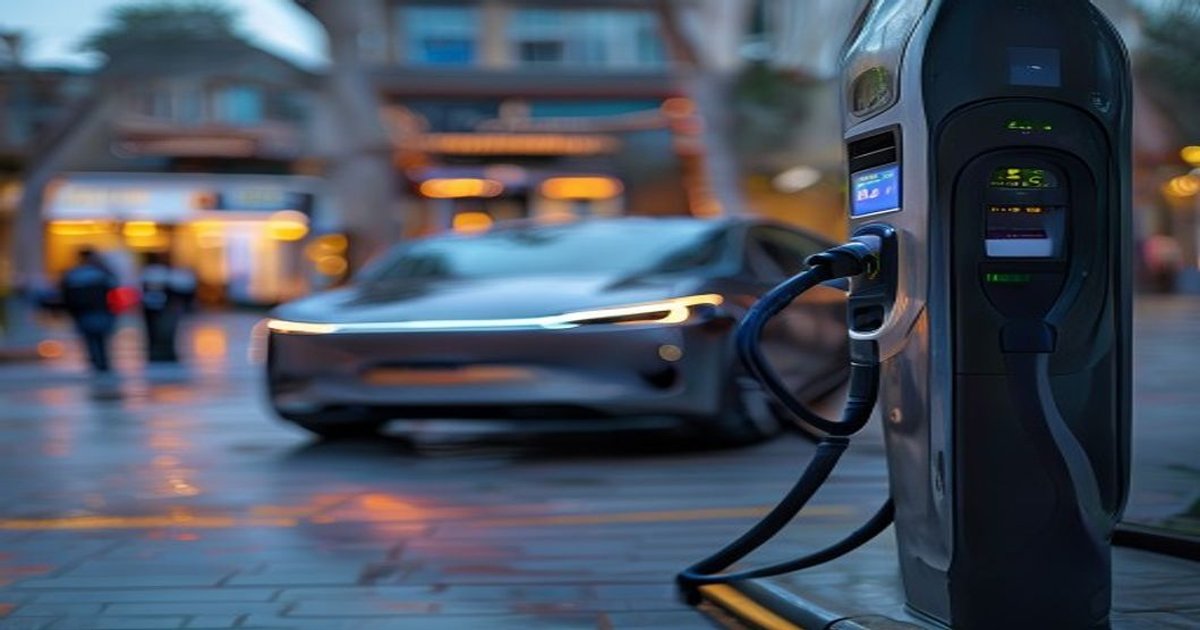
Plug & Charge (PnC) is revolutionizing the way electric vehicle (EV) owners charge their vehicles. This innovative technology streamlines the payment process, making it more convenient and user-friendly. In this article, we will explore how Plug & Charge works, its benefits, and its impact on the EV charging ecosystem.
What is Plug & Charge?
Plug & Charge is a standardized method of charging electric vehicles that automates the payment process. Instead of requiring drivers to use multiple apps or physical payment methods, PnC allows the vehicle to authenticate and authorize the charging session automatically. This seamless integration enhances the user experience and promotes the adoption of electric vehicles.
How Does Plug & Charge Work?
The Plug & Charge process involves several key steps:
- Vehicle Authentication: When an EV is connected to a charging station, the vehicle and the station exchange authentication credentials. This ensures that the vehicle is authorized to use the charging station.
- Session Authorization: Once the vehicle is authenticated, the charging station sends a request to the charging network to authorize the charging session. This step confirms that the user has a valid account and sufficient funds or credit.
- Charging Session: The charging station begins the charging process, and the energy consumed is recorded. The vehicle and the station communicate continuously to monitor the charging session and ensure it is proceeding smoothly.
- Payment Processing: After the charging session is complete, the payment is automatically processed through the user’s account. This eliminates the need for manual payment methods, such as credit cards or mobile apps.
Benefits of Plug & Charge
Plug & Charge offers several significant benefits for both EV owners and charging network operators:
Convenience for EV Owners
One of the primary advantages of Plug & Charge is the convenience it provides to EV owners. By automating the payment process, PnC eliminates the need for drivers to carry multiple payment methods or remember login credentials for different charging networks. This streamlined process makes charging an EV as simple as plugging in a smartphone.
Enhanced User Experience
Plug & Charge enhances the overall user experience by reducing the time and effort required to start and complete a charging session. The seamless integration of authentication and payment processes ensures that users can focus on other tasks while their vehicle charges, improving their overall satisfaction with the EV charging experience.
Increased Adoption of Electric Vehicles
By simplifying the charging process, Plug & Charge can contribute to the increased adoption of electric vehicles. A more user-friendly and convenient charging experience can help address one of the main barriers to EV adoption: the perceived complexity and inconvenience of charging. As more charging stations adopt PnC, the overall ecosystem becomes more accessible and appealing to potential EV owners.
Improved Security and Reliability
Plug & Charge also enhances the security and reliability of the charging process. The use of standardized authentication and authorization protocols ensures that only authorized vehicles can access the charging station, reducing the risk of fraud and unauthorized use. Additionally, the continuous communication between the vehicle and the charging station helps to detect and address any issues that may arise during the charging session.
Challenges and Considerations
While Plug & Charge offers numerous benefits, there are also some challenges and considerations to keep in mind:
Standardization and Interoperability
One of the key challenges in implementing Plug & Charge is ensuring standardization and interoperability across different charging networks and vehicle manufacturers. The development and adoption of common standards, such as ISO 15118, are crucial for enabling seamless communication and interoperability between vehicles and charging stations.
Infrastructure and Technology Requirements
Implementing Plug & Charge requires significant infrastructure and technology investments. Charging stations must be equipped with the necessary hardware and software to support PnC, and vehicle manufacturers need to integrate the required authentication and communication protocols into their vehicles. This can be a significant undertaking, especially for smaller operators and manufacturers.
User Education and Awareness
Another challenge is educating users about the benefits and functionality of Plug & Charge. Many EV owners may be unfamiliar with the technology and its capabilities, which can lead to confusion and hesitation in adopting PnC. Clear and concise user guides, tutorials, and support resources can help address these concerns and promote wider adoption.
Future of Plug & Charge
The future of Plug & Charge looks promising as more charging networks and vehicle manufacturers adopt the technology. As the EV market continues to grow, the demand for more convenient and user-friendly charging solutions will only increase. PnC is well-positioned to meet this demand and play a crucial role in the evolution of the EV charging ecosystem.
Integration with Smart Grids
One potential area of development for Plug & Charge is its integration with smart grids. By leveraging advanced communication and data management technologies, PnC can help optimize the distribution of energy and reduce the strain on the power grid. This can lead to more efficient and sustainable charging practices, further enhancing the benefits of electric vehicles.
Expansion to New Markets
As the adoption of electric vehicles continues to expand globally, Plug & Charge is likely to see increased adoption in new markets. This includes both developed and emerging economies, where the need for reliable and convenient charging solutions is growing. The standardization and interoperability of PnC will be crucial in facilitating this expansion and ensuring a consistent user experience across different regions.
FAQ
-
What is Plug & Charge?
Plug & Charge (PnC) is a standardized method of charging electric vehicles that automates the payment process, making it more convenient and user-friendly.
-
How does Plug & Charge work?
Plug & Charge works by automatically authenticating the vehicle, authorizing the charging session, and processing the payment through the user’s account, eliminating the need for manual payment methods.
-
What are the benefits of Plug & Charge?
The benefits of Plug & Charge include increased convenience, enhanced user experience, improved security, and the potential to increase the adoption of electric vehicles.
-
What are the challenges of implementing Plug & Charge?
Challenges include ensuring standardization and interoperability, making significant infrastructure and technology investments, and educating users about the technology.
-
What is the future of Plug & Charge?
The future of Plug & Charge includes potential integration with smart grids and expansion to new markets, further enhancing the convenience and sustainability of electric vehicle charging.
Conclusion
Plug & Charge is a game-changing technology that simplifies the EV charging payment experience. By automating the authentication and payment processes, PnC enhances convenience, security, and user satisfaction. As the EV market continues to grow, the adoption of Plug & Charge is likely to increase, contributing to a more efficient and user-friendly charging ecosystem.
Related Reading
For more on related topics, see our previous post: Understanding the CCS2 Connector: Cable Variants, Power, and Vehicle Compatibility.
Further reading: ISO 15118, the standard that defines Plug & Charge