Type 6 & Type 7 for DC Fast Charging
Type 6 & Type 7 EV Chargers in India: The Complete 2026 Guide 📅 January 12, 2026 ⏱️ 8 min
Type 6 & Type 7 EV Chargers in India: The Complete 2026 Guide 📅 January 12, 2026 ⏱️ 8 min
Saha-Edge’s edge-AI enables real-time dynamic load forecasting in commercial EV charging networks through predictive energy modeling and localized coordination.

Saha-Edge’s edge-AI platform enables real-time failed payment recovery in multi-charger networks using localized PCI DSS compliance, ChargeSphere integration, and predictive retry algorithms.
Saha-Edge enables real-time energy arbitrage in commercial parking networks through localized AI and predictive algorithms, without relying on cloud connectivity.
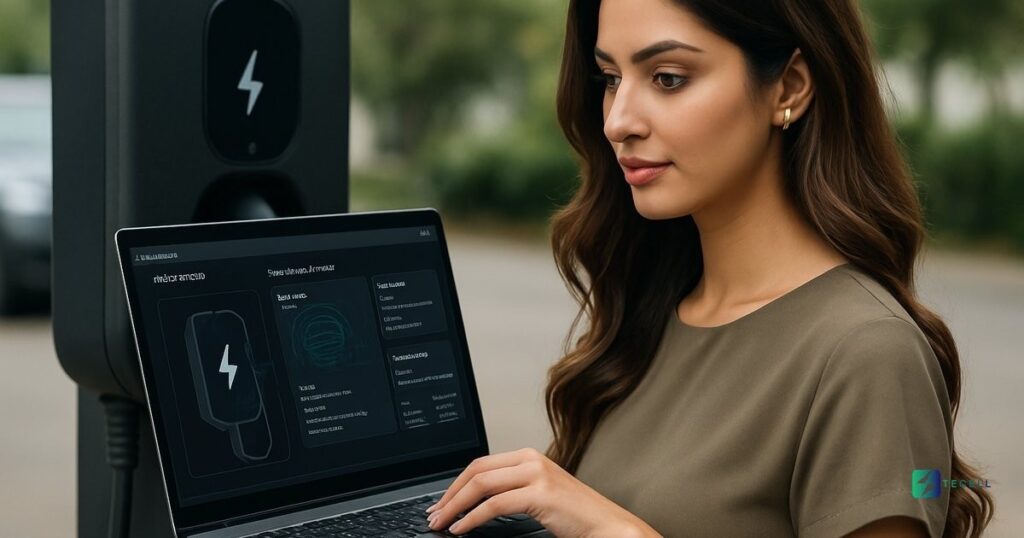
UnityCharge CMS enables real-time diagnostics and fault detection for EV chargers in a fleet without cloud connectivity, using local event logging and OCPP 2.0.1 protocols.
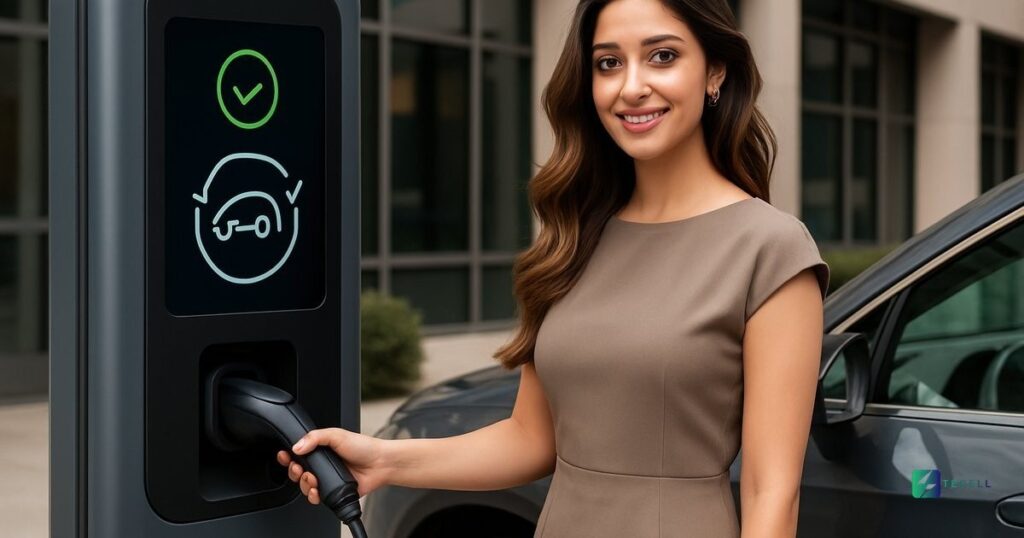
Saha-Edge’s edge-AI enables real-time energy scheduling in commercial EV networks without cloud dependency, integrating with OCPP 2.0.1 and IEEE 1547 standards.
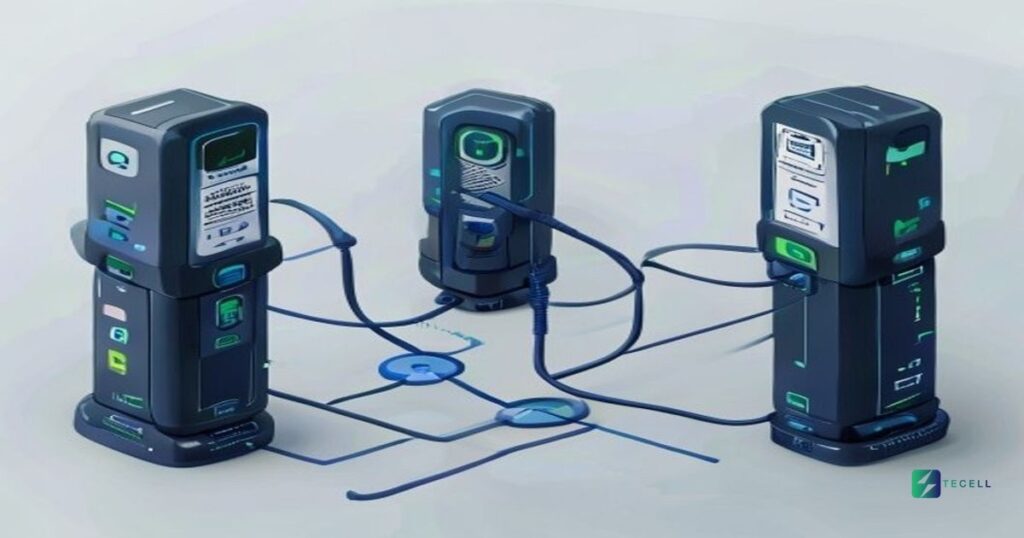
UnityCharge CMS enforces dynamic pricing across AC fast chargers using OCPP 2.0.1 without cloud connectivity, maintaining ISO 15118 compliance.
Saha-Edge’s Edge-AI enables real-time offline battery capacity estimation using localized electrochemical modeling while maintaining OCPP 2.0.1 compliance.
UnityCharge CMS supports scheduled charging profiles for fleet vehicles using OCPP 2.0.1 without cloud connectivity and maintains ISO 15118 compliance for Plug & Charge sessions.
UnityCharge CMS enables real-time firmware updates on EV chargers without cloud connectivity using local OCPP 2.0.1 validation.
Saha-Edge’s edge-AI enables real-time battery efficiency optimization in multi-charger networks using localized electrochemical modeling and OCPP 2.0.1 integration.

Saha-Edge enables real-time offline battery cooling optimization for electric vehicle fleets in remote locations using predictive thermal modeling while maintaining OCPP 2.0.1 compliance.
Talvix is Tecell’s marketplace for EV charging and energy infrastructure equipment and services (formerly Vendra). Sellers list free, buyers make structured offers, and both sides deal directly with no commission.
EV charging management software connects charging infrastructure to the operational tools businesses need for monitoring, session management, billing and reporting.
A charge point operator (CPO) manages EV charging infrastructure: commissioning chargers, keeping them usable, setting charging tariffs, handling transactions and
A commercial EV charging station in India should be designed around vehicle compatibility, parking duration, available electrical capacity and a
A DC fast charger supplies direct current to an EV’s battery, bypassing its onboard AC charger; businesses should select it
Explore how OCPP 2.0.1’s dynamic connector configuration and protocol adaptation enable seamless cross-protocol charging in mixed-fleet networks without cloud dependency.
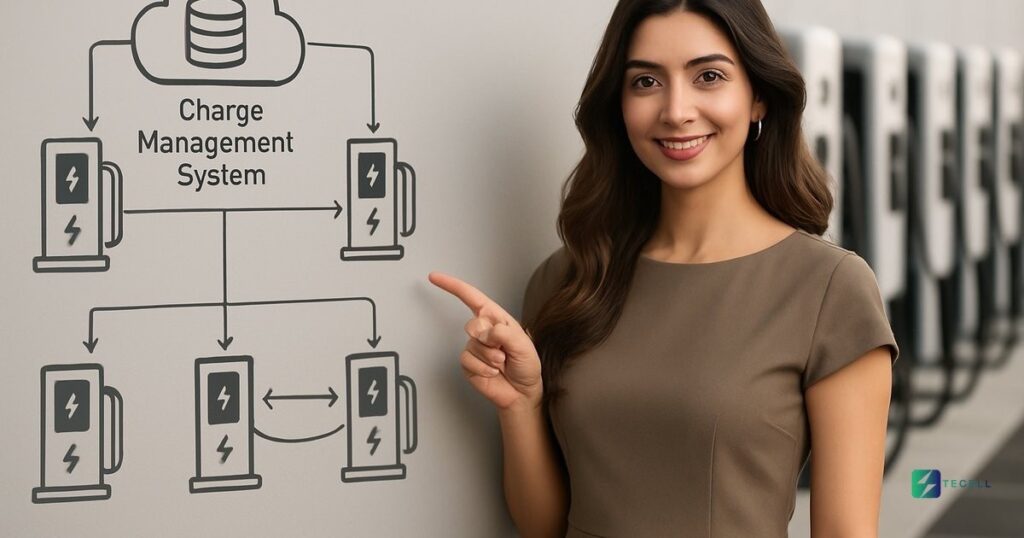
Explore how OCPP 2.0.1’s enhanced transaction data handling enables real-time revenue optimization for fleet operators in remote charging networks.
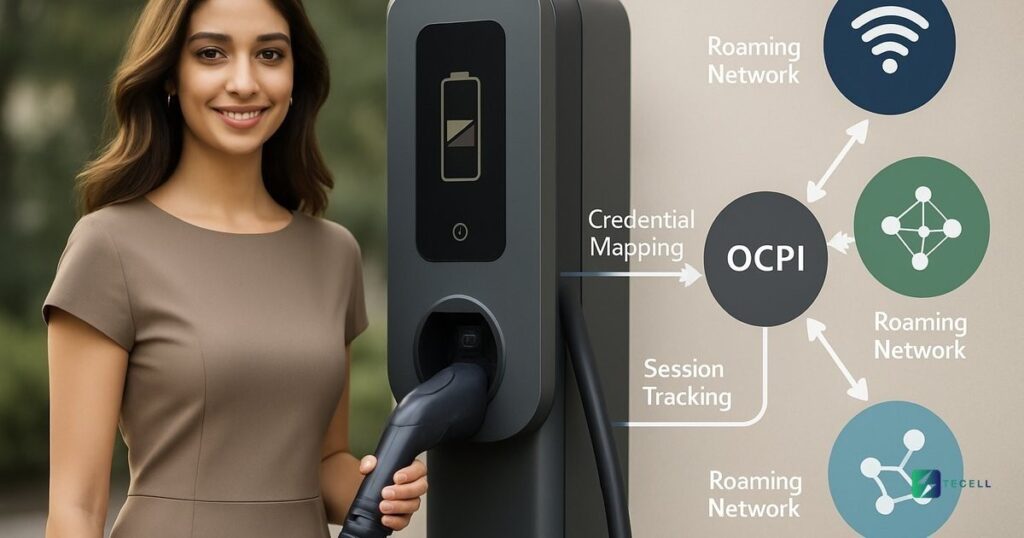
UnityCharge’s CMS enables remote restart of EV chargers without cloud connectivity using OCPP 2.0.1 local session management.
Explore how secure enclaves in EV charging systems enable trustless authentication and key exchange using TPM 2.0 and ECC without cloud dependency.

Explore how Saha-Edge’s hardware-based root of trust ensures secure boot and firmware integrity for EV chargers, even in offline environments.
Saha-Edge’s edge-AI enables real-time battery degradation modeling in mixed-fleet electric bus depots without cloud dependency, using ChargeSphere and UnityCharge CMS for localized health profiling.

Type 2 and CHAdeMO connectors cannot be physically swapped due to incompatible designs and standards. OCPP 2.0.1 enables cross-protocol session management through communication frameworks but requires compatible hardware and network connectivity.
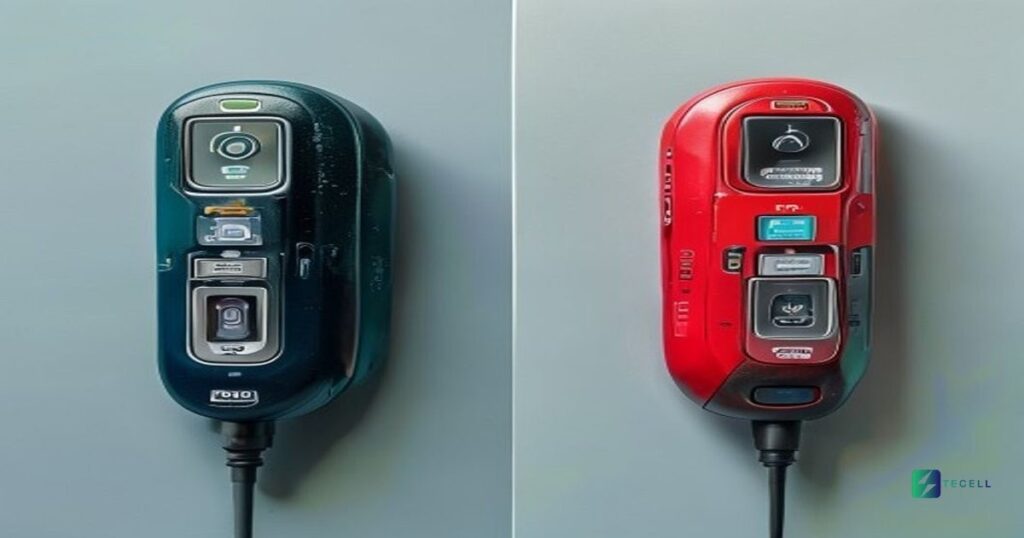
Can a charging gun be physically swapped between wallboxes and Level 2 chargers? Yes, with OCPP 2.0.1’s local validation capabilities.
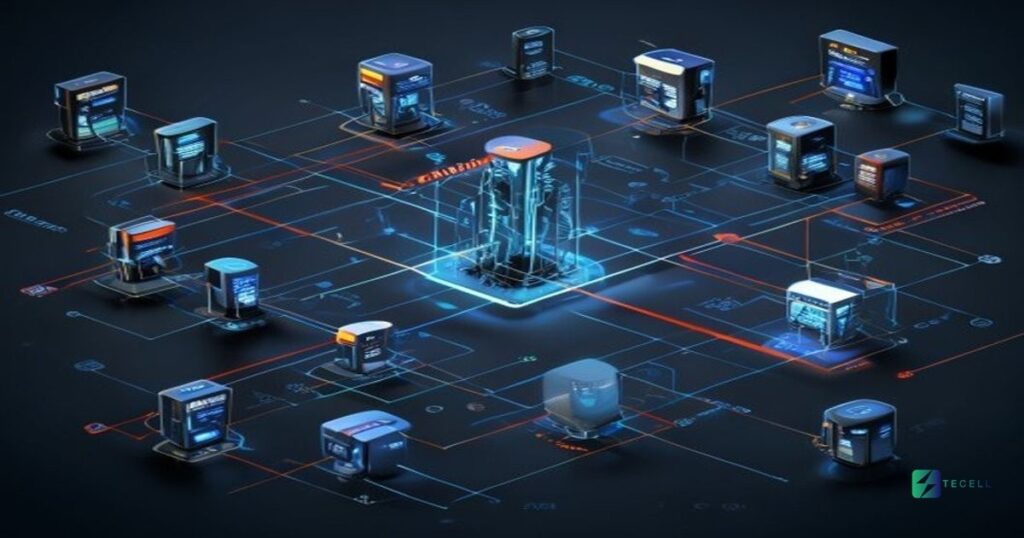
Can a CCS connector be physically swapped with a Tesla connector? No, due to physical and electrical incompatibilities. OCPP 2.0.1 enables cross-protocol session management without cloud dependency.
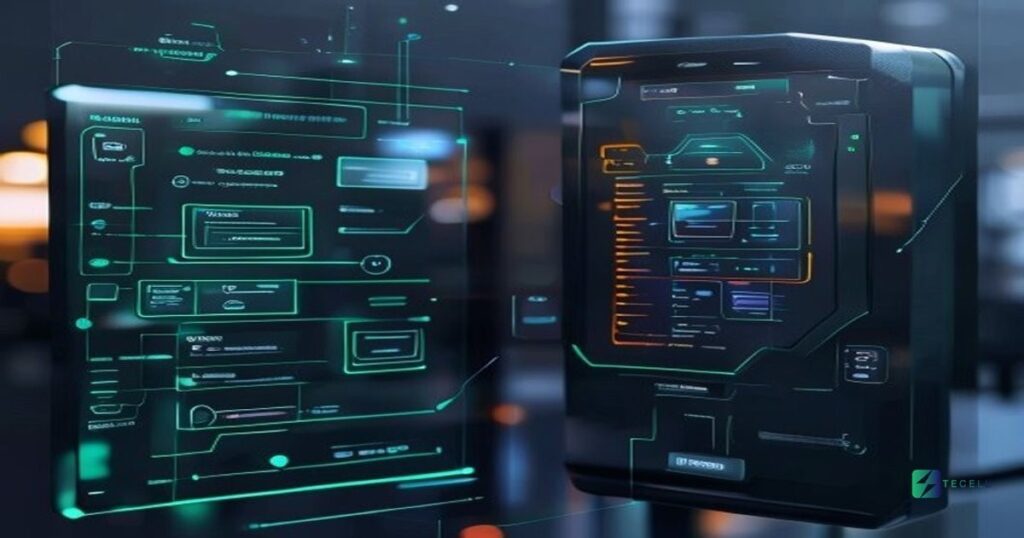
Can a charging cable be physically swapped between wallbox and pedestal charger? Yes, with OCPP 2.0.1 enabling local validation and session management.
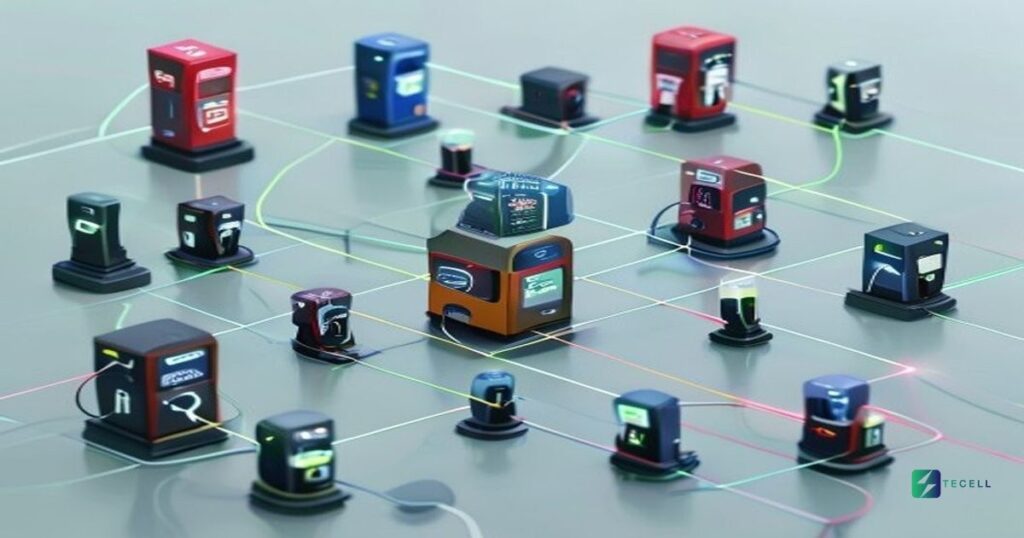
UnityCharge’s CMS supports both OCPP 1.6 and 2.0.1 simultaneously, enabling protocol negotiation without cloud dependency.
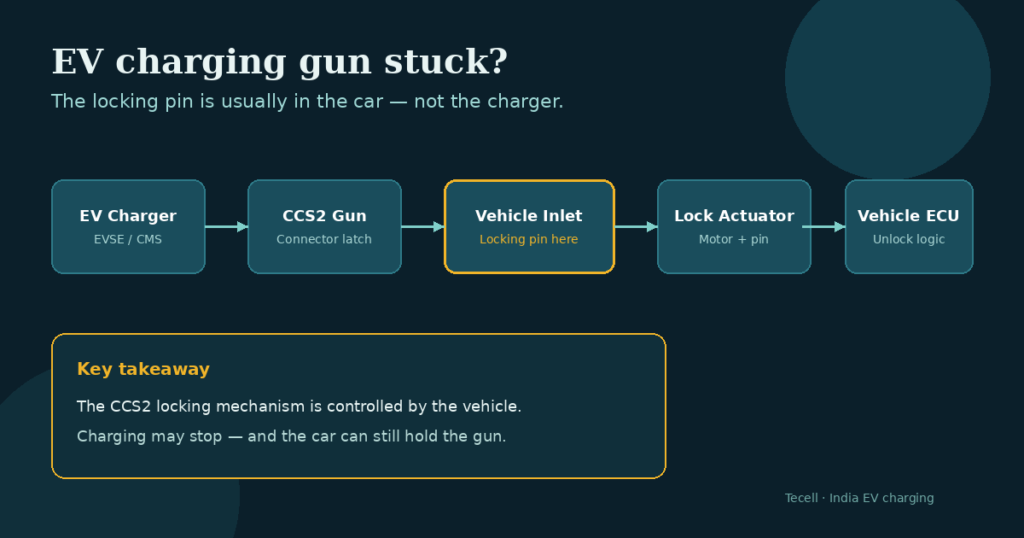
When a CCS2 charging gun is stuck, the charger is not always at fault — the vehicle inlet lock often still holds the connector. Here’s how Indian EV drivers and operators should diagnose it.
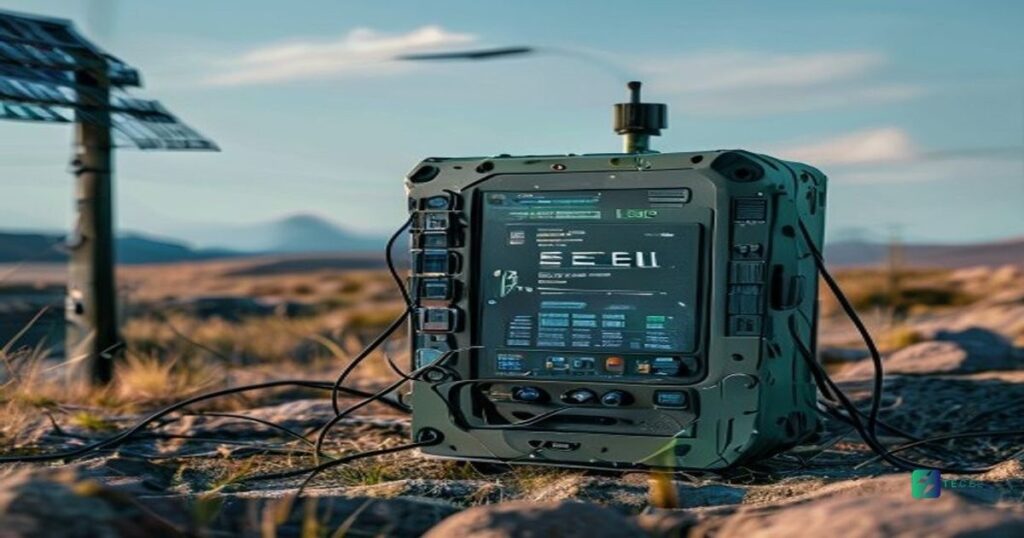
Saha-Edge enables real-time cybersecurity in multi-charger networks through localized AI, zero-trust authentication, and OCPP 2.0.1 integration.
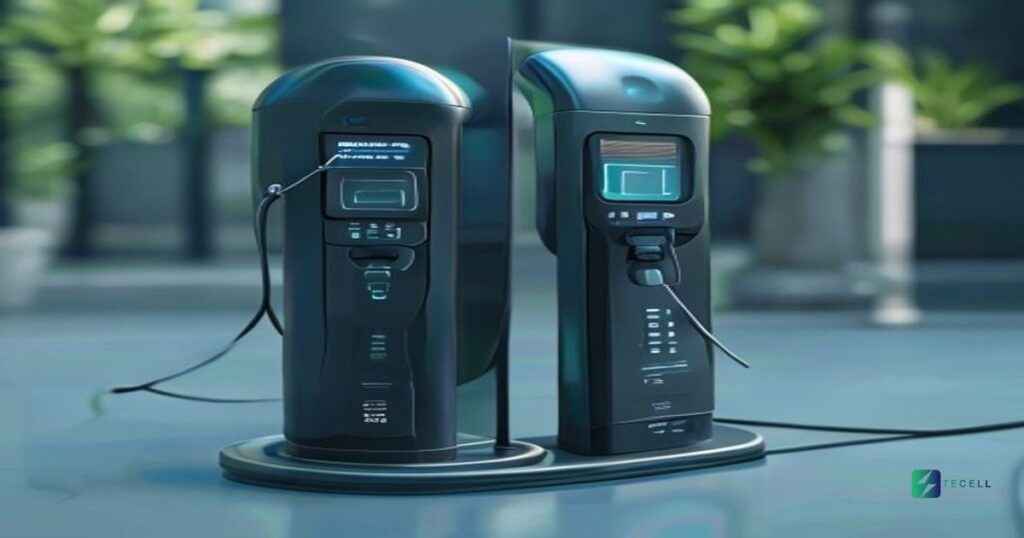
Can a charging gun be physically swapped between Level 2 and Level 3 chargers? Yes, with OCPP 2.0.1 connector validation and session management.
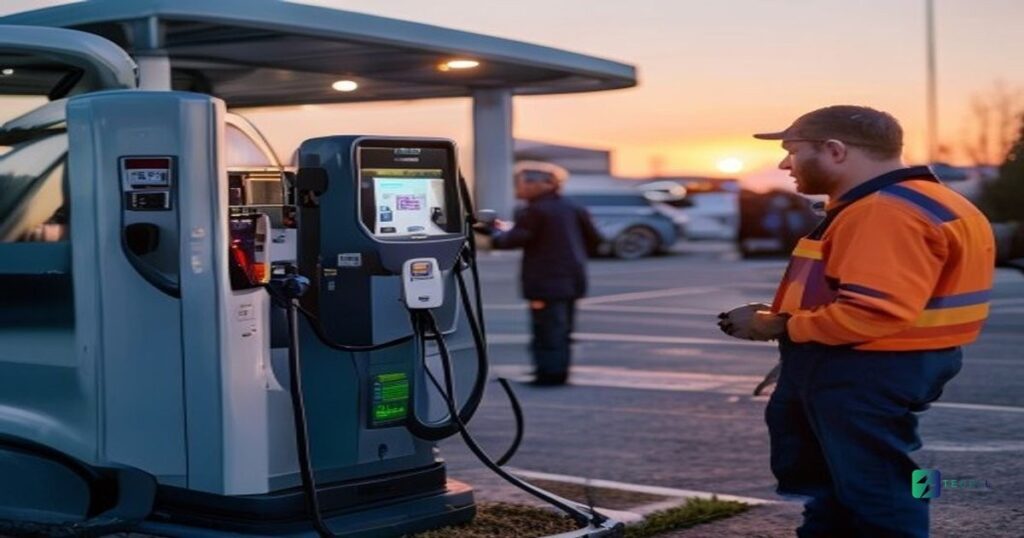
UnityCharge CMS enables real-time predictive maintenance alerts for EV chargers without cloud connectivity using OCPP 2.0.1 local diagnostics logging.
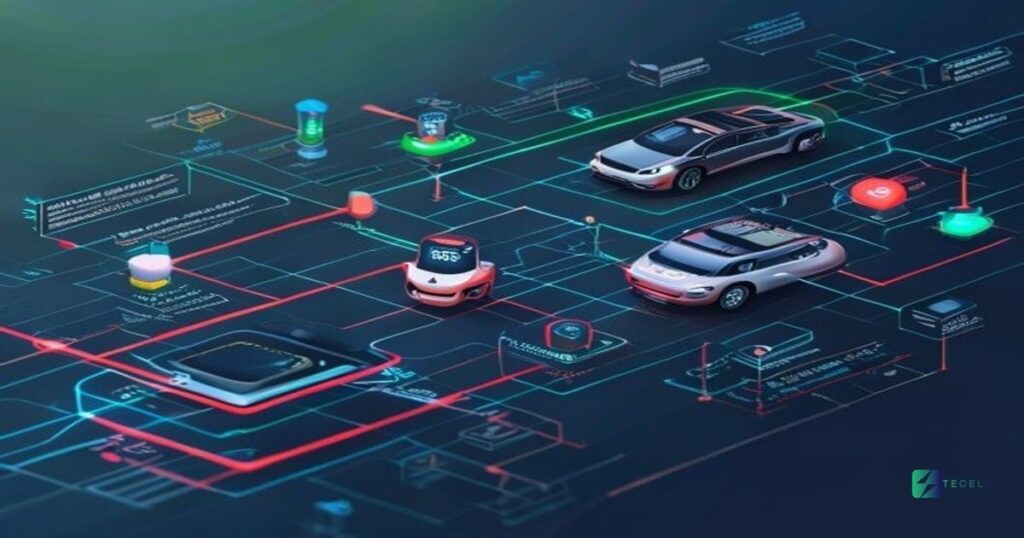
Saha-Edge’s edge-AI integration enables real-time power quality enhancement in multi-charger AC fast charging networks, ensuring compliance and efficiency without cloud dependency.
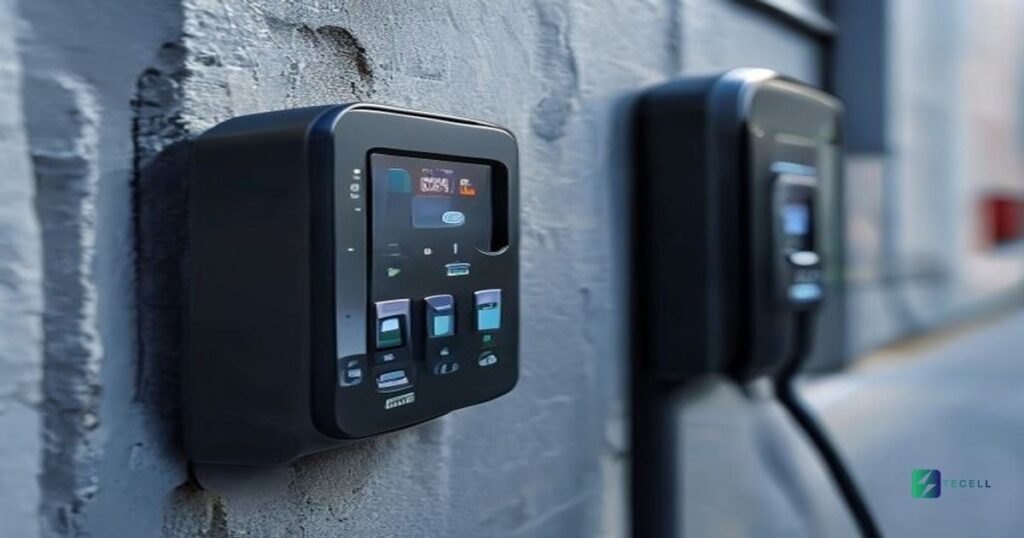
A Tesla connector cannot be used directly with a Type 2 charging station due to physical incompatibility, but hybrid solutions and OCPP 2.0.1 support can enable cross-connector functionality.
Can a charging gun be physically swapped between Type 2 and CCS connectors? No, due to mechanical incompatibility. OCPP 2.0.1 handles validation through communication protocols without cloud dependency.
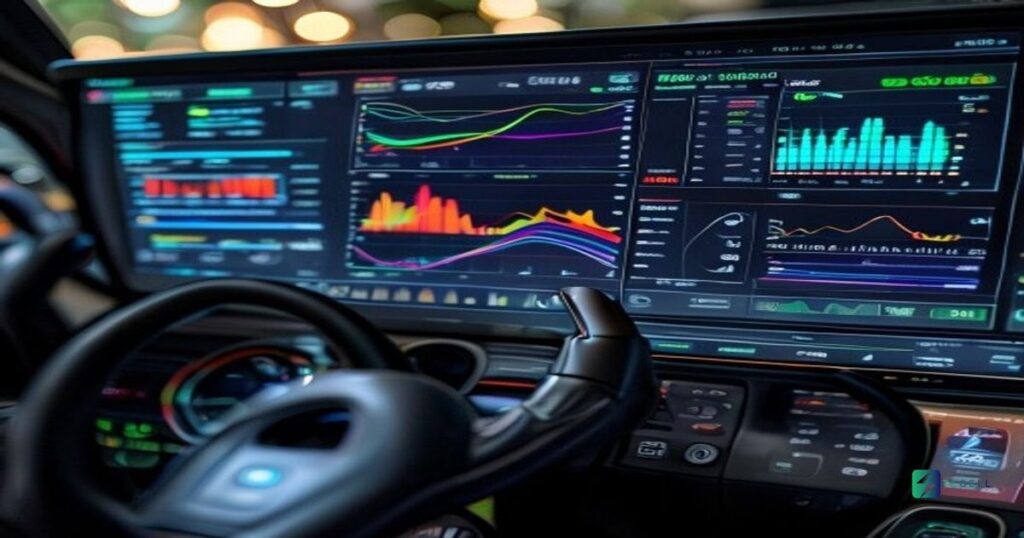
UnityCharge’s CMS enables decentralized AI-powered energy forecasting and load optimization in multi-charger networks without cloud dependency, using Saha-Edge and ChargeSphere.
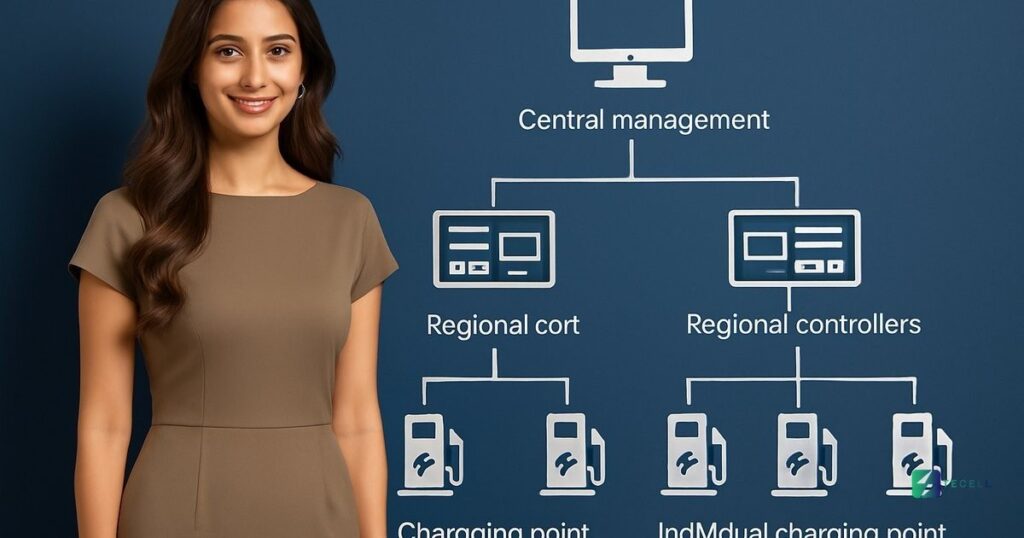
UnityCharge enables decentralized energy storage scheduling in multi-charger networks through local control, OCPP 2.0.1 integration, and IEEE 1547 compliance.
Saha-Edge enables real-time dynamic power quality monitoring in AC fast charging networks through localized electrical signal processing and OCPP 2.0.1 integration.
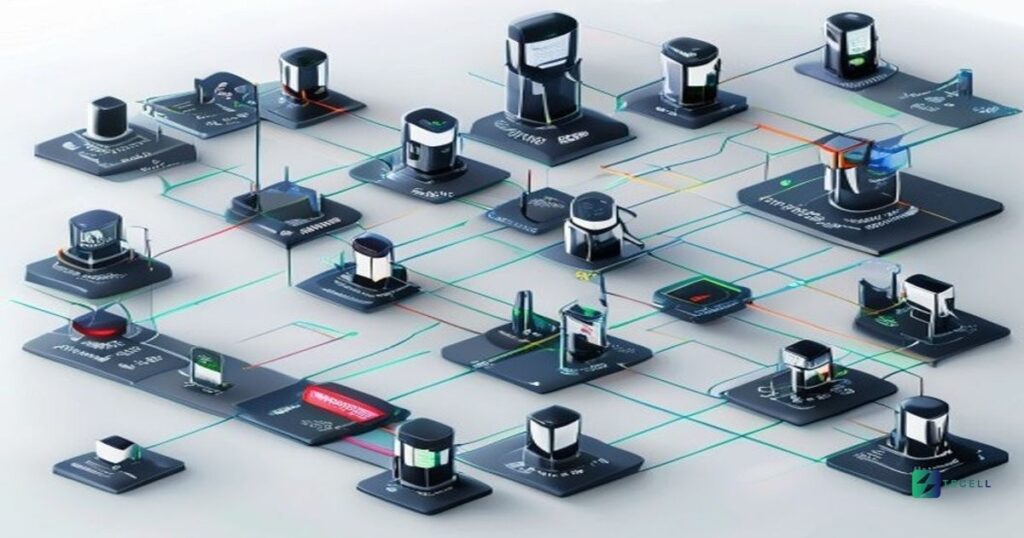
A Type 1 connector cannot be used directly with a CCS charging station without an adapter, which may limit power delivery and OCPP 2.0.1 communication.
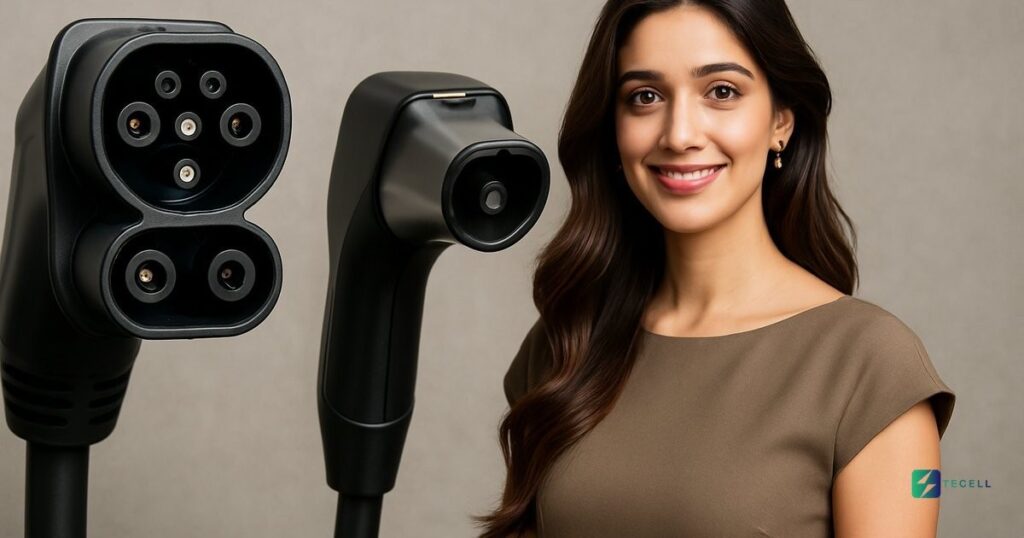
Physical swapping of CCS and CHAdeMO cables is not possible due to incompatible designs. OCPP 2.0.1 validates connector types locally without cloud dependency.
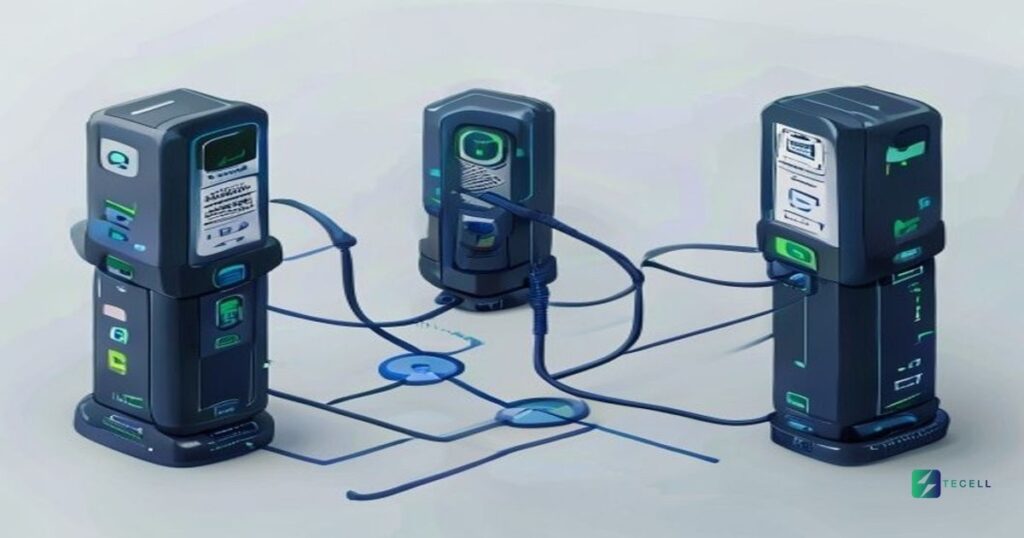
Saha-Edge enables secure offline certificate pinning for OCPP 2.0.1 communications without cloud dependency, maintaining compliance with ISO/IEC 15118-2 for Plug & Charge.
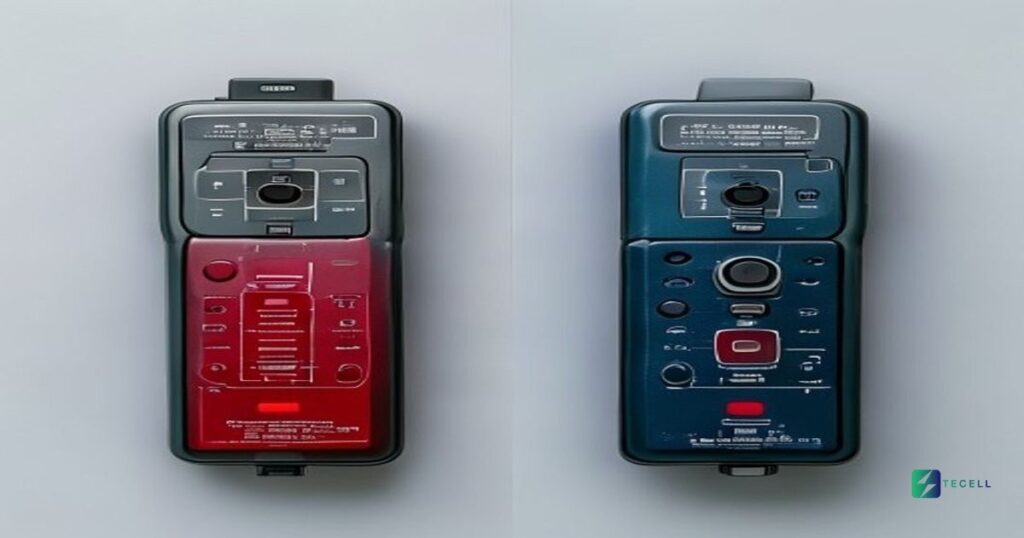
Can a CHAdeMO connector be used with a Type 2 charging station? No, due to physical incompatibility and differing power delivery standards.
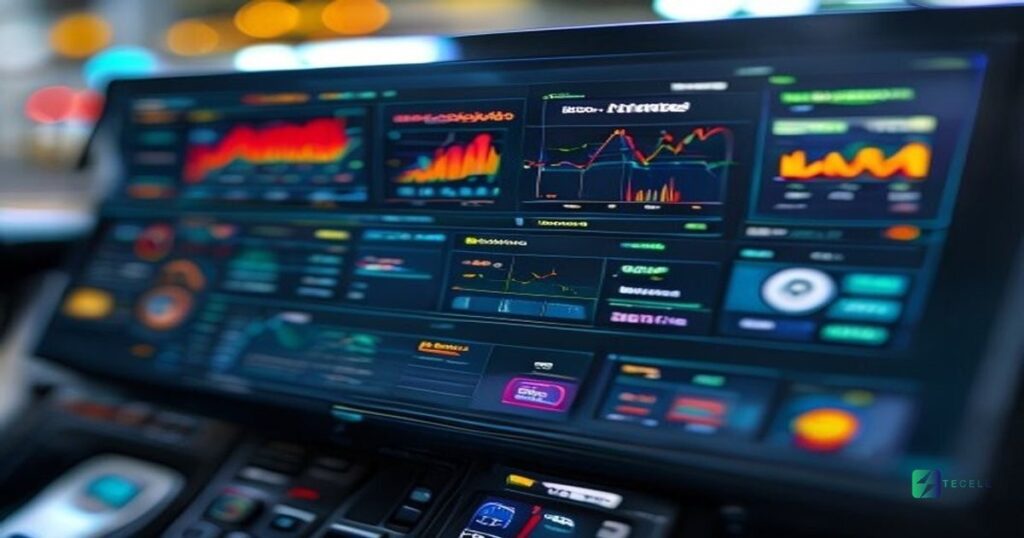
How UnityCharge enables decentralized dynamic pricing for EV networks through local OCPP 2.0.1 integration, ChargeSphere compliance, and Saha-Edge AI forecasting.

Explore how Saha-Edge’s edge computing platform enables real-time dynamic connector compatibility verification in multi-charger networks without cloud dependency.
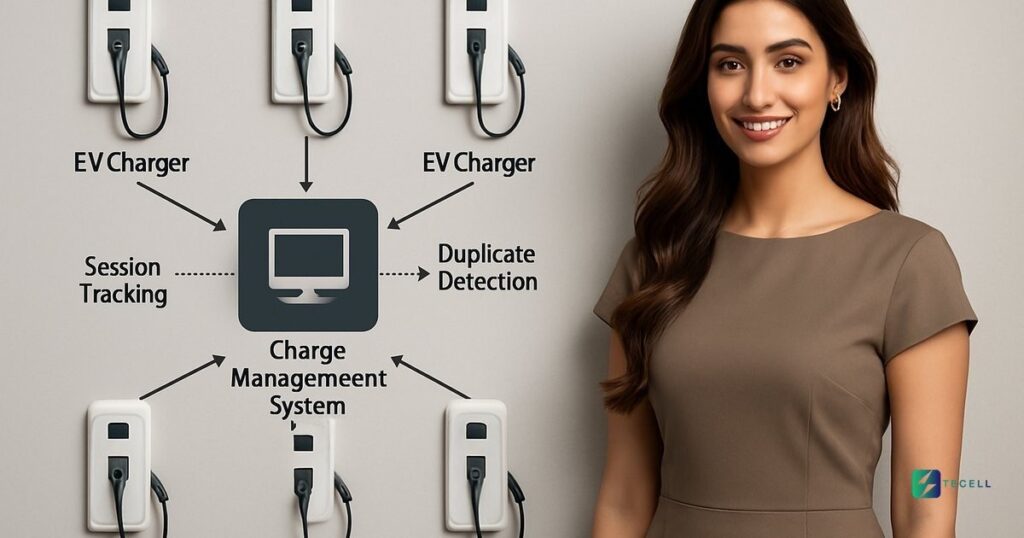
Explore how edge-AI enables real-time thermal monitoring in EV charging networks, combining sensor fusion, predictive algorithms, and OCPP 2.0.1 integration for safer, more efficient operations.
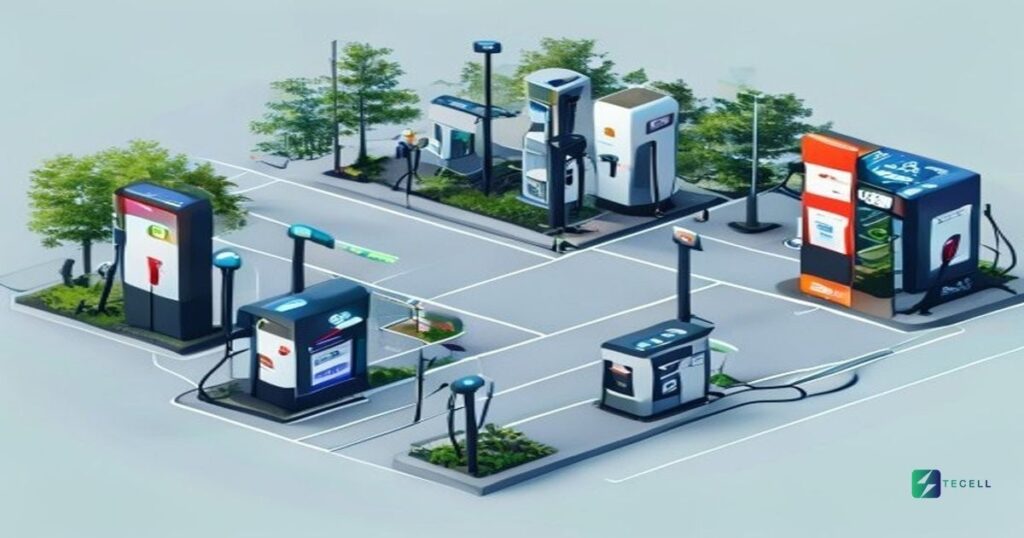
Explore how Saha-Edge and ChargeSphere enable real-time load forecasting in EV charging networks, combining edge computing with intelligent software for efficient energy management.
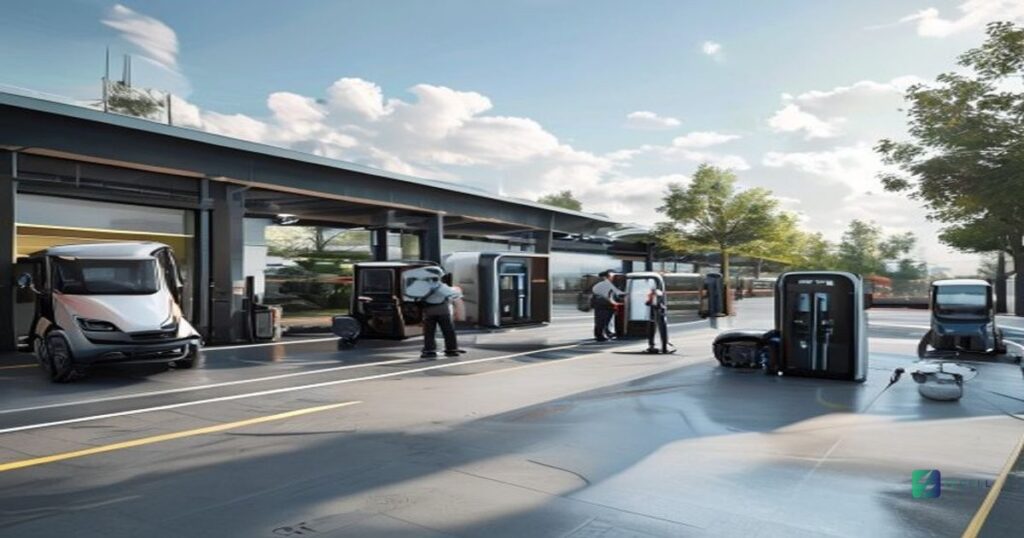
Saha-Edge enables real-time cross-protocol dynamic battery swapping optimization in urban delivery networks, using localized intelligence and predictive modeling.
A CCS connector can be used with a Type 2 charging station when the station supports dual plug compatibility, enabling flexible power delivery and OCPP 2.0.1 communication without cloud dependency.

Saha-Edge’s edge-AI technology enables real-time thermal monitoring and predictive cooling in multi-charger networks, ensuring safe and efficient EV charging operations.
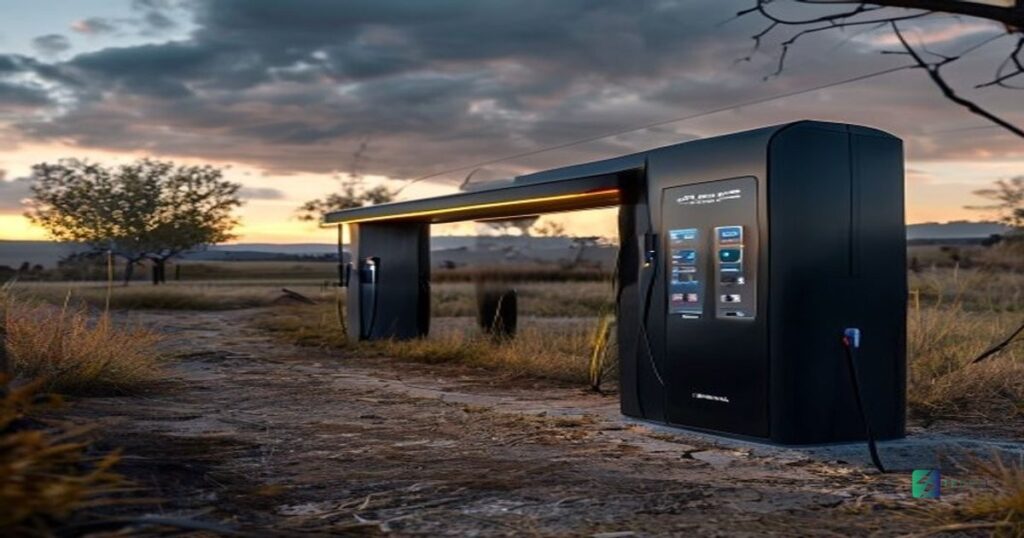
UnityCharge’s CMS enables decentralized fault diagnostics in multi-charger networks through OCPP 2.0.1 integration and Saha-Edge’s edge computing capabilities.

How UnityCharge’s CMS architecture enables decentralized energy optimization in EV bus depot charging networks without cloud dependency.
UnityCharge CMS enables decentralized energy accounting and ESG reporting in EV networks without cloud dependency, using OCPP 2.0.1 and Saha-Edge integration.
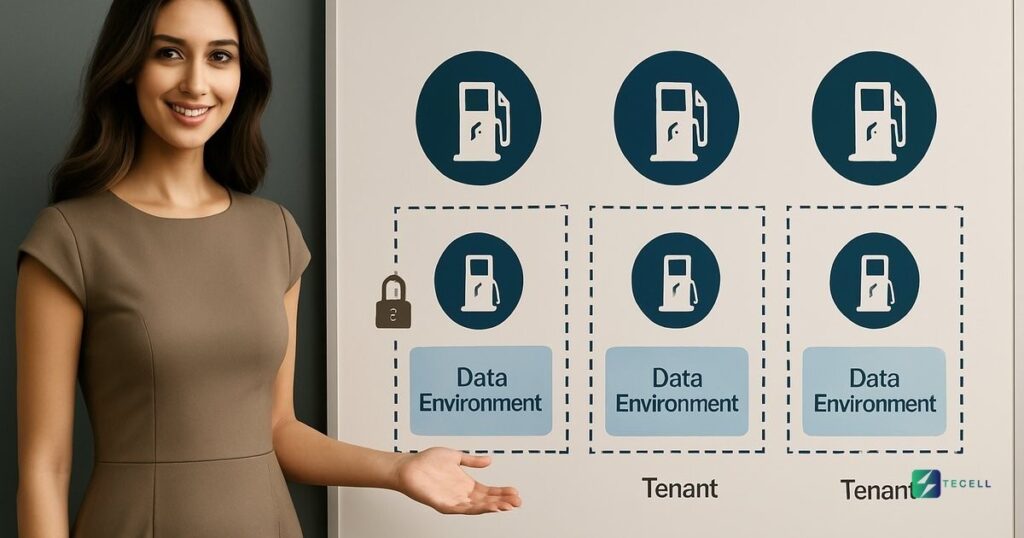
Explore how Saha-Edge enables real-time cross-protocol dynamic occupancy analytics in AC fast charging networks without cloud dependency.
Explore how OCPP 2.0.1 transaction encryption enables secure, privacy-compliant EV charging without cloud dependency.
Explore how Saha-Edge’s edge-AI enables real-time dynamic power conversion efficiency in multi-charger AC fast charging networks using localized harmonic filtering and reactive power management.
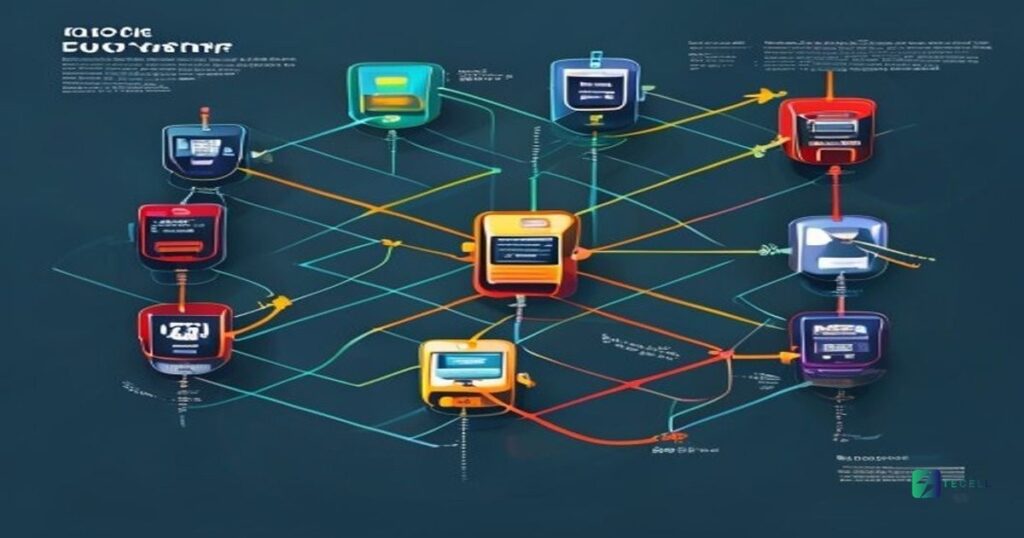
Saha-Edge’s edge-AI enables secure, real-time dynamic connector lock management without cloud dependency, enhancing operational resilience and security in multi-charger networks.
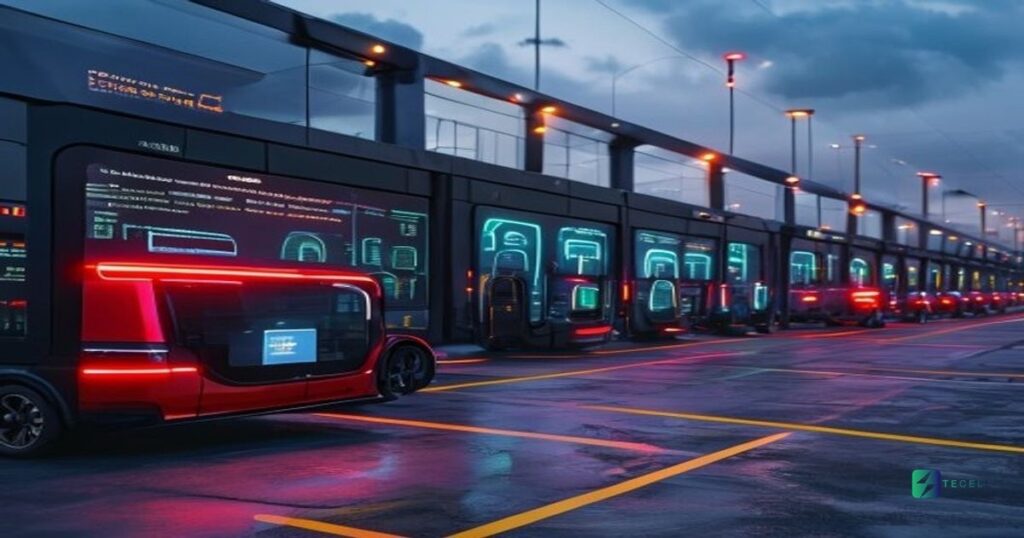
Explore how Saha-Edge’s edge AI enables real-time dynamic connector lock management, enhancing security and operational efficiency in multi-charger networks.
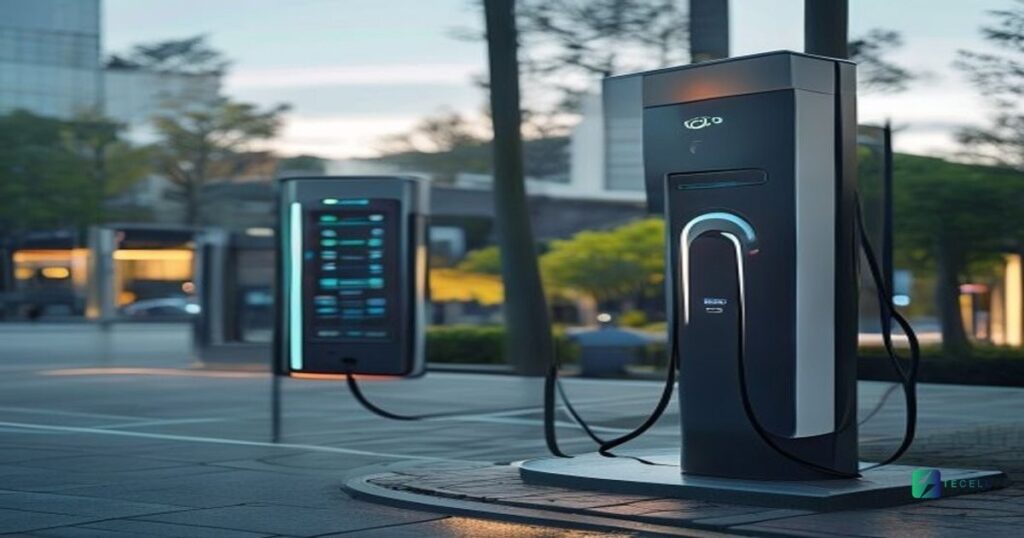
Saha-Edge enables real-time energy arbitrage in multi-charger electric bus depots through localized predictive forecasting and time-of-use tariff integration.

CHAdeMO connectors are incompatible with Tesla charging stations due to physical and communication protocol differences, preventing power delivery and OCPP 2.0.1 communication.
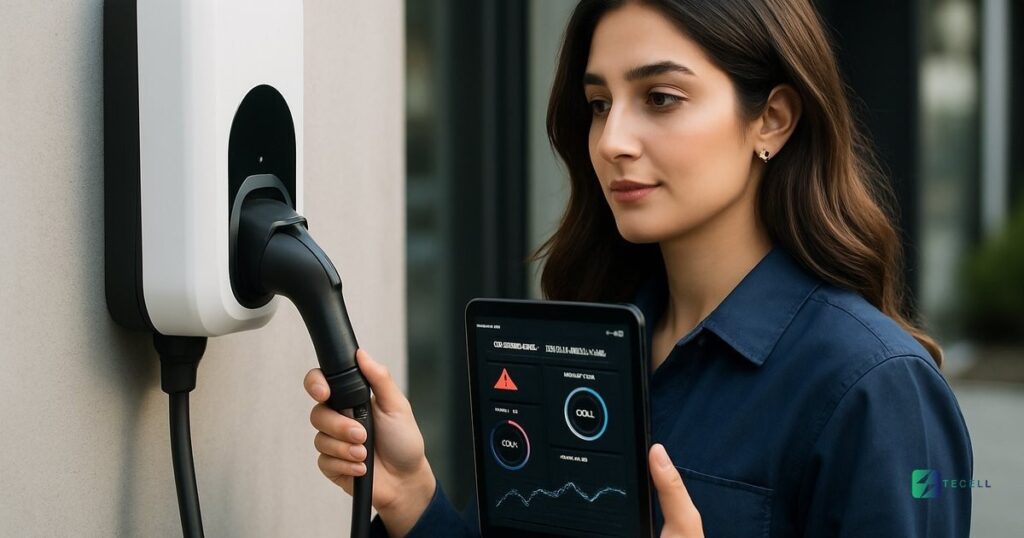
ChargeSphere’s OCPI 2.0 enables real-time billing reconciliation in remote areas with no internet and maintains PCI DSS compliance for payment data.
Explore how OCPP 2.0.1’s asynchronous messaging enhances EV charging resilience in low-connectivity environments through message queuing, retry logic, and local event buffering.
Explore how Saha-Edge’s edge-AI enables real-time coordination in EV charging networks, improving efficiency and resilience.
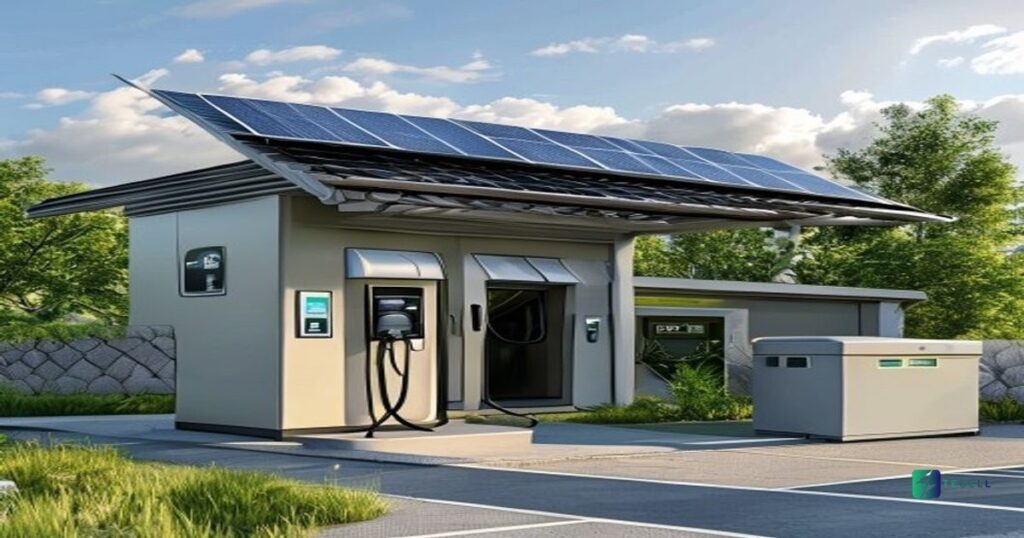
Explore how dynamic pricing in AC fast charging networks can optimize revenue and manage demand using OCPP 2.0.1 and Saha-Edge technologies.
Explore how Saha-Edge’s edge-AI enables real-time coordination in EV charging networks, integrating OCPP 2.0.1, renewable energy scheduling, and autonomous grid interaction.
Explore how Saha-Edge’s edge-AI enables real-time energy harvesting and storage coordination in solar-powered EV charging networks without cloud dependency.
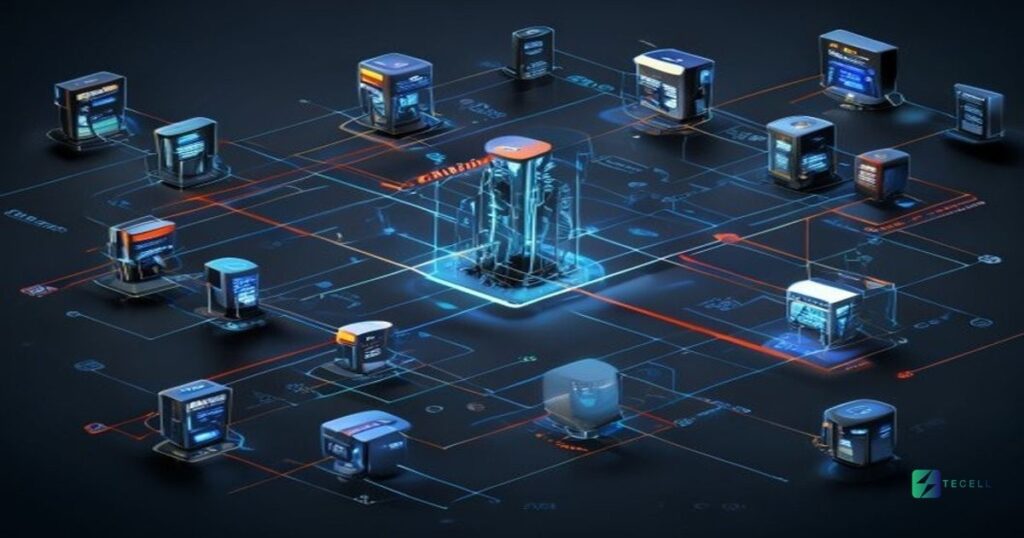
Yes, Level 3 and pedestal chargers can operate in the same network using OCPP 2.0.1 for session coordination without cloud dependency.

A Tesla connector can be used with a CCS charging station via an adapter, but it does not support full OCPP 2.0.1 communication without cloud dependency.

ChargeSphere’s OCPI 2.0 enables seamless cross-network roaming for EV fleets in remote areas with intermittent connectivity while maintaining real-time billing accuracy.
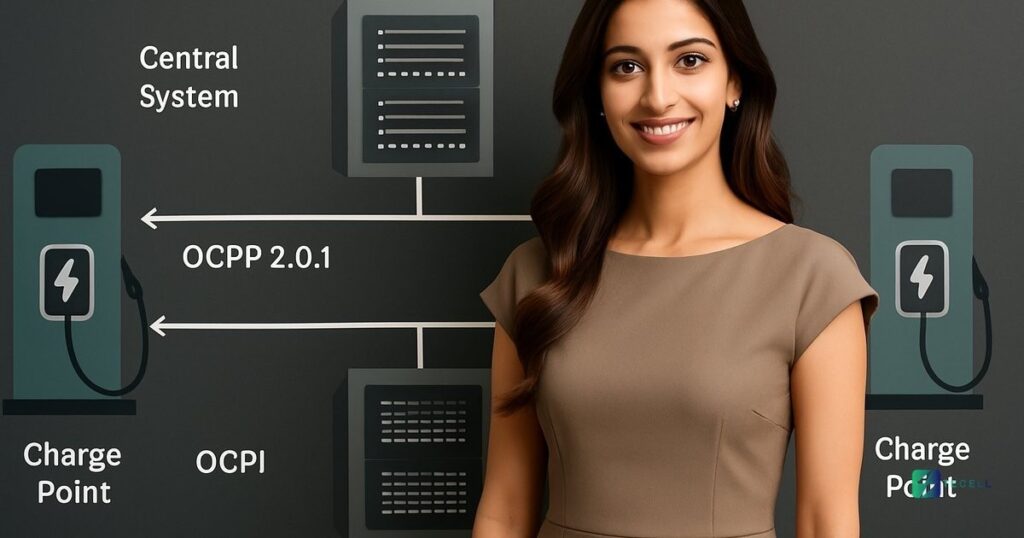
Explore how UnityCharge’s CMS enables decentralized session management and real-time authentication in off-grid EV charging networks without cloud dependency.
Explore how Saha-Edge’s edge-AI enables real-time dynamic connector health monitoring in multi-charger networks without cloud dependency.
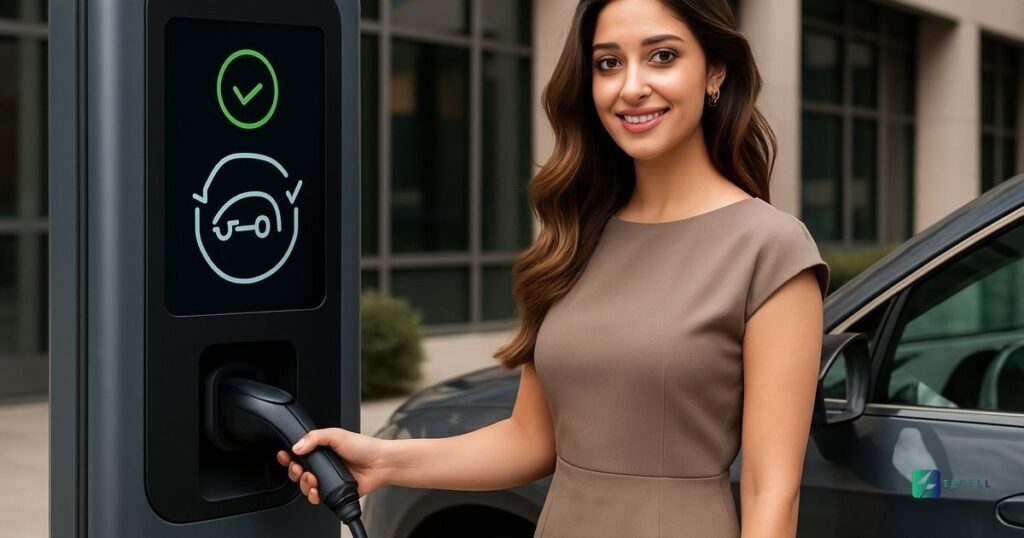
Explore how dynamic pricing in AC fast charging networks can optimize revenue through OCPP 2.0.1 and Saha-Edge’s edge-AI capabilities.
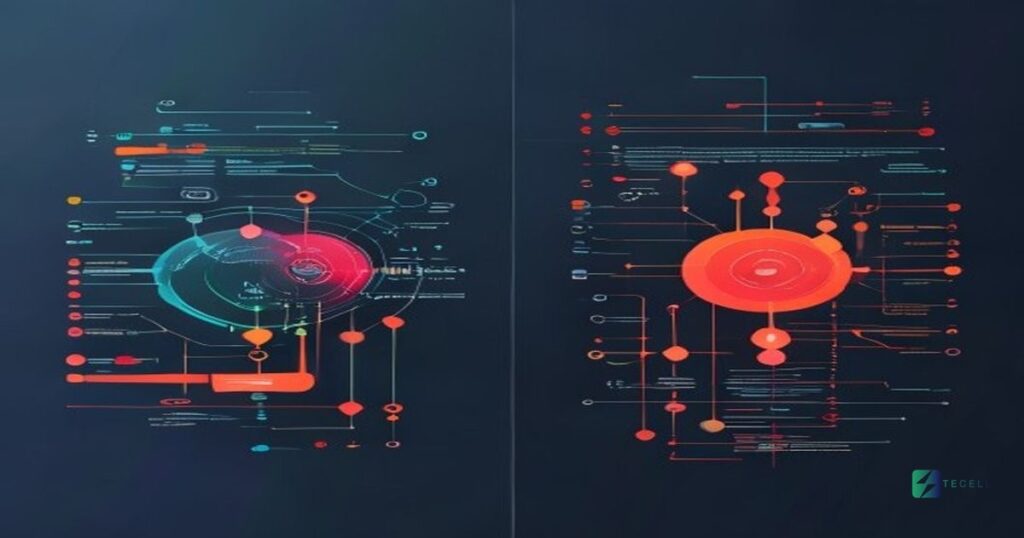
A CCS1 connector cannot be used with a CCS2 charging station due to physical and communication incompatibilities.
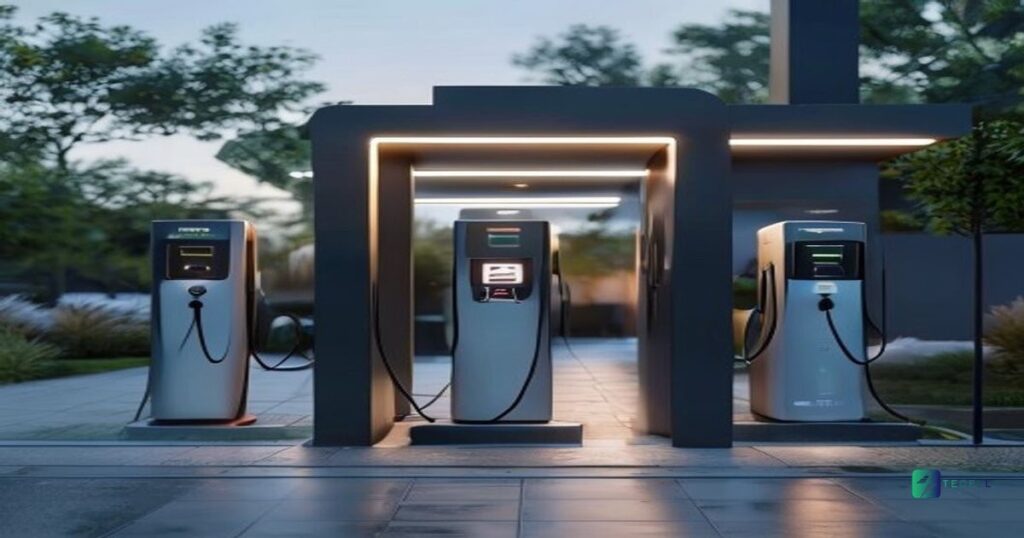
A Level 2 charger and portable charger can operate in the same station without OCPP 2.0.1, but Plug & Charge compliance is not maintained.
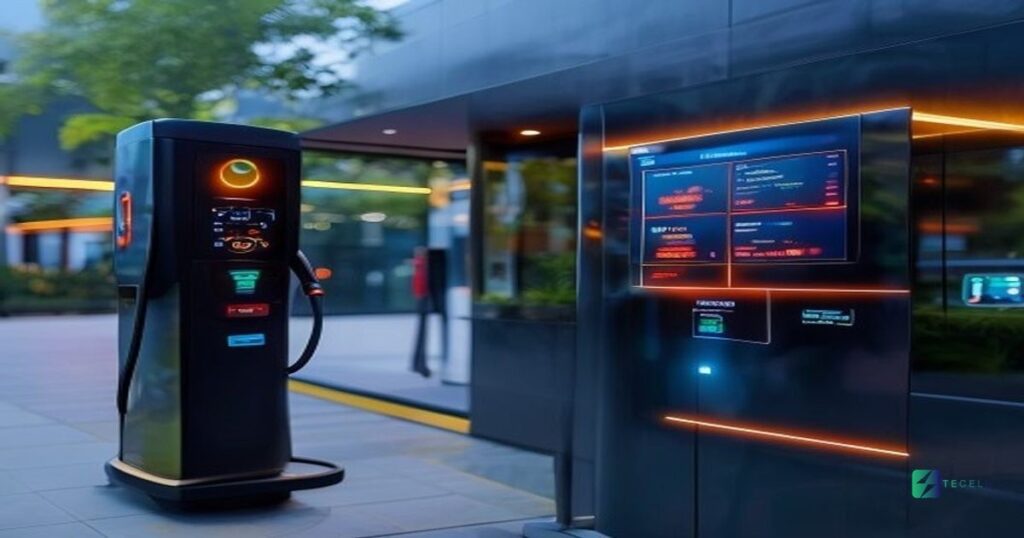
Explore how Saha-Edge and ChargeSphere enable real-time cross-protocol dynamic firmware update orchestration in EV charging networks, ensuring secure, efficient, and localized updates.
A detailed comparison of CCS vs GB/T connector standards, focusing on physical design, power delivery, and compatibility in European and Chinese markets.

A detailed comparison of DC fast charging and AC charging power delivery capabilities, including speed, efficiency, grid impact, and real-world deployment using OCPP 2.0.1 and Saha-Edge integration.
Explore how Hardware Security Modules (HSMs) and TPM 2.0 integration in Saha-Edge enable secure, offline firmware updates for EV chargers without cloud dependency.
Saha-Edge’s edge-AI enables secure, offline firmware updates for EV chargers using local validation and cryptographic protocols while maintaining ISO/IEC 15118 compliance.
A detailed comparison of CCS vs CHAdeMO connector standards, focusing on power delivery, compatibility, and real-world deployment in EV charging infrastructure.
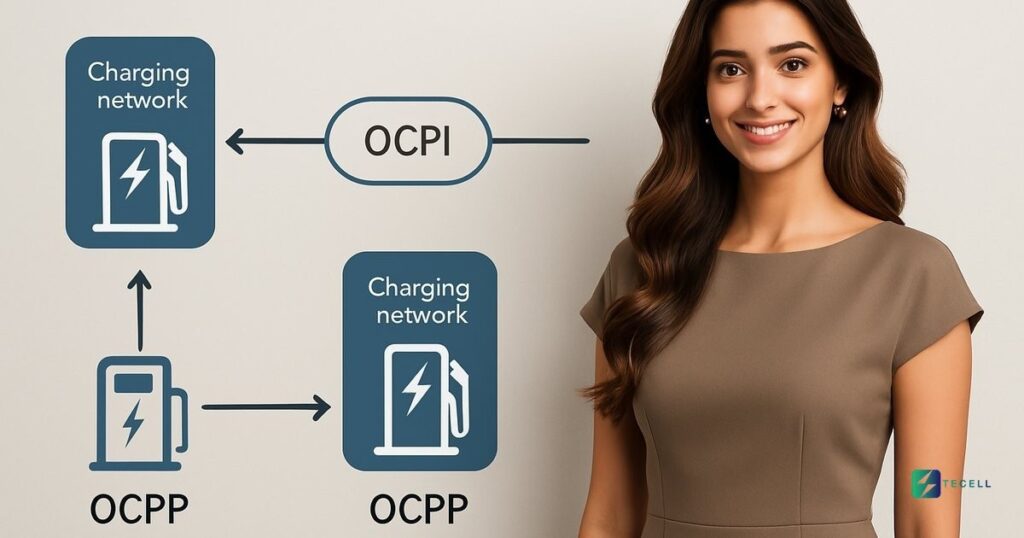
This post compares OCPP 1.6 and OCPP 2.0.1 for real-time monitoring and analytics in multi-site EV charging networks, especially in offline scenarios.
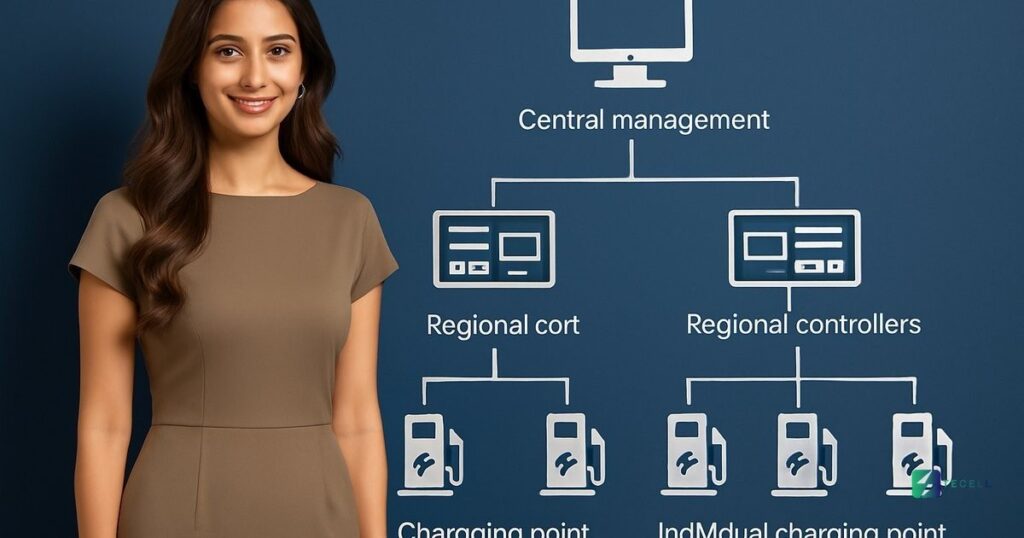
A deep dive into how OCPP 1.6 and OCPP 2.0.1 handle dynamic power scheduling in fast-charging networks, with insights from real-world deployments.