
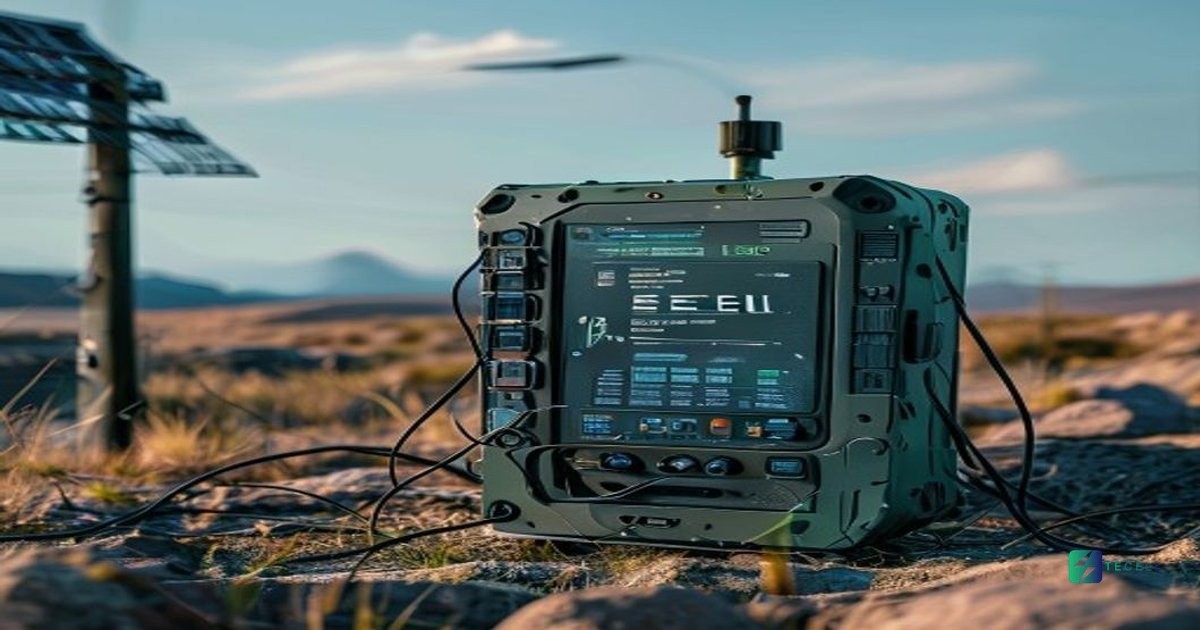
Understanding Real-Time Cybersecurity in EV Charging Networks
Modern electric vehicle charging networks face increasing cybersecurity threats. These systems must protect not only data but also physical infrastructure. The challenge becomes even more complex when managing multiple chargers across different protocols and locations. Saha-Edge addresses this by enabling localized, real-time threat detection without relying on cloud connectivity.
This approach ensures that even in environments with limited or intermittent internet access, charging stations can still respond to security incidents. It’s particularly valuable for fleet operators, utilities, and infrastructure providers who manage distributed networks.
By embedding AI-driven anomaly recognition directly into edge devices, Saha-Edge creates a robust defense layer that operates independently of centralized systems. This method reduces latency and increases resilience against attacks targeting communication channels.
For example, a logistics company managing 40 electric vehicles across multiple depots might experience network outages during peak hours. With Saha-Edge, each charger continues to monitor for suspicious behavior and respond immediately, ensuring no compromise occurs even when connectivity is lost.
Localized Anomaly Recognition with Edge-AI
Edge-AI in Saha-Edge allows each charging station to analyze incoming data streams locally. This includes monitoring for unusual patterns in communication, transaction logs, or device behavior. The system uses machine learning models trained to detect deviations from normal operations.
These models are designed to recognize behaviors that may indicate a cyberattack, such as repeated failed authentication attempts or unexpected data flows. Because the analysis happens at the edge, there’s no delay in response time due to network latency.
For instance, if a charger suddenly starts sending malformed OCPP messages or attempting to connect to unauthorized endpoints, the local AI will flag this activity immediately. The system can then trigger alerts or block further access before any damage occurs.
This capability is especially important for public charging networks where devices are often exposed to uncontrolled environments. It provides a proactive defense mechanism that doesn’t depend on external systems or delayed reporting.
Zero-Trust Authentication at the Point of Entry
Zero-trust architecture assumes no implicit trust within a network. Every interaction must be verified and authenticated before proceeding. Saha-Edge implements this principle by enforcing strict identity checks at every point of entry into the charging infrastructure.
Each device, whether a vehicle, operator, or service provider, must prove its identity through secure channels. This includes validating credentials, checking digital certificates, and ensuring compliance with established protocols like ISO 15118.
When a new device attempts to connect, Saha-Edge verifies its authenticity using cryptographic methods. If the verification fails, the connection is denied, and an alert is generated. This prevents unauthorized access even if someone gains physical access to a charging station.
For a utility company deploying hundreds of chargers across a city, this ensures that only verified devices can interact with the network. It also helps maintain compliance with regulatory standards that require strong authentication mechanisms.
OCPP 2.0.1 Integration and Protocol Handling
OCPP 2.0.1 is the latest version of the Open Charge Point Protocol, which governs communication between charging stations and backend systems. Saha-Edge supports this protocol natively, allowing seamless integration with existing CMS platforms like UnityCharge.
The platform handles multiple communication channels and protocols simultaneously. This means that even if one protocol fails or becomes compromised, others can continue operating normally. The system also supports secure over-the-air updates, ensuring that all devices stay current with the latest security patches.
For example, a CPO managing a network of 100 chargers using OCPP 2.0.1 can rely on Saha-Edge to maintain consistent communication while applying real-time security measures. If a vulnerability is discovered in one part of the system, the edge platform can isolate affected components and apply mitigations without disrupting the entire network.
This flexibility is essential for large-scale deployments where downtime or miscommunication could impact thousands of users. Saha-Edge ensures that even complex multi-protocol environments remain secure and functional.
ISO 15118 Compliance and Secure Charging
ISO 15118 is a global standard for secure communication between electric vehicles and charging stations. It defines how vehicles authenticate themselves and exchange payment information securely. Saha-Edge ensures full compliance with this standard, enabling secure, interoperable charging experiences.
By integrating ISO 15118 into its edge computing framework, Saha-Edge allows charging stations to handle transactions safely, even in environments where traditional payment systems might be unavailable. This is particularly useful for off-grid or rural installations.
For instance, a fleet operator using electric trucks in remote areas can rely on Saha-Edge to ensure that each vehicle communicates securely with the charging infrastructure. The system handles all aspects of authentication, encryption, and transaction validation without requiring constant cloud connectivity.
This compliance also supports broader interoperability across different charging networks. Vehicles can charge at any compliant station, knowing that their data and payment information are protected throughout the process.
ChargeSphere Integration for Unified Management
ChargeSphere serves as the roaming and interoperability platform that connects charging networks, mobility service providers, and payment ecosystems. When integrated with Saha-Edge, it provides a unified view of security across the entire charging ecosystem.
This integration allows operators to monitor and manage security events from a centralized dashboard. It also enables automated responses to threats, such as isolating compromised devices or alerting relevant stakeholders.
For example, a utility company managing both public and private charging networks can use ChargeSphere to track security incidents across all locations. If a threat is detected in one area, the system can automatically adjust settings in nearby stations to prevent escalation.
The combination of Saha-Edge and ChargeSphere creates a powerful defense system that spans both local and global levels. This dual-layer approach ensures that threats are identified and addressed quickly, regardless of their origin or scope.
Benefits of Localized Cybersecurity for Charging Networks
Deploying localized cybersecurity through Saha-Edge offers several key advantages. First, it reduces dependency on cloud infrastructure, which is critical in areas with unreliable internet access. Second, it minimizes response times to security incidents, as decisions are made at the point of occurrence.
Third, it enhances privacy by keeping sensitive data local. This is especially important for enterprise and fleet operators who handle confidential information about their operations and users. Finally, it improves overall system reliability by creating redundant layers of protection.
For a large commercial building with multiple charging stations, this means that even if the main network experiences issues, individual chargers can continue to operate securely. This resilience is vital for maintaining user confidence and ensuring consistent service delivery.
Real-World Application: Fleet Charging Scenario
A logistics company managing 40 electric vehicles across multiple depots faces unique challenges in maintaining secure and efficient charging operations. Each depot has varying network conditions, and some locations may experience frequent outages.
With Saha-Edge, the company can ensure that each charging station operates independently, detecting and responding to threats in real time. If a device is compromised, the system isolates it immediately, preventing further damage to the network.
The company also benefits from centralized monitoring through ChargeSphere, which allows them to track security events and respond quickly to any issues. This hybrid approach ensures both local resilience and global oversight.
By implementing this solution, the logistics company reduces the risk of service disruptions and maintains compliance with industry standards. It also demonstrates a commitment to cybersecurity that enhances trust with customers and partners.
Conclusion: Strengthening EV Charging Security Through Edge Intelligence
Saha-Edge’s edge-AI capabilities represent a significant advancement in cybersecurity for electric vehicle charging networks. By enabling real-time threat detection and response without cloud dependency, it addresses critical vulnerabilities in distributed systems.
The platform’s support for OCPP 2.0.1, ISO 15118, and integration with ChargeSphere creates a comprehensive security framework that adapts to modern challenges. This approach not only protects infrastructure but also enhances user confidence in the charging experience.
As EV adoption grows, so does the need for robust, intelligent security solutions. Saha-Edge provides the foundation for secure, scalable charging networks that can operate reliably in any environment.
Organizations looking to deploy or upgrade their charging infrastructure should consider how edge-based security can improve both performance and safety. It’s not just about protecting data—it’s about ensuring that every charge is safe, secure, and efficient.
Related Reading
For more on related topics, see: Edge-Cloud Co-Design for Smart Charging: Reducing Latency and Improving Load Balancing.
📣 Join our Telegram channel for EV charging technology insights and product updates.
Also find us on: LinkedIn · X · Bluesky · Mastodon · DEV.to.