
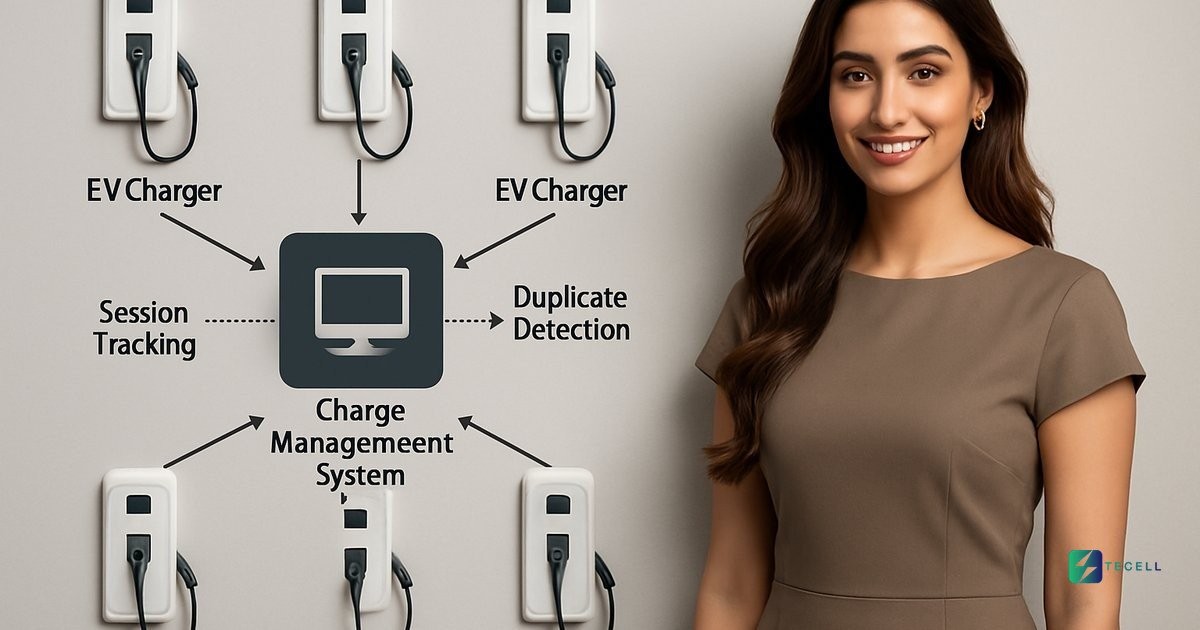
Understanding Edge-AI for Real-Time Cross-Protocol Dynamic Connector Temperature Monitoring
Real-time cross-protocol dynamic connector temperature monitoring is a critical capability in modern EV charging networks. It ensures safe and efficient operation by tracking heat buildup in charging connectors. This process relies heavily on edge-AI technologies, which enable localized processing and decision-making without requiring constant cloud connectivity. The integration of AI with hardware sensors allows for predictive thermal management, reducing the risk of overheating and improving overall system reliability.
For charge point operators managing multiple chargers, this technology is essential. It provides the ability to monitor and respond to thermal conditions in real time, even when network connectivity is limited. This is particularly important in remote or high-density installations where traditional cloud-based systems may not be feasible.
Edge-AI systems like those found in Tecell’s Saha-Edge platform combine localized heat dissipation modeling with predictive cooling algorithms. These systems can detect anomalies before they become critical, allowing for proactive maintenance and operational adjustments. The result is a more resilient and efficient charging infrastructure.
By leveraging OCPP 2.0.1 integration, these systems ensure compatibility with a wide range of charging stations and management platforms. This interoperability is key for operators who manage diverse networks, as it allows for seamless data exchange and centralized control without sacrificing local intelligence.
How Edge-AI Enables Localized Heat Dissipation Modeling
Localized heat dissipation modeling is a core component of edge-AI systems in EV charging. It involves creating detailed thermal profiles for individual connectors and chargers based on real-time sensor data. These models help predict how heat will spread and dissipate under various operating conditions.
For example, a logistics company managing 40 electric vehicles may experience varying load profiles throughout the day. Edge-AI systems can model how each charger will respond to these loads, identifying potential hotspots before they occur. This allows operators to adjust charging schedules or reduce load to prevent thermal stress.
The modeling process uses historical data and current sensor inputs to refine predictions continuously. This adaptive approach ensures that the system becomes more accurate over time, improving its ability to prevent thermal issues.
By processing this data locally, edge-AI systems avoid the latency and bandwidth constraints of cloud-based solutions. This is especially important in environments where network reliability is inconsistent or where real-time responses are critical for safety.
Predictive Cooling Algorithms in Multi-Charger Networks
Predictive cooling algorithms are designed to anticipate thermal events and respond proactively. These algorithms analyze patterns in temperature data, charging load, and environmental conditions to determine when cooling measures should be initiated.
In a multi-charger network, predictive cooling can be particularly effective. For instance, if one charger is operating at a high load and showing signs of rising temperature, the system can automatically reduce its output or activate cooling fans before the connector reaches a dangerous threshold.
These algorithms are trained using machine learning models that learn from past performance. As more data is collected, the system becomes better at predicting when and how to intervene. This leads to fewer thermal-related shutdowns and improved uptime for charging stations.
By integrating these algorithms with OCPP 2.0.1, operators can ensure that cooling actions are coordinated across the network. This prevents isolated responses that might lead to imbalances or inefficiencies in the overall system.
OCPP 2.0.1 Integration for Seamless Cross-Protocol Monitoring
OCPP 2.0.1 integration is essential for enabling cross-protocol monitoring in EV charging networks. This version of the Open Charge Point Protocol supports more advanced features, including real-time data exchange and enhanced security protocols.
With OCPP 2.0.1, edge-AI systems can communicate directly with charging stations and management platforms. This allows for immediate action based on thermal data, without relying on cloud servers. It also ensures that all components in the network are aligned in their understanding of operational parameters.
For operators managing a mix of charging hardware, OCPP 2.0.1 provides a standardized way to access and control different systems. This is especially valuable in large-scale deployments where interoperability is a key concern.
The protocol also supports secure communication, which is critical when handling sensitive operational data. This ensures that thermal monitoring and control actions are protected from unauthorized access or interference.
Hardware Sensor Fusion for Accurate Thermal Monitoring
Hardware sensor fusion combines data from multiple types of sensors to create a more comprehensive picture of thermal conditions. This includes temperature sensors, current sensors, and voltage sensors, all working together to provide accurate readings.
For example, a sensor fusion system might detect a sudden spike in current while temperature remains stable. This could indicate a potential issue with the charging cable or connector, even if the overall system isn’t overheating. By combining these signals, the system can identify subtle problems that might otherwise go unnoticed.
Edge-AI systems process this fused data in real time, allowing for immediate responses. This is particularly useful in high-traffic charging environments where quick reactions are necessary to maintain safety and efficiency.
The integration of sensor fusion with AI algorithms enhances the accuracy of thermal predictions. It also reduces false positives, which can lead to unnecessary interventions or system downtime.
AI-Powered Thermal Forecasting for Proactive Management
AI-powered thermal forecasting uses machine learning models to predict future thermal conditions based on historical data and current inputs. This allows operators to prepare for potential issues before they occur.
For instance, if a charging station is expected to handle a high load during peak hours, the system can forecast how the connector will respond. If the forecast indicates a risk of overheating, the system can pre-emptively adjust the charging rate or schedule maintenance.
This forecasting capability is especially valuable in fleet operations, where vehicles are charged at specific times and under predictable conditions. Operators can use this information to optimize charging schedules and reduce the risk of thermal-related failures.
By combining forecasting with real-time monitoring, edge-AI systems provide a complete solution for thermal management. This dual approach ensures that both immediate and future risks are addressed effectively.
ISO 15118 Compliance and Its Role in Thermal Monitoring
ISO 15118 compliance ensures that EV charging systems meet international standards for communication and safety. This is particularly important in thermal monitoring, as it guarantees that systems can exchange data reliably and securely.
When a system is ISO 15118 compliant, it can communicate with vehicles and charging infrastructure using standardized protocols. This ensures that thermal data is interpreted consistently across different devices and platforms.
For operators, this compliance means that their thermal monitoring systems are compatible with a wide range of EVs and charging stations. It also provides a level of assurance that safety standards are being met, which is critical in public and commercial installations.
By integrating ISO 15118 compliance with edge-AI technologies, operators can ensure that their systems are both advanced and reliable. This combination supports long-term scalability and adaptability to future standards.
Real-World Application: A Logistics Company’s Charging Network
A logistics company managing 40 electric vehicles faces unique challenges in maintaining their charging infrastructure. With vehicles charging at different times and under varying loads, thermal management becomes a critical concern.
By implementing edge-AI for real-time cross-protocol dynamic connector temperature monitoring, the company can track each charger’s performance in real time. This allows them to identify and address thermal issues before they impact operations.
The system’s predictive cooling algorithms help maintain optimal charging speeds while preventing overheating. This ensures that vehicles are charged efficiently and safely, even during high-demand periods.
With OCPP 2.0.1 integration, the company can manage all chargers from a single platform. This centralized control, combined with localized intelligence, provides a robust solution for fleet charging operations.
Conclusion: The Future of Thermal Management in EV Charging
Edge-AI for real-time cross-protocol dynamic connector temperature monitoring is transforming how EV charging networks operate. By combining localized processing, predictive algorithms, and standardized protocols, these systems offer a powerful solution for thermal management.
Operators benefit from improved safety, reduced downtime, and more efficient operations. As EV adoption continues to grow, the importance of intelligent thermal monitoring will only increase. Edge-AI technologies are at the forefront of this evolution, providing the tools needed to support scalable and reliable charging infrastructure.
With continued advancements in AI and sensor technology, the future of EV charging will be even more intelligent and responsive. These developments will further enhance the capabilities of systems like Saha-Edge, making them indispensable for modern charging networks.
Related Reading
For more on related topics, see: Saha-Edge AI Load Forecasting Without Cloud.
📣 Join our Telegram channel for EV charging technology insights and product updates.
Also find us on: LinkedIn · X · Bluesky · Mastodon · DEV.to.