
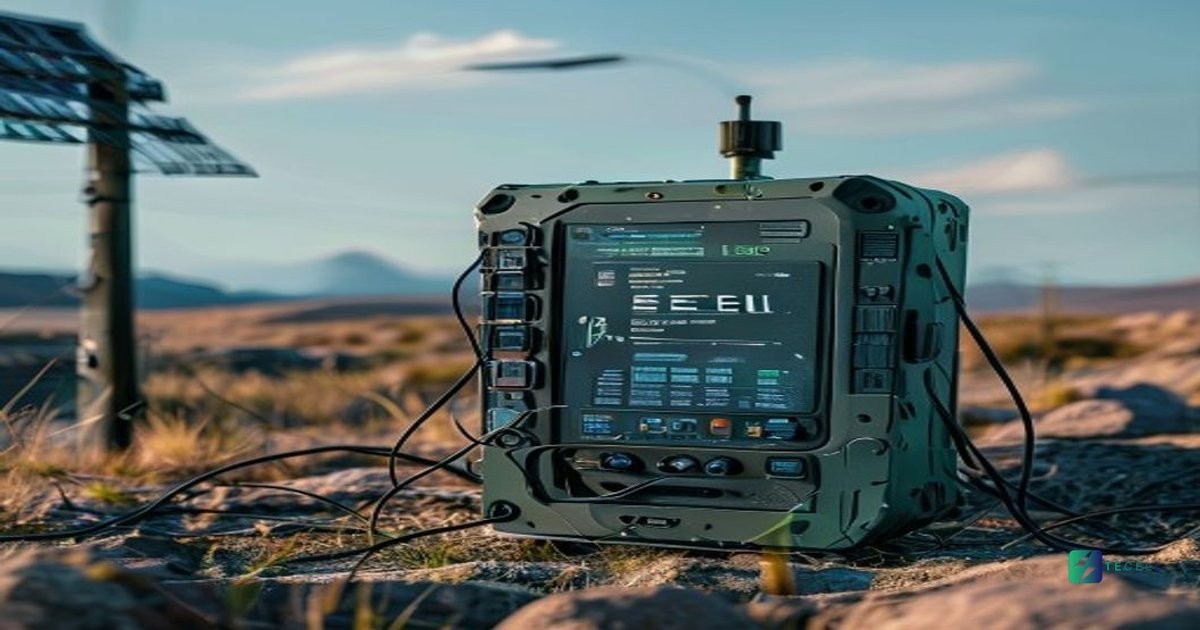
Saha-Edge can indeed support real-time AI-powered load forecasting for DC fast chargers in remote locations without continuous cloud connectivity. The platform’s edge computing architecture processes data locally, enabling intelligent decision-making and predictive analytics even when offline.
How Saha-Edge Processes Data Locally
The platform uses on-device AI models that are trained and deployed directly onto edge hardware. These models continuously analyze charging patterns, vehicle demand signals, and environmental factors to predict load requirements. The system stores historical data locally and updates its forecasts based on recent usage trends.
This local processing ensures that charging operations remain efficient and responsive, even in areas with unreliable internet access. The edge devices can make immediate adjustments to power distribution and prioritize charging sessions based on forecasted demand.
By maintaining a compact set of trained models on-site, Saha-Edge avoids the latency and dependency issues associated with cloud-based processing. This approach also reduces bandwidth usage and ensures compliance with data privacy regulations that limit data transmission.
Practical Implications for Fleet and Commercial Charging
For fleet operators managing multiple DC chargers across remote sites, this capability means consistent performance without relying on stable network connections. The system can dynamically adjust charging speeds and allocate power among vehicles based on predicted demand.
Commercial charging networks benefit from reduced operational overhead, as the platform minimizes the need for manual intervention or cloud-based monitoring. Operators can maintain high availability and optimize energy consumption even in challenging environments.
Enterprise deployments in rural or off-grid locations see improved reliability and cost efficiency. The ability to forecast and manage load in real time helps prevent overloading and ensures optimal use of available power resources.
Related Reading
For more on related topics, see: Edge-Cloud Co-Design for Smart Charging: Reducing Latency and Improving Load Balancing.
Further reading: The Future of EV Charging: Trends to Watch in 2025 | Tecell CMS Blog
📣 Join our Telegram channel for EV charging technology insights and product updates.
Also find us on: LinkedIn · X · Bluesky · Mastodon · DEV.to.