
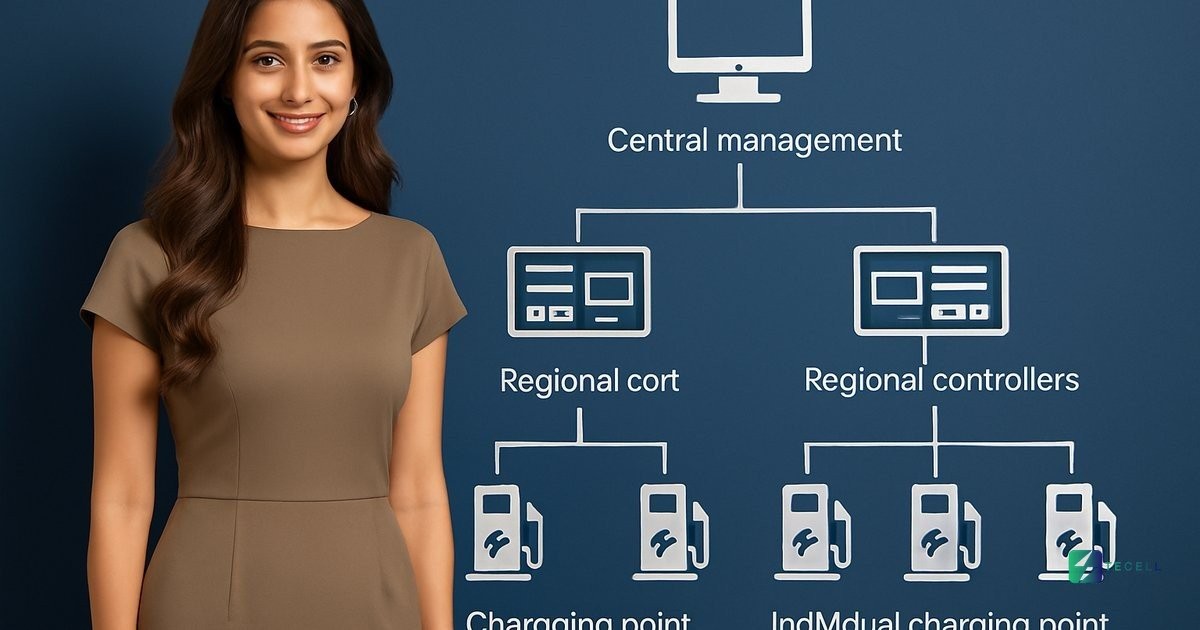
Understanding OCPP 1.6 vs OCPP 2.0.1 for Dynamic Power Scheduling
When managing fast charging networks, the choice between OCPP 1.6 and OCPP 2.0.1 can significantly affect how effectively a system handles real-time dynamic power scheduling. This is especially true in multi-charger AC fast charging environments where energy optimization and load balancing are critical. The differences in protocol capabilities shape how efficiently a network can respond to fluctuating power demands and integrate with local energy systems.
OCPP 1.6, while widely adopted, has limitations in handling complex scheduling tasks. It provides basic support for power control but lacks the advanced features needed for dynamic adjustments in real time. In contrast, OCPP 2.0.1 introduces enhanced capabilities that allow for more granular control over charging sessions and better integration with edge computing platforms like Saha-Edge.
For operators managing large-scale deployments, understanding these protocol differences is essential. It determines whether their systems can scale effectively and maintain performance under varying load conditions. The right protocol choice can mean the difference between a responsive, efficient charging network and one that struggles with capacity and responsiveness.
Key Protocol Differences in Power Scheduling
OCPP 1.6 was designed for simpler charging environments and offers limited support for dynamic power adjustments. It uses a fixed set of commands and messages that do not easily accommodate real-time changes in energy availability or demand. This can lead to inefficiencies when multiple chargers are operating simultaneously.
OCPP 2.0.1, however, introduces a more flexible architecture. It supports advanced features such as dynamic power control, which allows for real-time adjustments based on grid conditions or local energy constraints. These improvements make it better suited for environments where energy management is a priority.
One major advantage of OCPP 2.0.1 is its ability to handle multiple charging stations with varying power levels. It enables operators to set specific limits per station and adjust them dynamically. This level of control is crucial for optimizing energy use and preventing overloads in fast-charging setups.
How Saha-Edge Enhances OCPP 2.0.1 Capabilities
Saha-Edge plays a pivotal role in maximizing the potential of OCPP 2.0.1. By enabling local control and offline operation, it ensures that charging decisions can be made quickly without relying on cloud connectivity. This is particularly important in remote or low-bandwidth areas where network reliability is a concern.
The platform supports AI-powered automation, allowing for predictive adjustments based on historical usage patterns. It also integrates seamlessly with on-site energy systems, such as solar panels or battery storage units. This integration helps optimize energy consumption and reduces reliance on the main grid.
With Saha-Edge, operators can implement smart charging strategies that respond to real-time data. For example, during peak hours, the system can reduce power to non-critical chargers while maintaining priority for high-demand vehicles. This kind of intelligent load management is made possible through the enhanced communication capabilities of OCPP 2.0.1.
ChargeSphere Integration for Roaming and Interoperability
ChargeSphere complements OCPP 2.0.1 by providing an open roaming platform that connects charging networks, mobility service providers, and payment ecosystems. This interoperability is essential for large-scale deployments where multiple operators are involved.
When combined with Saha-Edge, ChargeSphere enables a fully integrated solution that supports both local and remote operations. This means that even if a network is offline, it can still function effectively using local intelligence. At the same time, it can connect to broader networks when connectivity is restored.
For fleet operators, this integration ensures that charging sessions are managed consistently across different networks. It also simplifies billing and user experience, as the system can automatically adjust to available power and charging policies.
Real-World Scenario: Logistics Company with 40 Electric Vehicles
A logistics company managing 40 electric vehicles faces a complex challenge in maintaining consistent charging schedules. With a mix of AC and DC fast chargers, the company must balance energy consumption across multiple stations while ensuring vehicles are ready for their next trip.
Using OCPP 2.0.1 with Saha-Edge, the company can dynamically adjust power distribution based on real-time grid conditions. During off-peak hours, it can charge at full capacity. When demand increases, the system automatically reduces power to some chargers to prevent overloading.
ChargeSphere ensures that this setup works seamlessly across different charging networks. The company can manage all vehicles from a single interface, regardless of which network they’re using. This level of control and integration is only possible with the right protocol and platform combination.
Energy Optimization Strategies Using OCPP 2.0.1
Energy optimization in fast-charging networks requires a multi-layered approach. OCPP 2.0.1 supports this by offering granular control over charging parameters. Operators can define rules that prioritize certain vehicles or adjust power based on energy availability.
One effective strategy involves using predictive analytics to anticipate demand. By analyzing past usage patterns, the system can pre-allocate power to high-priority vehicles. This reduces wait times and improves overall efficiency.
Another approach is to integrate with renewable energy sources. When solar or wind power is abundant, the system can increase charging rates. Conversely, during low production periods, it can reduce power to conserve energy. This dynamic response is made possible by the enhanced communication features of OCPP 2.0.1.
Challenges in Implementing OCPP 2.0.1
Despite its advantages, implementing OCPP 2.0.1 can be complex. Older systems may not support all the new features, requiring upgrades or replacements. Operators must also ensure that their infrastructure can handle the increased data flow and processing demands.
Training staff on the new protocol is another challenge. The enhanced capabilities of OCPP 2.0.1 require a deeper understanding of how to configure and manage the system. Without proper training, operators may not fully utilize the protocol’s potential.
Compatibility issues can also arise when integrating with third-party systems. Not all vendors support OCPP 2.0.1, which can limit flexibility. However, platforms like ChargeSphere help bridge these gaps by offering standardized interfaces.
Future-Proofing Charging Networks with OCPP 2.0.1
As the EV market continues to grow, charging networks must be prepared for increasing complexity. OCPP 2.0.1 provides a foundation for future scalability and adaptability. Its support for advanced features ensures that networks can evolve with changing technologies and demands.
With the rise of vehicle-to-grid (V2G) capabilities, OCPP 2.0.1’s flexibility becomes even more valuable. It allows for bidirectional energy flow, which can help stabilize the grid and provide additional revenue streams for operators.
By choosing OCPP 2.0.1, operators invest in a protocol that supports long-term growth. It ensures that their systems remain relevant and efficient as the industry develops new standards and practices.
Conclusion: Choosing the Right Protocol for Dynamic Power Scheduling
OCPP 1.6 and OCPP 2.0.1 differ significantly in their ability to support dynamic power scheduling in fast-charging networks. While OCPP 1.6 offers basic functionality, OCPP 2.0.1 provides the advanced features needed for real-time adjustments and energy optimization.
Integrating platforms like Saha-Edge and ChargeSphere enhances these capabilities, enabling operators to manage complex charging environments with greater efficiency. Real-world applications, such as fleet management, demonstrate the practical benefits of this approach.
For operators looking to build scalable and responsive charging networks, OCPP 2.0.1 is the preferred choice. It offers the flexibility and control necessary to meet the demands of modern EV infrastructure.
Related Reading
For more on related topics, see: OCPP 2.0.1 Load Balancing Across Charging Stations.
Further reading: EV Charging Energy Management | OCPP Smart Charging CMS | Tecell India
📣 Join our Telegram channel for EV charging technology insights and product updates.
Also find us on: LinkedIn · X · Bluesky · Mastodon · DEV.to.