
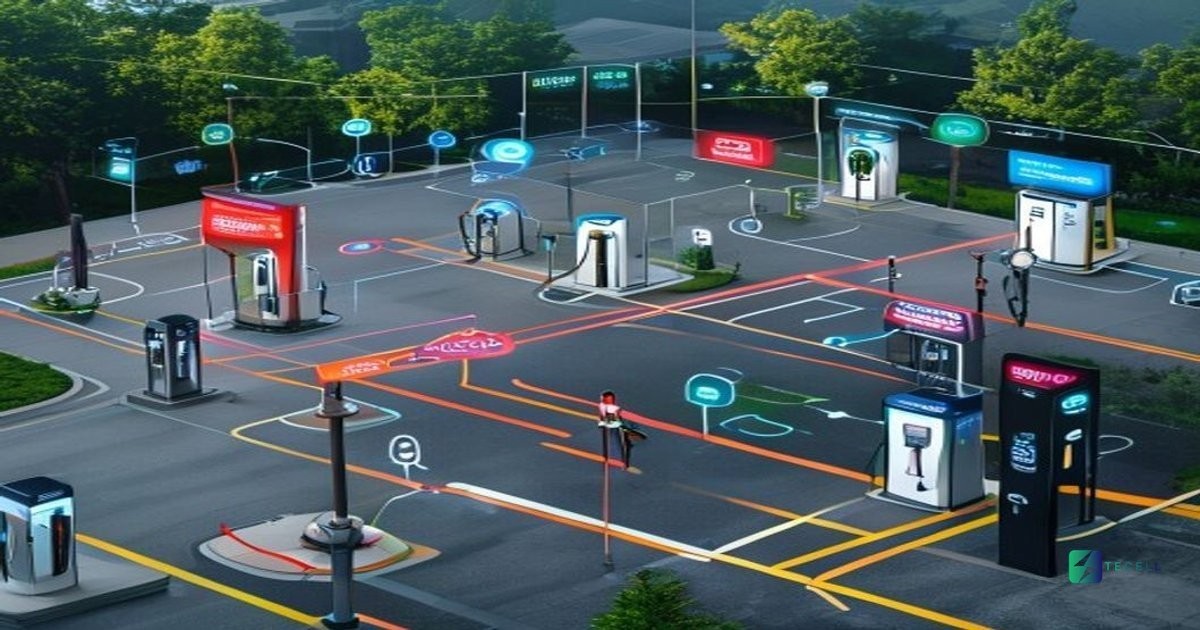
OCPP 2.0.1 enables real-time load balancing across multiple charging stations in a fleet environment by allowing the Central System to dynamically adjust power distribution based on live capacity and demand. It supports granular control through variable charging profiles and remote monitoring of individual station status. The protocol facilitates communication between charging stations and the backend CMS to optimize energy usage and prevent overloading. This capability is essential for managing diverse power capacities within a single network.
How OCPP 2.0.1 Enables Dynamic Power Management
The protocol introduces enhanced messaging capabilities that allow the Central System to send updated charging profiles to stations in real time. These profiles can modify power levels, start or stop charging sessions, and adjust charging rates based on grid conditions or operator preferences. Stations can report their current load and available capacity, enabling intelligent decision-making at the network level. This dynamic interaction ensures optimal utilization of available power without manual intervention.
Practical Application in Fleet Charging Environments
In a commercial fleet setting, OCPP 2.0.1 allows operators to balance charging loads across multiple stations even when they have different power ratings. For example, a fleet manager can prioritize high-priority vehicles during peak hours while reducing power to lower-priority units. The system can also respond to changes in electricity pricing or renewable energy availability by shifting charging times and power allocation. This flexibility supports both operational efficiency and cost savings for large-scale deployments.
Related Reading
For more on related topics, see: OCPP 2.0.1 Dynamic Power Adjustment During Session.
Further reading: EV Charging Energy Management | OCPP Smart Charging CMS | Tecell India
📣 Join our Telegram channel for EV charging technology insights and product updates.
Also find us on: LinkedIn · X · Bluesky · Mastodon · DEV.to.