Saha-Edge Dynamic Energy Arbitrage in Commercial Parking Networks
Saha-Edge enables real-time energy arbitrage in commercial parking networks through localized AI and predictive algorithms, without relying on cloud connectivity.
Charging stations, EVSE equipment, charging networks, CPO operations, installation guides, and infrastructure development.
Sample Topics:
Keywords: charging station, charger, EVSE, charging point, CPO, charging network
Saha-Edge enables real-time energy arbitrage in commercial parking networks through localized AI and predictive algorithms, without relying on cloud connectivity.

Saha-Edge enables real-time offline battery cooling optimization for electric vehicle fleets in remote locations using predictive thermal modeling while maintaining OCPP 2.0.1 compliance.
Talvix is Tecell’s marketplace for EV charging and energy infrastructure equipment and services (formerly Vendra). Sellers list free, buyers make structured offers, and both sides deal directly with no commission.
EV charging management software connects charging infrastructure to the operational tools businesses need for monitoring, session management, billing and reporting.
A charge point operator (CPO) manages EV charging infrastructure: commissioning chargers, keeping them usable, setting charging tariffs, handling transactions and
A commercial EV charging station in India should be designed around vehicle compatibility, parking duration, available electrical capacity and a
A DC fast charger supplies direct current to an EV’s battery, bypassing its onboard AC charger; businesses should select it
A Tesla connector cannot be used directly with a Type 2 charging station due to physical incompatibility, but hybrid solutions and OCPP 2.0.1 support can enable cross-connector functionality.
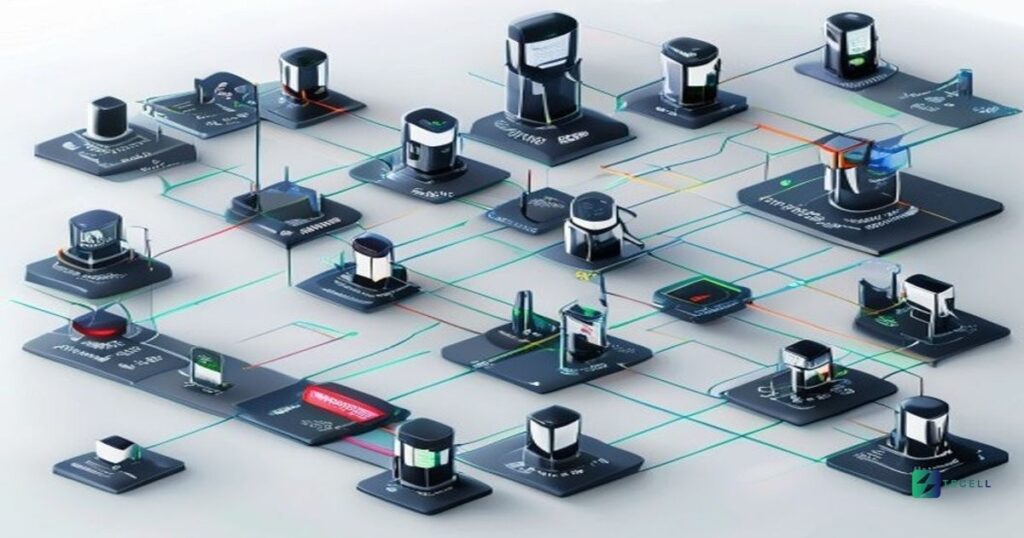
A Type 1 connector cannot be used directly with a CCS charging station without an adapter, which may limit power delivery and OCPP 2.0.1 communication.
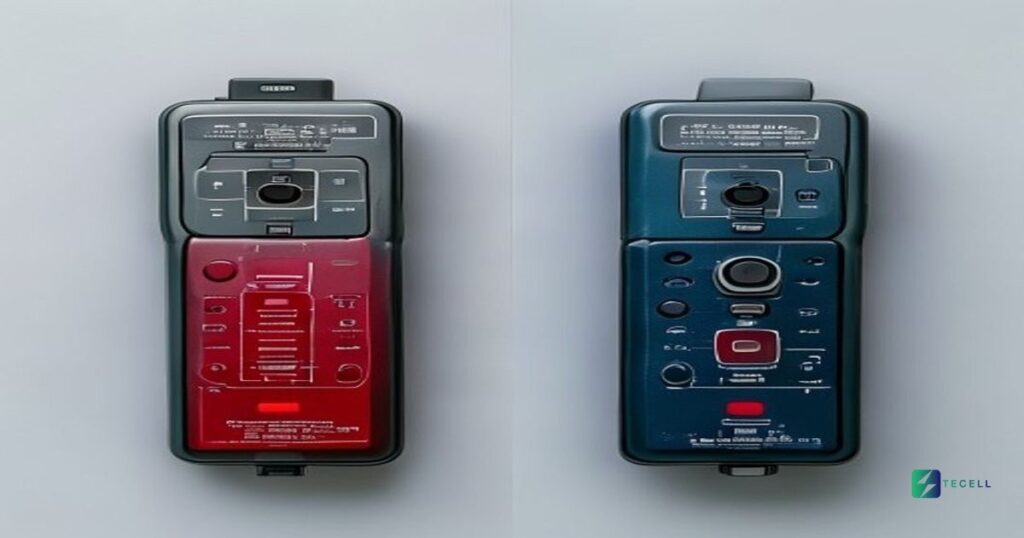
Can a CHAdeMO connector be used with a Type 2 charging station? No, due to physical incompatibility and differing power delivery standards.
A CCS connector can be used with a Type 2 charging station when the station supports dual plug compatibility, enabling flexible power delivery and OCPP 2.0.1 communication without cloud dependency.

CHAdeMO connectors are incompatible with Tesla charging stations due to physical and communication protocol differences, preventing power delivery and OCPP 2.0.1 communication.

A Tesla connector can be used with a CCS charging station via an adapter, but it does not support full OCPP 2.0.1 communication without cloud dependency.

ChargeSphere’s OCPI 2.0 enables seamless cross-network roaming for EV fleets in remote areas with intermittent connectivity while maintaining real-time billing accuracy.
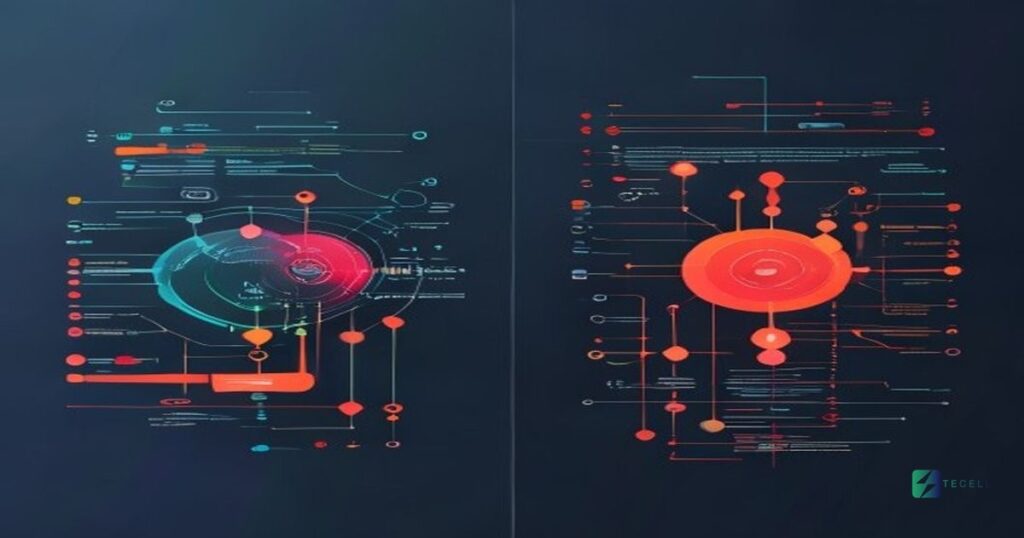
A CCS1 connector cannot be used with a CCS2 charging station due to physical and communication incompatibilities.
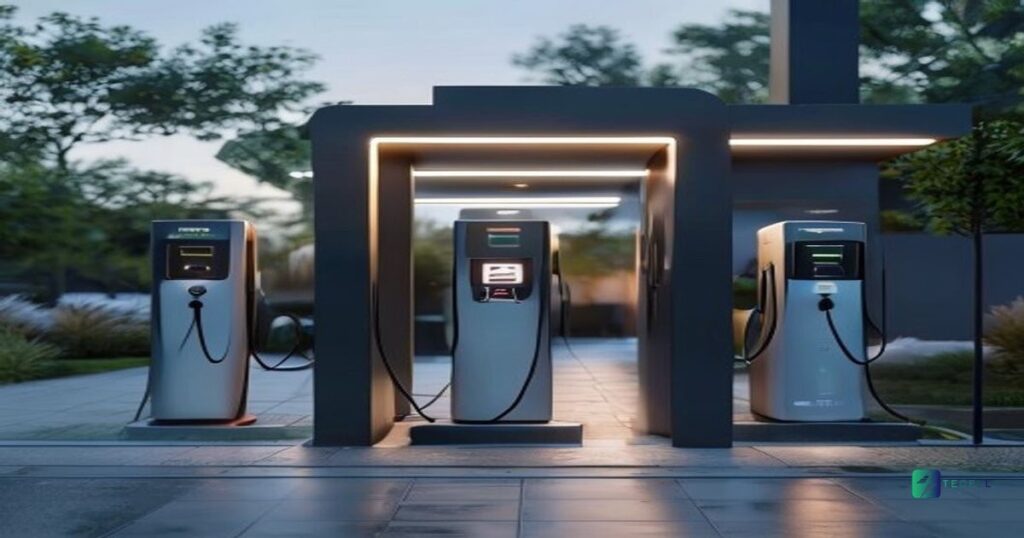
A Level 2 charger and portable charger can operate in the same station without OCPP 2.0.1, but Plug & Charge compliance is not maintained.
A detailed comparison of CCS vs GB/T connector standards, focusing on physical design, power delivery, and compatibility in European and Chinese markets.

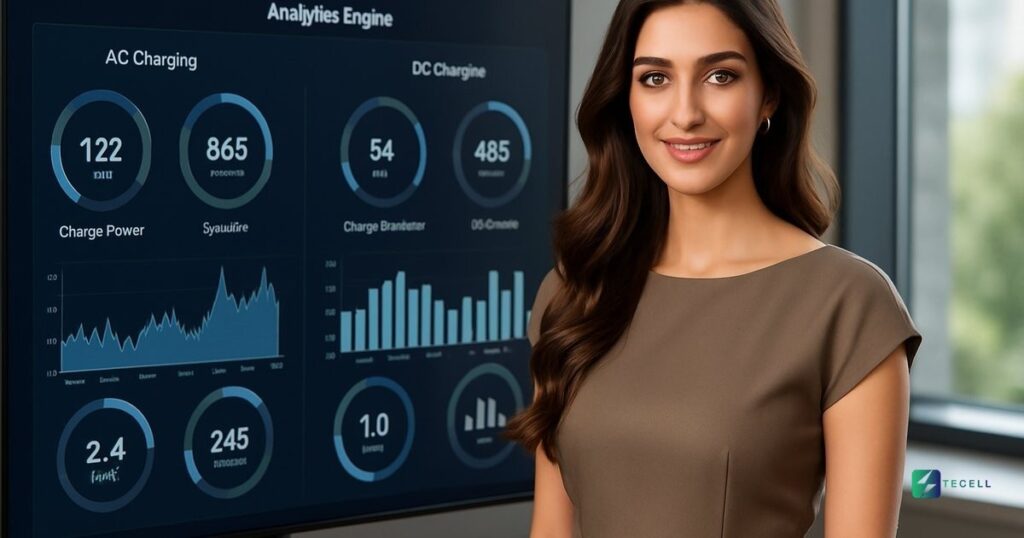
A detailed comparison of DC fast charging and AC charging power delivery capabilities, including speed, efficiency, grid impact, and real-world deployment using OCPP 2.0.1 and Saha-Edge integration.

A detailed comparison of CCS vs CHAdeMO connector standards, focusing on power delivery, compatibility, and real-world deployment in EV charging infrastructure.

Saha-Edge’s edge-AI enables real-time offline dynamic power scheduling for EVs in remote mining operations while maintaining OCPP 2.0.1 and ISO 15118 compliance.

ChargeSphere’s OCPI 2.0 enables real-time cross-network charging session handover with dynamic pricing for CPOs managing multiple stations, even without cloud connectivity.

ChargeSphere’s OCPI 2.0 implementation enables seamless cross-network charging for fleet operators using varying payment gateways and local pricing models without requiring cloud connectivity.

Saha-Edge enables real-time cross-protocol charging session synchronization between CCS and CHAdeMO connectors while maintaining ISO 15118 Plug & Charge compliance and session continuity without cloud dependency.

Saha-Edge enables secure offline certificate validation for EV chargers using PKI and zero-trust principles without relying on cloud-based services.

ChargeSphere enables seamless cross-network charging using OCPI 2.0 and edge-AI technologies, ensuring uninterrupted charging sessions even in low-connectivity environments.
Saha-Edge’s edge-AI enables real-time carbon footprint tracking in multi-tenant EV charging environments, offering localized data aggregation and compliance without cloud dependency.
ChargeSphere enables seamless eRoaming for CPOs across countries with varying OCPI implementations and payment gateways.

A multi-tenant fleet charging network using Saha-Edge and ChargeSphere enables efficient, scalable, and secure EV charging for urban transit and fleet operations.

Designing a scalable last-mile delivery fleet charging network requires integrating edge computing, cloud management, and interoperable platforms to ensure real-time coordination and AI-driven optimization.

Learn how to design a scalable fleet charging network using Saha-Edge and ChargeSphere for intelligent local control, dynamic power management, and cross-network roaming.
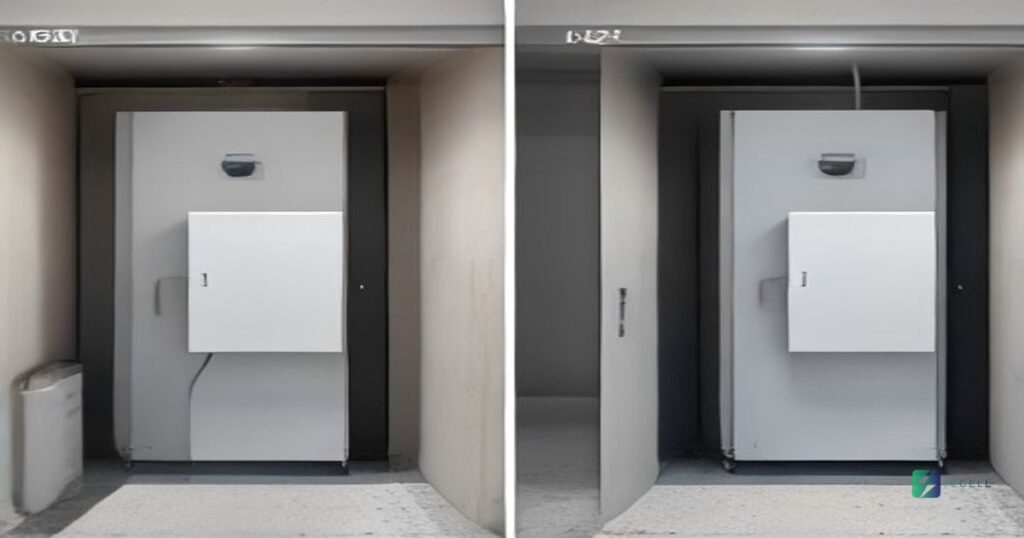
This article compares Level 3 chargers and wallboxes, focusing on power delivery, charging speed, and scalability for commercial and residential EV infrastructure.
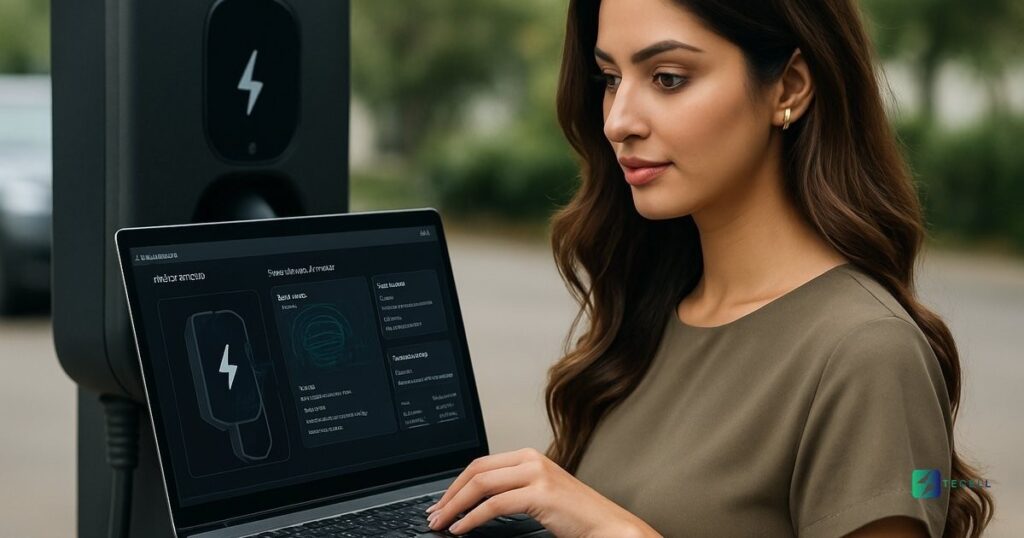
Saha-Edge enables real-time AI predictive maintenance on DC fast chargers without cloud connectivity during network outages.
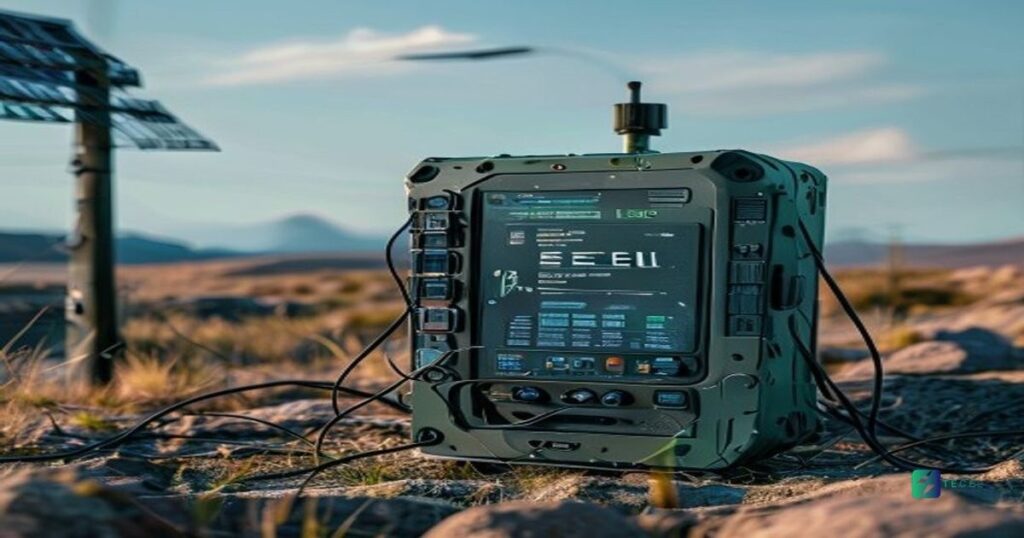
Saha-Edge enables real-time AI load forecasting for DC fast chargers in remote locations without continuous cloud connectivity.
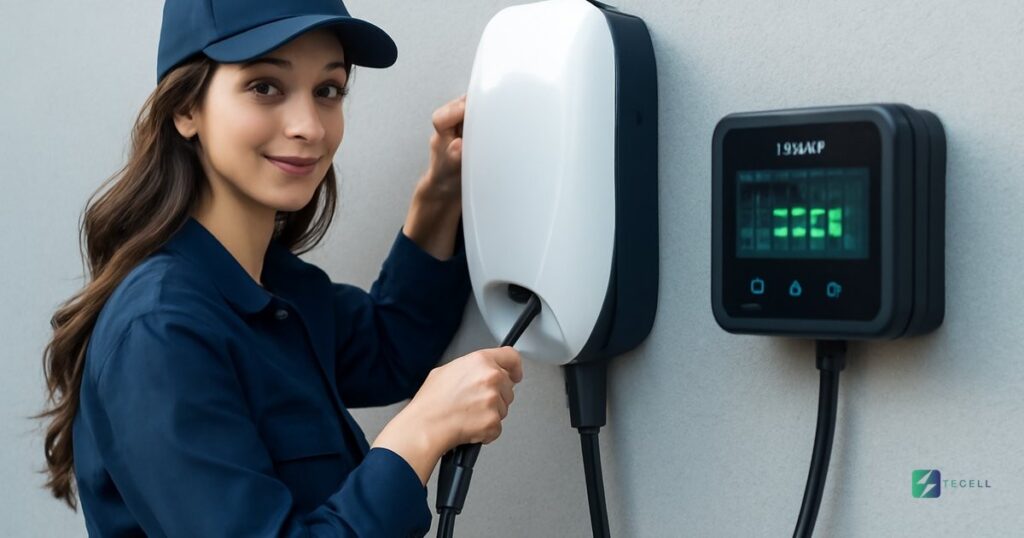
Saha-Edge enables predictive maintenance for DC fast chargers using edge AI without requiring continuous cloud connectivity.
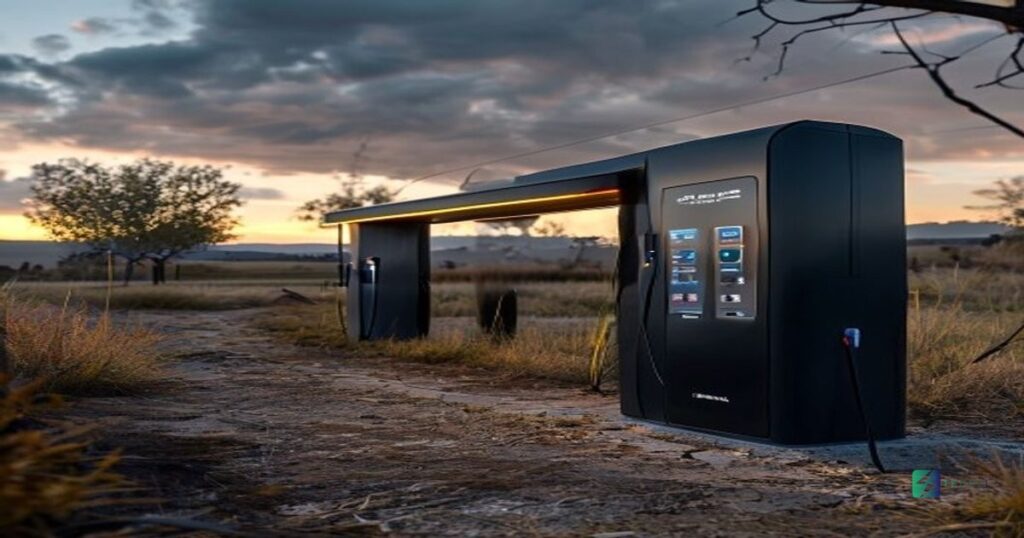
Saha-Edge optimizes DC fast charger power delivery in real time during peak grid demand using local AI and energy system integration.
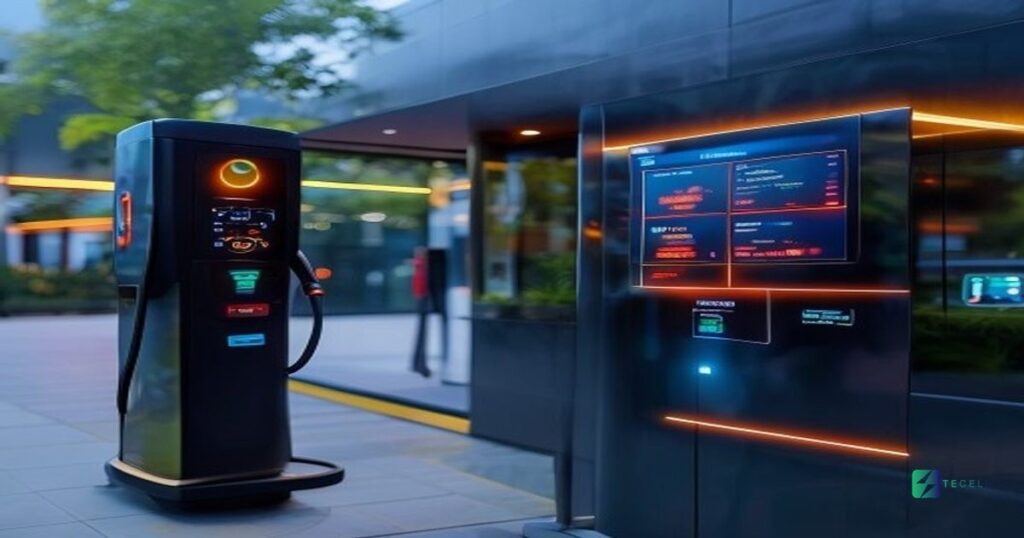
UnityCharge uses AI to shift fleet charging to off-peak times during grid demand spikes, reducing costs and supporting infrastructure stability.
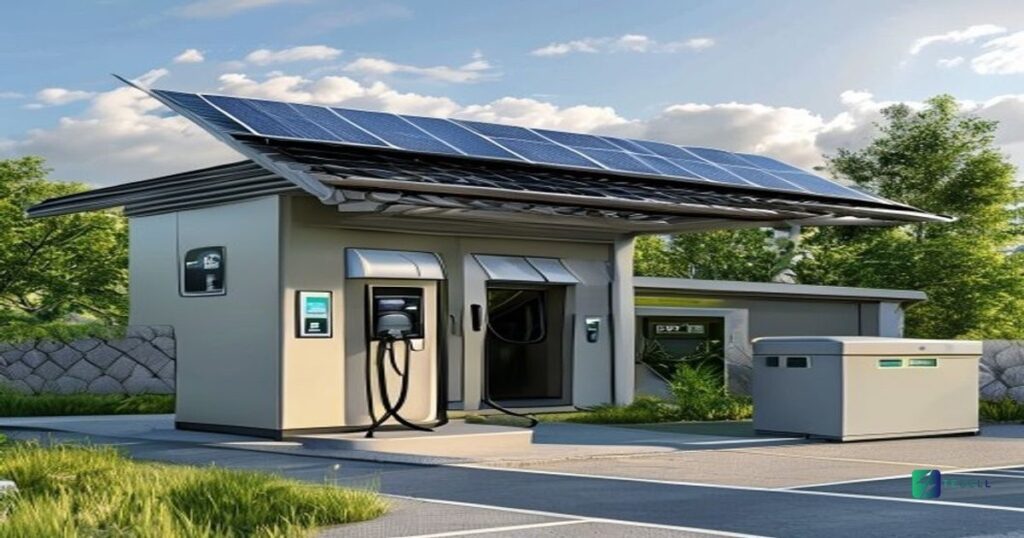
Saha-Edge enables autonomous charging decisions offline using edge AI and predictive models.

A Charge Point Operator configures real-time energy arbitrage using OCPP 2.0.1 by leveraging dynamic pricing to align charging loads with grid conditions and energy costs.
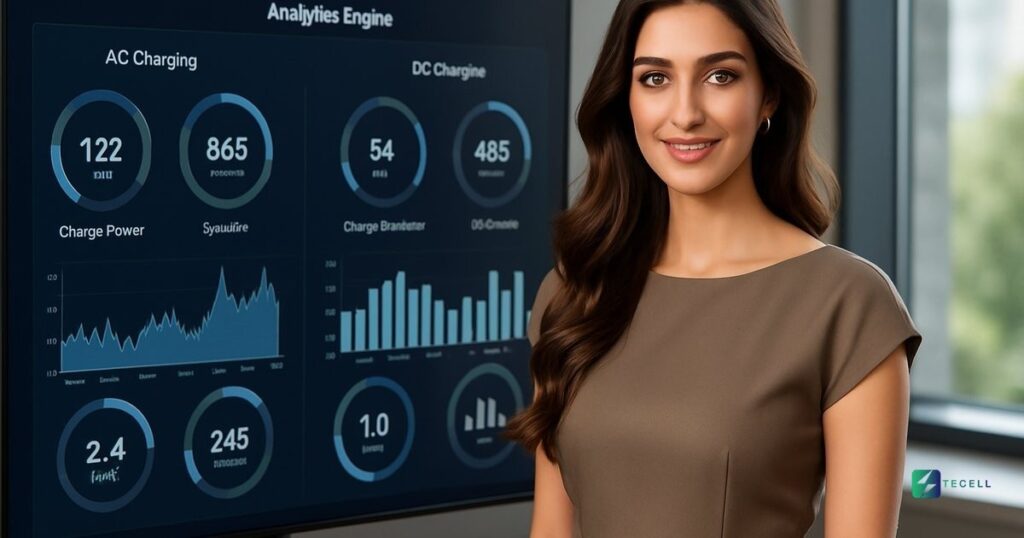
ChargeSphere optimizes revenue for Charge Point Operators through dynamic pricing and peak demand management.
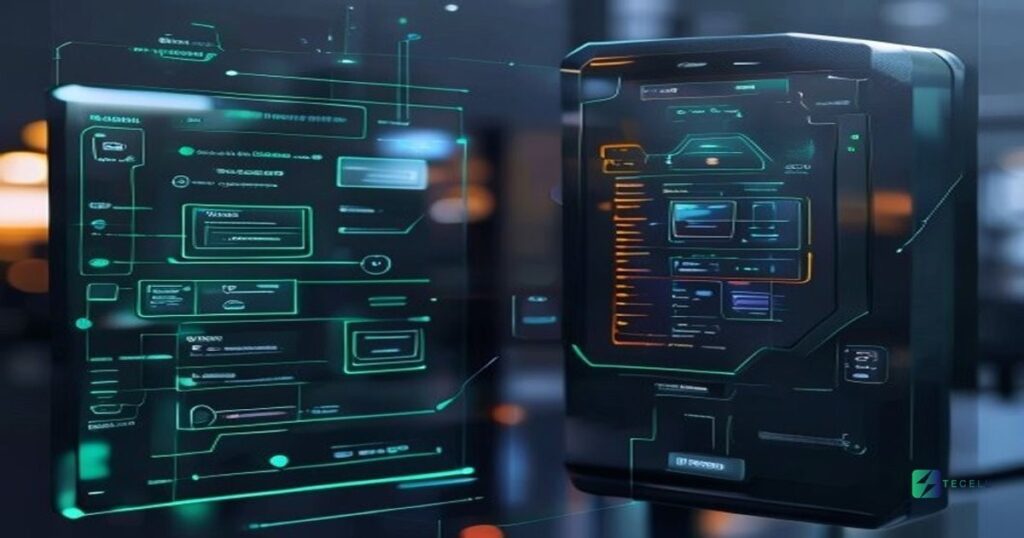
ChargeSphere enables seamless roaming between charging networks using OCPI and ISO 15118 in multi-tenant environments.
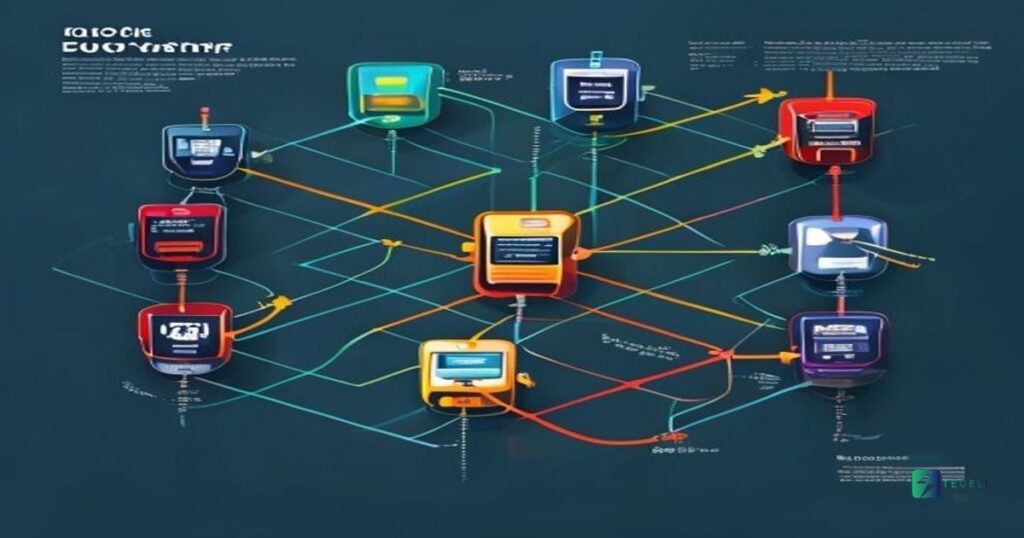
Compare the technical differences between Type 2 and CCS1 EV charging connectors in terms of power delivery and communication protocols.
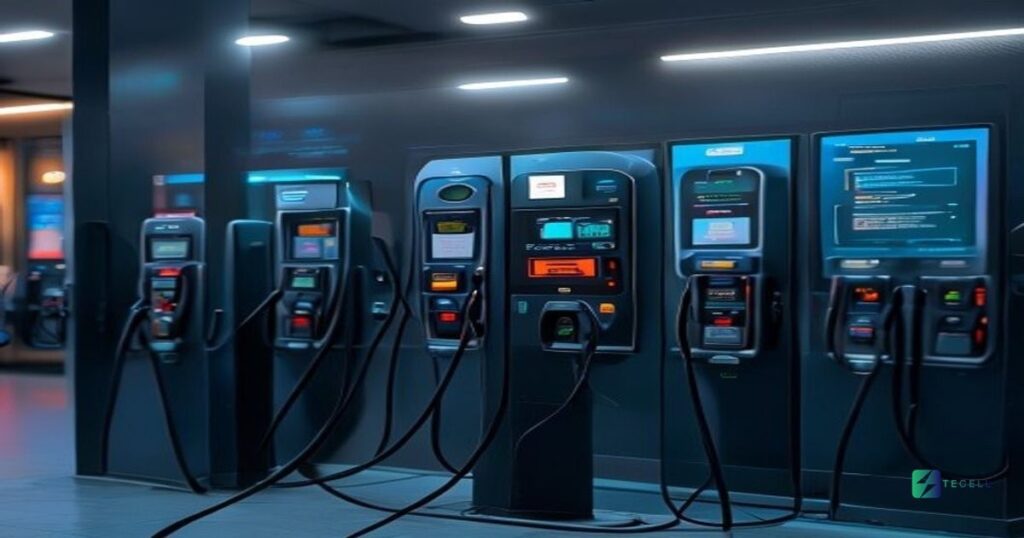
Deploying portable chargers in areas with unreliable grid power presents technical challenges around power stability, energy storage, and operational resilience.
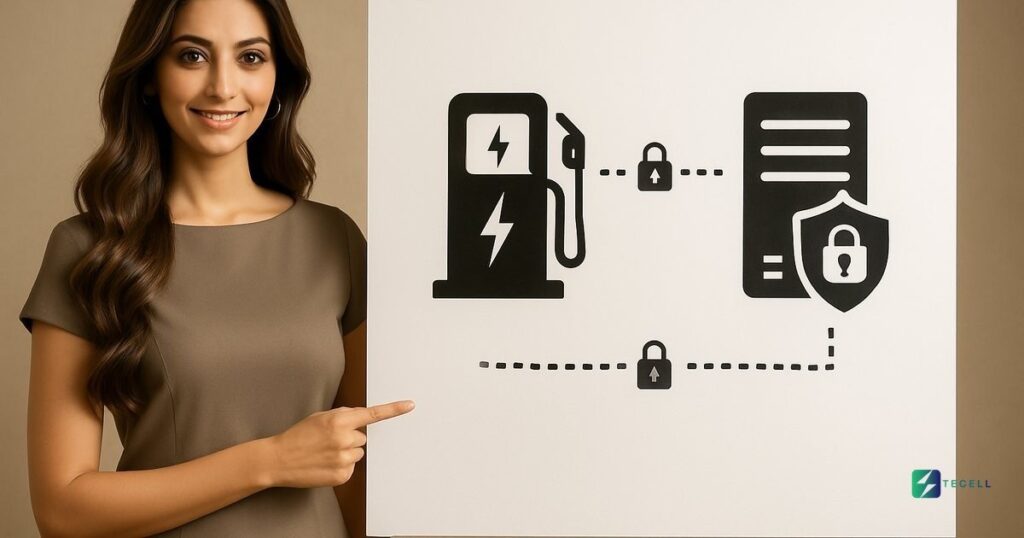
Comparing QR codes and RFID for secure authentication in multi-tenant CPO networks.
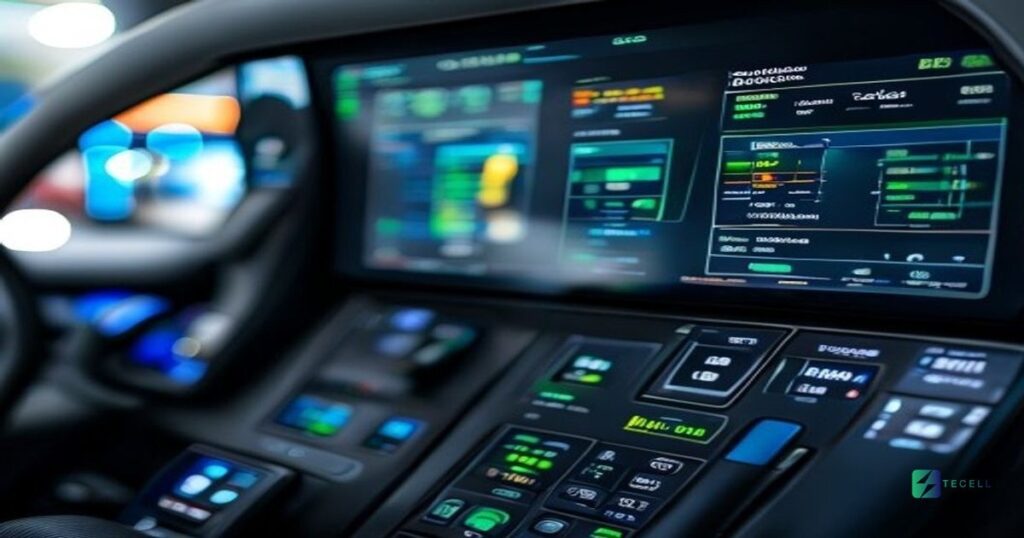
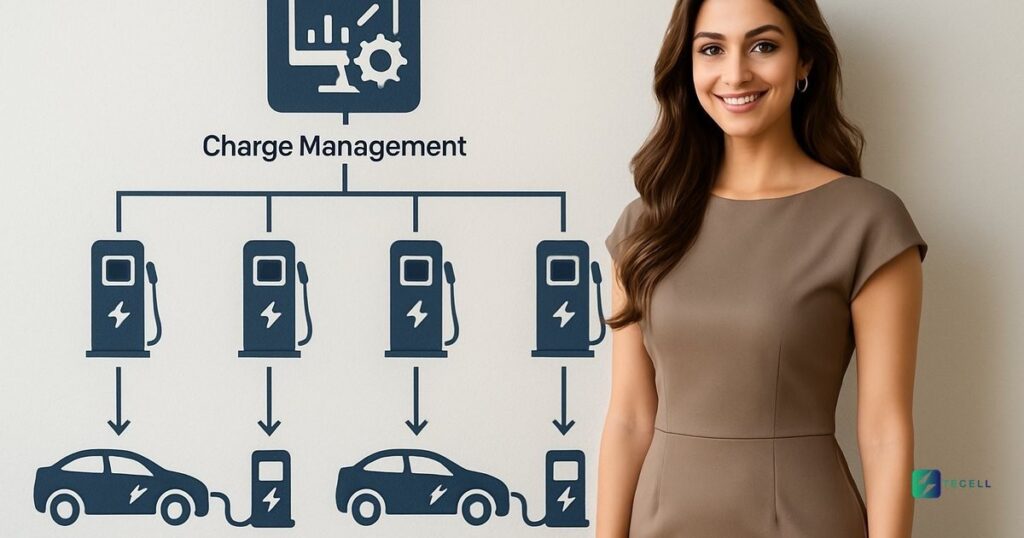
A Charge Management System (CMS) manages concurrent charging sessions by prioritizing sessions, monitoring real-time data, and dynamically allocating power to ensure efficient and safe operations.
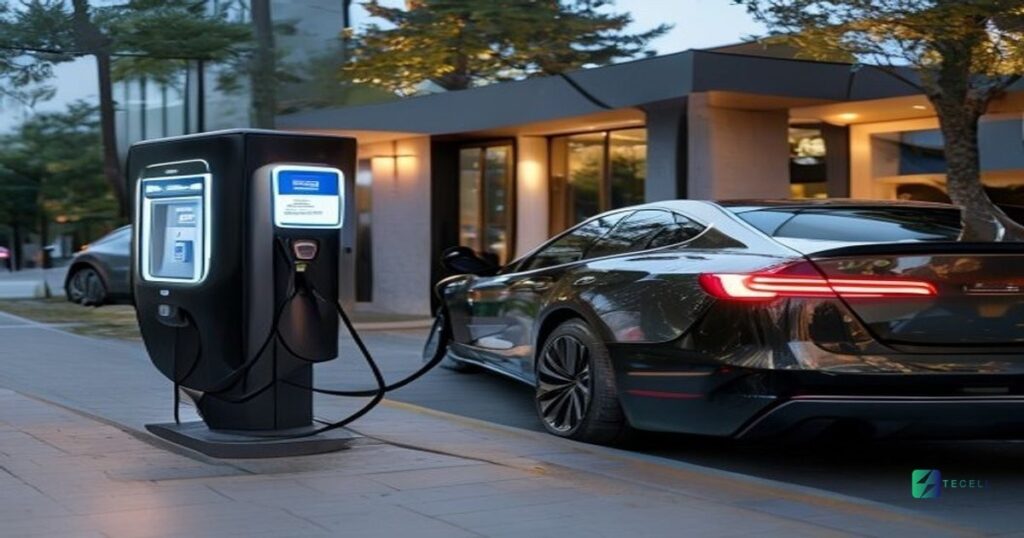
Technical requirements for implementing Plug & Charge with CCS2 connectors in commercial fleet setups.
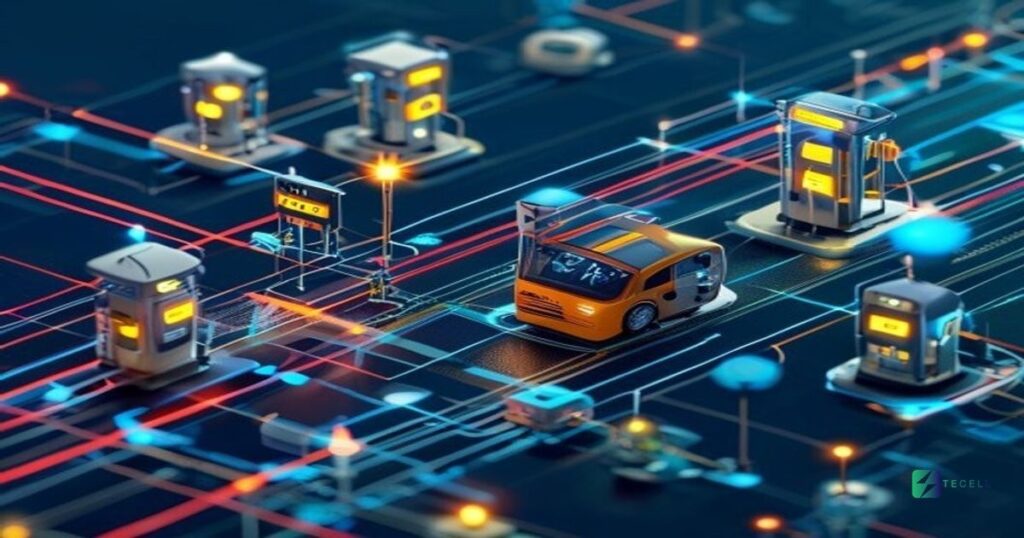
ISO 15118 secures communication between EVs and charging stations in multi-tenant networks through standardized authentication and encryption.
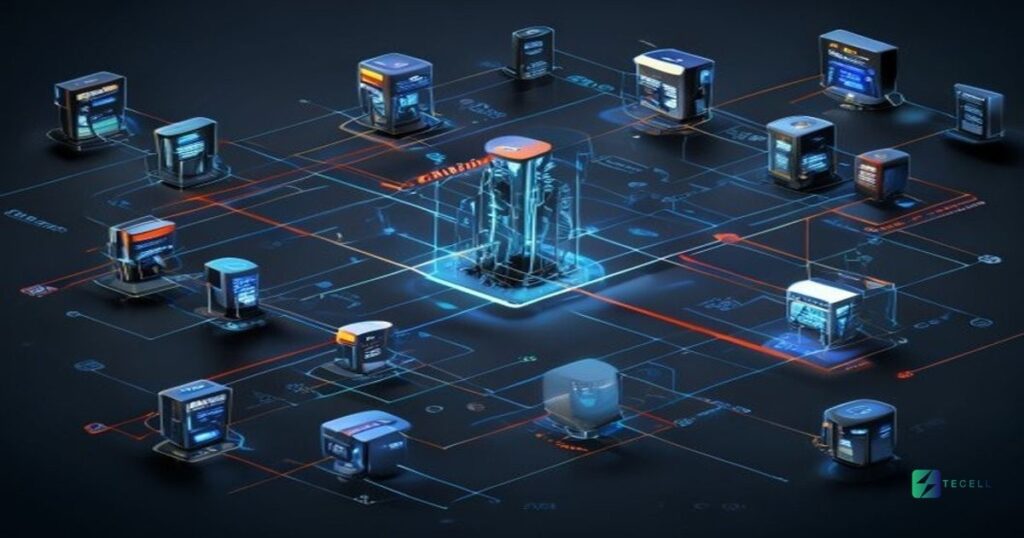
Tecell’s platform handles firmware update scheduling differently for CCS and CHAdeMO connectors, with CCS enabling more frequent, automated updates and CHAdeMO requiring more planned coordination.
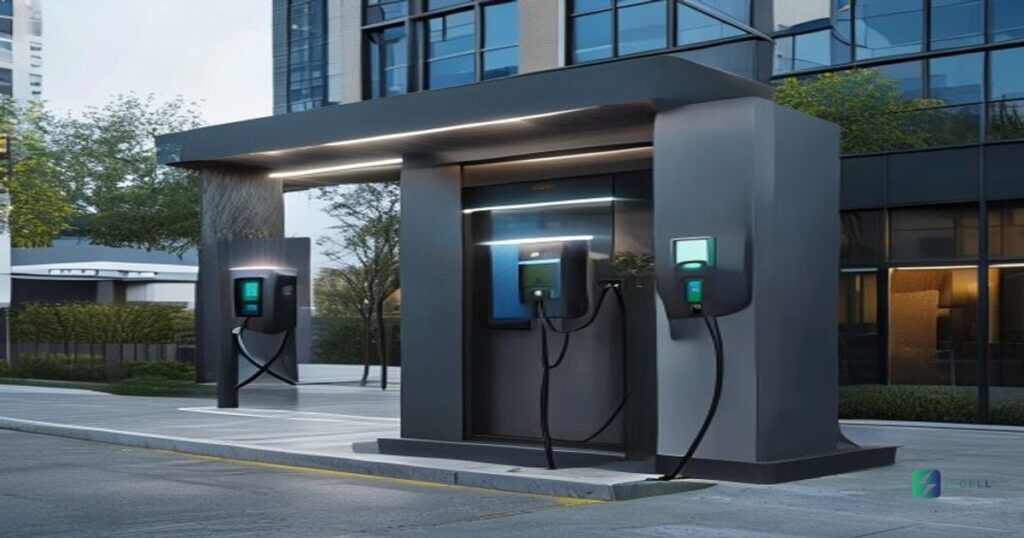
Learn how redundancy and failover mechanisms create resilient EV charging networks essential for urban infrastructure reliability.
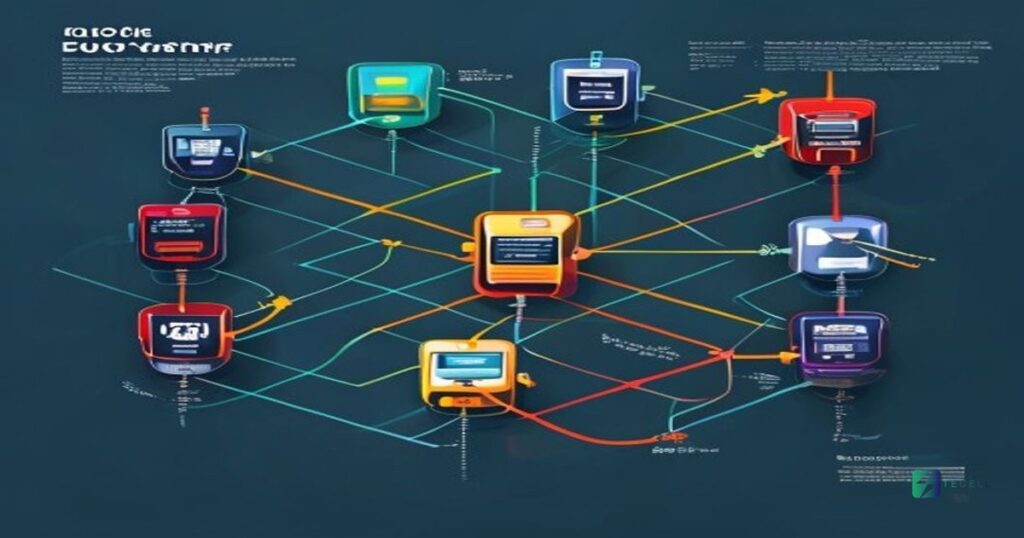
Cross-protocol compatibility in EV charging ensures seamless communication between OCPP, OCPI, and proprietary systems, enabling efficient network management and user experience.
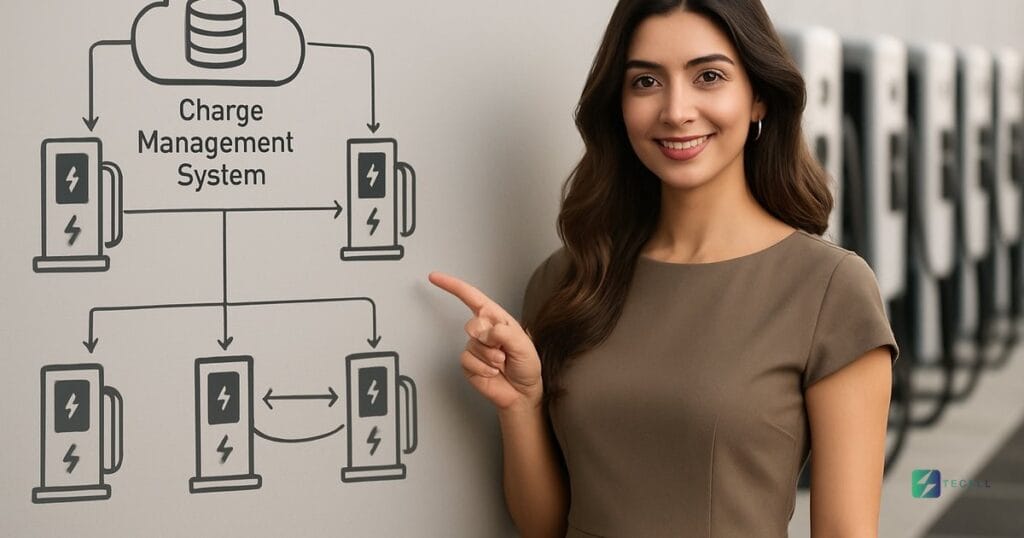
Tecell’s Charge Management System automatically detects and resolves duplicate session IDs across fleet networks to ensure accurate billing and data integrity.
This post compares Level 3 and pedestal chargers for urban EV networks, focusing on power delivery, installation, and operational efficiency.
Real-time grid impact assessment in EV charging networks prevents voltage drops and frequency fluctuations through dynamic power allocation algorithms.
Explore the differences between Plug & Charge and ISO 15118 authentication protocols in EV charging, focusing on security, user experience, and deployment considerations.
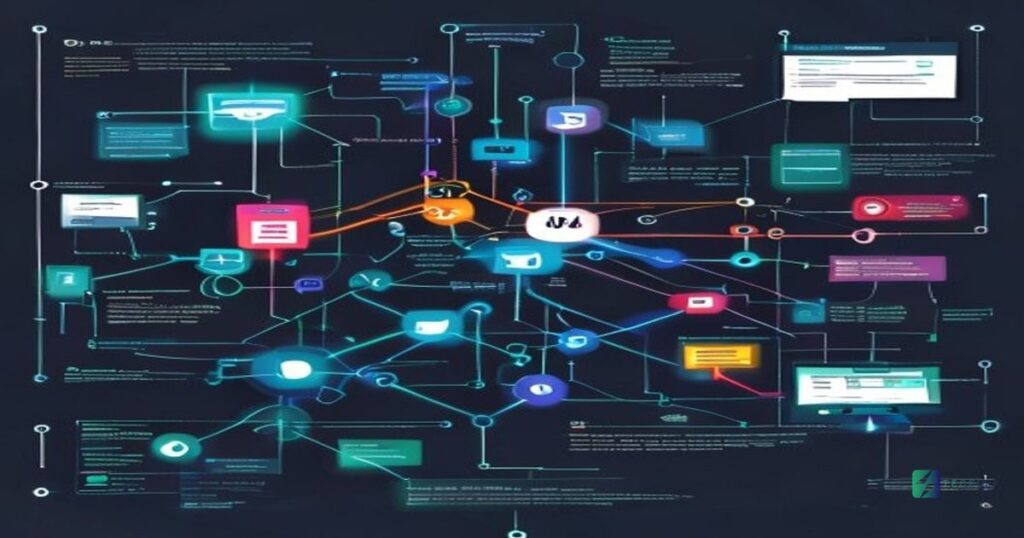
Tecell’s CMS supports integration with third-party EMS systems for real-time energy consumption optimization.
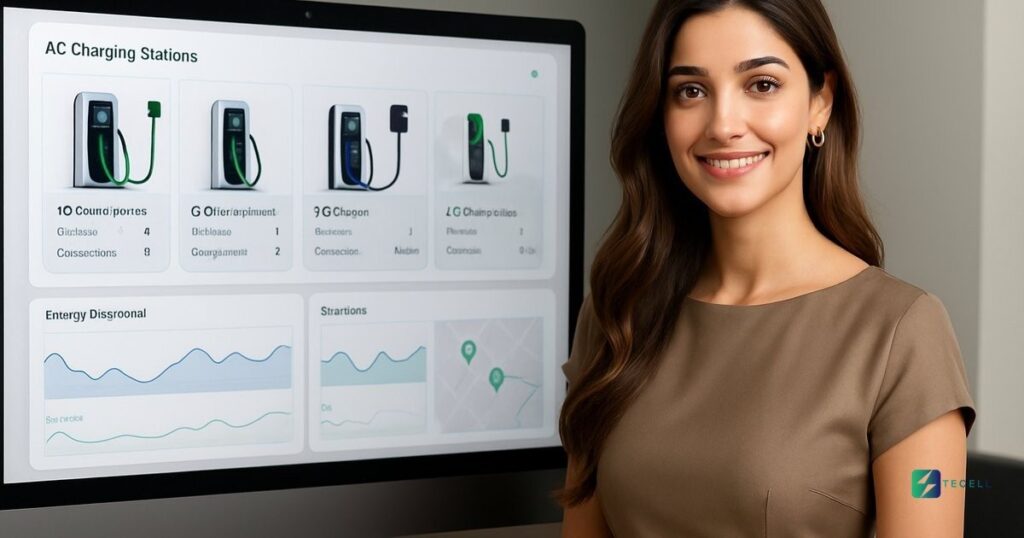
Secure multi-tenant session orchestration in fleet charging ensures isolated, secure access to shared charging resources while enabling efficient transaction management.

Smart charging algorithms for fleet operations balance efficiency, user satisfaction, and grid impact to optimize EV charging across multiple locations.
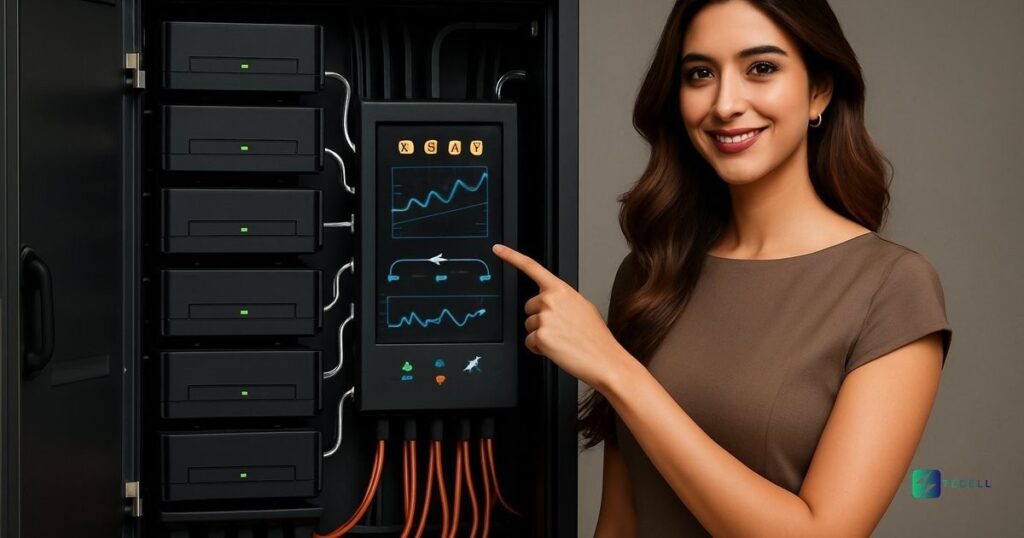
Tecell’s Charge Point Operator software automatically detects failed firmware updates and reverts chargers to stable versions, ensuring minimal downtime in multi-tenant environments.
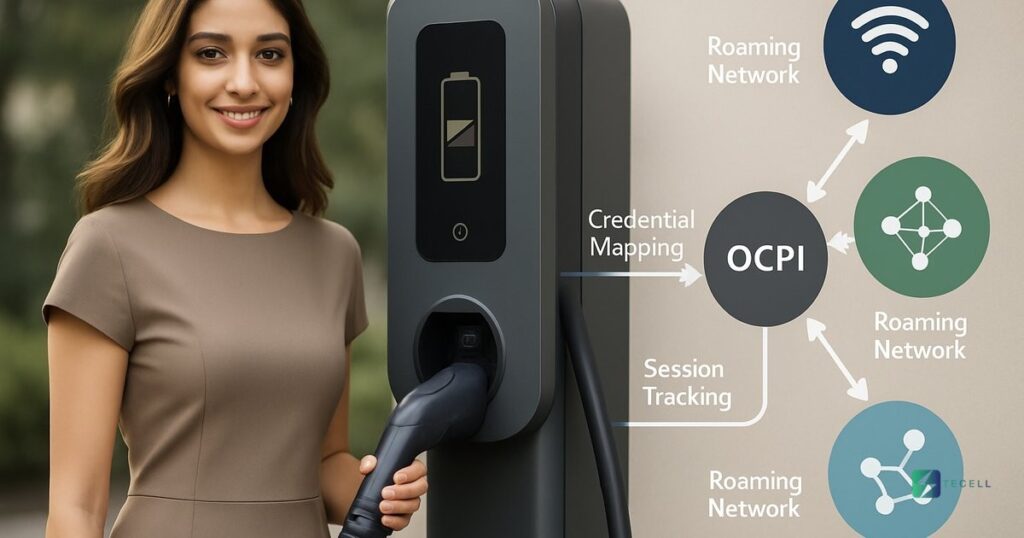
Tecell’s platform resolves charging sessions involving multiple roaming credentials through a unified OCPI transaction process.

Tecell ensures ISO 15118 Plug & Charge compliance for fleet applications through embedded protocol support in ChargeSphere and CMS.
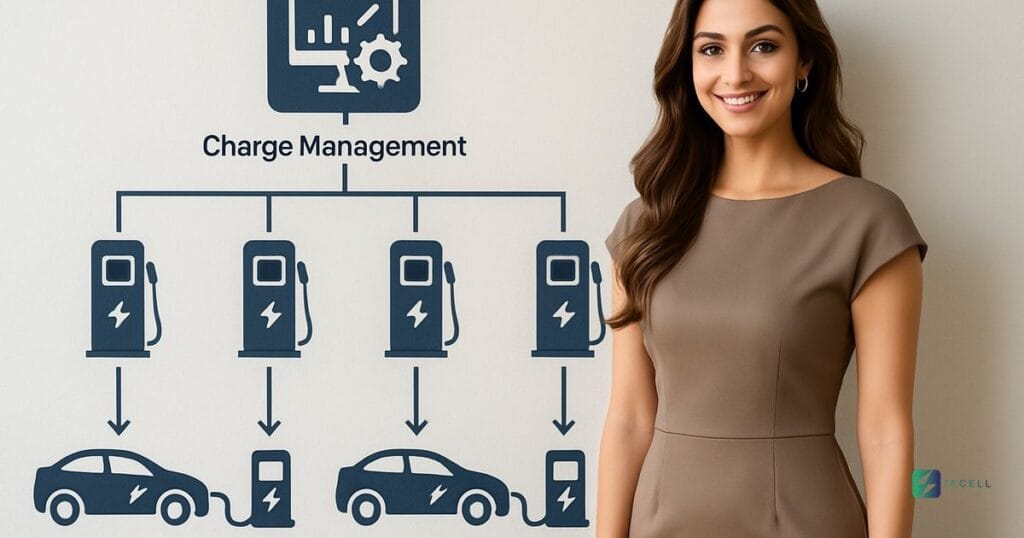
Tecell’s Charge Management System supports a high number of concurrent charging sessions, scaling based on deployment configuration and infrastructure.
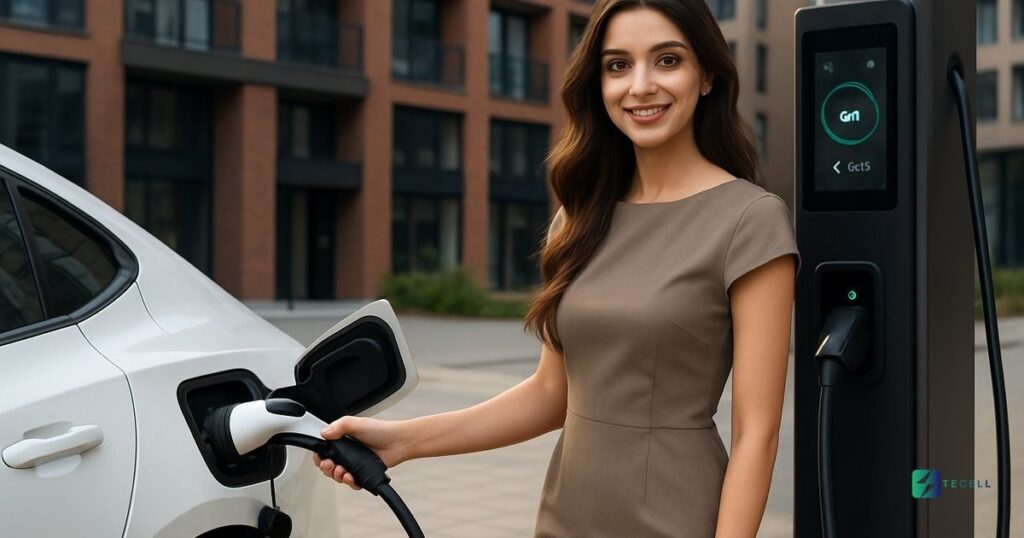
Smart charging for urban microgrids integrates EVSEs with local energy storage and solar generation to optimize grid stability and reduce peak demand charges.
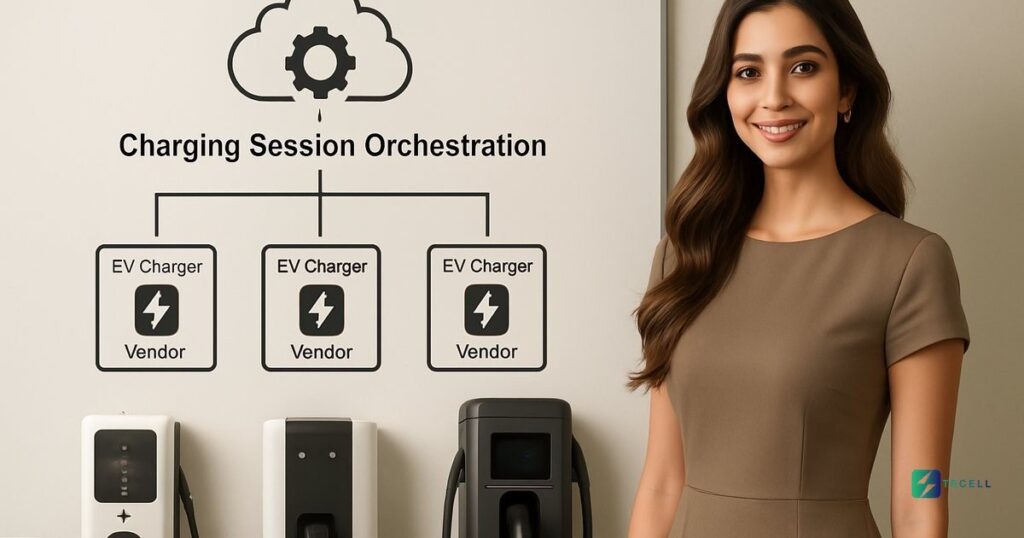
How network latency impacts real-time meter value updates in Tecell’s CMS for remote chargers in multi-tenant setups.
Tecell’s Charge Point Operator software uses role-based permissions and zone-specific settings to manage user access control for different charging zones.
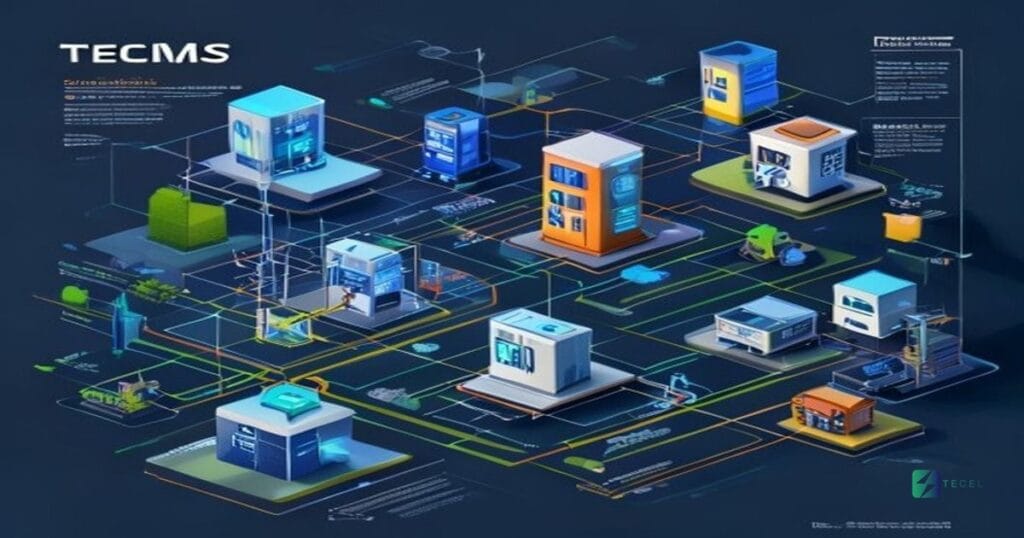
Tecell’s CMS supports integration with third-party energy storage systems for smart charging optimization.

Explore how dynamic power distribution in DC fast charging networks adapts to variable grid conditions and user demand for improved efficiency and reliability.
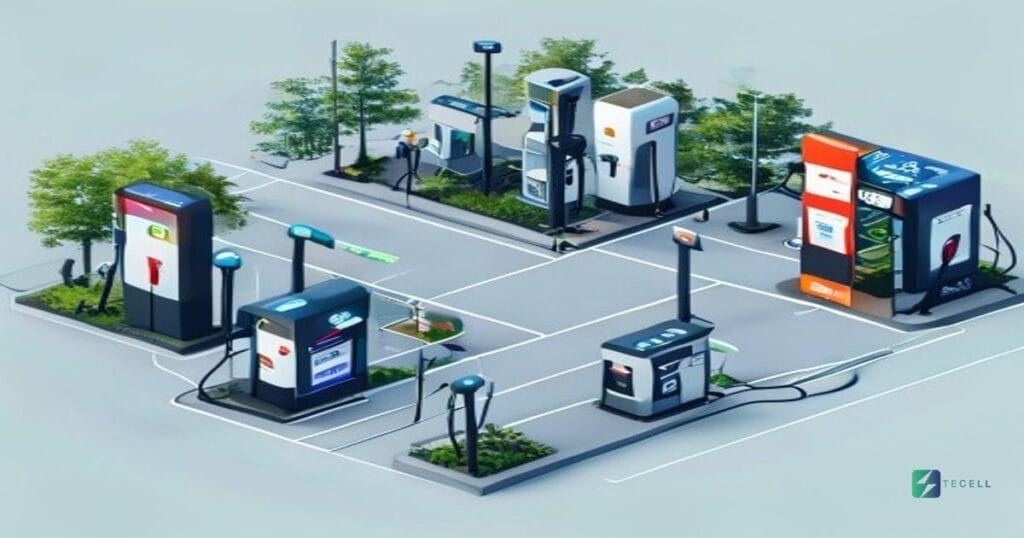
Tecell enables charge point operators to manage multi-tenant billing for shared charging infrastructure through isolated transaction tracking and automated revenue allocation.
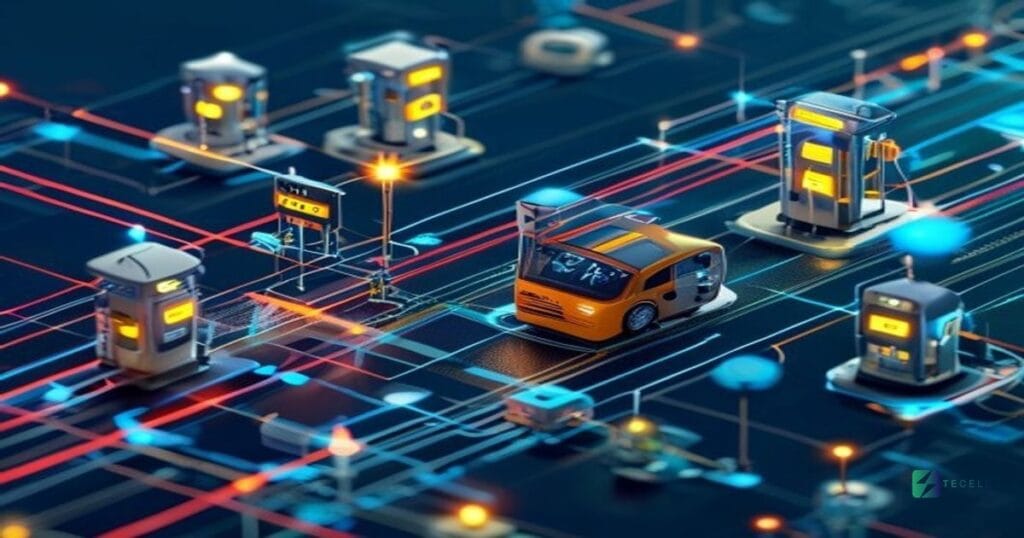
Understanding OpenADR security implications when using Tecell’s CMS for demand response programs.

Tecell’s software maintains session integrity when chargers go offline and reconnect, ensuring no data loss or billing issues.
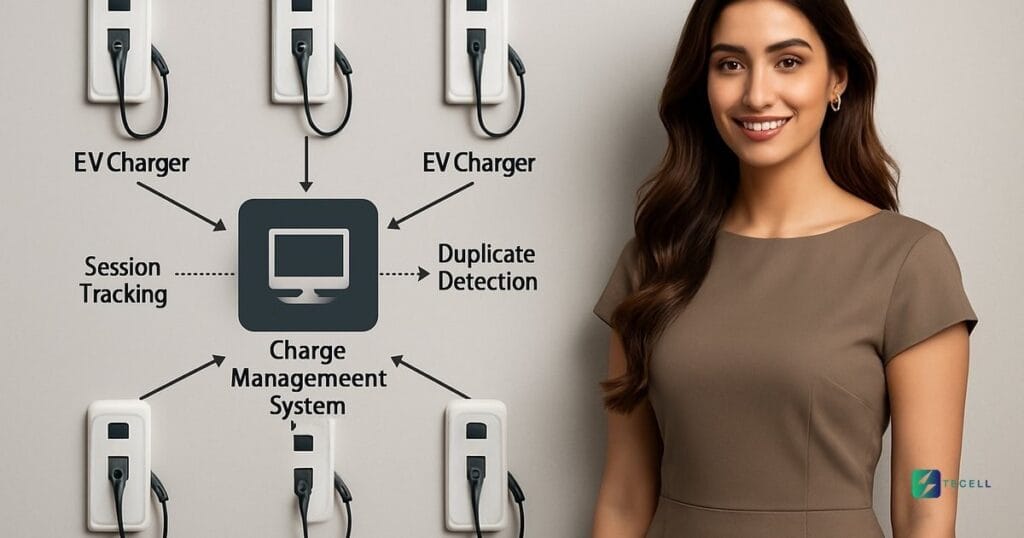
Tecell’s CMS enables dynamic role-based access control for charging zones in multi-tenant environments.
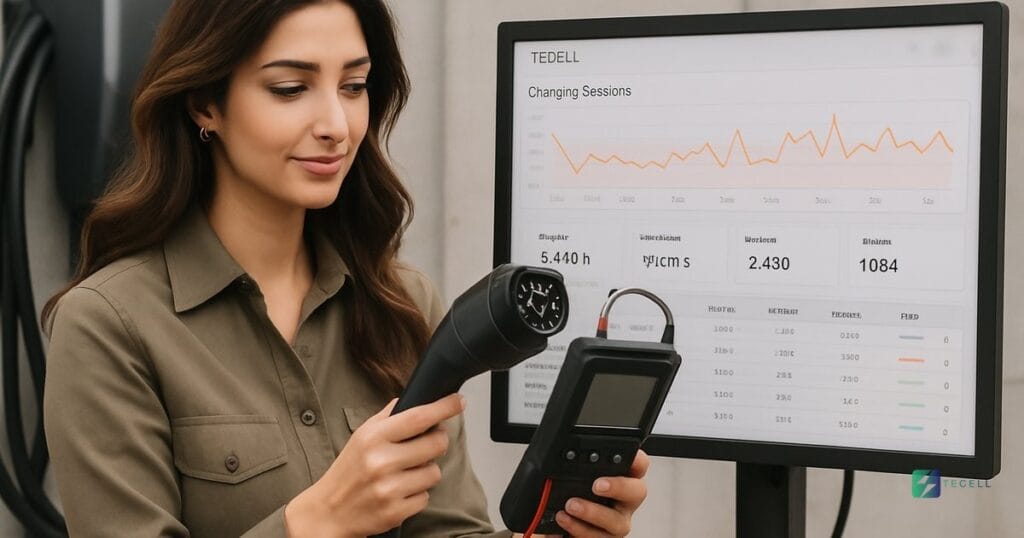
Tecell’s CMS does not currently support real-time monitoring of charging cable health or connector wear, but it provides session and usage data for operational insights.
OCPI supports real-time tariff updates from multiple Energy Service Providers, enabling dynamic pricing in roaming networks.

Tecell’s platform automatically isolates failed power modules and redistributes load to ensure continuous charging operations.
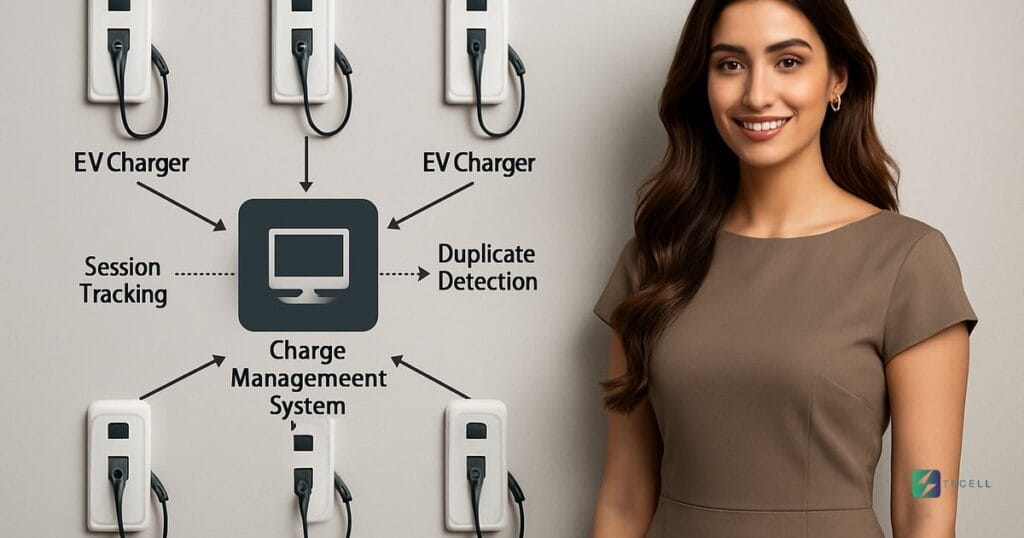
Tecell’s Charge Management System uses unique identifiers and real-time log tracking to detect and resolve duplicate session data from multiple chargers.
Understanding the technical differences between CCS1 and CCS2 connector protocols in terms of communication speed and data exchange.
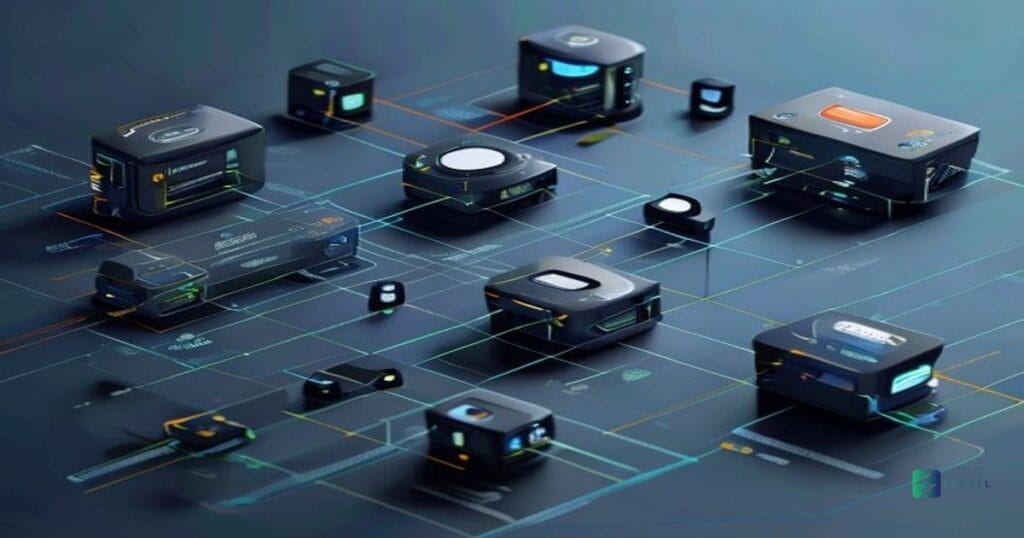
Tecell’s CMS supports automatic load balancing using dynamic power allocation algorithms across multiple charging cabinets.
Smart charging for fleet operations integrates vehicle-to-grid (V2G) capabilities with real-time energy pricing to reduce costs and improve efficiency.

Tecell’s CMS supports custom authentication methods for fleet charging, enabling integration with corporate credentials and proprietary systems.
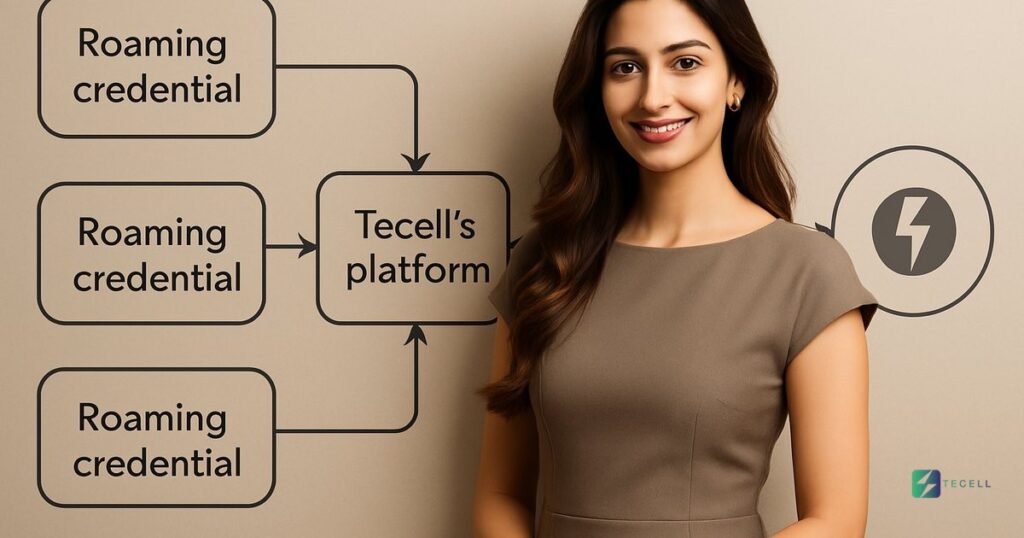
Tecell’s platform handles charging sessions for users with multiple roaming credentials by mapping each credential to a unique identifier within the OCPI framework.
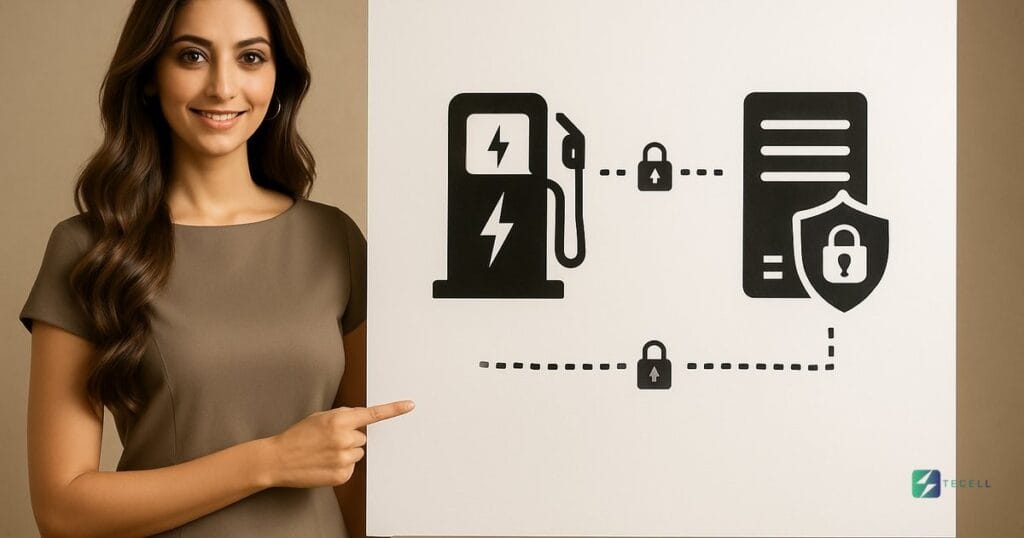
Tecell ensures secure EV charger communication using both TLS 1.2 and TLS 1.3, supporting hybrid networks with strong encryption and dynamic protocol negotiation.
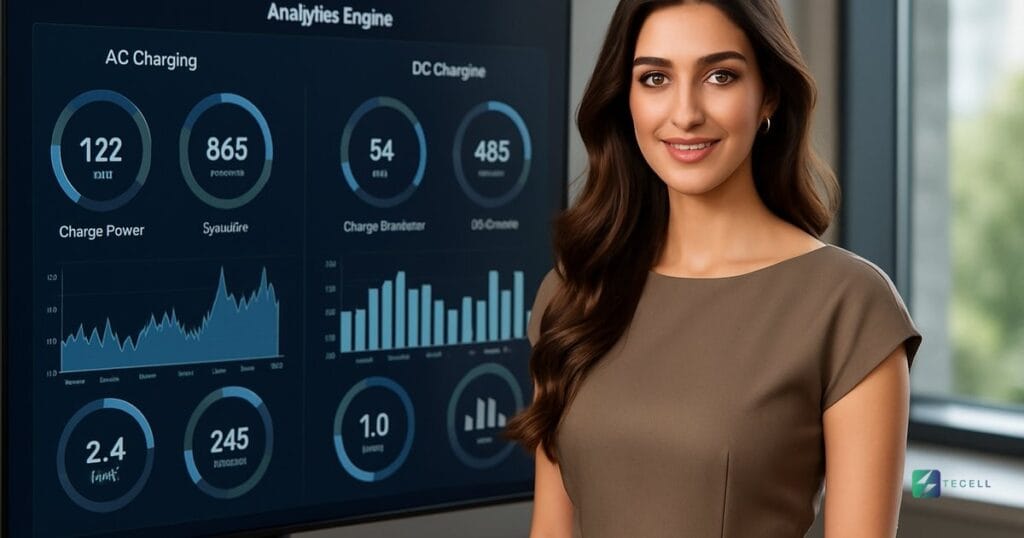
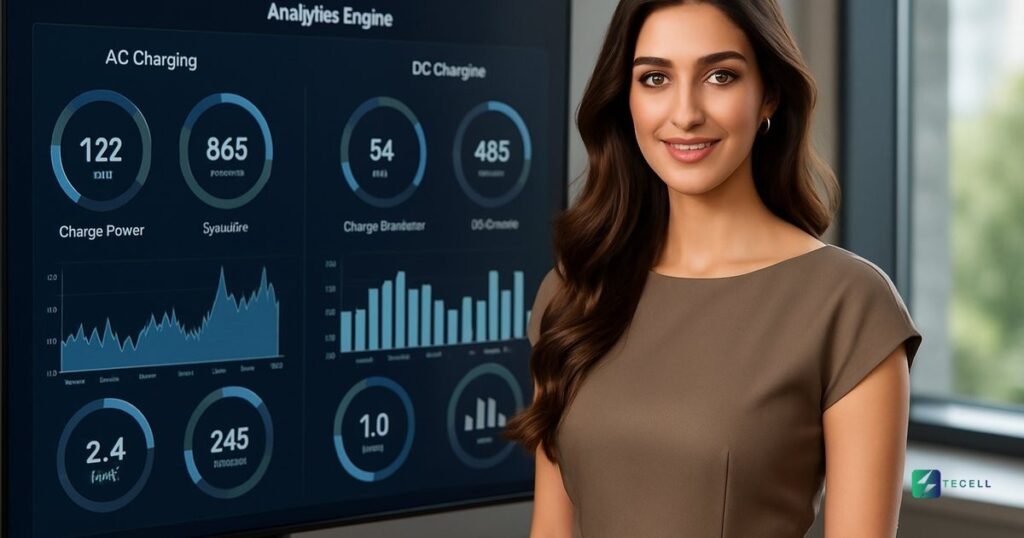
Tecell’s analytics engine processes and correlates data from both AC and DC charging stations through standardized protocols and time-series algorithms.