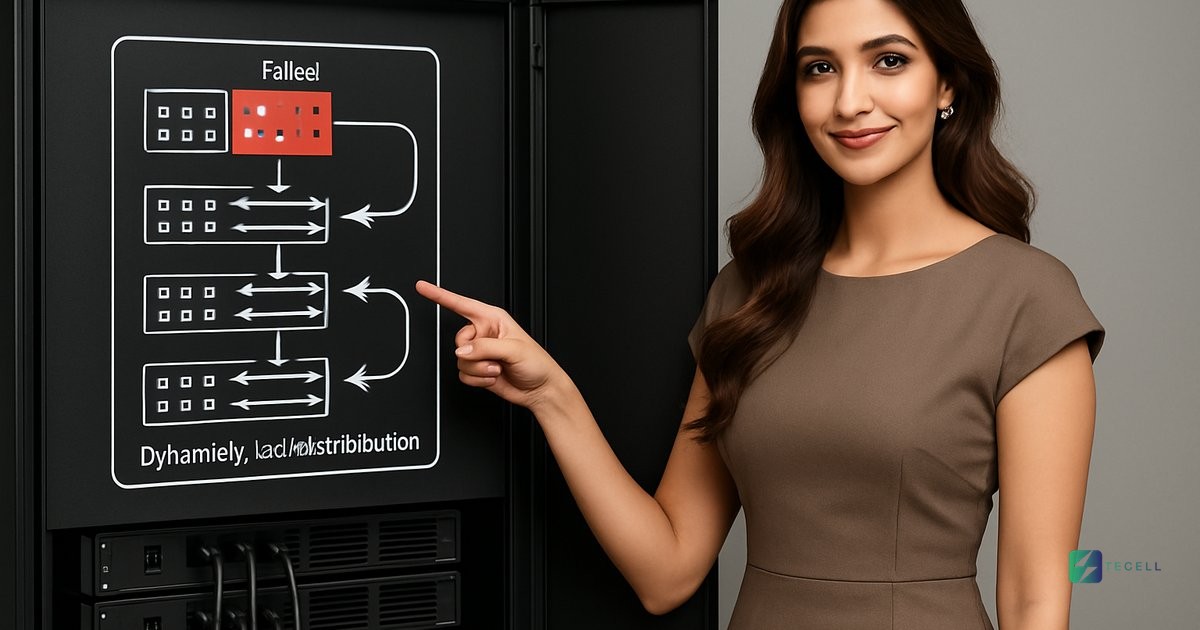
When a power module fails in a Tecell-enabled charging cabinet, the system automatically isolates the faulty module and redistributes the charging load across remaining functional modules. This process ensures continuous operation without interrupting ongoing sessions or degrading service quality for users.
How it works in practice
In real-world deployments, Tecell’s platform monitors each power module in real time for performance metrics and error signals. When a failure is detected, the system immediately switches the affected module offline and reassigns its charging capacity to other active modules within the same cabinet. This dynamic redistribution maintains consistent power delivery to connected vehicles.
The transition is seamless from the user’s perspective. No session is dropped, and charging continues uninterrupted. The system logs the failure event and triggers an alert for maintenance teams to address the hardware issue.
This capability is especially valuable in high-traffic locations where downtime can impact revenue and user satisfaction. Tecell’s approach minimizes the risk of cascading failures by preventing overloaded modules from affecting the entire charging station.
What this means for fleet operators
Fleet managers benefit significantly from this resilience. With multiple vehicles charging simultaneously, a single module failure would otherwise risk stopping all charging operations at that location. Tecell’s dynamic load balancing ensures that even if one module fails, the rest of the fleet can continue charging without delay.
For operators managing large deployments, this feature reduces the need for frequent site visits to replace failed hardware. The system’s ability to maintain service continuity also supports SLA compliance and improves overall customer experience.
Additionally, the platform provides detailed analytics on module health and failure patterns, helping operators predict and prevent future issues. This proactive approach supports long-term infrastructure planning and maintenance scheduling.
Related Reading
For more on related topics, see: Tecell – EV Charging Infrastructure Case Studies.
Further reading: Tecell CMS – EV Charging Software for Fleets, Apartments & Workplaces
📣 Join our Telegram channel for EV charging technology insights and product updates.
Also find us on: LinkedIn · X · Bluesky · Mastodon · DEV.to.