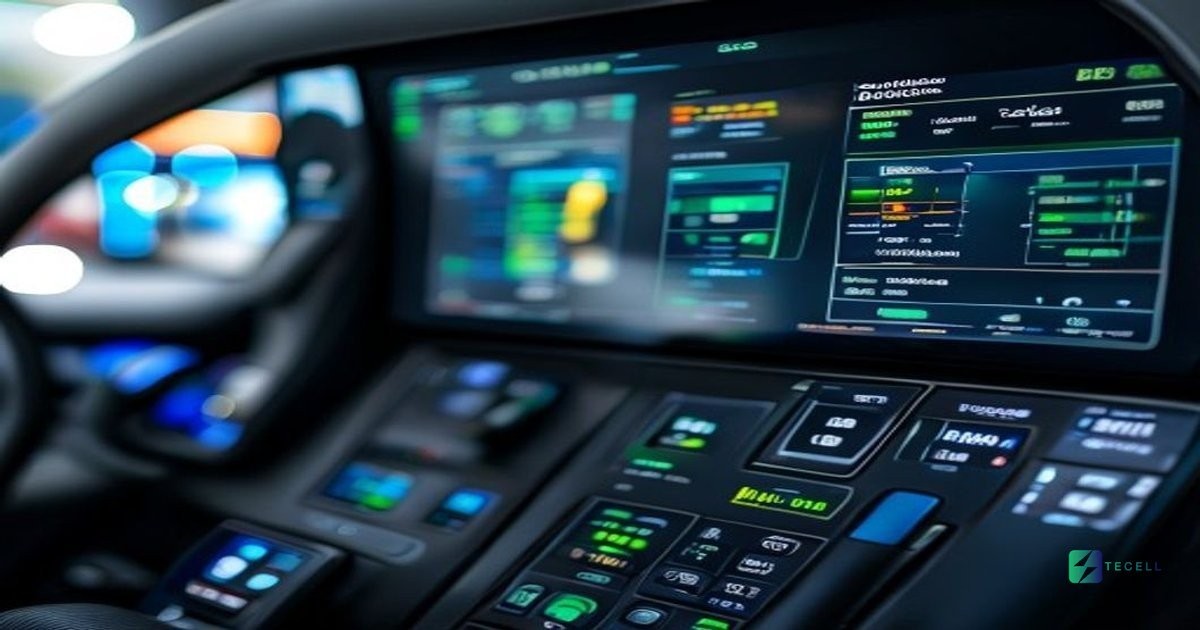
A Charge Management System (CMS) handles concurrent charging sessions by using session prioritization, real-time monitoring, and dynamic resource allocation. It ensures that each vehicle receives the appropriate power and charging schedule while maintaining system stability and safety. The CMS tracks active sessions, manages power distribution, and enforces policies like time-based or cost-based limits.
How it works in practice
In real-world deployments, a CMS uses smart algorithms to balance load across multiple charging points. When two vehicles connect to the same DC fast charger, the system evaluates factors like battery state, charging speed, and user preferences. It may temporarily reduce power to one vehicle to allow another to start or complete charging more efficiently.
For example, if a high-priority fleet vehicle needs immediate charging, the CMS can pause or slow down a lower-priority session. This ensures optimal use of infrastructure and avoids bottlenecks during peak usage times.
What this means for operators
For Charge Point Operators (CPOs), effective concurrent session management improves revenue and user satisfaction. A CMS that can handle multiple sessions without conflict allows operators to maximize charger utilization and reduce downtime. It also supports advanced features like dynamic pricing and load balancing, which are essential for grid stability and smart charging strategies.
Operators benefit from predictive analytics that anticipate demand and adjust session priorities accordingly. This proactive approach helps prevent overloading and ensures consistent performance across the network.
Related Reading
For more on related topics, see: Chargepoint Alliance – EV Charging Interoperability.
Further reading: Blog – Tecell CMS
📣 Join our Telegram channel for EV charging technology insights and product updates.
Also find us on: LinkedIn · X · Bluesky · Mastodon · DEV.to.