
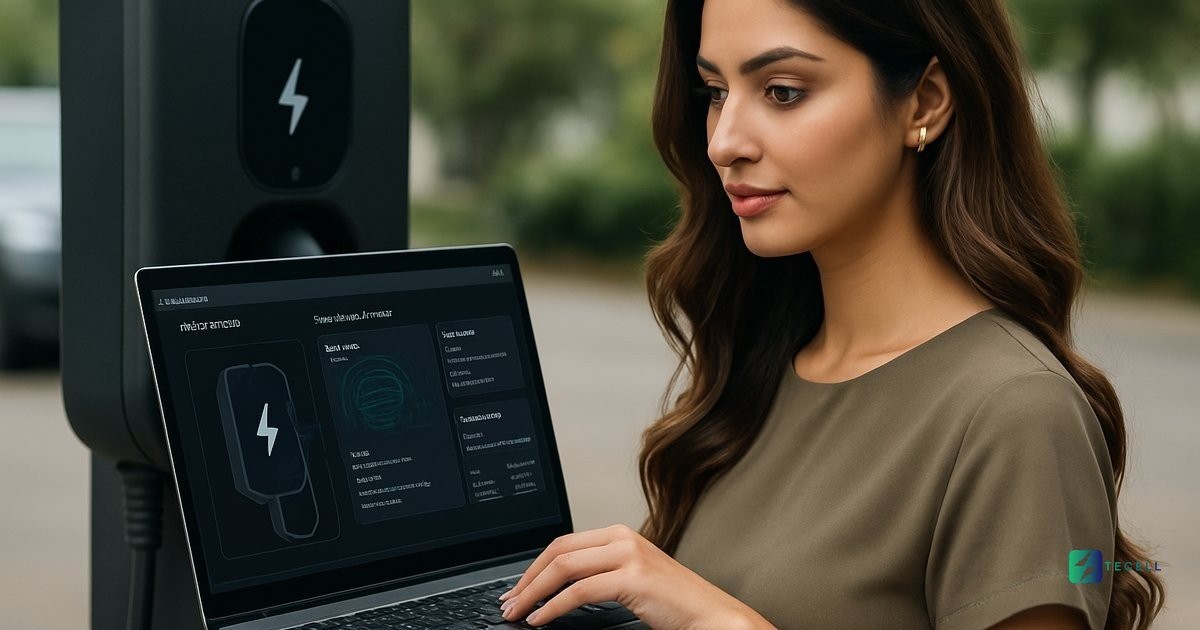
Saha-Edge can perform real-time AI-powered predictive maintenance on DC fast chargers using edge analytics without cloud connectivity. The platform’s local processing capabilities enable continuous monitoring and fault detection even during network outages.
How Saha-Edge enables offline maintenance
The platform leverages edge computing hardware installed directly at charging stations. This local infrastructure runs machine learning models that analyze operational data from chargers in real time. The system continuously monitors parameters like temperature, voltage, current, and component behavior to detect anomalies before they cause failures.
When network connectivity is lost, Saha-Edge maintains its predictive maintenance functions through cached intelligence and local decision-making. The edge devices store recent maintenance patterns and historical performance data, allowing them to continue identifying potential issues. This ensures minimal downtime for fleet operators and charge point operators who rely on consistent charging availability.
Offline maintenance alerts are logged locally and synchronized with the cloud once connectivity is restored. This hybrid approach ensures no loss of critical maintenance insights during outages, while still enabling remote diagnostics and system updates when possible.
Practical implications for charging network operators
For charge point operators managing large fleets, Saha-Edge’s offline predictive capabilities provide operational resilience. The system reduces the need for frequent on-site visits by identifying issues early, even when internet access is intermittent or unavailable.
During power outages or network disruptions, operators retain visibility into charger health and performance. This is especially valuable in remote locations or areas with unreliable connectivity. The platform’s ability to maintain predictive maintenance during these conditions helps ensure consistent service delivery and reduces emergency response costs.
Operators can also use the local analytics to optimize charging schedules and energy usage. By understanding real-time performance trends, they can proactively adjust operations to prevent overloading or inefficiencies, improving both user experience and infrastructure longevity.
Related Reading
For more on related topics, see: Edge AI for EV Charging Infrastructure Predictive Maintenance.
Further reading: The Future of EV Charging: Trends to Watch in 2025 | Tecell CMS Blog
📣 Join our Telegram channel for EV charging technology insights and product updates.
Also find us on: LinkedIn · X · Bluesky · Mastodon · DEV.to.