
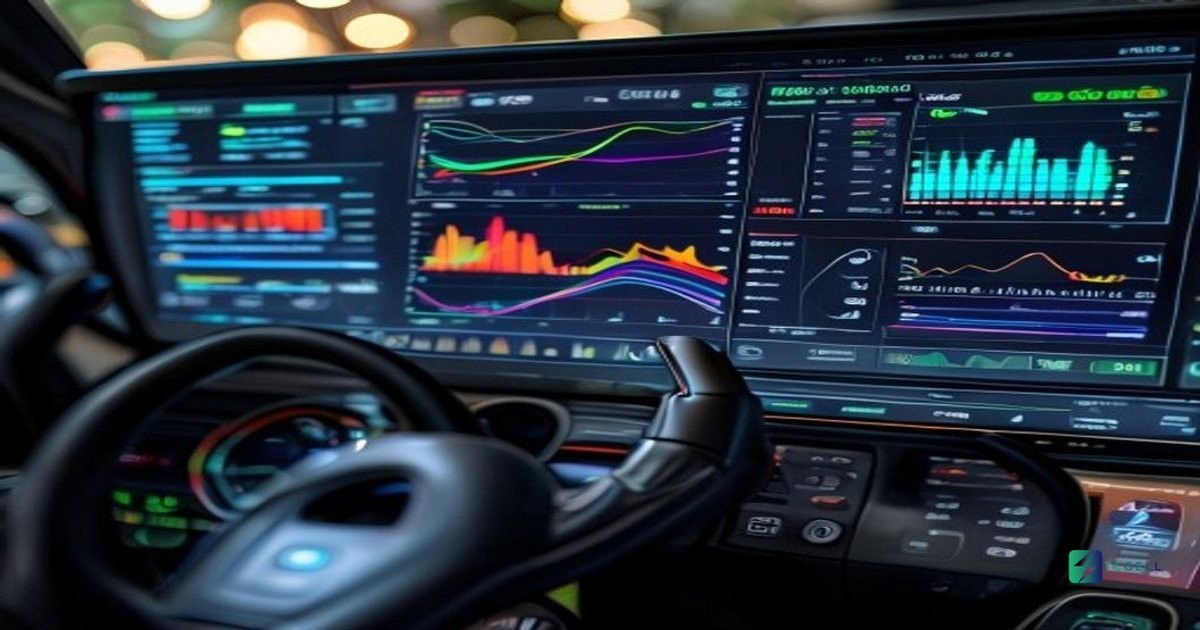
How Edge AI Transforms Predictive Maintenance in EV Charging Systems
Edge AI plays a critical role in predictive maintenance for EV charging infrastructure. This technology brings machine learning models directly to the charging station, enabling real-time analysis of hardware performance. Unlike traditional cloud-based systems, edge computing reduces latency and improves response times. It also enhances data privacy by keeping sensitive information local.
For operators managing large networks, this approach can significantly reduce downtime. It allows systems to detect anomalies before they cause failures. The result is more reliable charging experiences for users and lower maintenance costs for operators.
What Is Edge AI in EV Charging?
Edge AI refers to machine learning models that run on local hardware rather than in centralized servers. In EV charging, this means processing data directly on the charger or nearby edge devices. These systems analyze patterns in real time, such as temperature, voltage, and current fluctuations.
This localized approach is especially valuable for charging infrastructure that operates in remote or low-connectivity areas. It ensures that maintenance decisions are made quickly, even when internet access is limited. The technology supports both preventive and predictive maintenance strategies.
Why Predictive Maintenance Matters for EV Charging
Predictive maintenance helps avoid unexpected breakdowns in EV charging systems. Traditional reactive approaches often lead to costly repairs and user frustration. By contrast, predictive systems identify potential issues before they occur.
For example, a logistics company managing 40 vehicles faces significant challenges if charging stations fail unexpectedly. Predictive maintenance can flag a failing component hours or days before it stops working. This allows operators to schedule maintenance during low-usage periods.
Key Benefits of Edge AI for Charging Infrastructure
Reduced Downtime and Operational Costs
Edge AI significantly cuts down on unplanned downtime. It enables early detection of hardware degradation. This proactive approach helps operators plan maintenance more efficiently. It also reduces the frequency of emergency repairs, which are often more expensive.
For fleet operators, minimizing downtime is essential. A single charging station failure can halt operations for an entire fleet. Edge AI systems can alert operators to potential problems before they escalate. This allows for timely interventions that keep vehicles running.
Improved Hardware Lifespan
By monitoring performance metrics closely, edge AI extends the life of charging equipment. It identifies stress patterns that may lead to premature wear. Operators can adjust usage or maintenance schedules accordingly.
For instance, a commercial building with apartment charging stations might see varying usage patterns. Edge AI can detect when certain units are under more stress and recommend load balancing. This helps distribute wear evenly across the network.
Enhanced Data Security and Compliance
Edge computing keeps sensitive data local, reducing exposure to cyber threats. This is particularly important for compliance with data protection regulations. It also ensures that personal information about users remains secure.
For operators who manage public charging networks, this is a major advantage. It helps meet regulatory requirements while maintaining user trust. Edge AI systems can be designed to comply with standards like GDPR or CCPA.
Real-World Applications of Edge AI in EV Charging
Smart Charging Stations with Local Intelligence
Modern charging stations equipped with edge AI can self-monitor their own performance. They analyze data from sensors and internal systems to detect irregularities. This includes monitoring for overheating, voltage spikes, or component wear.
These systems can also adapt to changing conditions. For example, during peak hours, a station might adjust its power output to prevent overheating. This intelligent behavior helps maintain performance and safety.
Fleet Management and Load Balancing
Edge AI supports fleet operators by providing insights into charging station health. It can predict when a station will need maintenance or replacement. This allows operators to plan ahead and avoid disruptions.
A logistics company with 40 vehicles might use edge AI to monitor its charging network. The system could alert the fleet manager to a station that’s showing signs of wear. This allows for proactive maintenance, reducing the risk of vehicle downtime.
Challenges and Considerations
Hardware Limitations and Scalability
Deploying edge AI requires compatible hardware with sufficient processing power. Not all existing charging stations can support these models. Operators must evaluate their infrastructure before implementing edge solutions.
Scalability is another concern. As networks grow, managing multiple edge devices becomes more complex. Operators need tools that can centralize monitoring while still leveraging local processing power.
Model Accuracy and Continuous Learning
Edge AI models must be accurate to be effective. They need to be trained on real-world data to detect meaningful patterns. This requires ongoing updates and refinements.
Continuous learning is essential for maintaining model performance. As new types of hardware or usage patterns emerge, the system must adapt. This requires a robust feedback loop and regular updates.
Future Trends in Edge AI for EV Charging
Integration with Grid Management Systems
Edge AI is increasingly being integrated with smart grid technologies. This allows charging stations to respond to grid conditions in real time. For example, during high demand, a station might reduce its power draw to support grid stability.
This integration also supports dynamic pricing models. Charging stations can adjust rates based on grid load or renewable energy availability. It creates a more efficient and sustainable charging ecosystem.
AI-Driven Optimization of Charging Speeds
Future systems will use edge AI to optimize charging speeds dynamically. They’ll consider factors like battery health, temperature, and grid conditions. This ensures faster, safer charging for users.
For example, a station might slow down charging if it detects that a vehicle’s battery is overheating. It can also speed up charging when conditions are optimal. This intelligent behavior improves user satisfaction and system efficiency.
Conclusion
Edge AI is transforming how EV charging infrastructure is maintained and operated. It enables predictive maintenance that reduces downtime and extends hardware life. By processing data locally, it also improves security and responsiveness.
For operators managing large networks, this technology offers a competitive advantage. It allows for more efficient operations and better user experiences. As the EV charging landscape evolves, edge AI will play an increasingly important role.
Frequently Asked Questions
- What is edge AI in EV charging? Edge AI refers to machine learning models that run directly on charging stations or nearby devices. This allows real-time analysis of hardware performance and predictive maintenance.
- How does edge AI reduce downtime? It detects hardware issues before they cause failures. This enables proactive maintenance, reducing unexpected outages and improving reliability.
- Can edge AI improve charging speed? Yes, by analyzing battery health and grid conditions, edge AI can optimize charging speeds for safety and efficiency.
- Is edge AI secure? Yes, it keeps data local, reducing exposure to cyber threats. It also supports compliance with data protection regulations.
- What are the challenges of implementing edge AI? Hardware compatibility and scalability are key challenges. Models also need continuous updates to maintain accuracy.
Related Reading
For more on related topics, see: Could AI Make EV Charging More Energy-Efficient? – Tecell.
Further reading: The Future of EV Charging: Trends to Watch in 2025 | Tecell CMS Blog
📣 Join our Telegram channel for EV charging technology insights and product updates.
Also find us on: LinkedIn · X · Bluesky · Mastodon · DEV.to.