
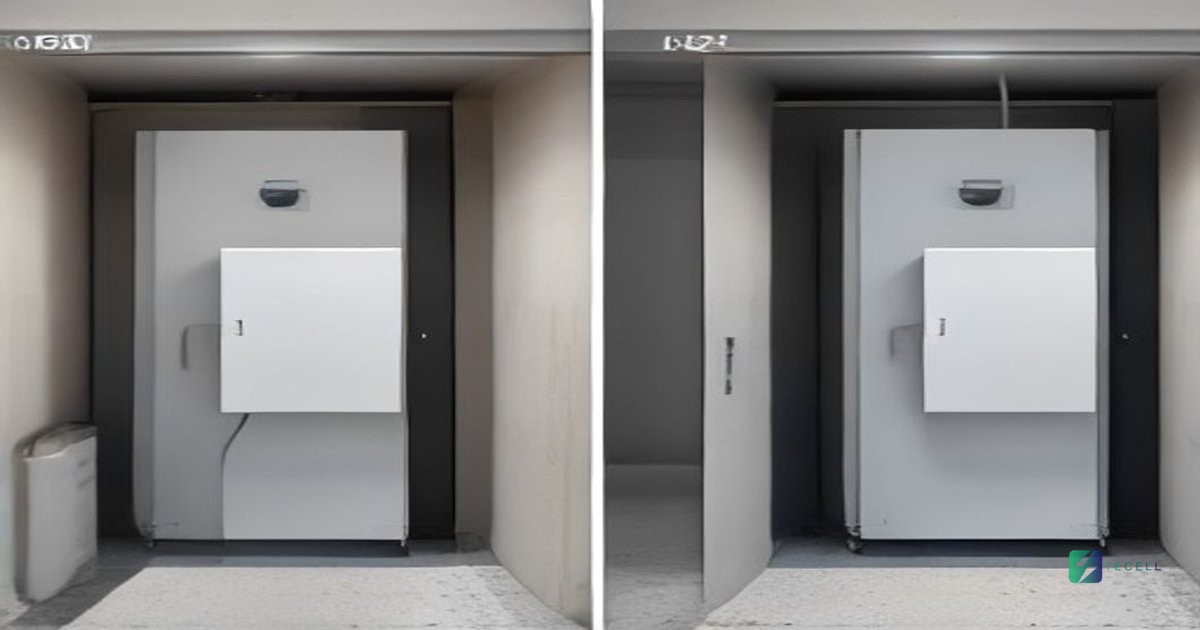
Understanding Level 3 Charger vs Wallbox for EV Infrastructure
When planning EV charging infrastructure, one of the most critical decisions involves choosing between a Level 3 charger and a wallbox. Both technologies serve different purposes and offer distinct advantages depending on the use case. This comparison explores how power delivery, charging speed, and scalability factor into real-world deployments.
For commercial and residential applications, understanding the differences between these two charging solutions is essential. A logistics company managing 40 vehicles, for example, might require fast-charging capabilities to keep operations running efficiently. Meanwhile, a residential complex may prioritize convenience and cost-effectiveness over speed.
Each type of charger has its own set of technical specifications, performance metrics, and deployment considerations. This article breaks down the core distinctions to help you make an informed decision.
What Is a Level 3 Charger?
A Level 3 charger, also known as a DC fast charger, delivers direct current (DC) power directly to the vehicle’s battery. It bypasses the onboard charger, enabling rapid charging compared to AC options.
These chargers are typically found at public stations, highway rest stops, and commercial facilities. They can provide significant energy in a short time, often reaching 80% charge within 30 minutes or less.
Level 3 chargers are ideal for scenarios where time is critical, such as long-distance travel or fleet operations. Their high power output makes them suitable for vehicles with higher voltage systems and fast-charging capabilities.
What Is a Wallbox?
A wallbox, or Level 2 charger, operates using alternating current (AC) and requires an onboard charger inside the vehicle to convert AC to DC. It typically delivers power at a lower rate than Level 3 chargers.
Wallboxes are commonly installed in homes, workplaces, and multi-unit residential buildings. They offer a balance between charging speed and cost, making them practical for daily use.
While they may take longer to charge a vehicle, wallboxes are reliable, safe, and often more affordable to install and maintain. They are particularly well-suited for overnight charging or when time isn’t a constraint.
Power Delivery: How Level 3 Chargers and Wallboxes Differ
The primary difference in power delivery lies in how electricity is transmitted to the vehicle. Level 3 chargers supply DC power directly, while wallboxes supply AC power that must be converted internally.
This fundamental distinction affects both efficiency and infrastructure requirements. Level 3 chargers demand more robust electrical systems and higher capacity connections, often requiring dedicated transformers or upgrades.
Wallboxes, on the other hand, can operate on standard household or commercial AC power, making them easier to integrate into existing setups without major modifications.
Charging Speed Comparison Between Level 3 and Wallbox
Charging speed is where Level 3 chargers outpace wallboxes significantly. A Level 3 charger can deliver hundreds of kilowatts of power, allowing for rapid top-ups during short stops.
Wallboxes, by contrast, usually operate at 7–22 kW, which means full charges take longer. However, this slower pace is often acceptable for residential or workplace use where vehicles are plugged in for extended periods.
For example, a logistics company with a fleet of electric delivery vans might rely on Level 3 chargers to reduce downtime between routes. In contrast, a home owner might prefer a wallbox for overnight charging without needing to visit a station.
Scalability Considerations for Commercial and Residential Use
Scalability plays a crucial role in infrastructure planning. Level 3 chargers are designed for high-volume, high-speed usage. They are often deployed in clusters to serve multiple vehicles simultaneously.
For commercial applications, such as shopping centers or office complexes, scalability means having enough charging points to meet demand. Level 3 chargers allow for efficient use of space and time, especially when integrated with smart charging systems.
Wallboxes, while less powerful, are easier to scale in residential settings. Adding more units is straightforward, and they can be managed through centralized systems like CMS platforms that support remote monitoring and control.
Cost Implications of Level 3 Chargers vs Wallboxes
Initial investment and ongoing costs differ significantly between Level 3 chargers and wallboxes. Level 3 chargers are more expensive due to their advanced components and higher power handling.
Installation of a Level 3 charger often requires electrical upgrades, site preparation, and compliance with local codes. These factors increase the total cost of ownership.
Wallboxes, by comparison, are more budget-friendly and easier to install. They can be mounted on walls or pedestals with minimal infrastructure changes, making them ideal for residential and small-scale commercial deployments.
Real-World Deployment Scenarios
Consider a large logistics company managing 40 electric delivery vehicles. To maintain operational uptime, the company installs Level 3 chargers at key depots. These chargers allow vehicles to be recharged quickly during brief breaks, ensuring minimal disruption to delivery schedules.
In contrast, a residential complex with 100 units might opt for wallboxes. Residents can charge their vehicles overnight, and the system can be managed through a unified platform that tracks usage and optimizes energy consumption.
Each scenario highlights how the choice between Level 3 and wallbox depends on the specific needs of the user and the environment in which the charging infrastructure is deployed.
Integration with Smart Charging Systems
Modern charging solutions are increasingly connected to smart systems that optimize performance and user experience. Both Level 3 chargers and wallboxes can be integrated into platforms like CMS or ChargeSphere for centralized management.
These systems enable features such as load balancing, dynamic pricing, and predictive maintenance. They also support interoperability standards like OCPI and OCPP, ensuring seamless communication across networks.
For example, a fleet operator using a CMS platform can monitor all charging sessions in real time, adjust power distribution based on grid conditions, and schedule maintenance proactively.
Energy Efficiency and Environmental Impact
Energy efficiency varies between Level 3 and wallbox systems. Level 3 chargers are highly efficient for fast charging, but they consume more power in a shorter time, which can strain the grid if not managed properly.
Wallboxes, while slower, tend to be more energy-efficient over longer charging periods. They also support renewable energy integration, such as solar panels, making them a sustainable choice for residential users.
Both technologies can contribute to reducing carbon emissions when paired with clean energy sources. The key is choosing the right solution for the intended use case and aligning it with broader sustainability goals.
Choosing the Right Charging Solution for Your Needs
Selecting between Level 3 chargers and wallboxes depends on several factors, including usage patterns, infrastructure capacity, and budget constraints. For high-demand environments, Level 3 chargers offer the fastest charging speeds and scalability.
Wallboxes are better suited for residential or low-to-moderate usage scenarios where convenience and cost-effectiveness are priorities. A hybrid approach, combining both types, may also be optimal for some deployments.
Ultimately, the decision should align with your operational goals and the specific requirements of your EV fleet or users.
FAQ
- What is the difference between Level 3 charger and wallbox? Level 3 chargers deliver DC power directly to the vehicle, enabling fast charging, while wallboxes use AC power that must be converted internally, offering slower but more accessible charging.
- Which is better for residential use: Level 3 charger or wallbox? Wallboxes are typically better for residential use due to their lower cost, ease of installation, and suitability for overnight charging.
- Can Level 3 chargers be used in homes? While possible, Level 3 chargers are generally not recommended for residential use due to high power requirements and installation complexity.
- How fast do Level 3 chargers charge EVs? Level 3 chargers can charge an EV to 80% in under 30 minutes, depending on the vehicle and charger specifications.
- Are wallboxes suitable for fleet operations? Wallboxes are less ideal for fleet operations requiring rapid turnaround, but they can support overnight charging and are easier to manage at scale.
Related Reading
For more on related topics, see: Smart Charger vs Wallbox: Hardware Architecture for Fleet Operators.
Further reading: India’s EV Charging Infrastructure: Opportunities and Challenges | Tecell CMS Blog
📣 Join our Telegram channel for EV charging technology insights and product updates.
Also find us on: LinkedIn · X · Bluesky · Mastodon · DEV.to.