
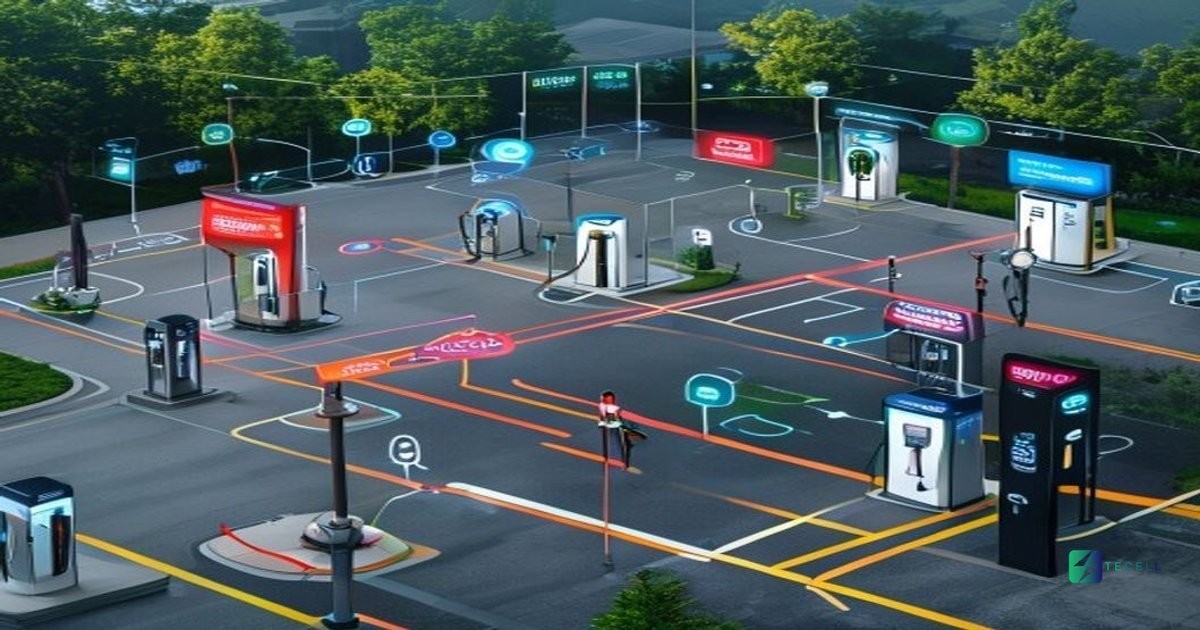
Understanding Multi-Tenant Charging Network Segmentation
Multi-tenant charging network segmentation using VLANs and network policies is a critical approach for managing shared infrastructure environments. This method ensures that each tenant—whether a fleet operator, property manager, or utility—maintains isolated data streams and operational control. The focus here is not just on physical separation but on logical network isolation that preserves security, compliance, and performance.
For example, a commercial building with multiple tenants may host EV charging stations for both residents and office workers. Each group needs distinct access controls, billing systems, and monitoring capabilities. Without proper segmentation, data from one tenant could inadvertently leak into another’s system, creating compliance risks and operational confusion.
This setup becomes even more complex when integrating with platforms like ChargeSphere or CMS. These systems must support multi-tenant environments while maintaining secure, isolated communication paths. The challenge lies in balancing flexibility with security—ensuring that each tenant can operate independently without compromising the integrity of the entire network.
Network segmentation through VLANs and policies allows operators to define clear boundaries between different user groups, devices, and services. It also enables granular control over traffic flow, access rights, and data handling, which is essential for large-scale deployments.
Why VLANs Matter in EV Charging Infrastructure
VLANs (Virtual Local Area Networks) play a foundational role in multi-tenant charging environments. They allow network administrators to logically divide a physical network into multiple isolated segments. Each segment behaves as its own network, even though they share the same hardware.
In practice, this means that a single charging station can be configured to send data to different VLANs depending on the user or tenant. For instance, a logistics company managing 40 vehicles might use one VLAN for internal fleet operations and another for public access. This separation ensures that sensitive operational data remains within the company’s secure domain.
When deploying charging infrastructure, especially in shared spaces like apartment complexes or office buildings, VLANs help prevent cross-contamination of network traffic. This is particularly important for compliance with data protection regulations such as GDPR or CCPA, where data isolation is a legal requirement.
By leveraging VLANs, operators can also simplify troubleshooting and reduce downtime. If one tenant experiences a network issue, it won’t affect others on the same physical infrastructure. This resilience is crucial for maintaining service availability in high-traffic environments.
Implementing Network Policies for Secure Data Flow
Network policies complement VLANs by defining how traffic moves between segments. These policies govern access control, encryption, and data routing, ensuring that only authorized users and systems can interact with specific parts of the network.
For example, a property manager might configure a policy that allows only their CMS to communicate with charging stations in their building. Meanwhile, a third-party fleet operator could have access to a separate VLAN with limited permissions. This level of control is essential for maintaining trust and operational autonomy among stakeholders.
Effective network policies also support dynamic resource allocation. In a scenario where multiple tenants are using the same charging infrastructure, policies can prioritize traffic based on demand or time-of-day. This ensures that critical operations—like emergency vehicle charging—take precedence over less urgent tasks.
With tools like Saha-Edge, operators can implement these policies at the edge, reducing latency and improving response times. Edge computing enables real-time decision-making, which is vital for smart charging and load balancing in multi-tenant environments.
Real-World Scenario: Shared Commercial Charging Infrastructure
A logistics company managing 40 vehicles faces a unique challenge when deploying charging infrastructure in a shared facility. The company needs to ensure that its fleet data stays private while still allowing public access to some stations. Using VLANs and network policies, the company can create separate logical networks for internal and external use.
The internal VLAN would be restricted to company-owned devices and personnel, with strict access controls and monitoring. Public access VLANs would allow customers to charge their vehicles without exposing sensitive fleet data. This setup supports both operational efficiency and regulatory compliance.
Additionally, the company can integrate its CMS with the network policies to automatically assign charging sessions to the correct VLANs. This automation reduces manual intervention and minimizes the risk of misconfigurations that could lead to security breaches.
By applying these principles, the logistics company maintains control over its data while offering a seamless experience to end users. It also sets a precedent for other organizations looking to adopt scalable, secure charging solutions.
Compliance and Security Benefits of Segmented Charging Networks
Multi-tenant charging network segmentation significantly enhances compliance with industry standards and data protection laws. When each tenant operates within its own isolated network segment, it becomes easier to audit and verify adherence to regulations.
For instance, a utility company deploying charging infrastructure across multiple municipalities must comply with local data governance rules. VLAN-based segmentation allows them to maintain separate data streams for each jurisdiction, simplifying compliance reporting and reducing liability.
Security is another major benefit. Isolated networks reduce the attack surface by limiting the potential impact of a breach. Even if one tenant’s network is compromised, the rest of the infrastructure remains protected. This is especially important in environments where charging stations are connected to broader smart city or grid systems.
Operators can also apply different security levels to different VLANs. For example, a high-security VLAN for government fleet operations might require two-factor authentication, while a public VLAN could use simpler access methods. This tiered approach ensures that security measures align with the sensitivity of the data being handled.
Best Practices for Deploying Segmented Charging Networks
Deploying a segmented charging network requires careful planning and coordination between IT and operations teams. Start by identifying the key tenants and their specific requirements. Then, design VLANs that reflect these needs without overcomplicating the architecture.
It’s important to consider scalability early on. As more tenants join the network, the segmentation strategy should accommodate growth without requiring major reconfigurations. This means using flexible, standardized approaches that can be easily replicated or expanded.
Regular audits of network policies and VLAN configurations are essential for maintaining security and compliance. These checks should include reviewing access logs, testing connectivity between segments, and ensuring that policies are still aligned with business objectives.
Finally, training staff on the segmented network structure helps prevent accidental misconfigurations. When everyone understands how the network is organized, they’re better equipped to troubleshoot issues and maintain performance.
Conclusion: The Future of Secure Multi-Tenant Charging
Multi-tenant charging network segmentation using VLANs and network policies is not just a technical solution—it’s a strategic enabler for scalable, secure EV infrastructure. As more organizations adopt shared charging solutions, the ability to isolate data and control access becomes increasingly important.
By implementing these practices, operators can meet the demands of diverse stakeholders while ensuring compliance and performance. Whether managing a small fleet or a large commercial installation, the principles of network segmentation remain consistent: logical separation, clear policies, and robust security.
With platforms like ChargeSphere and CMS, operators have powerful tools to manage these complexities. These systems support multi-tenant environments natively, making it easier to deploy and maintain secure, scalable charging networks. The future of EV infrastructure lies in intelligent, segmented networks that empower every user while protecting the integrity of the system.
Frequently Asked Questions
- What is multi-tenant charging network segmentation? It refers to the practice of logically separating different users or organizations within a shared charging infrastructure using VLANs and network policies to ensure data isolation and operational independence.
- How do VLANs improve security in EV charging networks? VLANs create isolated network segments that prevent unauthorized access between tenants, reducing the risk of data breaches and ensuring compliance with privacy regulations.
- Can network policies be applied to edge devices in charging networks? Yes, modern edge platforms like Saha-Edge allow operators to enforce network policies directly at the charging point, enabling real-time control and enhanced security.
- What are the main benefits of using VLANs in shared charging environments? VLANs provide logical separation, improved performance, easier troubleshooting, and better compliance management in multi-tenant setups.
- How does segmentation support regulatory compliance? By isolating data streams, segmentation makes it easier to audit and demonstrate adherence to data protection laws and industry standards.
Related Reading
For more on related topics, see: Multi-Tenant Charging Network Architecture for CPOs.
Further reading: ChargeSphere – EV Roaming Hub | Tecell
📣 Join our Telegram channel for EV charging technology insights and product updates.
Also find us on: LinkedIn · X · Bluesky · Mastodon · DEV.to.