
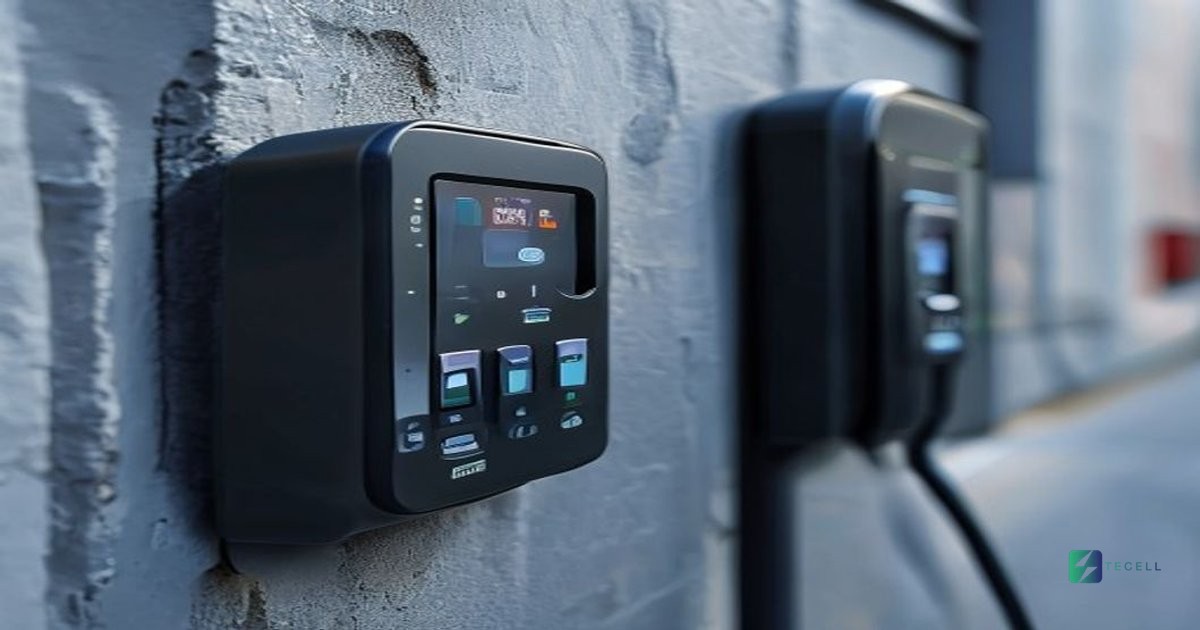
Smart Charger vs Wallbox: A Deep Dive into Hardware Architecture for Fleet Operators
When fleet operators evaluate charging solutions, the choice between a smart charger and a wallbox often comes down to hardware architecture, scalability, and management complexity. Both technologies serve the same core function—charging electric vehicles—but they differ significantly in how they’re built, deployed, and maintained. Understanding these differences is crucial for fleet managers who need reliable, scalable, and manageable charging infrastructure.
What Is a Smart Charger and How Does It Differ from a Wallbox?
A smart charger is a charging station that includes advanced communication capabilities, remote monitoring, and control features. It typically connects to a central management system via protocols like OCPP or OCPI. In contrast, a wallbox is a simpler charging solution, often designed for residential or small commercial use. While some wallboxes offer basic connectivity, they usually lack the sophisticated software integration and management features of a smart charger.
For fleet operators, this distinction matters because smart chargers are built for enterprise-level deployment. They support multiple vehicles, integrate with fleet management platforms, and offer real-time data on charging sessions, energy usage, and equipment status. Wallboxes, on the other hand, are more limited in their ability to scale and manage large numbers of vehicles.
Hardware Design and Scalability Considerations
Smart chargers are engineered for scalability. They often feature modular designs that allow for expansion, such as adding more charging ports or integrating with renewable energy sources. This makes them ideal for large-scale deployments where the number of charging points may grow over time.
Wallboxes, by design, are typically fixed in their configuration. While they may support multiple charging sessions, they are not built to accommodate rapid expansion. For a logistics company managing 40 vehicles, a wallbox setup would quickly become inadequate as the fleet grows.
Management Complexity and Control Features
Smart chargers offer a higher level of control and management. Fleet operators can monitor charging sessions, set pricing rules, and manage access permissions through a centralized dashboard. These systems often support dynamic pricing, load balancing, and integration with billing platforms.
Wallboxes, while convenient for individual users, are not designed for fleet-level control. They usually lack the software infrastructure to support complex management tasks. This makes them less suitable for environments where multiple users or vehicles need to be coordinated efficiently.
Communication Protocols and Integration Capabilities
Smart chargers are built to communicate using industry-standard protocols like OCPP (Open Charge Point Protocol) and OCPI (Open Charge Point Interface). These protocols enable seamless integration with third-party platforms, making it easier to manage charging across different locations and systems.
Wallboxes often support fewer communication options, limiting their ability to integrate with enterprise software. This can create challenges for fleet operators who rely on centralized systems to track and optimize charging operations.
Real-World Scenario: A Logistics Company’s Charging Needs
A logistics company managing 40 vehicles faces a unique challenge in charging infrastructure. With a fleet that operates across multiple sites, the company needs a solution that can scale, integrate with existing systems, and provide real-time visibility into charging operations.
Deploying wallboxes across all locations would not only be costly but also difficult to manage. A smart charger setup, however, allows the company to monitor each charging session, optimize energy usage, and ensure that vehicles are charged efficiently without manual oversight.
Energy Efficiency and Load Management
Smart chargers often include advanced load management features that help balance energy consumption across multiple charging points. This is especially important in fleet operations where energy costs and grid capacity are concerns.
Wallboxes, while energy-efficient in their own right, do not typically offer the same level of load balancing or energy optimization. This can lead to inefficiencies, particularly in environments with high charging demand.
Security and Data Protection
Smart chargers are designed with security in mind. They often include encrypted communication channels, secure authentication methods, and compliance with industry standards. This is essential for fleet operators who handle sensitive data and need to ensure that charging operations are secure.
Wallboxes, due to their simpler architecture, may not offer the same level of security. This can be a concern for fleet managers who need to protect both their data and their vehicles from unauthorized access.
Cost Considerations Over Time
While wallboxes may appear cheaper upfront, the total cost of ownership for fleet operations can be higher. Smart chargers, though initially more expensive, offer long-term benefits such as reduced maintenance, better energy efficiency, and easier scalability.
For a fleet operator, the investment in smart chargers can pay off quickly through improved operational efficiency and reduced downtime. Wallboxes, on the other hand, may require frequent upgrades or replacements as the fleet grows.
Conclusion: Choosing the Right Charging Infrastructure for Your Fleet
Smart chargers and wallboxes serve different purposes. Wallboxes are suitable for small-scale, individual use, while smart chargers are built for enterprise-level fleet operations. The hardware architecture of smart chargers supports scalability, advanced management features, and integration with modern fleet platforms.
Fleet operators should consider their long-term needs when choosing a charging solution. A smart charger setup offers the flexibility and control required for managing large fleets efficiently. It’s a decision that impacts not just the present but also the future of charging operations.
Frequently Asked Questions
- What is the main difference between a smart charger and a wallbox? Smart chargers are designed for enterprise use with advanced communication, management, and scalability features. Wallboxes are simpler, often used for residential or small commercial charging with limited integration capabilities.
- Can wallboxes be used for fleet charging? While possible, wallboxes are not ideal for fleet operations due to their limited scalability and lack of advanced management features. Smart chargers are better suited for managing multiple vehicles efficiently.
- How does hardware architecture affect fleet charging? The hardware architecture determines how easily a system can scale, integrate with management platforms, and support features like load balancing and real-time monitoring.
- What are the benefits of using smart chargers for fleet operators? Smart chargers offer centralized control, scalability, integration with fleet management systems, and advanced features like dynamic pricing and load balancing.
- Are smart chargers more secure than wallboxes? Yes, smart chargers typically include stronger security measures, such as encrypted communication and secure authentication, making them more suitable for enterprise environments.
Related Reading
For more on related topics, see: Charging Stations vs Only Portable Chargers for Electric Vehicles? – Tecell.
Further reading: India’s EV Charging Infrastructure: Opportunities and Challenges | Tecell CMS Blog
📣 Join our Telegram channel for EV charging technology insights and product updates.
Also find us on: LinkedIn · X · Bluesky · Mastodon · DEV.to.