Understanding Secure Multi-Tenant Session Orchestration in Fleet Charging
Secure multi-tenant session orchestration in fleet charging is a critical capability for managing shared hardware environments. It ensures that each user or organization maintains secure, isolated access to charging resources while enabling efficient transaction processing. This approach becomes especially important when multiple fleet operators use the same physical charging infrastructure.
For example, a logistics company managing 40 vehicles may need to access the same charging station network as other fleet operators. Each operator must have distinct session controls, authentication, and authorization mechanisms to prevent unauthorized access or transaction interference. This setup requires robust software architecture that supports concurrent user management without compromising security or performance.
At its core, this system must handle complex interactions between users, hardware, and backend services. It ensures that transactions are properly tracked, validated, and isolated across different tenants. The challenge lies in maintaining these boundaries while still allowing for efficient resource utilization and scalability.
Effective session orchestration enables operators to scale their charging operations without sacrificing control or security. It allows for dynamic allocation of charging resources, real-time monitoring, and seamless integration with existing fleet management systems.
Key Components of Secure Multi-Tenant Session Management
Session orchestration involves several key components that work together to ensure secure and efficient multi-tenant operations. These include identity management, access control, transaction integrity, and real-time monitoring.
Identity management ensures that each user or tenant is properly authenticated before gaining access to charging resources. This process typically involves verifying credentials through secure protocols such as OAuth or SAML. It also includes maintaining user profiles and roles that define what actions are permitted.
Access control mechanisms determine which users can interact with specific charging points or transactions. These systems enforce policies that prevent unauthorized access or manipulation of data. They also support role-based permissions, ensuring that only authorized personnel can perform certain actions.
Transaction integrity ensures that all charging activities are accurately recorded and validated. This includes tracking energy consumption, payment processing, and billing details. It also prevents duplicate transactions or fraudulent activity by maintaining audit trails and validating each step of the process.
Real-time monitoring provides visibility into current sessions, hardware status, and system performance. Operators can track usage patterns, identify bottlenecks, and respond quickly to issues. This capability is essential for maintaining service quality and operational efficiency.
How Tecell’s CMS Supports Multi-Tenant Charging Environments
Tecell’s Charge Management System (CMS) is designed to support secure multi-tenant session orchestration in fleet charging environments. It provides a centralized platform for managing access, transactions, and user sessions across shared hardware.
The system handles authentication and authorization through integrated identity providers. It supports various authentication methods, including username/password, API keys, and single sign-on (SSO). This flexibility allows fleet operators to integrate their existing identity management systems with Tecell’s platform.
Each tenant operates within its own isolated environment, with dedicated access controls and transaction logs. This isolation prevents cross-contamination of data or unauthorized access between different operators. The system also supports dynamic resource allocation, allowing charging points to be assigned based on demand or priority.
Transaction integrity is maintained through built-in validation and audit features. Every charging session is logged with detailed metadata, including start/end times, energy consumed, and payment information. These records are securely stored and can be retrieved for reporting or dispute resolution.
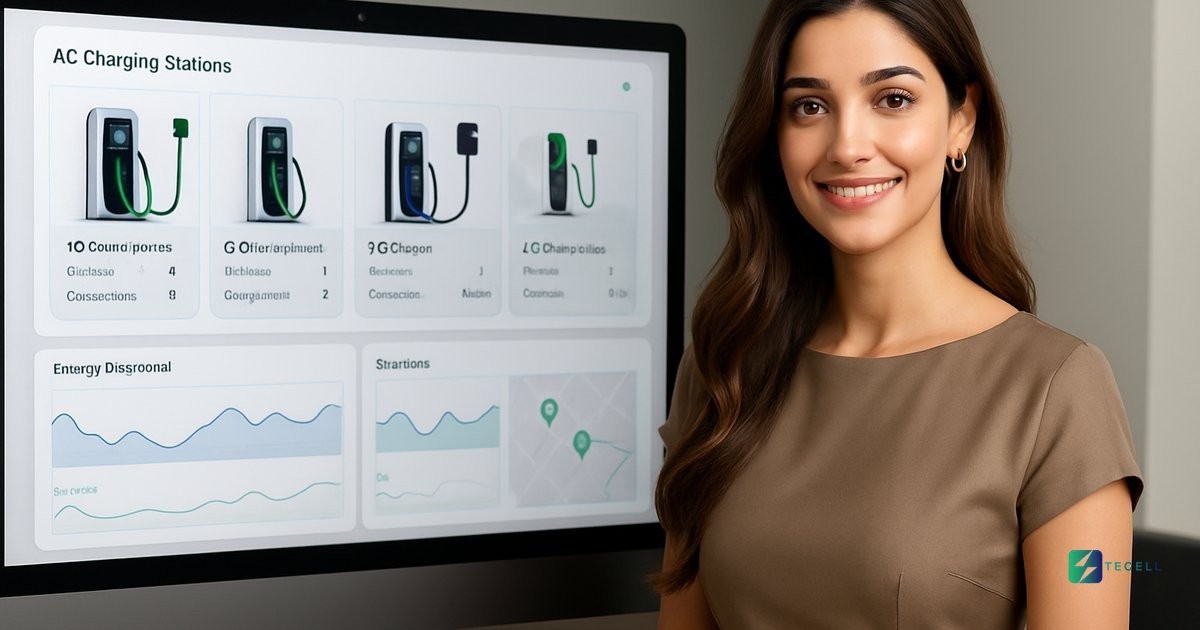
Real-time dashboards provide operators with insights into current sessions and system performance. They can monitor usage trends, identify potential issues, and make informed decisions about resource allocation. This visibility is crucial for optimizing fleet operations and ensuring consistent service delivery.
Benefits of Secure Multi-Tenant Session Orchestration
Secure multi-tenant session orchestration brings significant advantages for fleet operators and charging infrastructure providers. It enables efficient resource sharing while maintaining strict security boundaries.
For fleet operators, this approach reduces operational complexity. Instead of managing separate systems for each charging location, they can use a unified platform that handles all sessions and transactions. This simplifies billing, reporting, and compliance management.
Infrastructure providers benefit from improved utilization rates. Shared hardware can be used more efficiently when multiple tenants can access the same resources without conflicts. This leads to better return on investment and reduced capital expenditure.
Security is enhanced through isolation and control. Each tenant’s data and transactions remain separate, reducing the risk of breaches or unauthorized access. The system also supports compliance with industry standards and regulations.
Scalability is another key benefit. As more operators join the network, the system can accommodate additional tenants without requiring major infrastructure changes. This makes it easier to expand services and grow the charging ecosystem.
Challenges in Implementing Multi-Tenant Charging Systems
Implementing secure multi-tenant session orchestration in fleet charging presents several technical and operational challenges. These include managing complex user identities, ensuring transaction consistency, and maintaining performance under load.
One major challenge is handling diverse authentication methods and identity providers. Fleet operators may use different systems, such as Active Directory, LDAP, or cloud-based identity services. Integrating these with a unified platform requires careful planning and robust APIs.
Transaction consistency is another concern. When multiple users access the same charging point simultaneously, the system must ensure that each transaction is properly isolated and validated. This requires sophisticated logic to prevent conflicts or data corruption.
Performance under high load is also critical. During peak usage times, many sessions may be active at once. The system must handle these efficiently without slowing down or dropping connections. This often involves optimizing database queries, caching strategies, and network communication.
Compliance and regulatory requirements add another layer of complexity. Different regions may have varying standards for data protection, transaction logging, and user privacy. The system must be flexible enough to adapt to these requirements while maintaining core functionality.
Real-World Application: A Logistics Company Scenario
A logistics company managing 40 vehicles faces unique challenges in fleet charging. They need to ensure that each vehicle can access charging stations efficiently while maintaining secure, isolated sessions for their operations.
Using Tecell’s CMS, the company can assign specific charging sessions to individual vehicles or groups. Each session is tracked separately, with clear billing and usage data. This allows them to monitor performance and optimize routes based on charging availability.
The system also supports multiple user roles, such as fleet managers, drivers, and administrators. Each role has distinct permissions, ensuring that only authorized personnel can make changes or view sensitive information.
During peak hours, when many vehicles are charging simultaneously, the platform maintains performance through efficient session management. It dynamically allocates charging resources and prevents conflicts between sessions. This ensures that all vehicles are charged reliably and on schedule.
Future Trends in Multi-Tenant Charging Infrastructure
As fleet charging continues to evolve, secure multi-tenant session orchestration will become even more important. Emerging trends include increased automation, integration with smart grid systems, and enhanced AI capabilities.
Automation will reduce manual intervention in session management. Systems will automatically allocate charging resources based on vehicle needs, battery levels, and scheduling preferences. This will improve efficiency and reduce operational overhead.
Integration with smart grids will enable more intelligent charging decisions. The system can adjust charging rates based on grid demand, renewable energy availability, or time-of-use pricing. This supports sustainability goals while optimizing costs.
AI-powered analytics will provide deeper insights into usage patterns and predictive maintenance. Operators can anticipate issues before they occur and proactively manage their charging infrastructure. This level of intelligence enhances both performance and reliability.
These developments will require platforms like Tecell’s CMS to remain adaptable and scalable. They must support new protocols, integrate with evolving standards, and continue to prioritize security and user experience.
Conclusion
Secure multi-tenant session orchestration in fleet charging is essential for modern charging infrastructure. It enables efficient resource sharing while maintaining strict security and operational controls. Tecell’s CMS provides a robust foundation for managing these complex environments.
By supporting identity management, access control, transaction integrity, and real-time monitoring, the platform ensures that fleet operators can scale their operations confidently. It also helps infrastructure providers maximize utilization and maintain service quality.
As the charging ecosystem grows, the importance of secure session orchestration will only increase. Operators who invest in platforms that support multi-tenant environments will be better positioned to meet future demands and deliver reliable service.
Frequently Asked Questions
- What is secure multi-tenant session orchestration in fleet charging? It refers to the secure management of user sessions and transactions across shared charging infrastructure, ensuring each tenant maintains isolated access and control.
- How does Tecell’s CMS support multi-tenant charging? It provides integrated identity management, access control, transaction logging, and real-time monitoring to manage sessions securely across multiple operators.
- Why is multi-tenant session management important for fleet operators? It allows efficient resource sharing, simplifies operations, and ensures transaction integrity while maintaining security and compliance.
- What challenges exist in implementing multi-tenant charging systems? Key challenges include managing diverse identity providers, ensuring transaction consistency, and maintaining performance under high load.
- How does secure session orchestration benefit charging infrastructure providers? It improves resource utilization, supports scalability, and enhances security, leading to better ROI and service delivery.
Related Reading
For more on related topics, see: Partnerships – Tecell EV Charging Infrastructure Solutions.
Further reading: Tecell CMS – EV Charging Software for Fleets, Apartments & Workplaces
📣 Join our Telegram channel for EV charging technology insights and product updates.
Also find us on: LinkedIn · X · Bluesky · Mastodon · DEV.to.