
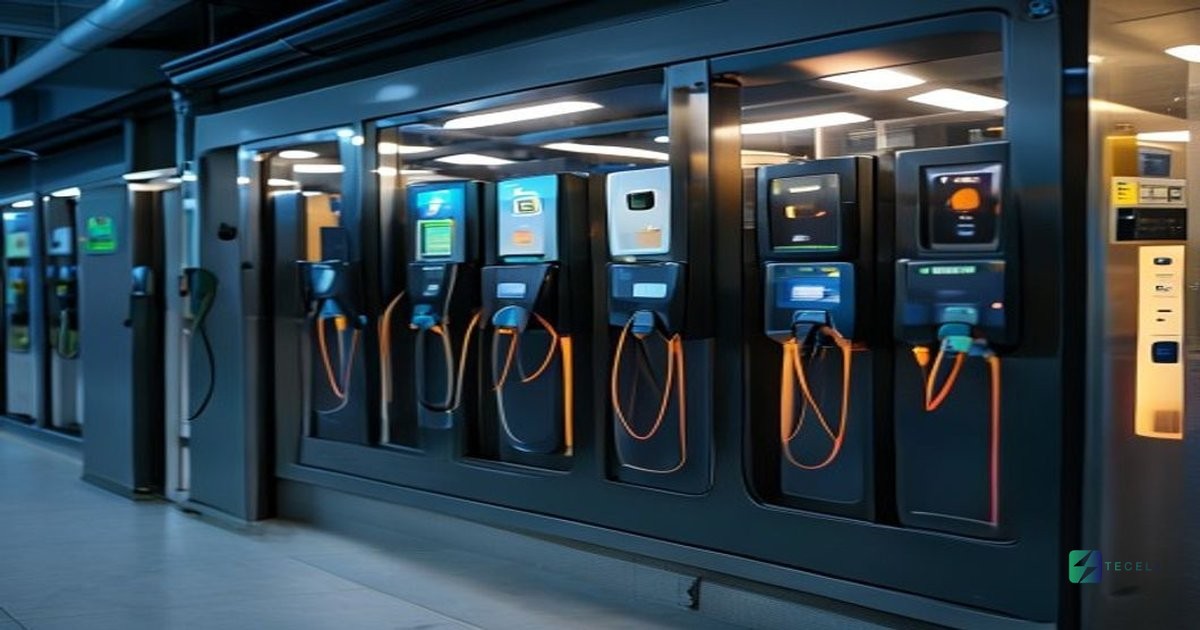
Fault Detection and Root Cause Analysis in High-Density Charging Cabinets
High-density charging cabinets are becoming essential for fleet operators, commercial facilities, and urban charging networks. These systems house multiple charging units in a compact space, increasing efficiency but also complexity. When faults occur, they can cascade quickly, affecting many users and causing significant downtime. Effective fault detection and root cause analysis are critical for maintaining reliability and minimizing disruptions.
Understanding how to identify and resolve issues early in these systems is not just about keeping chargers running—it’s about ensuring a seamless experience for users and reducing long-term maintenance costs. This post explores how predictive analytics and smart monitoring can transform how operators approach fault detection in high-density environments.
Why High-Density Cabinets Demand Advanced Fault Detection
High-density charging cabinets pack more units into smaller spaces, which increases the likelihood of thermal, electrical, or communication issues. Unlike single-charger setups, a fault in one unit can affect others due to shared components like power distribution boards or cooling systems.
For example, a logistics company managing 40 electric vehicles at a warehouse might rely on a high-density cabinet with 16 charging points. If one point fails due to overheating, it could impact the entire system’s performance or even trigger a safety shutdown.
Traditional monitoring systems often miss subtle signs of failure before they escalate. That’s where advanced fault detection systems come into play—identifying anomalies before they become full outages.
The Role of Predictive Analytics in Fault Detection
Predictive analytics uses historical and real-time data to anticipate potential failures. It analyzes patterns in voltage, current, temperature, and communication logs to detect deviations from normal behavior.
For instance, if a charging unit shows a gradual increase in operating temperature over several hours, predictive models can flag this as a warning sign. Operators can then take preventive action before the unit fails completely.
This approach is especially valuable in high-density environments where manual inspection is impractical. It allows operators to prioritize maintenance based on risk rather than waiting for failures to occur.
Root Cause Analysis: Beyond the Surface
When a fault does occur, root cause analysis helps determine why it happened. This process goes beyond identifying the immediate failure—like a blown fuse or communication error—to uncover underlying issues such as design flaws, environmental stress, or component aging.
For example, a repeated failure in a specific charging port might not be due to a single faulty part but rather a design issue with heat dissipation in that area. Identifying this allows operators to make targeted improvements.
Root cause analysis also supports continuous improvement. By tracking recurring issues, operators can refine their maintenance schedules, upgrade components, or adjust system configurations to prevent similar problems.
Real-Time Monitoring and Alert Systems
Effective fault detection requires real-time visibility into system performance. Modern systems use sensors and communication protocols to collect data continuously. This data is then processed through algorithms that can detect anomalies and alert operators instantly.
Alerts should be actionable, providing enough context to help operators respond quickly. For example, an alert might indicate that a particular charging unit is showing signs of overheating and suggest checking the cooling system or reducing load.
These systems also support remote diagnostics, allowing technicians to troubleshoot issues without being physically present. This is especially useful for installations in remote or hard-to-reach locations.
Challenges in High-Density Environments
One major challenge in high-density cabinets is the complexity of interdependencies between components. A failure in one part can trigger cascading effects across the system.
Another challenge is the sheer volume of data generated. Without proper tools, operators may struggle to sift through logs and identify meaningful patterns. This is where intelligent analytics platforms become essential.
Additionally, environmental factors like humidity, dust, or temperature fluctuations can affect performance. These variables must be accounted for in both monitoring and analysis to avoid false positives or missed warnings.
Case Study: A Fleet Operator’s Experience
A logistics company managing 40 electric vehicles faced frequent downtime due to charging cabinet failures. The root cause was often unclear, leading to reactive maintenance that was both time-consuming and costly.
After implementing a predictive analytics system, the company began receiving early warnings about potential issues. For example, a gradual rise in temperature in one of the charging units was flagged before it caused a shutdown.
By addressing these issues proactively, the company reduced unplanned downtime by over 40%. The system also helped identify a recurring issue with a specific model of charger, allowing the company to replace those units before they failed.
Best Practices for Implementing Fault Detection Systems
Start with clear data collection goals. Identify which metrics are most important for your environment—such as temperature, current draw, or communication status.
Ensure that your monitoring tools integrate well with existing systems. Compatibility is key to avoiding gaps in coverage or data silos.
Train staff on interpreting alerts and responding appropriately. A powerful system is only as good as the people who use it.
Regularly review and update your models. As systems evolve, so should the algorithms that monitor them.
Future Trends in Fault Detection and Analysis
As AI and machine learning advance, fault detection systems will become even more accurate and autonomous. These systems will not only detect faults but also recommend solutions or automatically initiate corrective actions.
Integration with broader smart infrastructure platforms will allow for better coordination between charging systems, building management, and grid operations. This will lead to more efficient and resilient charging networks.
With increasing adoption of high-density cabinets, the demand for intelligent monitoring will continue to grow. Operators who invest in these technologies now will be better positioned to scale efficiently and maintain reliability.
Fault Detection and Root Cause Analysis: Key Takeaways
Fault detection in high-density charging cabinets is more than just identifying failures—it’s about preventing them. Predictive analytics and real-time monitoring provide the tools needed to maintain system reliability and reduce downtime.
Root cause analysis ensures that fixes address underlying issues, not just symptoms. This leads to more durable systems and lower long-term costs.
Operators who adopt these practices early will gain a competitive edge in managing complex charging infrastructures. The investment in smart monitoring pays off through improved uptime and user satisfaction.
Frequently Asked Questions
What is fault detection in charging cabinets?
Fault detection refers to the process of identifying abnormal conditions or failures in charging systems before they lead to complete outages. It involves monitoring key parameters like temperature, voltage, and current to spot anomalies.
How does predictive analytics help with fault detection?
Predictive analytics uses historical and real-time data to anticipate potential failures. It identifies patterns that indicate a component may fail soon, allowing operators to take preventive action.
Why is root cause analysis important for charging systems?
Root cause analysis helps determine why a fault occurred, not just what failed. This deeper understanding allows operators to fix the underlying issue and prevent future occurrences.
What are the benefits of real-time monitoring?
Real-time monitoring provides immediate visibility into system performance. It enables quick responses to issues and supports remote diagnostics, reducing the need for on-site visits.
How can high-density cabinets be managed effectively?
Effective management requires combining smart monitoring with predictive analytics. This approach helps operators maintain reliability while scaling efficiently in complex environments.
Related Reading
For more on related topics, see: EV Charging Software & Management Platforms | Tecell.
Further reading: EV Charge Management Software India | Tecell CMS
📣 Join our Telegram channel for EV charging technology insights and product updates.
Also find us on: LinkedIn · X · Bluesky · Mastodon · DEV.to.