
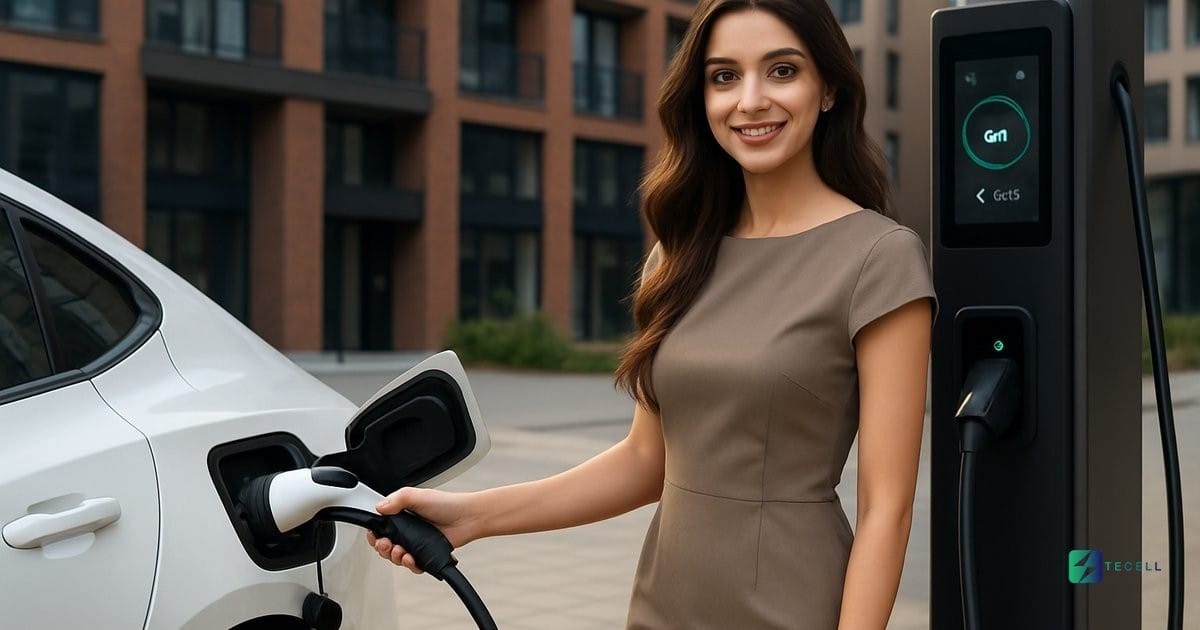
Smart Charging for Urban Microgrids: A New Paradigm in EV Infrastructure
Smart charging for urban microgrids represents a transformative approach to managing electric vehicle (EV) charging infrastructure. This method integrates EVSEs with local energy storage and solar generation to optimize grid stability and reduce peak demand charges. The focus is on creating resilient, self-sufficient energy ecosystems within cities. These systems are particularly valuable in urban environments where grid capacity is limited and energy costs are high.
Urban microgrids are not just about energy efficiency. They are about redefining how cities manage power consumption. By embedding smart charging capabilities into these systems, cities can better balance supply and demand. This is especially important as EV adoption accelerates and the strain on local grids increases. Smart charging systems can shift load during peak hours, reducing the need for costly infrastructure upgrades.
For fleet operators and building managers, smart charging for urban microgrids offers a way to reduce operational costs. It also provides a framework for integrating renewable energy sources into charging operations. This approach supports sustainability goals while maintaining economic viability. The technology allows for dynamic pricing and load management, making charging more predictable and manageable.
How Smart Charging Works in Urban Microgrids
Smart charging for urban microgrids operates through a combination of hardware and software solutions. EVSEs are equipped with communication protocols that allow them to interact with local energy storage systems and solar panels. These systems can monitor energy production and consumption in real time.
When solar generation exceeds demand, excess energy can be stored in batteries. During peak demand periods, this stored energy can be used to power charging stations. This process reduces reliance on the main grid and lowers electricity costs. It also helps stabilize the grid by smoothing out fluctuations in energy use.
Smart charging systems can also prioritize charging based on energy availability. For example, if solar panels are producing a surplus, charging can be accelerated. If energy is scarce, charging can be delayed or reduced. This flexibility is essential for maintaining grid stability in urban areas.
Benefits of Smart Charging for Urban Microgrids
One of the primary benefits of smart charging for urban microgrids is the reduction in peak demand charges. Many utility companies charge higher rates during peak hours. By shifting charging loads to off-peak times, these costs can be significantly reduced.
Energy storage systems also provide backup power during outages. This is particularly valuable in urban areas where power disruptions can impact critical services. Smart charging systems can automatically switch to stored energy when needed, ensuring continuous operation.
From an environmental perspective, smart charging supports renewable energy integration. It allows cities to maximize the use of solar and other clean energy sources. This reduces carbon emissions and supports sustainability initiatives. The system also helps balance the grid, reducing the need for fossil fuel-based power generation.
Real-World Application: A Logistics Company Case Study
A logistics company managing 40 vehicles faces challenges with energy costs and grid stability. The company installs smart charging systems at its depot, integrating solar panels and battery storage. These systems are connected to EVSEs that communicate with a central management platform.
During the day, solar panels generate excess energy. This energy is stored in batteries and used to charge vehicles during peak hours. The system automatically adjusts charging schedules based on energy availability. This approach reduces the company’s electricity bills and ensures reliable charging for its fleet.
The company also benefits from reduced peak demand charges. By shifting charging loads to off-peak times, it avoids high-rate periods. The smart charging system provides real-time monitoring and analytics, helping the company optimize its operations. This case demonstrates how smart charging for urban microgrids can deliver tangible benefits.
Technical Considerations for Implementation
Implementing smart charging for urban microgrids requires careful planning and integration. The system must support communication protocols like OCPP and OCPI. These standards ensure compatibility between different hardware and software components.
Energy storage systems must be scalable and reliable. They should be able to handle varying energy demands and provide consistent power. Battery management systems are essential for monitoring and maintaining battery health. These systems prevent overcharging and extend battery life.
Software platforms play a critical role in managing smart charging operations. They provide real-time data, analytics, and control capabilities. These platforms must be user-friendly and offer robust reporting features. They also need to integrate with existing fleet management systems.
Challenges and Solutions in Smart Charging Deployment
One of the main challenges in deploying smart charging for urban microgrids is the complexity of integration. Different systems must work together seamlessly. This requires careful coordination between hardware vendors, software providers, and utility companies.
Another challenge is regulatory compliance. Energy regulations vary by location and can be complex. Companies must ensure their systems meet all applicable standards and requirements. This often involves working with local authorities and utility providers.
Cost is also a consideration. While smart charging systems offer long-term savings, the initial investment can be significant. Companies must evaluate the return on investment carefully. They should also consider funding options and incentives that may be available.
Future Trends in Smart Charging for Urban Microgrids
The future of smart charging for urban microgrids is shaped by advancements in AI and machine learning. These technologies can predict energy demand and optimize charging schedules. They can also identify potential issues before they occur, improving system reliability.
Grid integration is another area of growth. Smart charging systems are becoming more sophisticated in their ability to interact with the broader power grid. This includes participating in demand response programs and providing grid services.
As urban areas continue to grow, the need for smart charging solutions will increase. These systems will play a key role in supporting sustainable urban development. They will also help cities meet their climate goals while maintaining reliable energy access.
FAQ
-
What is smart charging for urban microgrids?
Smart charging for urban microgrids refers to the integration of EVSEs with local energy storage and solar generation. This approach optimizes grid stability and reduces peak demand charges by managing energy consumption in real time.
-
How does smart charging reduce energy costs?
Smart charging systems shift energy consumption to off-peak hours and use stored energy during high-demand periods. This reduces reliance on expensive grid power and lowers electricity bills.
-
What are the main components of a smart charging system?
The main components include EVSEs, energy storage systems, solar panels, and a central management platform. These elements work together to monitor and control energy use.
-
Can smart charging systems integrate with existing infrastructure?
Yes, smart charging systems can be integrated with existing EVSEs and energy infrastructure. Compatibility with standards like OCPP and OCPI ensures smooth integration.
-
What are the environmental benefits of smart charging?
Smart charging supports renewable energy use and reduces carbon emissions. It also helps balance the grid, reducing the need for fossil fuel-based power generation.
Related Reading
For more on related topics, see: EV Charging Solution | Cloud-Based EV Charging Management.
Further reading: The Future of EV Charging: Trends to Watch in 2025 | Tecell CMS Blog
📣 Join our Telegram channel for EV charging technology insights and product updates.
Also find us on: LinkedIn · X · Bluesky · Mastodon · DEV.to.