
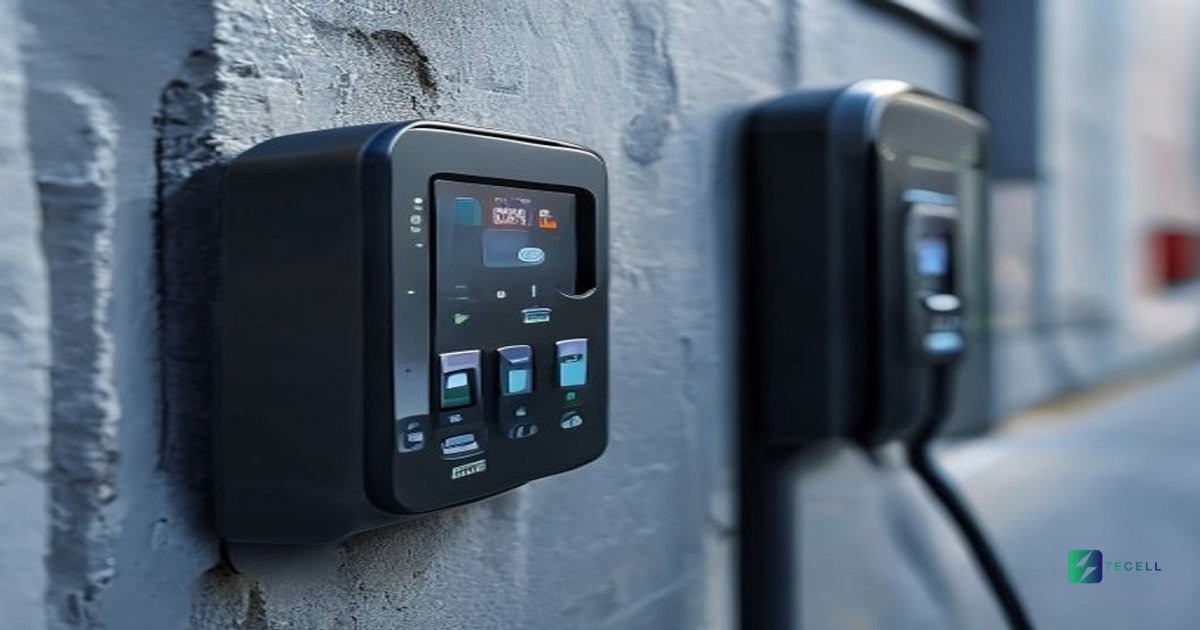
A Tesla connector cannot be physically used with a Type 2 charging station because they have different plug designs and pin configurations. The Tesla connector is proprietary to Tesla vehicles, while Type 2 is a standard used by most European and global charging networks. This incompatibility means that power delivery and communication protocols like OCPP 2.0.1 must be handled through adapter solutions or specific charging hardware that supports both formats.
How it works in practice
In real-world deployments, using a Tesla connector with a Type 2 station requires either a dedicated adapter or a charging station that supports multiple connector types. These setups often involve a hybrid charging solution where the station can switch between connector types based on vehicle requirements. For example, a fleet operator might install a charging station that supports both Tesla and Type 2 connectors to serve a mixed vehicle fleet.
OCPP 2.0.1 communication in such setups is managed through the charging station’s firmware, which must be configured to support both connector types. This ensures that the communication protocol can handle the different power delivery profiles and vehicle-specific requirements. The system must also maintain secure and reliable communication even when switching between connectors.
Implications for offline operation and cloud dependency
When using a Tesla connector with a Type 2 station, the charging process may still require cloud connectivity for certain features like remote diagnostics or load balancing. However, the core charging function can operate offline if the station is equipped with local processing capabilities. This is especially important for fleet operators or enterprise deployments where network reliability is a concern.
For systems using Saha-Edge or similar edge computing platforms, offline operation becomes more robust. These platforms enable intelligent local control and energy optimization without relying on cloud services. This means that even if a Tesla vehicle connects via a Type 2 station, the charging session can proceed with local decision-making for power distribution and communication.
Related Reading
For more on related topics, see: Type 2 vs CCS1 Connector Technical Differences.
Further reading: ChargeSphere – EV Roaming Hub | Tecell
📣 Join our Telegram channel for EV charging technology insights and product updates.
Also find us on: LinkedIn · X · Bluesky · Mastodon · DEV.to.