Understanding Cross-Protocol Compatibility in EV Charging
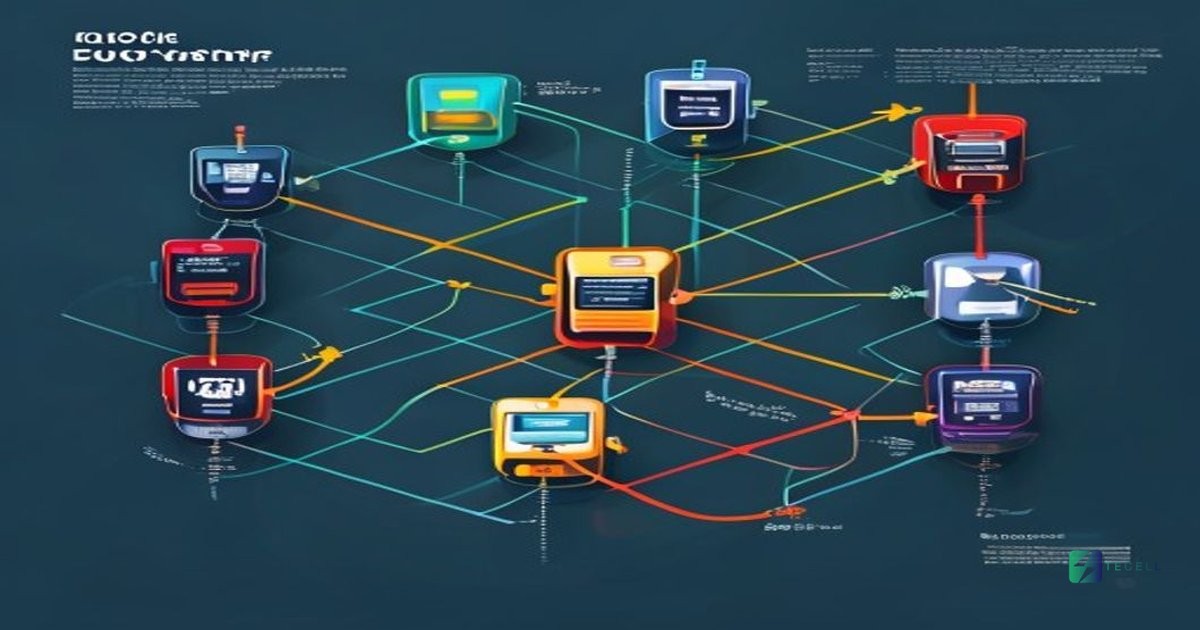
When managing an EV charging network, one of the most complex challenges is ensuring that different systems can communicate effectively. Cross-protocol compatibility in EV charging refers to the ability of various charging systems—whether they use OCPP, OCPI, or proprietary protocols—to work together seamlessly. This capability is essential for operators who want to offer a unified experience to their users, regardless of which charging station they use.
For example, a logistics company managing 40 vehicles faces the challenge of integrating multiple charging solutions across different locations. If these systems don’t support cross-protocol compatibility, operators must manage separate platforms, leading to inefficiencies and user frustration. The goal is to create a single, cohesive system that allows for smooth transitions between different charging technologies.
Without proper integration, operators risk losing customers who expect a consistent experience. This is especially true in public and fleet charging environments where users may switch between different networks throughout the day. Cross-protocol compatibility ensures that all systems can interact, regardless of their underlying communication standards.
As the EV charging landscape continues to evolve, the need for interoperability becomes more critical. Operators must be able to support a wide range of charging solutions while maintaining control over their infrastructure. This requires a deep understanding of how different protocols function and how they can be bridged effectively.
Why Cross-Protocol Compatibility Matters for Charge Point Operators
Charge Point Operators (CPOs) are responsible for deploying and managing charging infrastructure. Their success depends on how well their systems integrate with other networks and technologies. Cross-protocol compatibility allows CPOs to expand their reach without sacrificing operational efficiency.
For instance, a CPO might install charging stations that support both OCPP and proprietary protocols. If these systems can communicate with each other, the operator can manage all stations through a single platform. This simplifies operations and reduces the need for multiple tools or interfaces.
When systems are not compatible, operators often face increased costs and complexity. They may need to invest in additional hardware or software to bridge communication gaps. This can slow down deployment and reduce the overall value of the charging network.
By prioritizing cross-protocol compatibility, operators can future-proof their infrastructure. As new technologies emerge, they’ll be better prepared to integrate them without major disruptions to their existing systems.
OCPP and OCPI: The Foundation of EV Charging Communication
OCPP (Open Charge Point Protocol) and OCPI (Open Charge Point Interface) are two of the most widely adopted standards in the EV charging industry. OCPP governs communication between charging stations and Charge Point Operators, while OCPI enables roaming between different operators.
OCPP defines how charging stations interact with backend systems, including data exchange, transaction management, and remote control capabilities. It supports both OCPP 1.6 and 2.0.1 versions, each offering enhanced features for modern charging networks.
OCPI, on the other hand, focuses on enabling roaming between different CPOs. It allows users to charge at stations operated by other companies using a single payment method or account. This is particularly important for public charging networks where users expect flexibility.
These protocols are essential for cross-protocol compatibility because they provide a common language for charging systems. However, not all systems support these standards equally, which creates challenges for integration.
Challenges with Proprietary Systems and Their Integration
Many charging stations use proprietary protocols developed by manufacturers. While these systems may offer unique features, they often lack the interoperability needed for seamless integration with other networks.
For example, a manufacturer might design a charging station that only communicates using its own protocol. This can make it difficult for operators to manage these stations alongside others that support OCPP or OCPI.
Operators must often rely on gateways or middleware to translate between different protocols. These solutions add complexity and potential points of failure to the system. They also require ongoing maintenance and updates to remain effective.
The challenge is not just technical—it’s also about cost and scalability. As networks grow, the number of incompatible systems increases, making integration more difficult and expensive.
Real-World Scenario: A Fleet Operator’s Cross-Protocol Challenge
A logistics company managing 40 electric vehicles faces a common issue in EV charging: inconsistent communication between charging stations. Some stations support OCPP, others use proprietary protocols, and a few are even older models that don’t support modern standards.
The company needs to monitor charging activity, manage billing, and ensure vehicles are charged efficiently. Without cross-protocol compatibility, they must use separate tools for each type of station. This leads to fragmented data and increased administrative overhead.
To solve this, the company invests in a system that can bridge different protocols. This allows them to manage all charging stations through a single interface, regardless of their communication method. The result is improved efficiency and better control over their charging operations.
This scenario highlights the importance of choosing systems that support cross-protocol compatibility from the start. It also shows how integration can reduce complexity and improve user experience.
Strategies for Achieving Seamless Cross-Protocol Integration
Operators can take several steps to improve cross-protocol compatibility in their networks. First, they should prioritize charging stations that support widely accepted standards like OCPP and OCPI.
Second, investing in middleware or gateways that translate between protocols can help bridge gaps. These tools should be scalable and easy to maintain, especially as the network grows.
Third, operators should consider the long-term implications of their choices. Systems that support multiple protocols now may be more valuable in the future as new technologies emerge.
Finally, staying informed about industry developments and standards updates ensures that operators can adapt quickly. This proactive approach helps avoid costly retrofits or system overhauls later on.
Benefits of Cross-Protocol Compatibility for End Users
For end users, cross-protocol compatibility means a smoother and more reliable charging experience. Users can charge at any station that supports their preferred payment method, regardless of the underlying technology.
For example, a user might charge at a station that uses a proprietary protocol but still be able to use their OCPP-enabled app. This flexibility is especially important for public charging networks where users may not know which systems are available.
When systems are compatible, users also benefit from consistent billing and transaction handling. They don’t have to worry about different rules or processes depending on where they charge.
Ultimately, cross-protocol compatibility helps build trust in the charging infrastructure. Users are more likely to adopt EVs if they know charging will be reliable and convenient.
Future Trends in Cross-Protocol Compatibility
As EV adoption grows, so does the demand for better integration between charging systems. Future trends point toward more standardized communication protocols and improved interoperability.
One area of development is the expansion of OCPI to support more features and use cases. This includes better support for dynamic pricing, load management, and real-time data sharing.
Another trend is the rise of open-source solutions that help bridge protocol gaps. These tools are often more flexible and cost-effective than proprietary alternatives.
Operators who invest in cross-protocol compatibility today will be better positioned to take advantage of these trends. They’ll be able to integrate new technologies more easily and offer better services to their users.
Conclusion: The Path Forward for EV Charging Networks
Cross-protocol compatibility is a critical component of modern EV charging networks. It enables operators to manage diverse systems efficiently while providing users with a seamless experience.
By choosing systems that support widely accepted standards and investing in integration tools, operators can future-proof their infrastructure. This approach not only simplifies operations but also enhances user satisfaction and trust.
As the industry continues to evolve, the importance of interoperability will only increase. Operators who prioritize cross-protocol compatibility now will be better prepared for the challenges and opportunities ahead.
Frequently Asked Questions
- What is cross-protocol compatibility in EV charging? Cross-protocol compatibility refers to the ability of different charging systems to communicate and work together, even if they use different communication standards like OCPP, OCPI, or proprietary protocols.
- Why is cross-protocol compatibility important for Charge Point Operators? It allows operators to manage diverse charging stations through a single platform, reducing complexity and improving operational efficiency.
- How does cross-protocol compatibility benefit end users? Users can charge at any compatible station using their preferred payment method, without worrying about system incompatibilities or inconsistent experiences.
- What are the main challenges with proprietary charging systems? Proprietary systems often lack interoperability, requiring additional tools or gateways to connect with other networks, which increases complexity and cost.
- What should operators consider when choosing charging stations? Operators should prioritize stations that support widely accepted protocols like OCPP and OCPI, and ensure they can integrate with existing systems.
Related Reading
For more on related topics, see: Chargepoint Alliance – EV Charging Interoperability.
Further reading: EV Charge Management Software Global | Europe, UK, US | Tecell CMS
📣 Join our Telegram channel for EV charging technology insights and product updates.
Also find us on: LinkedIn · X · Bluesky · Mastodon · DEV.to.