
How Tecell Ensures ISO 15118 Plug & Charge for Fleet Applications
Tecell ensures ISO 15118 Plug & Charge compliance for fleet applications through secure, multi-tenant authentication and standardized communication protocols.
Charging stations, EVSE equipment, charging networks, CPO operations, installation guides, and infrastructure development.
Sample Topics:
Keywords: charging station, charger, EVSE, charging point, CPO, charging network
Tecell ensures ISO 15118 Plug & Charge compliance for fleet applications through secure, multi-tenant authentication and standardized communication protocols.
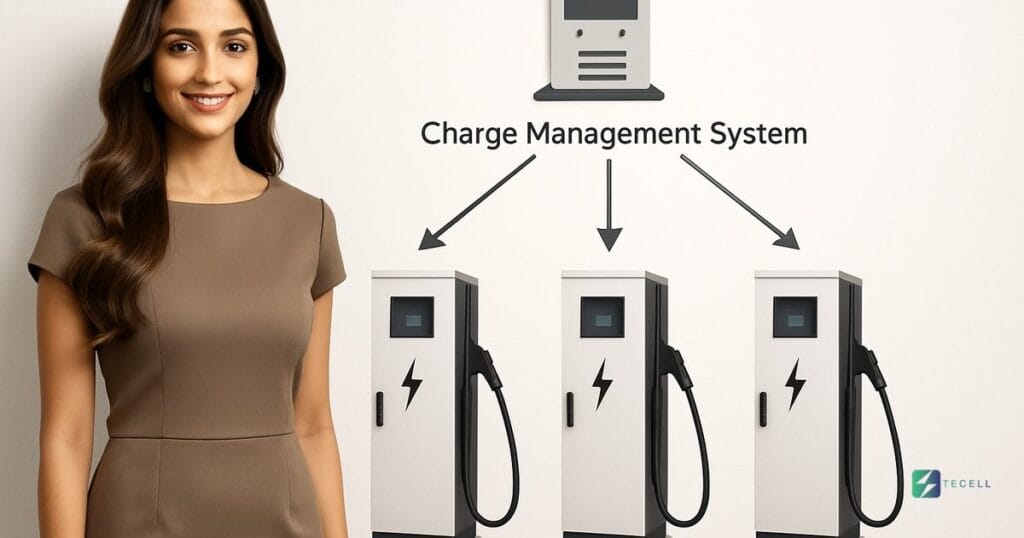
Tecell’s CMS supports automatic load balancing across multiple charging cabinets in a single network.

Tecell’s CMS supports real-time tariff adjustments based on OpenADR grid congestion signals, enabling dynamic pricing for charging operations.
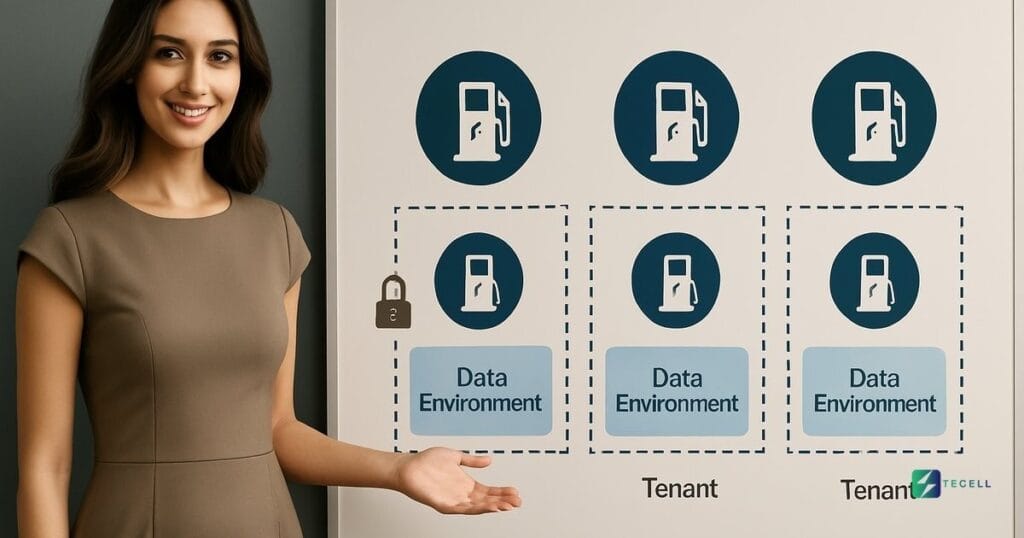
A secure multi-tenant charging data mesh allows CPOs to share insights while maintaining operational isolation and compliance.

Tecell’s CMS supports real-time tariff switching based on time-of-use pricing, enabling dynamic rate adjustments for cost-effective charging operations.

Tecell’s CMS supports integration with third-party EMS systems for real-time energy optimization in multi-tenant environments.

This guide explores the operational efficiency, power delivery, and cost-benefit analysis of Level 2 vs Level 3 EV chargers for urban charging networks.
Tecell’s CMS maintains session integrity when chargers switch from OCPP 1.6J to OCPP 2.0.1 mid-session through dynamic adaptation and data preservation.
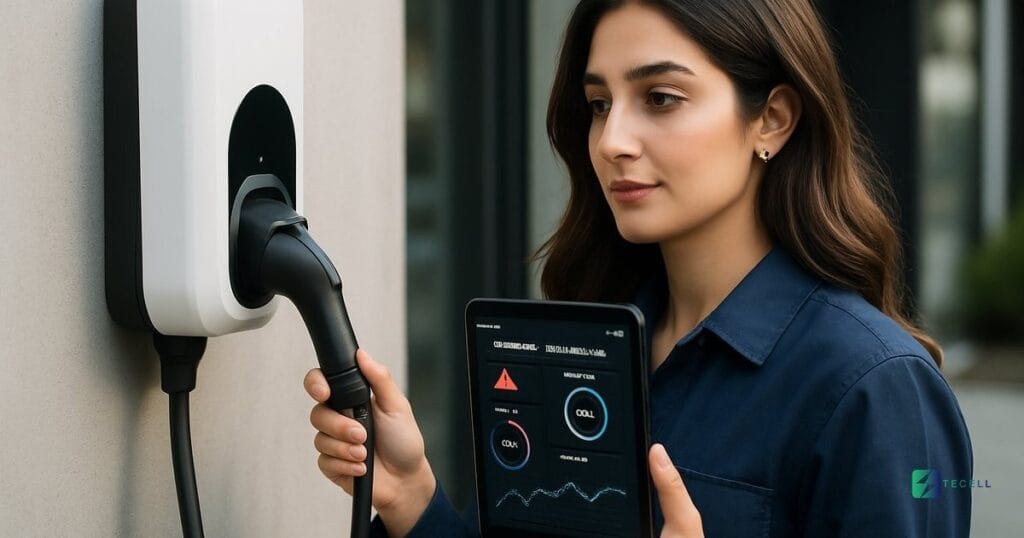
Learn how embedded sensors and machine learning enable effective cable health monitoring at scale for EV charging infrastructure.

Tecell’s Charge Management System calculates and reports charging session data for billing reconciliation in hybrid AC/DC networks.

Tecell’s CMS captures and processes charging session data for accurate billing in multi-tenant networks.
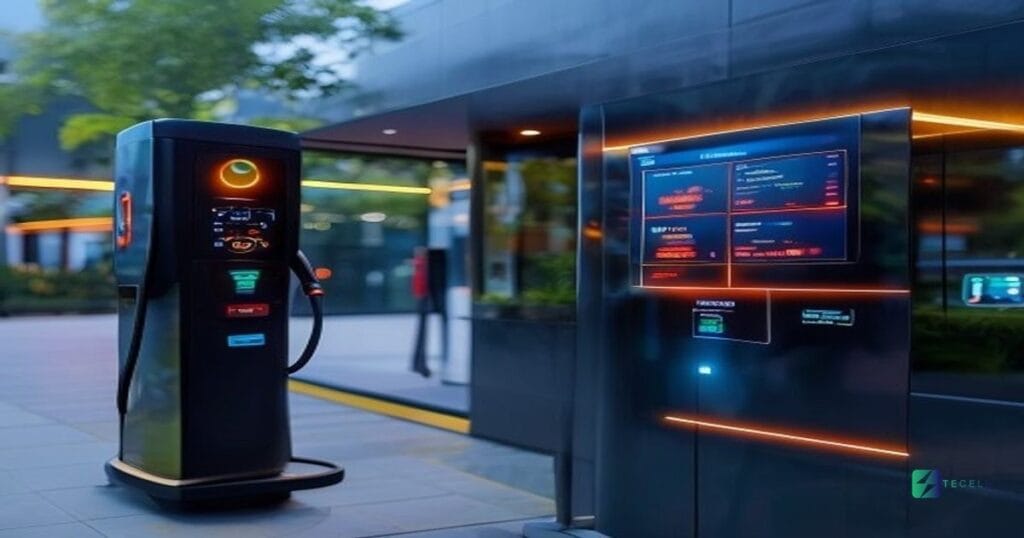
Learn how predictive maintenance architecture can help fleet operators anticipate hardware failures in DC fast charging cabinets using telemetry and machine learning.
This guide compares Level 2 chargers and pedestal chargers, covering power delivery, installation, and environmental resilience to help you choose the right EV charging solution.

Explore how edge AI enhances charging network resilience through localized decision-making, predictive maintenance, and fault recovery in distributed environments.

Explore how Plug & Charge technology, enabled by ISO 15118, transforms multi-tenant EV charging environments by eliminating traditional authentication steps and improving user experience.

A detailed comparison of Plug & Charge and NACS authentication protocols in fleet charging environments, covering security, user experience, and implementation.

Learn how to design a multi-tenant charging dashboard that supports real-time analytics, role-based access control, and compliance reporting for EV infrastructure.

Learn how microservices-based architecture and real-time policy enforcement enable scalable EV charging network orchestration across multi-region fleets.
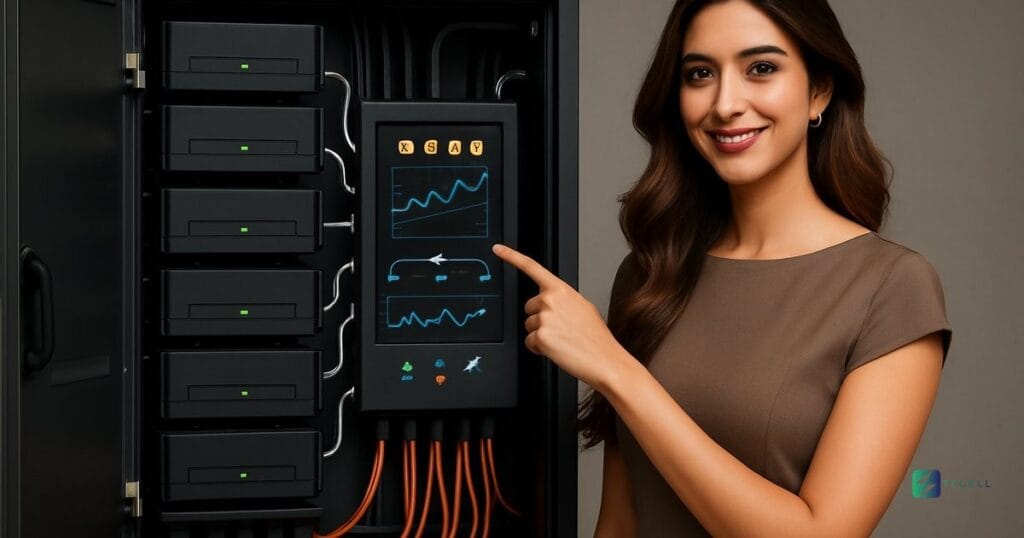
Tecell’s ChargeSphere enables real-time dynamic load balancing across multiple power modules in a single charging cabinet.

ISO 15118 ensures secure key exchange during Plug & Charge sessions in mixed-connector environments through standardized cryptographic protocols and mutual authentication mechanisms.

Tecell ensures ISO 15118 Plug & Charge compliance in multi-tenant environments through secure certificate management and centralized authorization.

Explore the key differences between Level 2 Charger and Smart Charger technologies, focusing on hardware and software architecture for fleet and residential applications.

Learn how energy storage integration in fleet charging operations stabilizes power delivery and reduces grid impact through battery modules and smart inverters.
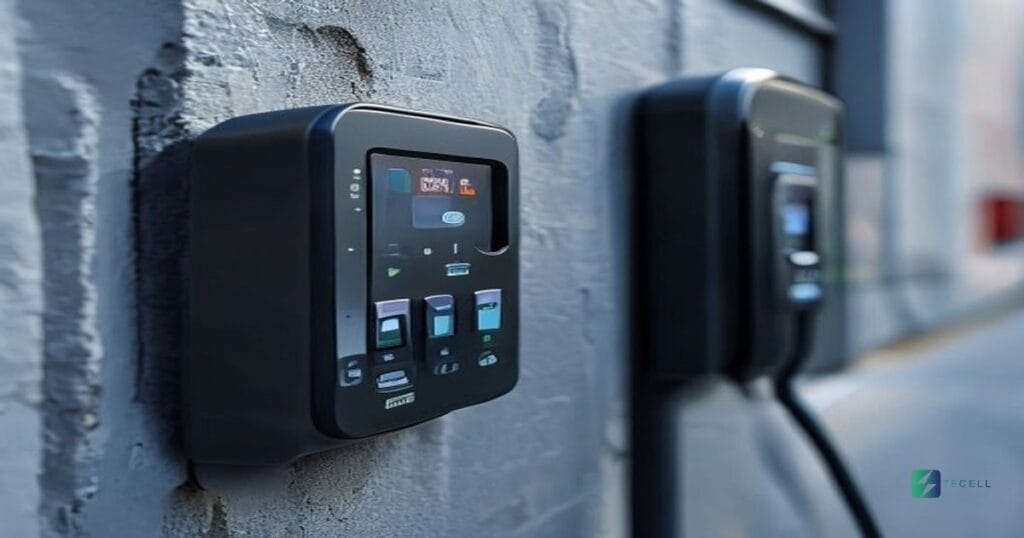
Understanding the hardware architecture differences between smart chargers and wallboxes is essential for fleet operators seeking scalable, manageable charging solutions.
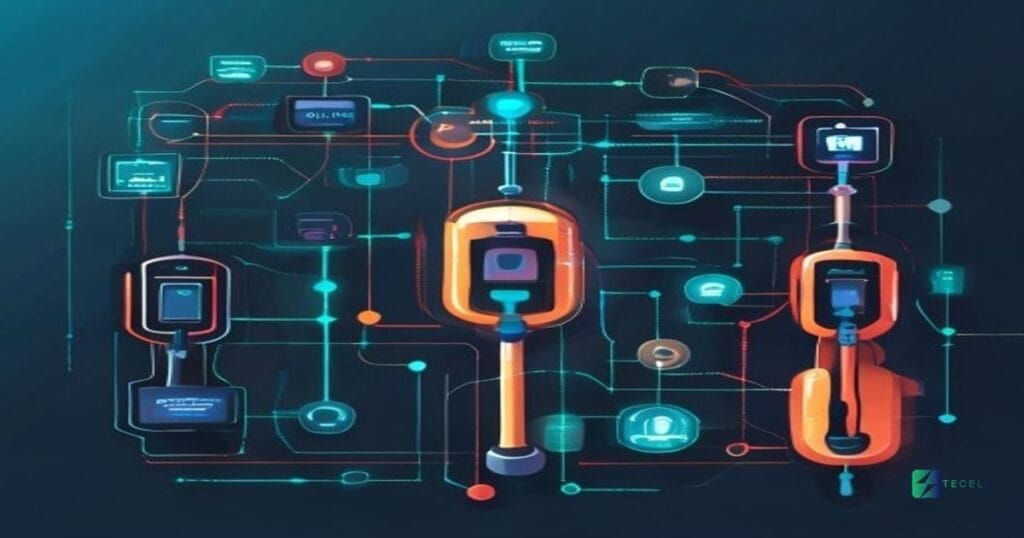
Learn how zero-trust architecture and end-to-end encryption can secure multi-tenant EV charging platforms at scale.

Tecell’s platform automatically rolls back chargers to a stable firmware version when an update fails, ensuring minimal downtime and operational continuity.
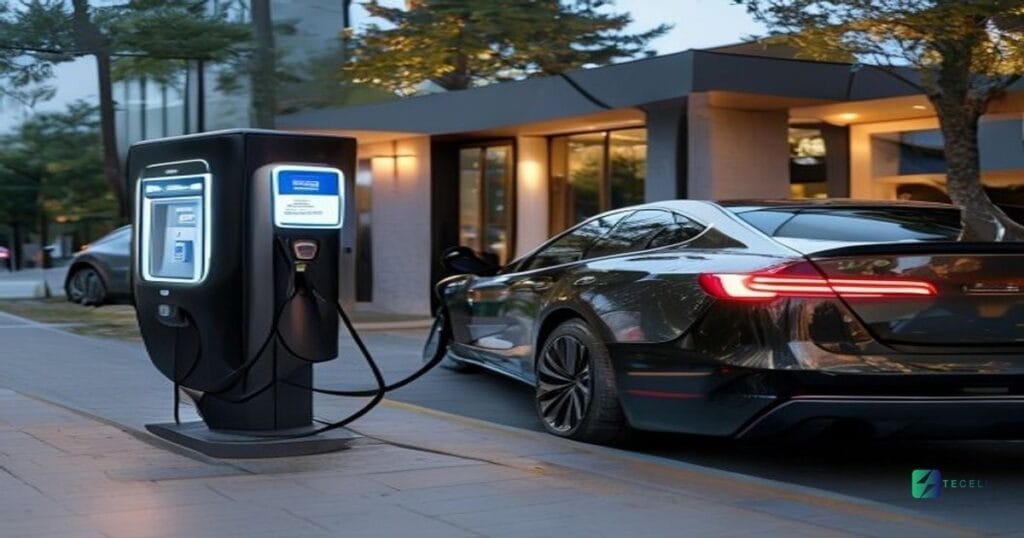
Essential factors for deploying portable EV chargers in remote locations with limited grid access.
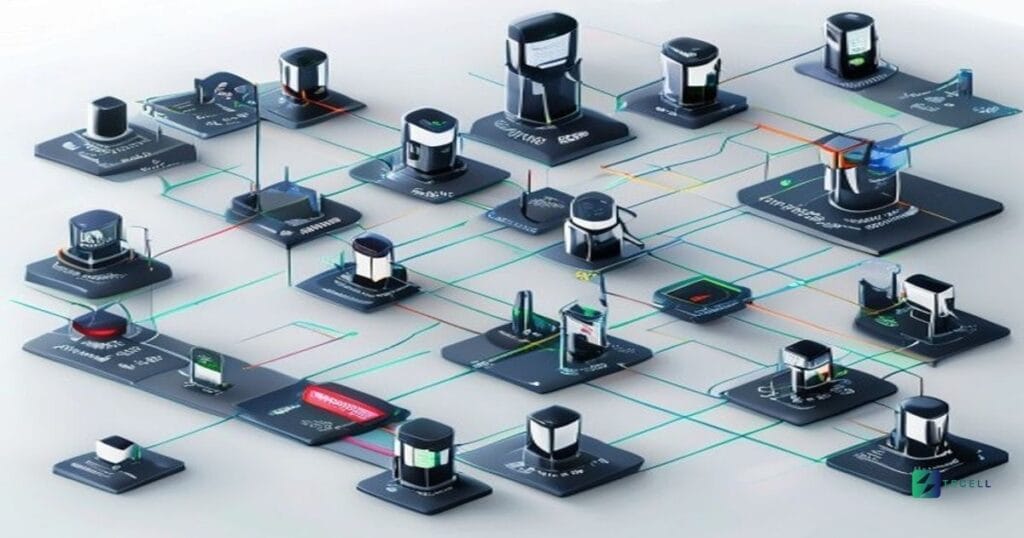
Understanding the technical and operational challenges of implementing Plug & Charge in environments with CCS, CHAdeMO, and Tesla connectors.
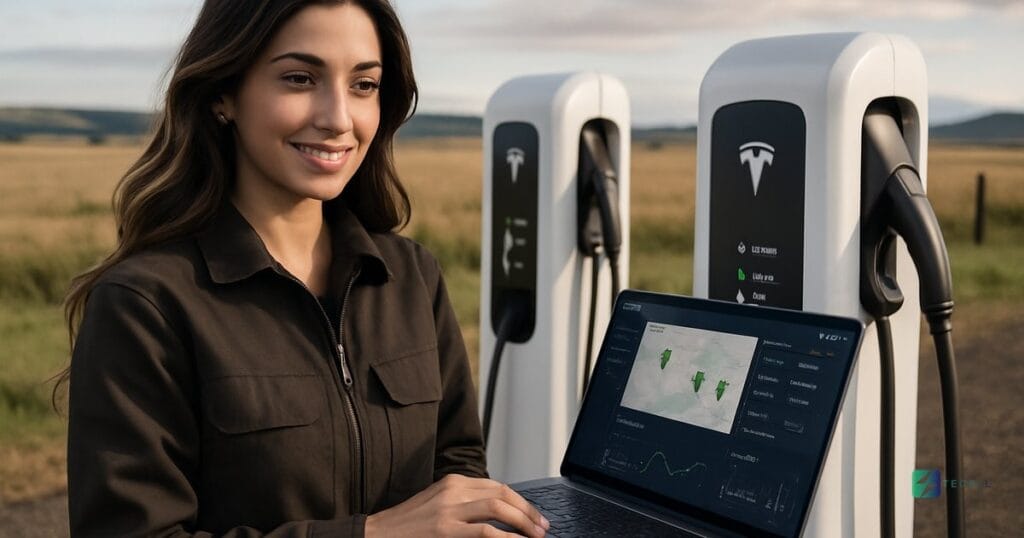
Tecell’s platform enables seamless firmware updates for remote chargers through background scheduling and pre-caching.

Fleet operators use charging analytics to optimize vehicle scheduling and reduce peak demand charges by analyzing usage patterns and shifting charging times.
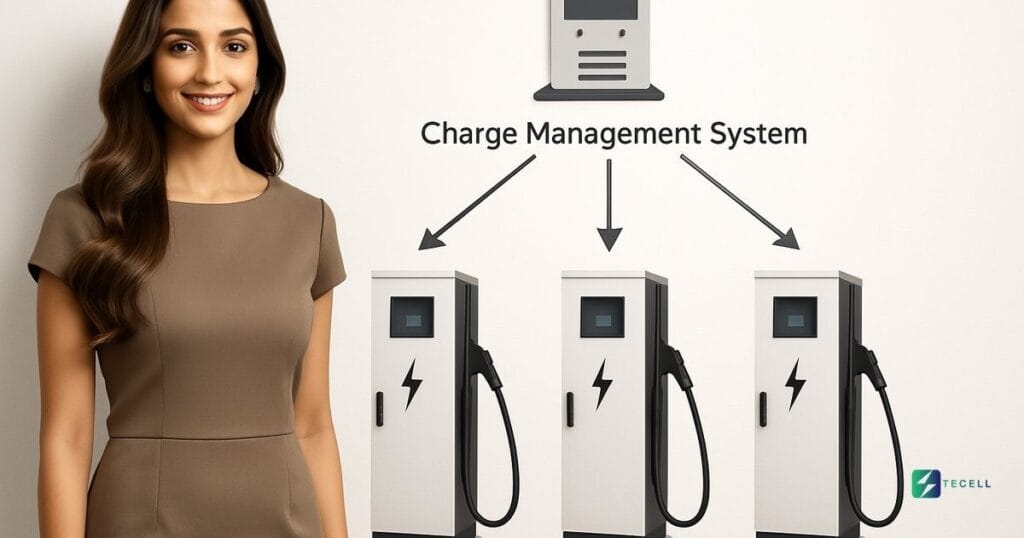
The Charging Management System (CMS) controls user access in multi-tenant EV charging setups by enforcing role-based permissions and zone-specific policies.

Explore how real-time energy arbitrage in EV charging networks uses dynamic pricing and predictive load forecasting to optimize revenue and grid stability.
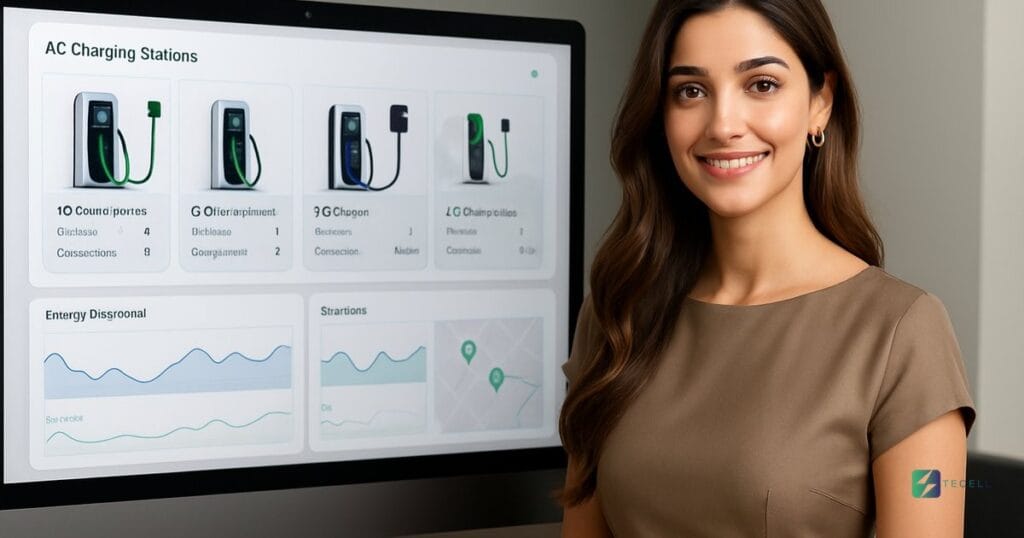
Tecell’s CMS supports both AC and DC charging stations with unified management and analytics.

Tecell’s CMS supports real-time diagnostics for charging cables and connectors with embedded sensors in multi-tenant setups.
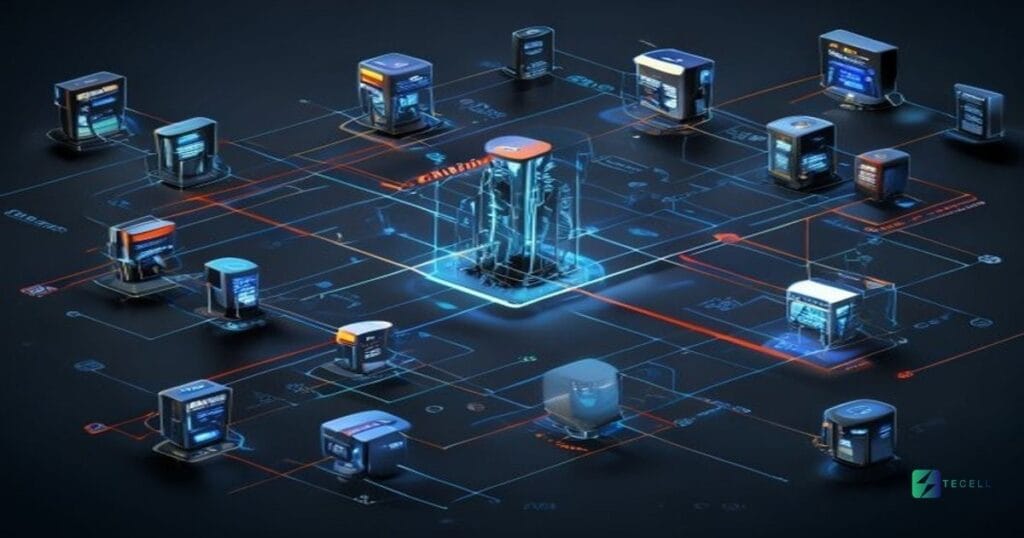
Charge Point Operators (CPOs) ensure consistent user experience across networks by implementing standardized OCPI protocols and real-time data synchronization.
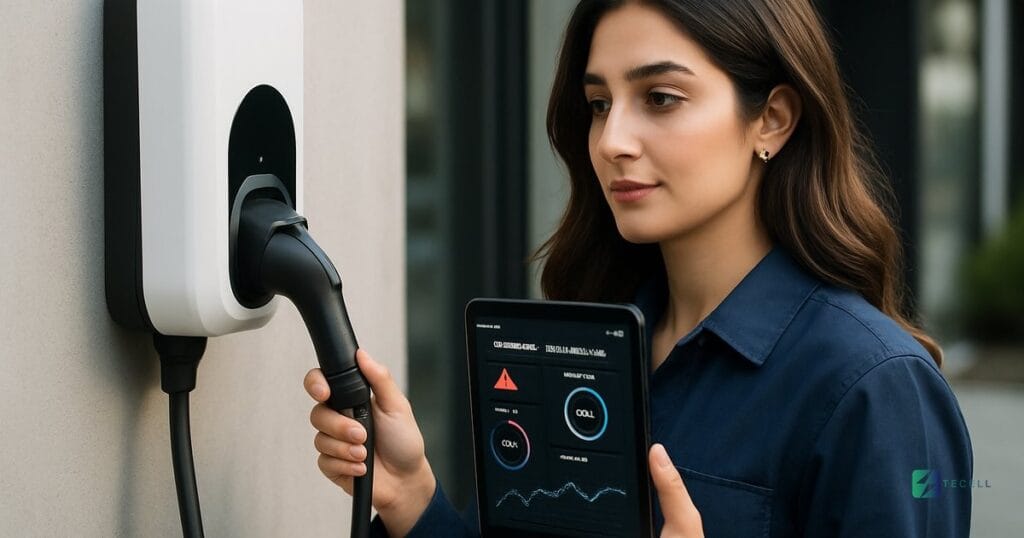
Learn how quickly chargers recover after predictive maintenance alerts in Tecell’s system.
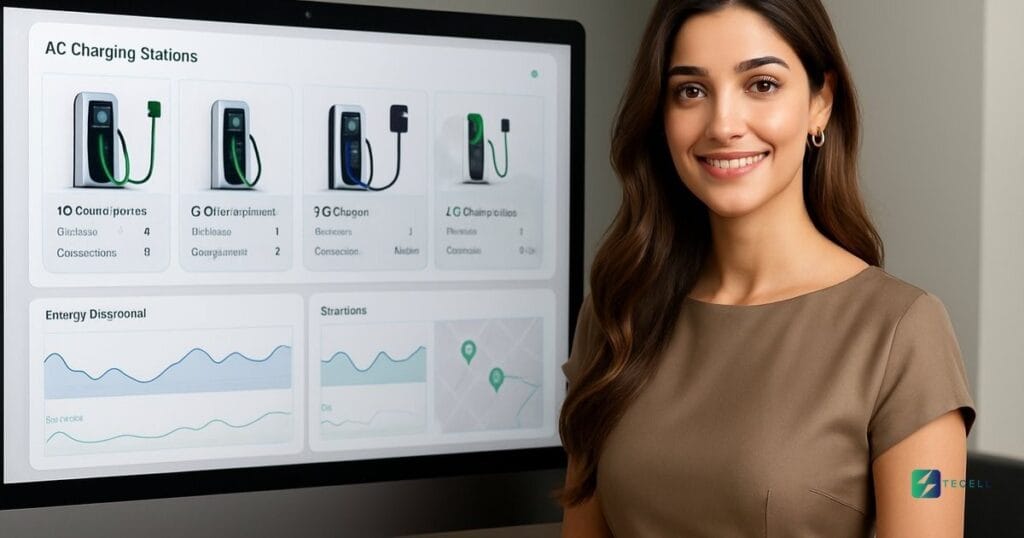
Charging cabinets use load balancing to distribute power efficiently among multiple connected vehicles.

Smart charger efficiency in fleet environments is measured by utilization rate, energy throughput, downtime frequency, and charging speed consistency.
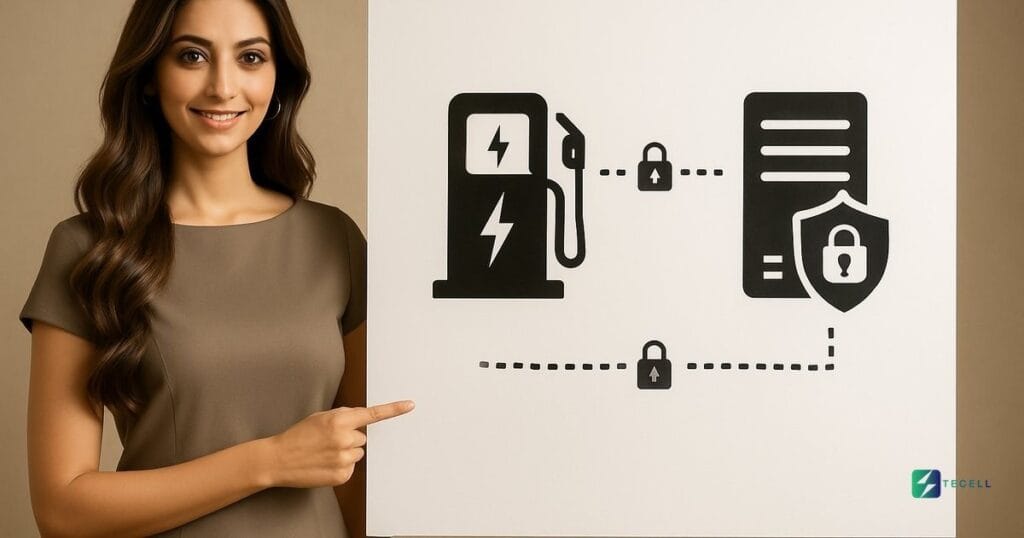
Comparing QR codes and RFID for EV charging authentication in multi-tenant networks reveals key differences in security, scalability, and compliance.

Tecell’s CMS supports custom authentication methods beyond RFID and QR codes, enabling tailored access controls for fleet charging applications.
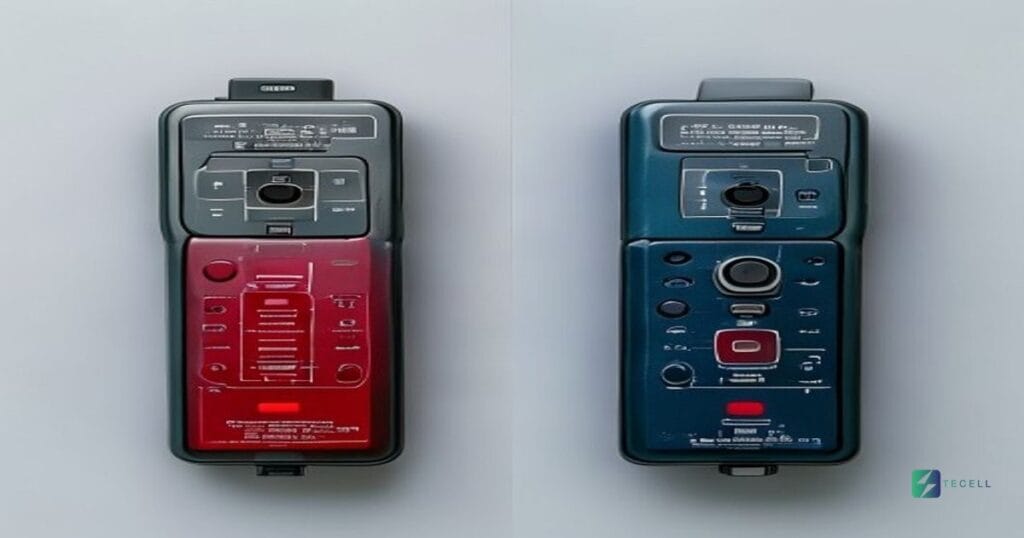
A detailed technical comparison of CCS and NACS charging standards in India’s EV ecosystem, covering connector design, charging speed, and market adoption.
Network latency affects real-time meter value updates in Tecell’s CMS, causing delays in energy consumption data transmission and potential billing issues.
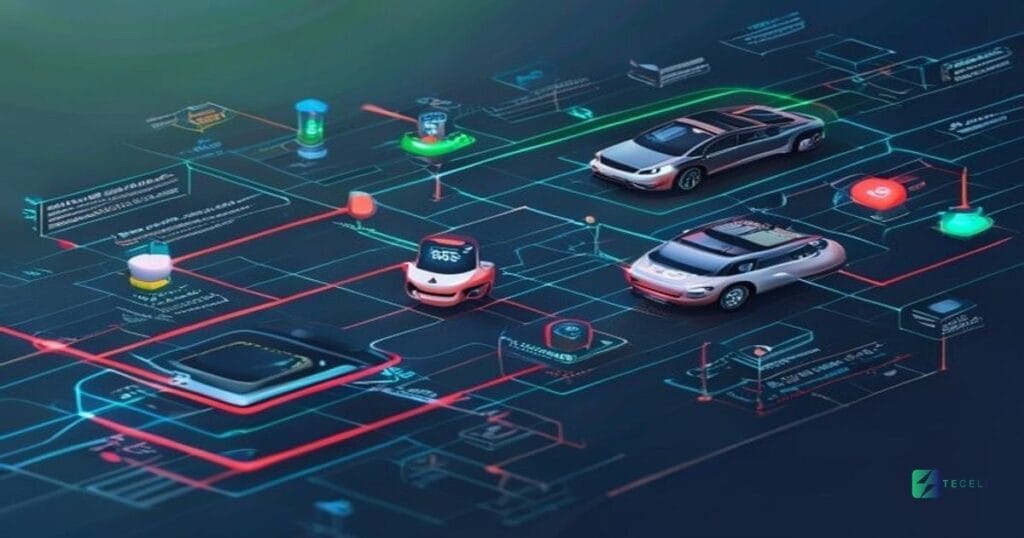
Tecell’s CMS prevents duplicate session ID conflicts by monitoring real-time charger communications and resolving overlaps automatically.
Tecell’s Charge Point Operator software enables granular user access control by assigning distinct permissions to different charging zones within a multi-tenant environment.
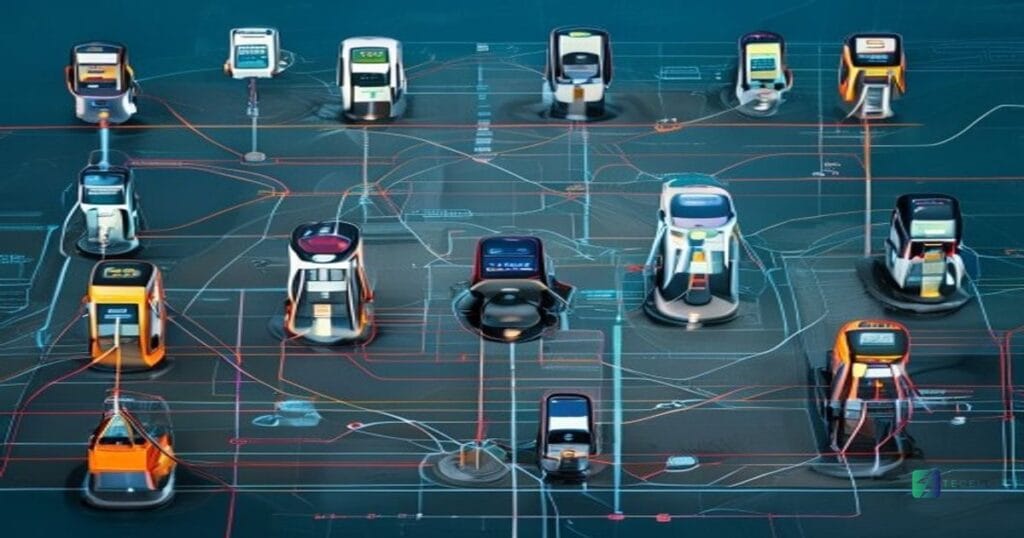
Explore how multi-tenant charging network architecture enables independent CPOs to operate efficiently within a shared platform while maintaining data isolation and operational independence.
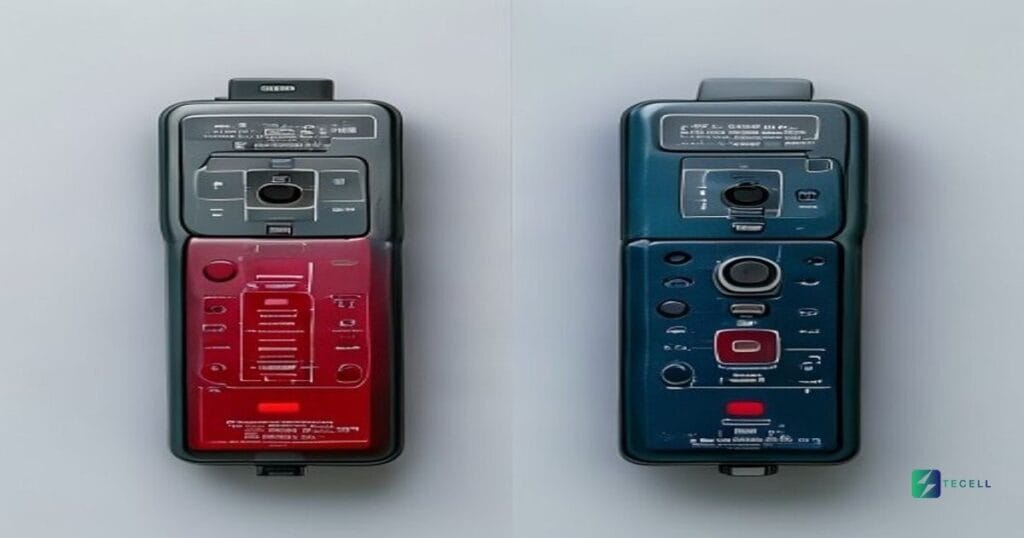
This article explores the technical and practical differences between CCS and CHAdeMO, two major DC fast charging standards, helping operators make informed infrastructure decisions.

This guide explores the differences between Type 2 and NACS connectors, focusing on compatibility, charging speed, and adoption trends in India’s EV charging market.

Exploring how distributed state management enhances charging network resilience, ensuring continuous service during outages and network failures.
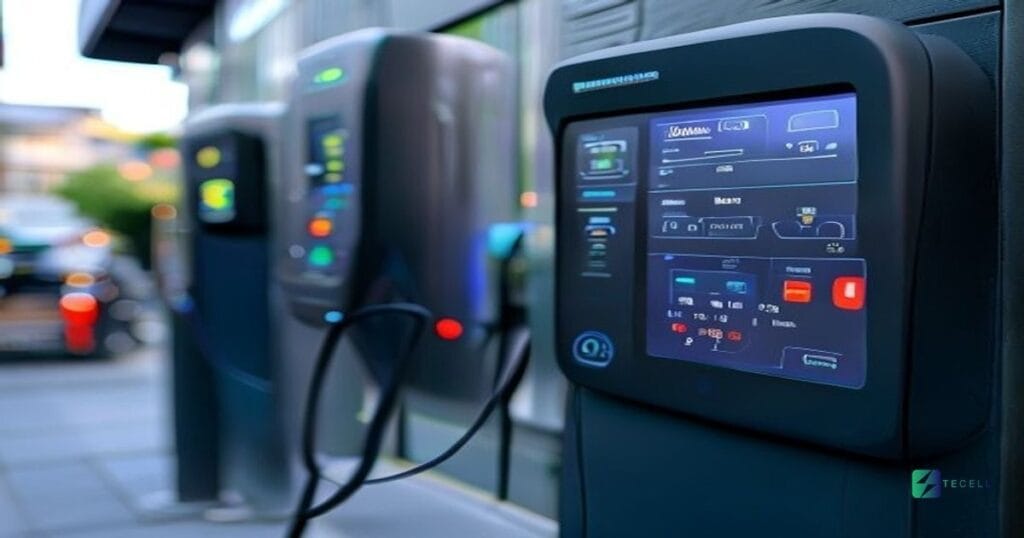
Tecell’s CMS enables real-time diagnostics for charging cables with embedded sensors, offering proactive monitoring and maintenance capabilities.
Explore how dynamic load balancing and static load management impact EV charging network performance and energy costs.
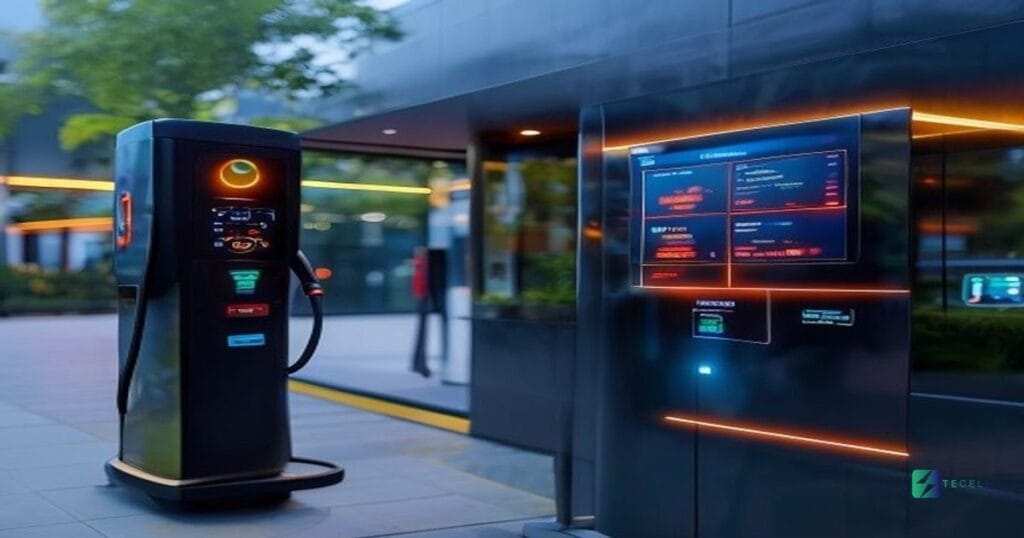
Tecell’s platform enables plug-and-play configuration for new charging stations using NACS connectors through automated discovery and standardized communication protocols.

A technical comparison of CCS vs Tesla Connector in India’s EV charging ecosystem, focusing on compatibility, charging speed, and infrastructure implications.

Tecell’s CMS supports real-time energy reporting for individual charging stations in multi-tenant environments.
A detailed comparison of smart chargers and charging cabinets for fleet operators, focusing on hardware architecture, scalability, and management complexity.

Explore how energy management systems for microgrids with EV charging integrate solar, battery storage, and charging infrastructure for sustainable urban mobility.

Tecell’s platform uses TLS 1.3 to secure all communication between chargers and the CMS, ensuring encrypted and authenticated data exchange.

Tecell’s CMS supports real-time event queuing for high-volume charging networks with 10,000+ concurrent connections through a distributed architecture and scalable queuing mechanisms.

Tecell’s Charge Point Operator software maintains accurate charger status and transaction data during network outages using local caching and automatic synchronization.

Tecell’s Charge Management System supports white-labeling for charging networks in tier-2 cities, enabling custom branding and localized experiences.

Tecell’s platform ensures seamless session data management for roaming users by fully complying with the OCPI standard.

Tecell’s CMS supports real-time tariff structures for fleet and personal users, enabling dynamic pricing based on user type and session conditions.

Tecell’s Charge Management System tracks revenue per charging station in multi-tenant environments by session data, usage-based pricing, and cost allocation.

Tecell’s CMS automatically detects and logs failed charging sessions using OCPP protocols, ensuring minimal manual oversight.

Tecell’s platform integrates with legacy AC chargers using OCPP 1.6J and supports dynamic load balancing for modern charging operations.

Tecell’s CMS enables real-time monitoring of connector status across multiple charging cabinets, providing instant updates on charging activity and system health.

Tecell’s CMS supports white-labeling for charging networks in tier-2 cities across India, enabling operators to customize branding and workflows.

Tecell’s Charge Management System handles concurrent remote commands to multiple chargers through centralized queuing and prioritization.

Tecell’s platform ensures seamless session data management for roaming users through secure OCPI integration.

Tecell’s CMS supports multiple tariff structures for fleet and personal users, enabling flexible and scalable billing.

Tecell’s CMS enables remote diagnostics for EV chargers using OCPP protocols, allowing real-time monitoring and troubleshooting without physical access.

Tecell’s platform enables plug-and-play installation for CCS2 connectors, streamlining deployment and reducing setup complexity.

Tecell’s CMS calculates revenue per connector in multi-tenant environments by tracking sessions and applying tenant-specific pricing rules.

Tecell’s CMS maintains accurate charger state tracking during network outages through local caching and automatic resyncing.

Tecell’s CMS supports real-time event queuing for high-volume charging networks through scalable architecture and asynchronous messaging.

Compare Tecell’s SaaS and on-premise deployment options for fleet operators.

Tecell’s CMS automatically detects and logs failed charging sessions using real-time communication monitoring and OCPP data analysis.

Tecell’s ChargeSphere enables dynamic load balancing across multiple power modules in a single charging cabinet, optimizing power distribution and preventing overloading.

Tecell’s platform automates firmware updates for remote chargers through secure over-the-air (OTA) systems, ensuring devices stay current without manual intervention.

Tecell’s Charge Management System supports legacy AC chargers using OCPP 1.6J, enabling centralized control and advanced features for older hardware.

Tecell’s CMS automatically filters duplicate MeterValues messages to ensure accurate billing and data integrity.