
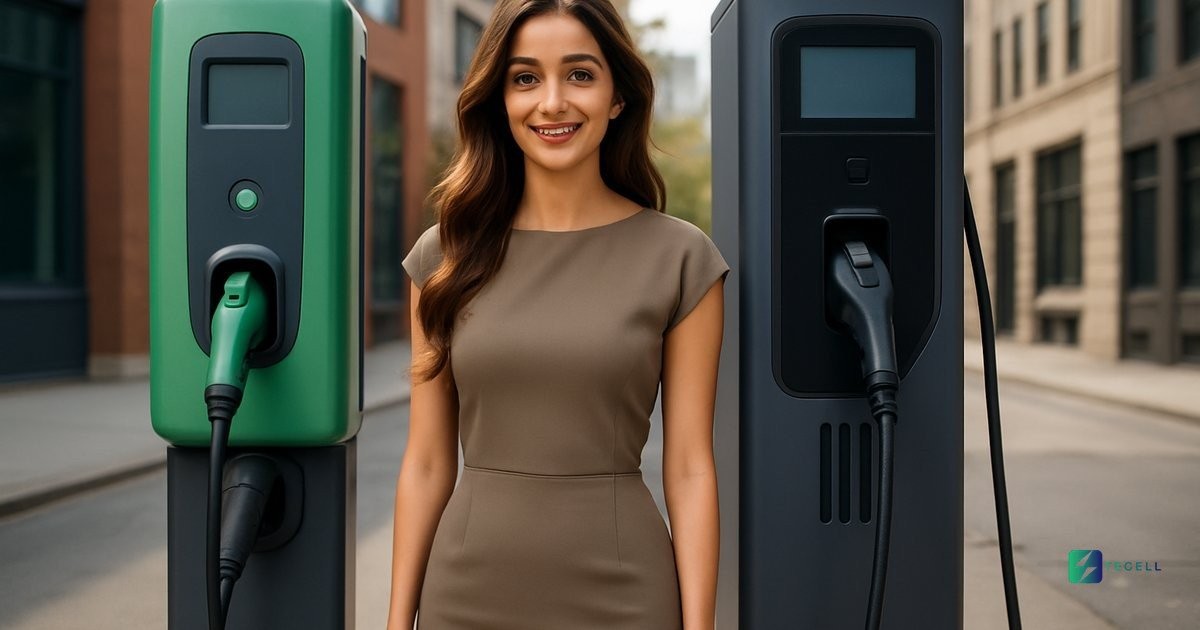
Understanding Level 2 Charger vs Smart Charger: A Technical Deep Dive
When evaluating electric vehicle charging solutions, distinguishing between Level 2 Charger and Smart Charger technologies is essential. These systems differ not only in their hardware capabilities but also in how they manage software architecture. This article explores the core differences in both hardware and software components, particularly relevant for fleet and residential applications.
What Defines a Level 2 Charger?
A Level 2 Charger operates at 240 volts and delivers power at a rate significantly higher than standard household outlets. It typically supports charging speeds between 6 and 22 kilowatts, making it ideal for residential and commercial use. The hardware design focuses on delivering consistent power with minimal complexity.
These chargers often feature basic communication protocols, such as the widely adopted OCPP 1.6, which allows for simple integration with charge point management systems. The software architecture is usually straightforward, designed for plug-and-play functionality with limited remote capabilities.
For example, a logistics company managing 40 vehicles might rely on Level 2 Chargers for overnight charging at a central depot. These systems provide reliable, consistent power without requiring complex configuration or frequent updates.
What Makes a Smart Charger Different?
Smart Chargers go beyond basic charging by incorporating advanced software and communication capabilities. They often support OCPP 2.0.1, enabling real-time monitoring, dynamic load balancing, and remote diagnostics. The hardware is more sophisticated, often including cellular or Wi-Fi connectivity, sensors, and modular components.
The software architecture of a Smart Charger is designed for scalability and adaptability. It can integrate with fleet management platforms, support time-of-use pricing, and even participate in vehicle-to-grid (V2G) programs. This makes it a better fit for environments where optimization and control are priorities.
For instance, a large apartment complex might deploy Smart Chargers to manage energy consumption across hundreds of units. The system can adjust charging rates based on grid demand, ensuring efficient use of available power while maintaining user satisfaction.
Hardware Differences Between Level 2 and Smart Chargers
Power Delivery and Efficiency
Level 2 Chargers typically offer fixed power delivery, optimized for consistent performance. Their hardware is designed to maintain stable voltage and current levels, which is sufficient for most residential and small commercial applications.
Smart Chargers, on the other hand, often include dynamic power management features. They can adjust output in real time, responding to changes in grid conditions or user preferences. This flexibility is crucial in environments where energy efficiency and cost control are key concerns.
Connectivity and Communication
Level 2 Chargers usually rely on wired connections or basic wireless protocols for communication. They may support OCPP 1.6, but their communication capabilities are limited compared to Smart Chargers.
Smart Chargers are built with robust communication modules. They often support multiple protocols, including cellular, Wi-Fi, and Ethernet. This allows them to stay connected to backend systems, enabling features like firmware updates, remote monitoring, and integration with smart building platforms.
Software Architecture: How Level 2 and Smart Chargers Operate
Control and Management Systems
Level 2 Chargers typically use simple control logic. Their software is designed for basic operation, with minimal interaction with external systems. This makes them easy to deploy and maintain, but limits their ability to adapt to changing conditions.
Smart Chargers, by contrast, feature advanced software architectures that support complex operations. They can process data from multiple sources, including user preferences, grid status, and environmental factors. This allows for intelligent decision-making and optimization.
Integration and Scalability
Software in Level 2 Chargers is often proprietary or limited to specific platforms. This can make integration with third-party systems difficult, especially in large-scale deployments.
Smart Chargers are built with open APIs and modular software designs. This allows for seamless integration with various management platforms, making them ideal for fleet operators or large-scale infrastructure projects. The software can scale with the number of chargers, supporting centralized control and analytics.
Applications in Fleet and Residential Charging
Fleet Charging Considerations
Fleet operators often require systems that can handle high volumes of charging with minimal downtime. Smart Chargers are better suited for this, offering features like load balancing, scheduling, and real-time reporting.
For example, a delivery company with 100 electric vehicles might use Smart Chargers to manage charging across multiple depots. The system can optimize charging schedules to avoid peak grid usage, reducing operational costs while ensuring vehicles are always ready for service.
Residential Charging Needs
In residential settings, Level 2 Chargers are often sufficient for most users. They provide reliable charging without the complexity of advanced features. However, as smart home ecosystems grow, the demand for Smart Chargers is increasing.
Homeowners with smart thermostats, solar panels, or energy storage systems may benefit from Smart Chargers that can integrate with these platforms. The ability to adjust charging based on renewable energy availability or home energy usage is becoming more valuable.
Choosing the Right Charger for Your Needs
Assessing Your Infrastructure
Before selecting a charger, evaluate your existing infrastructure. If you have a simple setup with few units, a Level 2 Charger may be the most cost-effective solution. However, if you’re planning to scale or require advanced features, investing in Smart Chargers is more beneficial.
Consider the level of control you need. If you want to monitor usage, manage costs, or integrate with other systems, Smart Chargers offer more flexibility. Level 2 Chargers are ideal for basic, plug-and-play scenarios.
Future-Proofing Your Charging Setup
Smart Chargers are designed with future technologies in mind. They support evolving standards like OCPP 2.0.1 and can adapt to new requirements in the charging ecosystem. This makes them a better long-term investment.
Level 2 Chargers, while reliable, may become outdated as charging needs evolve. If you’re planning for growth or want to stay ahead of industry trends, Smart Chargers provide a more adaptable solution.
Conclusion
Choosing between Level 2 Charger and Smart Charger depends on your specific needs. Level 2 Chargers are ideal for basic, straightforward applications, while Smart Chargers offer advanced features for complex environments. Understanding the hardware and software differences helps ensure you select the right solution for your fleet or residential charging setup.
Frequently Asked Questions
- What is the main difference between a Level 2 Charger and a Smart Charger? Level 2 Chargers are basic charging units with fixed power delivery and limited communication. Smart Chargers include advanced software, connectivity, and dynamic features for optimized charging.
- Can a Level 2 Charger be upgraded to a Smart Charger? Upgrading a Level 2 Charger to a Smart Charger is often not possible due to hardware limitations. It’s better to choose a Smart Charger from the start if advanced features are needed.
- Which is better for fleet operations: Level 2 or Smart Charger? Smart Chargers are better for fleet operations due to their ability to support load balancing, scheduling, and integration with fleet management systems.
- Do Smart Chargers require more maintenance than Level 2 Chargers? Smart Chargers may require more attention due to their advanced features, but they also offer remote diagnostics and updates that can reduce maintenance overhead.
- Are Smart Chargers more expensive than Level 2 Chargers? Smart Chargers typically cost more upfront due to their advanced hardware and software. However, they offer greater value through efficiency, scalability, and integration capabilities.
Related Reading
For more on related topics, see: Chargepoint Alliance – EV Charging Interoperability.
Further reading: The Future of EV Charging: Trends to Watch in 2025 | Tecell CMS Blog
📣 Join our Telegram channel for EV charging technology insights and product updates.
Also find us on: LinkedIn · X · Bluesky · Mastodon · DEV.to.