Understanding Cross-Platform Firmware Version Synchronization
When managing a distributed EV charging network, one of the most complex challenges is maintaining consistent firmware behavior across heterogeneous hardware platforms. Cross-platform firmware version synchronization ensures that all charging stations operate with the same software logic, regardless of their manufacturer or model. This becomes especially critical in environments where multiple vendors supply equipment, or when upgrading systems across a large fleet.
For example, a logistics company managing 40 electric vehicles across different charging stations may encounter inconsistencies if firmware versions are not properly synchronized. Some stations might support advanced features like dynamic load balancing, while others do not, leading to uneven performance and potential operational bottlenecks.
This process involves more than just updating software—it requires careful coordination, testing, and monitoring to ensure that all devices behave predictably under the same conditions. The goal is to maintain a uniform user experience and operational efficiency across the entire infrastructure.
Here’s the thing: without proper synchronization, even small discrepancies in firmware can cascade into larger issues, affecting everything from billing accuracy to safety compliance.
Why Firmware Synchronization Matters in EV Charging Networks
Firmware version synchronization directly impacts how charging stations communicate, respond to commands, and interact with backend systems. Inconsistent firmware can lead to misinterpretation of OCPP messages, incorrect energy metering, or failure to comply with local regulations.
That matters because EV charging networks often operate under strict compliance frameworks. A single station running outdated firmware might not support the latest security protocols, potentially exposing the entire network to vulnerabilities.
Moreover, when deploying new features or services, such as real-time monitoring or dynamic pricing, all devices must be aligned to ensure seamless functionality. Otherwise, the system’s performance degrades, and operators lose confidence in their infrastructure.
In practice, this means that any firmware update strategy must account for both hardware compatibility and software consistency across platforms.
Key Challenges in Cross-Platform Firmware Management
One of the primary challenges in cross-platform firmware management is the diversity of hardware vendors and their proprietary update mechanisms. Each manufacturer may have different methods for delivering firmware, checking versions, or handling rollbacks.
The catch: these differences make it difficult to implement a unified approach to firmware deployment. A solution that works for one brand may not work for another, especially when integrating legacy systems with newer models.
Another challenge is ensuring that updates don’t disrupt ongoing charging sessions. In a fleet environment, stopping a charging session mid-process can lead to customer dissatisfaction and operational inefficiencies.
Additionally, managing firmware across a large number of devices introduces complexity in tracking which version is installed where, and whether any device is missing an important security patch.
Managing Firmware Updates Across Heterogeneous Hardware
Effective firmware management requires a centralized system that can handle updates for various hardware types. This system must be capable of identifying each device’s capabilities and applying the correct firmware version accordingly.
For instance, a charging station from one vendor might support OCPP 2.0.1, while another only supports 1.6. The system must recognize these differences and apply updates that are compatible with each platform.
It’s also essential to validate that firmware updates don’t introduce regressions or break existing functionality. This validation process often involves testing in a staging environment before rolling out to production.
Real-world scenarios like this highlight the importance of having a robust firmware management system that can scale with your infrastructure and adapt to changing requirements.
Technical Approaches to Firmware Synchronization
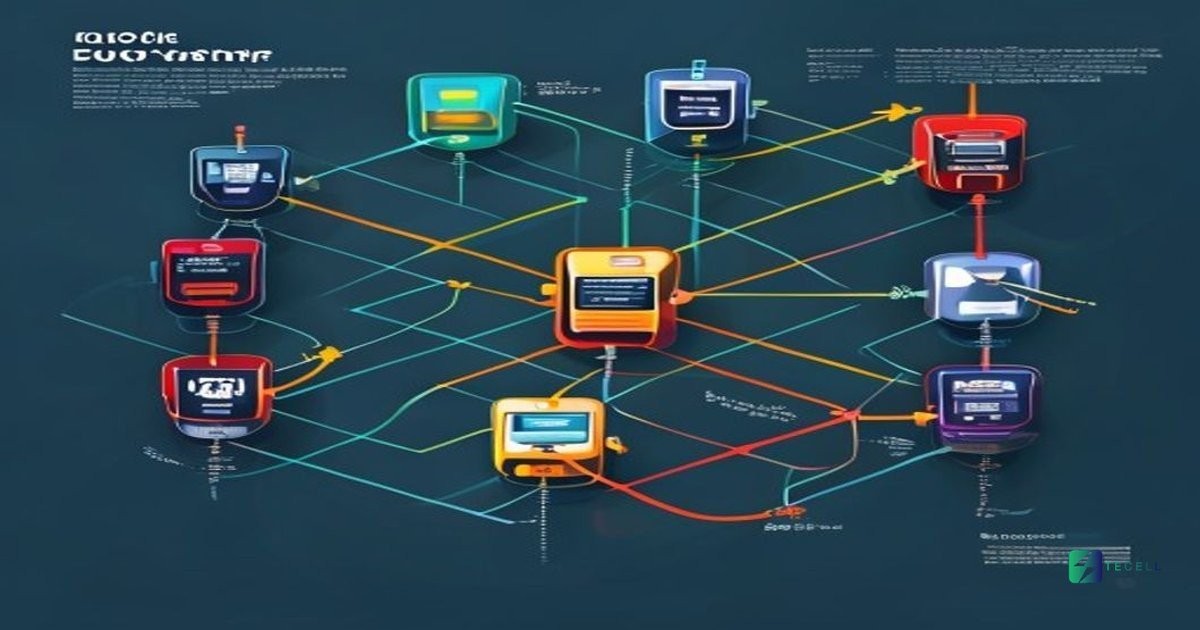
Several technical strategies can help achieve firmware synchronization in distributed charging environments. One common approach is using a centralized firmware repository that stores versions for all supported hardware platforms.
This repository allows operators to define policies for which firmware versions are allowed, and when updates should be applied. It also enables automated deployment based on device type, location, or operational status.
Another method involves implementing a version control system that tracks firmware changes and ensures that only approved updates are pushed to devices. This helps prevent accidental rollbacks or unauthorized modifications.
Some systems also use over-the-air (OTA) update protocols that allow firmware to be delivered securely and efficiently. These protocols often include features like rollback capabilities and progress tracking to ensure successful installations.
Role of OCPP in Firmware Management
OCPP (Open Charge Point Protocol) plays a crucial role in firmware synchronization by providing standardized communication between charging stations and backend systems. Through OCPP, operators can remotely monitor firmware versions and initiate updates when needed.
OCPP 2.0.1, for example, includes enhanced support for firmware management, including better handling of update requests and status reporting. This makes it easier to maintain consistency across platforms that support the newer protocol.
However, older systems that only support OCPP 1.6 may require additional steps to ensure compatibility. Operators must carefully plan their upgrade paths to avoid gaps in firmware management.
Using OCPP effectively means leveraging its built-in tools for firmware tracking and deployment, rather than relying on manual processes that are prone to error.
Best Practices for Maintaining Firmware Consistency
Establishing a clear firmware management policy is the first step toward consistency. This policy should define how updates are tested, approved, and deployed across the network.
Regular audits of firmware versions help identify outdated or non-compliant devices. These audits should be conducted periodically, especially after major updates or new deployments.
Training staff on firmware management procedures ensures that everyone understands how to handle updates and troubleshoot issues. This reduces the risk of human error during critical operations.
Finally, maintaining detailed logs of all firmware activities provides valuable insights into system behavior and helps with compliance reporting. Logs should include timestamps, device IDs, and update outcomes.
Case Study: A Logistics Company’s Firmware Sync Journey
A logistics company managing 40 electric vehicles faced challenges with inconsistent firmware across its charging infrastructure. Some stations were running outdated firmware, while others had the latest version, causing operational inefficiencies.
They implemented a centralized firmware management system that tracked versions across all platforms and scheduled automatic updates. This reduced manual intervention and improved overall system reliability.
After deployment, the company saw fewer service disruptions and more predictable charging behavior. The system also helped them comply with regional regulations that required specific firmware versions for safety and security.
This case demonstrates how proper firmware synchronization can transform a fragmented charging network into a cohesive, reliable infrastructure.
Future Trends in Firmware Synchronization
As EV charging networks grow more complex, firmware synchronization will need to evolve to keep pace. Emerging technologies like AI-driven monitoring and predictive analytics may soon play a role in identifying potential firmware issues before they impact operations.
Additionally, industry standards are likely to become more robust, offering better support for cross-platform compatibility. This will reduce the burden on operators and improve the overall stability of charging networks.
Operators who invest in flexible firmware management systems today will be better positioned to adapt to these future developments. The key is staying ahead of the curve while maintaining operational integrity.
Ultimately, the goal remains the same: to ensure that every charging station behaves consistently, no matter the platform or vendor.
Frequently Asked Questions
What is cross-platform firmware version synchronization?
It refers to the process of ensuring that all charging stations in a network run the same firmware version, regardless of their manufacturer or model. This helps maintain consistent behavior and performance across the entire infrastructure.
Why is firmware synchronization important for EV charging networks?
Firmware synchronization ensures that all devices communicate properly, comply with regulations, and support the latest features. Inconsistent firmware can lead to operational issues, security vulnerabilities, and poor user experiences.
How can operators manage firmware updates across different hardware platforms?
Operators can use centralized firmware repositories, version control systems, and standardized protocols like OCPP to manage updates. These tools help track versions, validate changes, and deploy updates efficiently.
What are the risks of not synchronizing firmware versions?
Risks include communication failures, compliance issues, security gaps, and inconsistent performance. These can lead to service disruptions and reduced trust in the charging network.
Can firmware synchronization be automated?
Yes, with the right tools and processes, firmware synchronization can be automated. This includes scheduling updates, validating changes, and rolling back if necessary, all without manual intervention.
Related Reading
For more on related topics, see: Chargepoint Alliance – EV Charging Interoperability.
📣 Join our Telegram channel for EV charging technology insights and product updates.
Also find us on: LinkedIn · X · Bluesky · Mastodon · DEV.to.