Understanding Scalable Charging Infrastructure Orchestration Using Kubernetes
Scalable charging infrastructure orchestration using Kubernetes is a powerful approach for managing high-density urban and fleet deployments. As electric vehicle adoption accelerates, operators must handle increasing numbers of charge points efficiently. Kubernetes provides the tools to automate, scale, and manage containerized applications across distributed environments. This technology allows for dynamic resource allocation, ensuring optimal performance even under heavy load conditions.
For operators managing hundreds or thousands of charging stations, traditional methods often fall short. Kubernetes enables a more resilient and responsive system that adapts to real-time demand. It also simplifies deployment and updates, reducing operational overhead. The result is a more agile infrastructure that can evolve with changing needs.
By leveraging containerization, charging point management services can be deployed consistently across multiple environments. This approach ensures that each service operates reliably, regardless of where it’s running. Kubernetes further supports rolling updates and rollback capabilities, which are essential for maintaining uptime during maintenance or upgrades.
Why Kubernetes Matters for EV Charging Infrastructure
Kubernetes plays a critical role in modernizing EV charging infrastructure. It addresses the complexity of managing numerous charge points, especially in urban settings where space and power are limited. The platform allows operators to scale their services dynamically, matching resources to demand.
For example, a logistics company managing 40 vehicles faces challenges in coordinating charging schedules and monitoring performance. Kubernetes helps streamline these operations by automating service deployment and scaling. This reduces manual intervention and improves overall efficiency.
Additionally, Kubernetes supports multi-tenancy, which is valuable for operators who serve multiple clients. Each client can have isolated environments while sharing underlying infrastructure. This flexibility is essential for maintaining service quality and security.
The platform also enhances fault tolerance. If one component fails, Kubernetes automatically restarts it or redistributes the workload. This resilience is crucial for maintaining continuous service in critical applications like fleet charging.
Key Benefits of Kubernetes in Charging Operations
Implementing Kubernetes in charging operations brings several tangible benefits. First, it improves scalability. Operators can quickly add or remove charge points without reconfiguring entire systems. This adaptability is especially important for rapidly growing networks.
Second, Kubernetes enhances resource utilization. By efficiently allocating CPU and memory, it ensures that each service runs optimally. This leads to better performance and reduced costs. Operators can also monitor and adjust resource usage in real time.
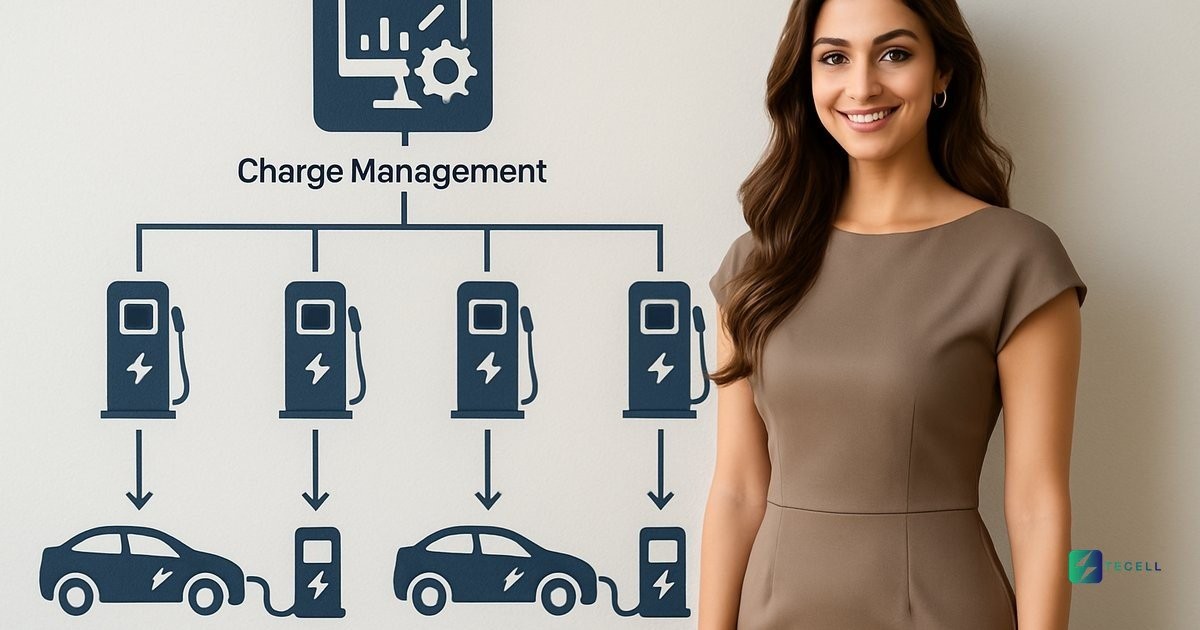
Third, the platform simplifies management. With centralized control, operators can deploy updates, monitor health, and troubleshoot issues from a single interface. This centralized approach reduces complexity and improves response times.
Finally, Kubernetes supports compliance and security. It enforces policies and isolates services, helping operators meet regulatory requirements. These features are vital for maintaining trust and reliability in public charging networks.
Real-World Application: Fleet Charging with Kubernetes
A logistics company managing 40 vehicles faces unique challenges in fleet charging. Each vehicle requires scheduled charging, monitoring, and reporting. Kubernetes allows this company to manage all these tasks through a unified platform.
The system can automatically scale charging services based on vehicle availability and demand. When vehicles return from routes, the platform allocates charging resources accordingly. This dynamic allocation ensures that no vehicle waits longer than necessary.
Moreover, Kubernetes enables real-time monitoring of charging status and performance. Operators can track energy consumption, identify bottlenecks, and optimize schedules. This visibility is essential for maintaining operational efficiency and reducing downtime.
By using Kubernetes, the company also benefits from improved fault tolerance. If a charging station experiences an issue, the system can reroute vehicles or adjust schedules without manual intervention. This resilience supports continuous operations even during unexpected events.
Charging Point Management Services in Kubernetes
Charging point management services benefit significantly from Kubernetes orchestration. These services include communication protocols, billing systems, and user interfaces. Kubernetes ensures that each service runs reliably and scales as needed.
For instance, a service handling OCPP communication can be deployed as a container. Kubernetes manages its lifecycle, ensuring it remains available and responsive. If traffic increases, the platform can automatically spin up additional instances to handle the load.
This scalability is particularly important for urban deployments where hundreds of charge points may be active simultaneously. Kubernetes ensures that communication remains smooth and efficient, even under peak usage.
Additionally, Kubernetes supports versioning and rollbacks. If a new update introduces issues, the system can quickly revert to a stable version. This capability is essential for maintaining service quality and minimizing disruptions.
Challenges and Solutions in Kubernetes Deployment
Deploying Kubernetes for charging infrastructure is not without challenges. One major concern is complexity. Setting up and managing a Kubernetes cluster requires technical expertise. Operators must understand containerization, networking, and security.
Another challenge is integration with existing systems. Legacy infrastructure may not be designed for containerized applications. Operators need to plan carefully to ensure compatibility and smooth transitions.
To address these issues, many organizations adopt a phased approach. They start with a small pilot project, then gradually expand to larger deployments. This method allows teams to learn and adapt without overwhelming the system.
Training and documentation are also crucial. Operators should invest in staff development and maintain clear records of configurations and procedures. This preparation helps ensure successful implementation and long-term success.
Security Considerations in Kubernetes Environments
Security is a top priority when deploying Kubernetes in charging infrastructure. The platform must protect sensitive data, such as user credentials and payment information. It also needs to secure communication between charge points and management systems.
Operators should implement role-based access controls (RBAC) to limit who can access specific resources. Network policies can further restrict traffic between services, reducing exposure to threats.
Regular updates and patches are essential for maintaining security. Kubernetes releases frequent updates to address vulnerabilities. Operators must stay informed and apply these changes promptly.
Monitoring tools can help detect and respond to security incidents. These tools track access logs, network activity, and system behavior. Early detection allows for quick action to prevent breaches or disruptions.
Future Trends in Kubernetes for EV Charging
The future of Kubernetes in EV charging looks promising. As networks grow, the platform will become even more critical for managing complexity. Emerging technologies like edge computing and AI will further enhance its capabilities.
Edge computing allows processing closer to charge points, reducing latency and improving responsiveness. Kubernetes can orchestrate these edge services, ensuring they integrate seamlessly with central systems.
AI and machine learning will also play a role. Predictive analytics can anticipate demand and optimize charging schedules. Kubernetes supports these advanced features by providing scalable infrastructure for data processing and model deployment.
As standards evolve, Kubernetes will continue to adapt. New protocols and requirements will be incorporated into the platform, ensuring that charging infrastructure remains modern and efficient.
Conclusion: The Role of Kubernetes in Modern Charging Networks
Kubernetes is transforming how charging infrastructure is managed. It provides the scalability, resilience, and flexibility needed for high-density urban and fleet deployments. Operators who adopt this technology gain significant advantages in performance and efficiency.
By automating deployment and scaling, Kubernetes reduces manual effort and improves reliability. It also supports compliance and security, which are essential for public networks. As EV adoption continues to grow, the importance of robust infrastructure orchestration will only increase.
Organizations should consider Kubernetes as a foundational tool for modernizing their charging operations. With proper planning and implementation, it can drive innovation and support long-term growth.
Frequently Asked Questions
- What is scalable charging infrastructure orchestration using Kubernetes? It refers to using Kubernetes to manage and scale containerized charging point management services across large deployments. This approach ensures efficient resource use and system reliability.
- How does Kubernetes improve fleet charging operations? Kubernetes allows dynamic scaling of charging services based on vehicle demand. It also supports centralized monitoring and automated updates, improving operational efficiency.
- What are the main benefits of using Kubernetes for EV charging? Benefits include improved scalability, better resource utilization, simplified management, and enhanced fault tolerance. These features help operators handle complex deployments more effectively.
- Is Kubernetes difficult to implement for charging networks? Implementation can be complex, especially for organizations new to containerization. However, a phased approach and proper training can ease the transition.
- How does Kubernetes support security in charging infrastructure? Kubernetes enforces access controls, network policies, and regular updates. These measures protect sensitive data and ensure secure communication between systems.
Related Reading
For more on related topics, see: Chargepoint Alliance – EV Charging Interoperability.
Further reading: India’s EV Charging Infrastructure: Opportunities and Challenges | Tecell CMS Blog
📣 Join our Telegram channel for EV charging technology insights and product updates.
Also find us on: LinkedIn · X · Bluesky · Mastodon · DEV.to.