
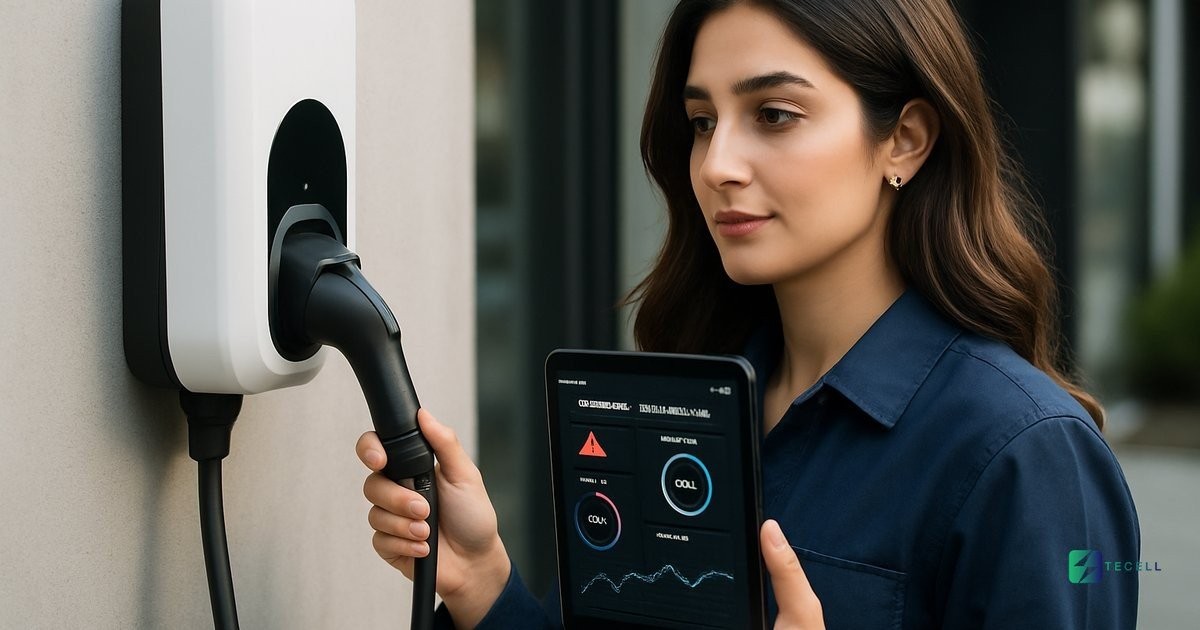
Why Charging Cable Health Monitoring Matters for EV Infrastructure
Charging cable health monitoring at scale is a critical component of modern EV infrastructure management. As charging networks expand, operators must ensure that every cable in their fleet is performing optimally. Downtime from cable failure can significantly impact user experience and revenue. This technology allows operators to proactively address issues before they cause service interruptions.
For fleet operators managing dozens or hundreds of charging stations, manual inspection of cables is impractical. The complexity of monitoring hundreds of cables across multiple locations makes automated systems essential. These systems use embedded sensors and machine learning to detect anomalies in real time.
By implementing cable health monitoring, operators can reduce unplanned maintenance, extend cable lifespan, and improve overall system reliability. This approach also supports better compliance with safety standards and regulatory requirements.
Real-world applications show that operators who adopt this technology see fewer service disruptions and higher customer satisfaction. The ability to predict failures before they occur is a game-changer for large-scale deployments.
How Embedded Sensors Detect Cable Degradation
Embedded sensors in charging cables monitor physical and electrical parameters continuously. These include temperature, voltage, current, and mechanical stress. Each sensor collects data that reflects the cable’s condition over time.
Temperature readings help identify overheating, which often precedes cable failure. Voltage and current measurements detect irregularities in power delivery. Mechanical stress sensors track wear from repeated use and environmental factors.
The data collected by these sensors is transmitted to a central management system. This system processes the information using algorithms designed to spot deviations from normal behavior. Early warning signals alert operators to potential issues.
For example, a logistics company managing 40 vehicles faces challenges with maintaining consistent charging infrastructure. Their fleet relies on reliable charging to keep operations running smoothly. With embedded sensors, they can monitor cable health across all stations and respond quickly to any signs of degradation.
Machine Learning Algorithms for Predictive Maintenance
Machine learning models analyze the data from embedded sensors to predict when a cable might fail. These models are trained on historical data to recognize patterns associated with degradation.
By learning from past failures, the system becomes more accurate over time. It can identify subtle changes in sensor readings that human operators might miss. This predictive capability allows for proactive maintenance rather than reactive repairs.
Training data includes various scenarios such as high usage, extreme weather, and normal operation. The model learns to distinguish between normal wear and abnormal conditions. This helps reduce false alarms and increases confidence in alerts.
When a potential issue is detected, the system generates a maintenance task. Operators can then schedule repairs or replacements before a failure occurs. This approach minimizes downtime and improves service availability.
Benefits of Scaling Cable Health Monitoring
Scaling cable health monitoring across a large network brings significant operational benefits. It reduces the frequency of unplanned maintenance events. This leads to better uptime and fewer disruptions for users.
Operators also benefit from cost savings. Preventive maintenance is typically less expensive than emergency repairs. Additionally, extending cable lifespan reduces replacement costs. The system helps optimize the lifecycle of each cable in the network.
From a safety perspective, monitoring cable health helps prevent electrical hazards. Early detection of issues like overheating or insulation damage protects both equipment and users. Compliance with industry standards becomes easier with consistent monitoring.
For large deployments, the scalability of the system is crucial. It must handle data from thousands of cables without performance degradation. Modern platforms are designed to scale efficiently, ensuring that monitoring remains effective even as networks grow.
Implementation Challenges and Solutions
Implementing cable health monitoring at scale presents several challenges. One major issue is sensor integration. Not all cables are equipped with embedded sensors from the start. Retrofitting existing infrastructure requires careful planning.
Another challenge is data management. The volume of data generated by thousands of sensors must be processed efficiently. Cloud-based platforms help manage this load while providing analytics capabilities.
Interoperability between different systems is also important. The monitoring platform must work with various charging stations and management software. Standardized communication protocols like OCPP support this integration.
Training staff to interpret alerts and respond appropriately is another consideration. Operators need to understand how to act on predictions from the system. Clear workflows and support tools help ensure effective implementation.
Case Study: Fleet Operator Using Cable Monitoring
A logistics company managing 40 vehicles faced frequent charging issues due to cable failures. Their fleet was dependent on reliable charging to maintain operations. Traditional maintenance schedules were insufficient to prevent unexpected downtime.
After implementing a cable health monitoring system, they saw a marked improvement in service reliability. The system detected early signs of degradation in several cables. Maintenance teams were able to replace cables before failures occurred.
The company reported fewer service interruptions and higher satisfaction among drivers. The predictive nature of the system allowed them to plan maintenance more effectively. This saved time and resources compared to reactive repairs.
Over time, the system helped them extend the lifespan of their cables. The data provided insights into usage patterns and wear factors. This information informed decisions about future infrastructure investments.
Future Trends in Cable Monitoring Technology
Future developments in cable monitoring will likely focus on improved sensor accuracy and integration. New materials and designs may make sensors more durable and reliable. These advancements will enhance the effectiveness of monitoring systems.
Artificial intelligence will continue to evolve, offering more sophisticated predictive models. These models will be able to detect subtle patterns and provide even earlier warnings. Integration with other smart infrastructure components will also become more seamless.
As charging networks become more complex, the need for intelligent monitoring will increase. Operators will rely more heavily on automated systems to manage their infrastructure. This trend supports the broader adoption of smart charging solutions.
Regulatory changes may also drive innovation in this area. Standards for cable safety and monitoring could become more stringent. Companies that invest in advanced monitoring systems will be better prepared for these requirements.
Frequently Asked Questions
- What is charging cable health monitoring? It’s a system that uses embedded sensors and machine learning to track the condition of EV charging cables in real time, predicting failures before they happen.
- How does it prevent downtime? By detecting early signs of degradation, it allows operators to perform maintenance proactively, avoiding unexpected cable failures that cause service interruptions.
- Can it be implemented in existing charging stations? Yes, many systems support retrofitting with embedded sensors, though integration may require planning and technical setup.
- What are the main benefits for fleet operators? Reduced maintenance costs, extended cable lifespan, improved service reliability, and better compliance with safety standards.
- Is machine learning involved in cable monitoring? Yes, machine learning models analyze sensor data to identify patterns and predict when a cable might fail.
Related Reading
For more on related topics, see: EV Charging Solution | Cloud-Based EV Charging Management.
📣 Join our Telegram channel for EV charging technology insights and product updates.
Also find us on: LinkedIn · X · Bluesky · Mastodon · DEV.to.