
Understanding Energy Management Systems for Microgrids with EV Charging
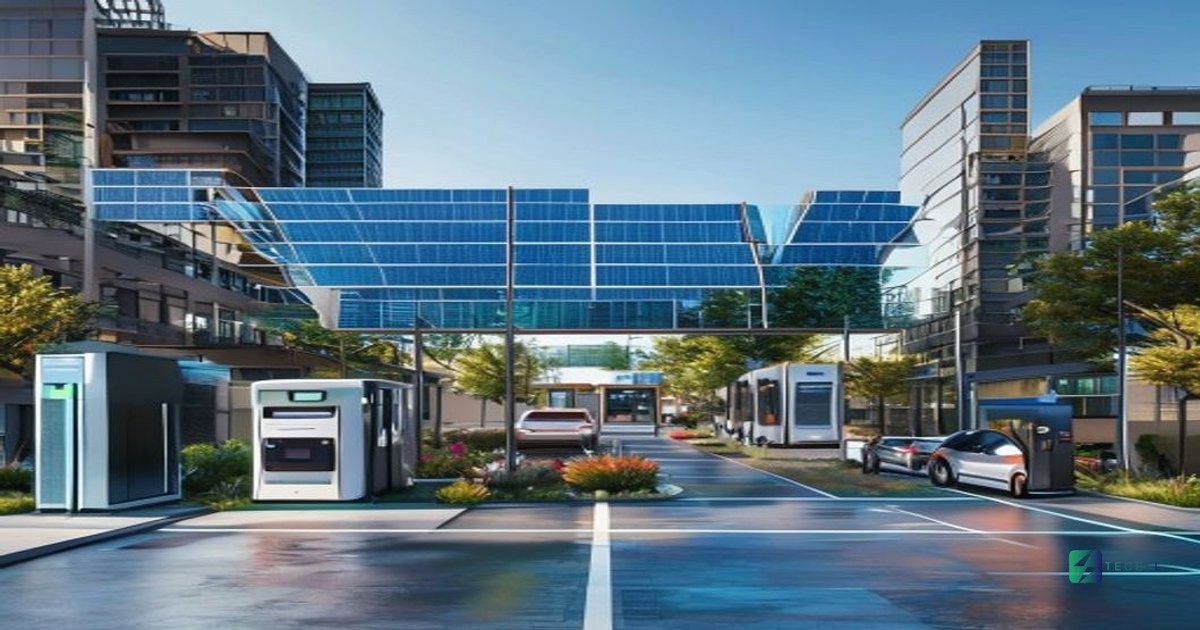
Energy management systems for microgrids with EV charging represent a critical evolution in sustainable urban mobility. These systems integrate solar power, battery storage, and electric vehicle charging infrastructure into a cohesive network. The goal is to optimize energy use, reduce costs, and support grid stability. This integration becomes even more valuable when considering the growing number of electric vehicles on the road.
For operators managing charging infrastructure, understanding how these systems work is essential. It allows them to make informed decisions about deployment, scalability, and performance. The complexity of such systems requires a deep understanding of both energy flows and vehicle charging demands.
Real-world applications show that combining renewable energy sources with EV charging can significantly reduce reliance on the main grid. This approach also supports local energy resilience. It’s particularly relevant for commercial and residential developments looking to adopt sustainable practices.
As cities and organizations aim for carbon neutrality, energy management systems for microgrids with EV charging are becoming a standard requirement. These systems must be flexible, scalable, and capable of handling dynamic loads. They also need to support real-time monitoring and control.
By integrating solar, battery storage, and charging infrastructure, these systems create a self-sufficient energy ecosystem. This setup not only reduces operational costs but also enhances energy security. It’s a practical solution for communities and businesses seeking to reduce their carbon footprint.
How Solar Integration Works in Microgrid Energy Systems
Solar integration into microgrid energy systems involves capturing and converting sunlight into usable electricity. This process begins with photovoltaic panels that generate direct current (DC) power. An inverter then converts this DC into alternating current (AC) for use in the grid.
The energy generated from solar panels can be used immediately or stored in batteries. This stored energy becomes available during peak demand or when solar generation is low. It ensures a consistent power supply even when the sun isn’t shining.
For EV charging, solar energy can power charging stations directly. This reduces the need for grid electricity and lowers operational costs. It also supports the goal of renewable energy usage in transportation.
Microgrids with solar integration often include smart inverters and controllers. These devices manage the flow of energy between solar panels, batteries, and loads. They ensure that energy is used efficiently and that the system remains stable.
When solar energy is abundant, excess power can be stored or sold back to the grid. This creates an additional revenue stream for operators. It also helps balance supply and demand within the microgrid.
Role of Battery Storage in EV Charging Microgrids
Battery storage plays a crucial role in microgrids with EV charging. It acts as a buffer between energy generation and consumption. This is especially important when solar energy is intermittent.
Batteries store excess energy during peak solar generation. They release this energy during high demand or low generation periods. This helps maintain a stable power supply for charging stations.
For fleet operators, battery storage can provide backup power during outages. It ensures that charging operations continue even when the main grid is down. This reliability is essential for logistics companies managing multiple electric vehicles.
Modern battery systems are designed to be scalable and modular. They can be expanded as energy needs grow. This flexibility supports long-term planning and investment in sustainable infrastructure.
Energy storage also enables time-of-use optimization. Charging can be scheduled during low-cost periods. This reduces overall energy expenses for operators and users alike.
Charging Infrastructure Design for Microgrid Integration
Designing charging infrastructure for microgrid integration requires careful planning. The system must support both renewable energy and grid-tied operations. It should also be capable of managing varying load demands.
Charging stations in microgrids often feature smart controls. These systems can adjust power output based on available energy. They can also prioritize charging based on battery levels or user preferences.
A logistics company managing 40 vehicles faces challenges in energy planning. With solar and battery systems in place, they can optimize charging schedules. This reduces strain on the grid and lowers energy costs.
Infrastructure design must also consider scalability. As more EVs are added, the system should accommodate increased demand. This includes both hardware and software upgrades.
Smart charging solutions can communicate with the microgrid’s energy management system. This communication allows for real-time adjustments and better load balancing. It also supports demand response programs and grid services.
Benefits of Microgrid Energy Systems for Urban Mobility
Microgrid energy systems offer several benefits for urban mobility. They reduce dependence on the main grid and increase energy independence. This is particularly valuable in areas with unreliable power supply.
These systems also support sustainability goals. By using renewable energy sources, they reduce carbon emissions. They also promote local energy generation and consumption.
For businesses, microgrids can lower operational costs. Solar and battery systems reduce reliance on expensive grid electricity. Smart charging further optimizes energy use and reduces waste.
Energy management systems for microgrids with EV charging also improve resilience. During power outages, the system can continue operating. This ensures that charging remains available for critical services.
Urban planners and developers benefit from these systems as well. They provide a framework for sustainable development. They also support the integration of new technologies and services.
Challenges and Solutions in Microgrid Implementation
Implementing microgrid energy systems with EV charging comes with challenges. One major issue is the complexity of integrating multiple technologies. Each component must work seamlessly with the others.
Cost is another concern. Initial investment in solar panels, batteries, and smart charging systems can be high. However, long-term savings often justify the expense. Financial incentives and partnerships can also help offset costs.
Technical challenges include managing power flows and ensuring system stability. This requires advanced control systems and monitoring tools. Operators must also stay updated on evolving standards and protocols.
Regulatory compliance adds another layer of complexity. Different regions have varying rules for microgrid operations. These rules can affect how systems are designed and operated.
Despite these challenges, solutions are emerging. New technologies and software platforms simplify integration. Training and support help operators manage complex systems effectively.
Future Trends in Microgrid Energy Management
Future trends in microgrid energy management point toward greater automation and intelligence. AI and machine learning are being used to optimize energy flows and predict demand.
Vehicle-to-grid (V2G) technology is also gaining traction. This allows EVs to feed energy back into the grid. It turns electric vehicles into mobile energy storage units.
Energy storage systems are becoming more efficient and affordable. This makes microgrids more accessible to a wider range of users and applications.
Integration with smart city initiatives is another growing trend. Microgrids can support broader urban sustainability goals. They also enable new services and business models.
As these technologies mature, they will likely become standard features in new developments. This shift will support a more resilient and sustainable energy future.
Case Study: A Commercial Fleet Using Microgrid Charging
A logistics company managing 40 electric vehicles faced challenges with energy planning. Their solution was to install a microgrid with solar panels and battery storage. The system included smart charging stations that could adjust to available energy.
Before the microgrid, the company relied heavily on grid electricity. This led to high energy costs and limited flexibility. With the new system, they could charge vehicles during low-cost periods.
The solar panels generated enough energy for a significant portion of their needs. The battery storage provided backup power during outages. This ensured that operations continued without interruption.
Over time, the company saw a reduction in energy costs. They also improved their sustainability profile. The system supported their goal of carbon neutrality.
This case study shows how energy management systems for microgrids with EV charging can deliver real value. It also highlights the importance of thoughtful design and implementation.
Conclusion: The Path Forward for Microgrid Energy Systems
Energy management systems for microgrids with EV charging are transforming urban mobility. They offer a sustainable, resilient, and cost-effective approach to energy use. These systems are particularly valuable for commercial and residential developments.
As technology advances, these systems will become even more efficient and accessible. They will play a key role in achieving carbon neutrality and energy independence.
For businesses and organizations, investing in microgrid energy systems is a strategic move. It supports long-term sustainability goals and operational efficiency. It also positions them at the forefront of energy innovation.
The integration of solar, battery storage, and charging infrastructure is not just a trend. It’s a necessary evolution in how we think about energy and transportation. These systems are paving the way for a cleaner, smarter future.
Related Reading
For more on related topics, see: EV Charging Solution | Cloud-Based EV Charging Management.
Further reading: India’s EV Charging Infrastructure: Opportunities and Challenges | Tecell CMS Blog
📣 Join our Telegram channel for EV charging insights and product updates.
Also find us on: LinkedIn · X · Bluesky · Mastodon · DEV.to.