
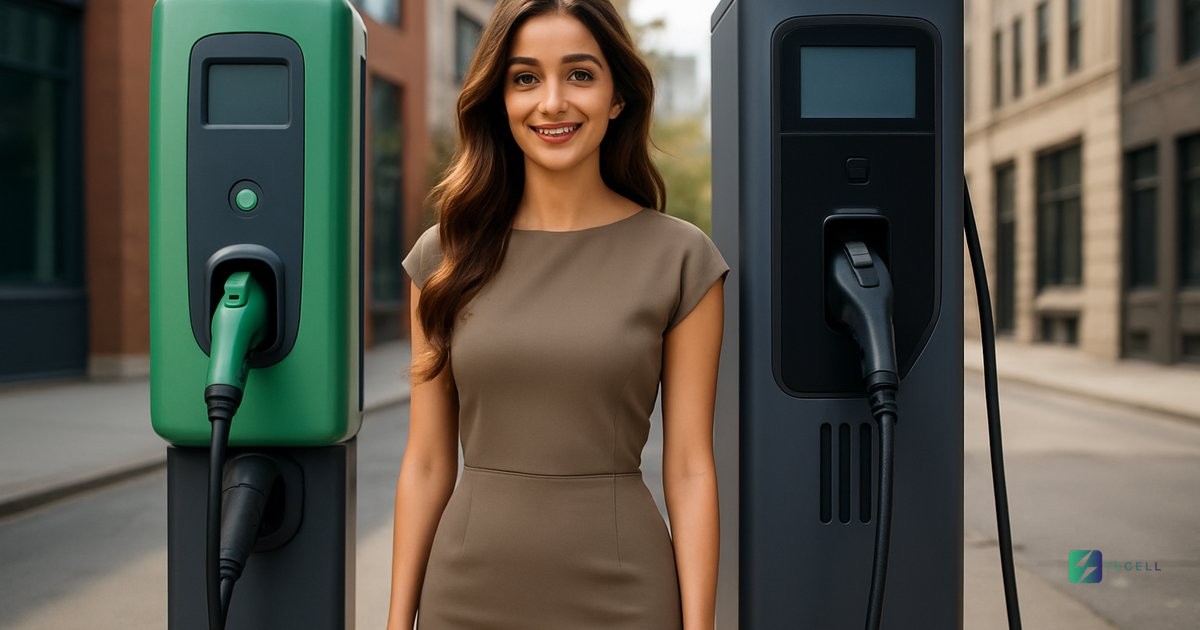
Understanding Level 2 vs Level 3 Chargers for Urban Charging Networks
When planning electric vehicle (EV) charging infrastructure in urban environments, choosing between Level 2 and Level 3 chargers is a critical decision. This choice impacts operational efficiency, power delivery, and cost-effectiveness. Urban charging networks must balance fast charging needs with infrastructure capacity and budget constraints. Understanding the differences between these two levels helps operators make informed decisions that align with their specific use cases.
Level 2 and Level 3 chargers differ in several key aspects. Level 2 chargers typically deliver 7-22 kW of power, while Level 3 chargers can provide 50 kW or more. These distinctions affect charging times, installation requirements, and user experience. For operators managing urban networks, knowing how each type performs under real-world conditions is essential.
Urban environments often demand high-density charging solutions. Operators must consider how many vehicles will use the network simultaneously, how quickly they need to charge, and what infrastructure is already in place. This guide explores the operational efficiency, power delivery, and cost-benefit analysis of both charger types to help inform your decision.
What Defines Level 2 and Level 3 Chargers?
Level 2 and Level 3 chargers are defined by their power output and charging speed. Level 2 chargers typically operate at 7-22 kW, while Level 3 chargers exceed 50 kW. These differences determine how quickly a vehicle can be charged and how much infrastructure is required to support them.
Level 2 chargers are commonly found in residential and commercial settings. They use single-phase or three-phase AC power and are ideal for overnight or extended charging periods. Level 3 chargers, also known as DC fast chargers, convert AC to DC power directly at the charging station. This allows for much faster charging times.
For urban charging networks, the distinction between these two levels is crucial. Level 2 units are more affordable and easier to install, but they take longer to charge vehicles. Level 3 units offer rapid charging but require more robust electrical infrastructure and higher upfront costs.
Operational Efficiency: How Level 2 and Level 3 Chargers Perform in Practice
Operational efficiency in urban charging networks depends on how effectively chargers can serve multiple users. Level 2 chargers are generally more efficient for low-to-moderate usage scenarios. They can handle extended charging sessions without overloading the electrical grid.
Level 3 chargers, while faster, may strain the grid if not properly managed. In high-density areas, operators must balance the number of Level 3 units with available power capacity. This often requires load management systems or upgrades to electrical infrastructure.
A logistics company managing 40 vehicles faces a challenge when choosing between charger types. If most vehicles charge overnight, Level 2 units may suffice. However, if drivers need to recharge quickly during the day, Level 3 chargers become more practical. The operational efficiency of each option depends on usage patterns and infrastructure constraints.
Power Delivery: How Charging Speed Impacts User Experience
Power delivery is a key factor in user satisfaction. Level 2 chargers provide steady, slower charging that works well for overnight or extended stays. Users can leave their vehicles plugged in for hours without concern for power limitations.
Level 3 chargers deliver power rapidly, reducing charging time significantly. This is especially valuable for public charging stations where users expect quick turnaround. However, the high power output also means that these chargers must be carefully integrated into the electrical system to avoid disruptions.
For fleet operators, the ability to charge quickly can improve vehicle uptime. A delivery company with a large number of electric vehicles may find Level 3 chargers essential for maintaining service levels. The faster charging times allow drivers to return to service sooner, which is critical in time-sensitive operations.
Cost-Benefit Analysis: Evaluating Investment in Level 2 vs Level 3 Chargers
Investing in EV charging infrastructure involves weighing upfront costs against long-term benefits. Level 2 chargers are generally less expensive to purchase and install. They require minimal electrical upgrades and can be deployed quickly.
Level 3 chargers, while more costly, offer faster charging and can support higher vehicle throughput. For urban networks with high demand, the investment in Level 3 units may be justified by improved efficiency and user satisfaction.
Operators must also consider ongoing costs such as maintenance, electricity consumption, and potential grid upgrades. A city planning a public charging network might choose a mix of both charger types to balance cost and performance. This approach allows for flexibility in meeting diverse user needs.
Real-World Scenarios: Applying Level 2 vs Level 3 in Practice
Real-world applications of Level 2 and Level 3 chargers vary widely based on location and usage. In a residential complex, Level 2 chargers may be the best fit for residents who charge overnight. These units are reliable, cost-effective, and easy to maintain.
In contrast, a commercial parking facility serving commuters may benefit from Level 3 chargers. These units allow users to charge quickly during short stops, improving the facility’s appeal and usability. The faster charging times also support higher turnover rates.
A university campus with a mix of student and staff vehicles might use both charger types. Level 2 units provide reliable overnight charging for residents, while Level 3 units support daytime use for visitors and short-term parking. This combination ensures that all users have access to appropriate charging speeds.
Infrastructure Considerations for Level 2 and Level 3 Deployments
Deploying either Level 2 or Level 3 chargers requires careful planning of electrical infrastructure. Level 2 chargers typically use standard residential or commercial power supplies. They can often be installed without major upgrades to the electrical system.
Level 3 chargers demand more robust infrastructure. They require dedicated electrical circuits and may need upgrades to transformers or distribution panels. Operators must also consider the impact on the local grid and potential need for smart load management systems.
For urban networks, infrastructure planning is especially critical. A city installing public charging stations must ensure that the electrical grid can support the planned number of Level 3 units. This may involve working with utility providers to upgrade power capacity or implement demand response strategies.
Choosing the Right Charger for Your Urban Network
Selecting between Level 2 and Level 3 chargers depends on several factors. These include usage patterns, available infrastructure, budget, and user expectations. Urban networks must balance these elements to create an effective charging ecosystem.
Operators should also consider future growth and scalability. A network that starts with Level 2 units may need to expand to include Level 3 chargers as demand increases. Planning for this evolution helps avoid costly retrofits later.
Ultimately, the best choice depends on the specific needs of the network. A thorough analysis of usage data, infrastructure capacity, and user feedback can guide operators toward the most effective solution.
Key Takeaways for Urban Charging Network Planning
- Level 2 chargers are ideal for low-to-moderate usage and extended charging periods.
- Level 3 chargers offer fast charging but require more robust infrastructure.
- Operational efficiency and user experience should guide the selection process.
- Cost-benefit analysis helps determine the best mix of charger types for a network.
- Real-world scenarios and infrastructure planning are essential for successful deployment.
Frequently Asked Questions
What is the difference between Level 2 and Level 3 EV chargers?
Level 2 chargers deliver 7-22 kW of power using AC electricity, while Level 3 chargers provide 50 kW or more using DC power. This difference affects charging speed and infrastructure requirements.
Level 2 units are suitable for overnight or extended charging, while Level 3 units are ideal for rapid charging in public or commercial settings.
Which charger type is better for urban charging networks?
Urban networks benefit from a mix of both charger types. Level 2 units support low-to-moderate usage and extended stays, while Level 3 units meet the demand for fast charging.
The best approach depends on usage patterns, infrastructure capacity, and user expectations. A balanced deployment ensures efficient service for all users.
How does power delivery affect charging speed?
Higher power delivery means faster charging. Level 3 chargers can charge vehicles much quicker than Level 2 units, which is essential for public charging stations.
However, faster charging also requires more robust electrical infrastructure and careful management to avoid grid strain.
What are the cost considerations for Level 2 vs Level 3 chargers?
Level 2 chargers are generally less expensive to purchase and install. They require minimal infrastructure upgrades and are easier to maintain.
Level 3 chargers are more costly but offer faster charging and higher throughput. They may require electrical upgrades and smart management systems.
Can urban networks use both Level 2 and Level 3 chargers?
Yes, many urban networks use a combination of both charger types. This approach allows operators to meet diverse user needs and optimize performance.
For example, residential areas may use Level 2 units, while commercial zones use Level 3 units. This balance ensures efficient service across different use cases.
Related Reading
For more on related topics, see: Charging Stations vs Only Portable Chargers for Electric Vehicles? – Tecell.
Further reading: India’s EV Charging Infrastructure: Opportunities and Challenges | Tecell CMS Blog
📣 Join our Telegram channel for EV charging technology insights and product updates.
Also find us on: LinkedIn · X · Bluesky · Mastodon · DEV.to.