How UnityCharge’s CMS Architecture Enables Decentralized Session Management
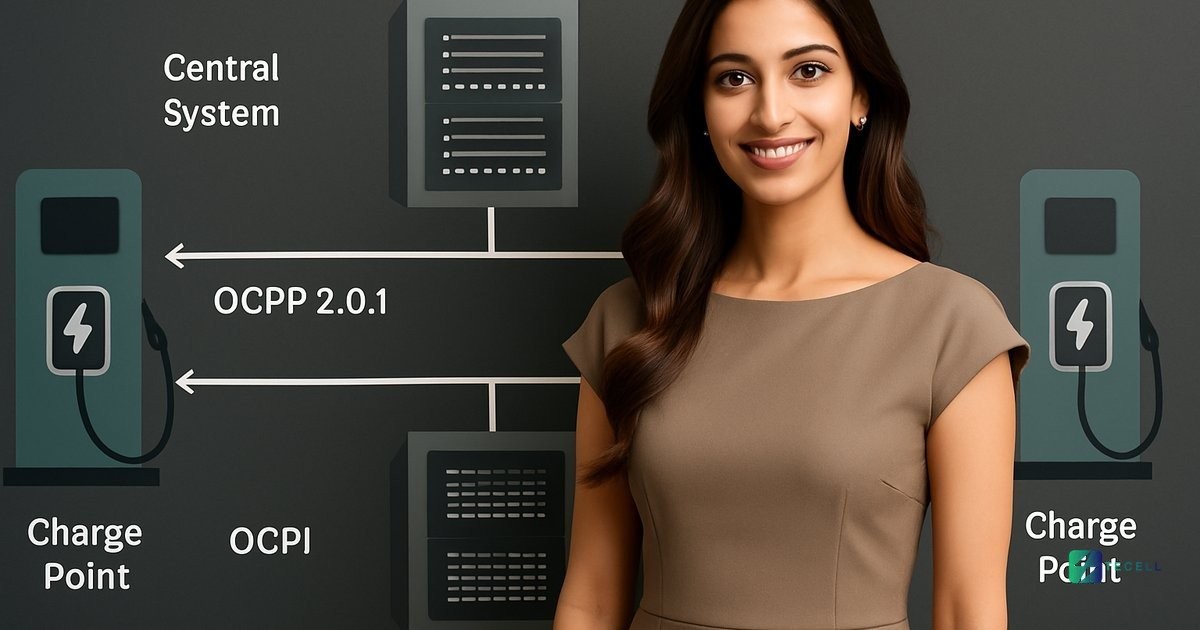
When EV charging networks operate in remote or off-grid locations, traditional cloud-based systems often fall short. UnityCharge’s CMS architecture addresses this challenge by enabling decentralized session management without relying on constant cloud connectivity. This approach ensures that charging sessions can be authenticated, tracked, and managed locally, even when network access is limited or unavailable.
For a logistics company managing 40 electric delivery vehicles, this capability is essential. The fleet operates in rural areas where cellular coverage is inconsistent. With UnityCharge’s CMS, each charging station can maintain session integrity and authentication independently, ensuring that drivers can complete their charging cycles without interruption.
The system achieves this through a combination of local processing and secure communication protocols. It leverages edge computing capabilities to handle real-time authentication and session tracking, reducing dependency on centralized servers.
This design allows operators to deploy charging infrastructure in challenging environments while maintaining control and visibility over operations.
Localized TLS Handshake Optimization for Secure Communication
UnityCharge’s CMS integrates optimized TLS handshakes that are tailored for low-bandwidth or intermittent network conditions. These optimizations reduce the overhead of secure communication, making it feasible to maintain encrypted connections even in off-grid scenarios.
By minimizing the number of round trips required for authentication, the system ensures that charging sessions start quickly and securely. This is particularly important in environments where network latency is high or connectivity is unreliable.
The localized TLS implementation also supports certificate pinning, which strengthens security by ensuring that only trusted devices can establish secure connections. This prevents man-in-the-middle attacks and maintains the integrity of the charging process.
For example, a solar-powered charging station in a remote location can authenticate users and manage sessions using these optimized protocols, even when the connection to the central CMS is intermittent.
Zero-Trust Access Control with Saha-Edge Integration
UnityCharge’s CMS works in tandem with Saha-Edge to enforce zero-trust access control. This means that every authentication request is verified independently, regardless of the user’s previous access history or location.
Each charging session begins with a strict verification process. The system checks credentials against a local database and validates them using cryptographic methods. Only after successful validation does the session proceed, ensuring that unauthorized access is prevented.
This approach is especially valuable in public charging networks where security is paramount. It reduces the risk of unauthorized use and ensures that charging resources are allocated correctly.
For instance, a municipal charging network can rely on this zero-trust model to prevent misuse of public charging infrastructure, even if some devices are offline or disconnected from the main network.
ChargeSphere Roaming Integration for Seamless Cross-Network Operations
UnityCharge’s CMS integrates with ChargeSphere to support seamless roaming across different charging networks. This integration allows users to authenticate and pay for charging sessions using a single account, even when moving between networks that use different systems.
When a vehicle moves from one network to another, the system can quickly validate the user’s credentials and ensure that the session is properly managed. This is particularly useful for long-distance travel or fleet operations that span multiple providers.
The integration also enables real-time updates on charging availability and pricing, helping users make informed decisions about where to charge their vehicles.
For a logistics company with a nationwide fleet, this means drivers can charge at any compatible station without needing to switch accounts or worry about payment issues.
Real-Time Authentication Without Cloud Dependency
UnityCharge’s CMS ensures that real-time authentication is possible even when the system is not connected to the cloud. This is achieved through local credential storage and validation mechanisms.
Each charging station maintains a secure local database of authorized users and their credentials. When a user initiates a session, the system checks these credentials against the local database, ensuring that authentication can proceed without requiring cloud access.
This capability is crucial for off-grid deployments where network connectivity is limited or unreliable. It allows operators to maintain full control over their charging infrastructure, even in remote locations.
For example, a charging station in a mountainous region with poor cellular coverage can still authenticate users and manage sessions effectively, thanks to this local authentication approach.
Energy Optimization and Load Balancing in Decentralized Environments
UnityCharge’s CMS also supports energy optimization and load balancing in decentralized environments. This ensures that charging sessions are managed efficiently, even when multiple vehicles are charging simultaneously.
The system can dynamically adjust charging rates based on available power and demand. This prevents overloading the local power grid and ensures that all vehicles receive adequate charging time.
For a commercial charging network, this means that operators can maximize the use of renewable energy sources, such as solar panels, while maintaining stable charging operations.
By integrating with Saha-Edge, the system can also monitor and respond to changes in energy availability in real time, further enhancing efficiency.
Scalability and Flexibility for Diverse Charging Deployments
UnityCharge’s CMS architecture is designed to scale across a wide range of charging deployments, from small residential installations to large commercial networks. This flexibility allows operators to deploy the system in various environments without compromising performance.
Whether a charging network is located in a city center or a remote area, the system adapts to local conditions and requirements. This adaptability is essential for operators who need to manage diverse charging scenarios.
The modular design of the CMS allows for easy integration with existing infrastructure and third-party systems. This makes it simple for operators to upgrade or modify their networks as needed.
For a utility company deploying charging infrastructure across a region, this scalability ensures that the system can grow with demand and accommodate new technologies as they emerge.
Security and Compliance in Off-Grid Charging Environments
Security is a top priority in off-grid charging environments, where traditional security measures may not be sufficient. UnityCharge’s CMS incorporates multiple layers of security to protect against unauthorized access and ensure compliance with industry standards.
The system uses encrypted communication channels and secure credential storage to protect sensitive data. It also supports compliance with regulations such as GDPR and other data protection laws.
Operators can configure security policies based on their specific needs, ensuring that their charging networks meet both internal and external requirements. This is especially important for public charging networks that must adhere to strict security guidelines.
For a fleet operator managing a large number of vehicles, this ensures that all charging sessions are secure and compliant, reducing the risk of data breaches or unauthorized use.
Conclusion: UnityCharge CMS for Future-Proof Charging Infrastructure
UnityCharge’s CMS architecture provides a robust foundation for decentralized session management in off-grid EV charging networks. By combining local authentication, secure communication, and integration with ChargeSphere and Saha-Edge, it enables operators to deploy reliable and scalable charging infrastructure in challenging environments.
This approach not only supports current charging needs but also prepares networks for future developments in EV technology and infrastructure. Operators can confidently manage their charging networks, knowing that they have the tools and capabilities to support secure, efficient, and scalable operations.
For those looking to deploy charging infrastructure in remote or off-grid locations, UnityCharge’s CMS offers a proven solution that balances security, performance, and flexibility.
Related Reading
For more on related topics, see: Charging Session Orchestration Layer for EV Infrastructure.
Further reading: EV Charging Software Features | Tecell CMS (UnityCharge) – OCPP, Billing, Mobile
📣 Join our Telegram channel for EV charging technology insights and product updates.
Also find us on: LinkedIn · X · Bluesky · Mastodon · DEV.to.