
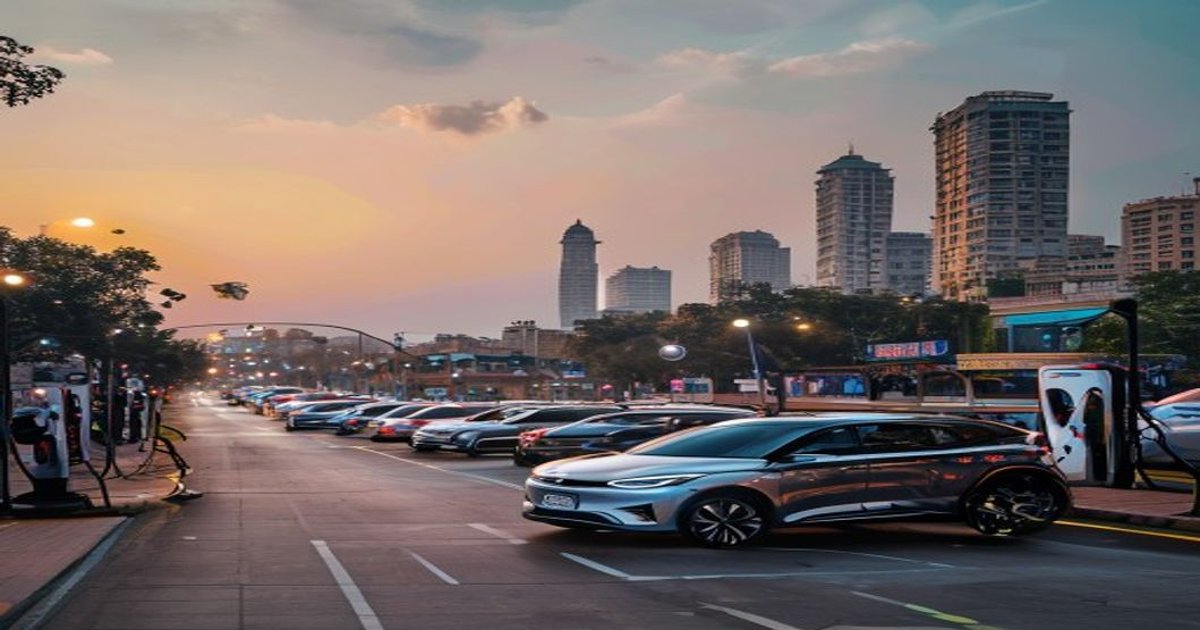
Delhi’s new EV policy is a significant step forward in the city’s efforts to combat air pollution and promote sustainable transportation. This comprehensive analysis will explore the implications of the policy for EV drivers, charge point operators, the environment, and the public in the Delhi region.
Understanding Delhi’s New EV Policy
The new EV policy in Delhi aims to accelerate the adoption of electric vehicles (EVs) by providing a range of incentives and support measures. The policy focuses on reducing the cost of EV ownership, improving charging infrastructure, and promoting the use of EVs in various sectors.
Key Provisions of the Policy
The policy includes several key provisions designed to make EVs more accessible and appealing to consumers. These include:
- Subsidies for EV purchases
- Exemptions from road taxes and registration fees
- Special lanes and parking spaces for EVs
- Incentives for setting up charging stations
Impact on EV Drivers
For EV drivers, the new policy brings a host of benefits that can significantly reduce the cost and improve the convenience of owning an electric vehicle. The subsidies and tax exemptions can make EVs more affordable, while the special lanes and parking spaces can enhance the driving experience.
Reduced Ownership Costs
The subsidies and tax exemptions provided under the policy can substantially lower the initial cost of purchasing an EV. This makes it more feasible for a wider range of consumers to consider electric vehicles as a viable alternative to traditional gasoline-powered cars.
Enhanced Driving Experience
The introduction of special lanes and parking spaces for EVs can make driving and parking more convenient. These dedicated spaces can help reduce congestion and provide EV drivers with a more pleasant and efficient driving experience.
Impact on Charge Point Operators
Charge point operators (CPOs) stand to benefit significantly from the new EV policy. The incentives for setting up charging stations can help CPOs expand their networks and improve the availability of charging infrastructure in the Delhi region.
Increased Demand for Charging Stations
As more EVs hit the roads, the demand for charging stations will naturally increase. The policy’s incentives for setting up charging stations can help CPOs meet this growing demand and ensure that EV drivers have access to reliable and convenient charging options.
Improved Business Opportunities
The expansion of the charging network can open up new business opportunities for CPOs. By providing high-quality charging services, CPOs can attract more customers and build a strong reputation in the EV charging market.
Environmental Benefits
The new EV policy in Delhi is expected to have significant environmental benefits. By promoting the adoption of electric vehicles, the policy can help reduce air pollution and greenhouse gas emissions, contributing to a cleaner and more sustainable urban environment.
Reduction in Air Pollution
EVs produce zero tailpipe emissions, which can significantly reduce air pollution in the Delhi region. This is particularly important in a city that has long struggled with high levels of air pollution and its associated health impacts.
Lower Greenhouse Gas Emissions
The shift towards electric vehicles can also help reduce greenhouse gas emissions, which are a major contributor to climate change. By promoting the use of EVs, the policy can contribute to global efforts to mitigate the impacts of climate change.
Public Benefits
The new EV policy in Delhi is not just about benefiting EV drivers and CPOs; it also has significant benefits for the public at large. Improved air quality, reduced noise pollution, and a more sustainable urban environment are just a few of the ways in which the policy can positively impact the public.
Improved Air Quality
The reduction in air pollution resulting from the increased use of EVs can lead to improved air quality in the Delhi region. This can have a positive impact on public health, reducing the incidence of respiratory and cardiovascular diseases.
Reduced Noise Pollution
EVs are generally much quieter than traditional gasoline-powered vehicles, which can help reduce noise pollution in urban areas. This can contribute to a more peaceful and pleasant living environment for residents of Delhi.
Challenges and Considerations
While the new EV policy in Delhi is a positive step forward, there are also several challenges and considerations that need to be addressed to ensure its success. These include the need for robust infrastructure, public awareness, and ongoing support from the government.
Infrastructure Development
The success of the policy will depend on the availability of a robust charging infrastructure. CPOs and the government will need to work together to ensure that there are enough charging stations to meet the growing demand for EVs.
Public Awareness and Education
Raising public awareness about the benefits of EVs and the new policy is crucial. Educational campaigns can help dispel myths and misconceptions about electric vehicles and encourage more people to consider making the switch.
Government Support and Incentives
Ongoing support from the government, including financial incentives and regulatory measures, will be essential to sustain the momentum of the EV market in Delhi. This support can help ensure that the policy achieves its intended goals and has a lasting positive impact.
Conclusion
Delhi’s new EV policy represents a significant step towards a more sustainable and environmentally friendly urban transportation system. By providing incentives for EV adoption, improving charging infrastructure, and promoting public awareness, the policy can help reduce air pollution, lower greenhouse gas emissions, and improve the quality of life for residents of the Delhi region. As the policy is implemented, it will be important to monitor its impact and address any challenges that arise to ensure its long-term success.
FAQ
- What are the main benefits of Delhi’s new EV policy?
The main benefits include reduced ownership costs for EV drivers, increased demand for charging stations, improved air quality, and reduced noise pollution.
- How will the policy help charge point operators?
The policy provides incentives for setting up charging stations, which can help CPOs expand their networks and meet the growing demand for charging infrastructure.
- What are the environmental impacts of the policy?
The policy can significantly reduce air pollution and greenhouse gas emissions, contributing to a cleaner and more sustainable urban environment.
Related Reading
For more on related topics, see: Indian Government on New EV Policy Implementation – Tecell.
Further reading: India’s EV Charging Infrastructure: Opportunities and Challenges | Tecell CMS Blog