
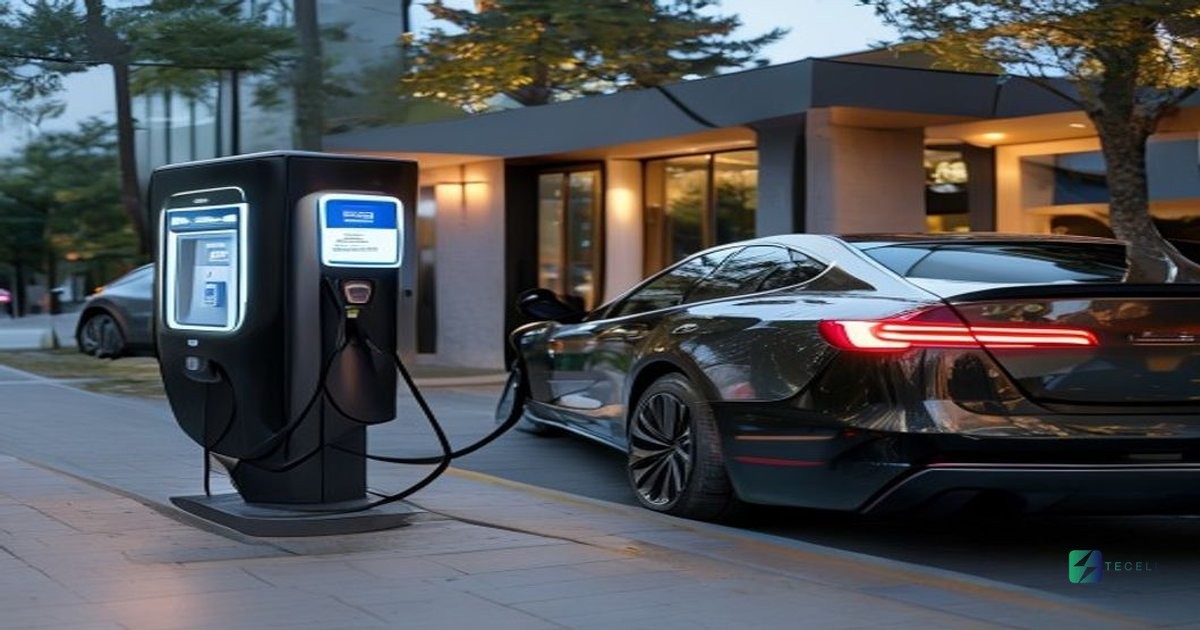
Understanding ISO 15118 Plug & Charge for Automated Billing
ISO 15118 Plug & Charge represents a significant leap in EV charging automation, especially for multi-tenant environments. This standard enables seamless, secure, and contactless authentication between electric vehicles and charging stations. It eliminates the need for traditional payment methods or user accounts, allowing vehicles to automatically authenticate and begin charging with minimal human intervention. For property managers and facility operators, this means a smoother experience for tenants and more efficient billing processes.
The core idea behind Plug & Charge is to use digital certificates to establish trust between the vehicle and the charging station. These certificates are part of a broader security framework that ensures only authorized users can access the charging infrastructure. This approach is particularly valuable in shared spaces like apartment complexes, office buildings, or fleet operations where multiple users interact with the same charging points.
When a vehicle connects to a charging station, it automatically presents its digital identity. The station verifies this identity using the certificate, and if valid, initiates the charging session. This process is fully automated, reducing the need for manual checks or payment confirmations. It also allows for real-time billing based on energy consumption, which is essential for accurate and fair cost allocation in multi-tenant settings.
For property managers, this means fewer disputes over billing, reduced administrative overhead, and a more transparent charging experience for tenants. The system also supports dynamic pricing, which can be adjusted based on time-of-use or demand, further optimizing energy costs.
How Certificate Lifecycle Management Works in Plug & Charge
Certificate lifecycle management is a critical component of ISO 15118 Plug & Charge. It ensures that digital identities remain valid and secure throughout their use. This process involves issuing, storing, updating, and revoking certificates as needed. Each certificate is tied to a specific vehicle or user and must be renewed periodically to maintain security.
The lifecycle begins with the initial issuance of a certificate by a trusted authority, such as a Certificate Authority (CA). This certificate contains information about the vehicle or user and is cryptographically signed to ensure authenticity. Once issued, the certificate is stored in the vehicle’s onboard system or a secure mobile app.
As time passes, certificates may expire or become compromised. The system must be able to detect and replace expired certificates automatically. This is handled through a secure update mechanism that ensures no unauthorized access occurs during the transition. The charging station must also be capable of verifying the new certificate before allowing a charging session to begin.
For multi-tenant environments, managing certificate lifecycles becomes more complex. Property managers must ensure that all tenants’ vehicles have valid certificates and that the system can handle updates without disrupting ongoing charging sessions. This requires robust backend infrastructure and clear policies for certificate renewal and revocation.
Session Authorization and Security in Multi-Tenant Environments
Session authorization in ISO 15118 Plug & Charge involves verifying that a vehicle is allowed to charge at a specific station. This process is handled through the certificate exchange and is designed to be both secure and efficient. In multi-tenant environments, this becomes even more critical as different users may have varying access rights or billing arrangements.
When a vehicle connects, the charging station requests the vehicle’s certificate. The vehicle responds with its identity, which is then verified by the station. If the certificate is valid and the vehicle is authorized, the session begins. This process is designed to be fast, typically taking just a few seconds, which is essential for maintaining a good user experience.
Security is a top priority in this process. The system uses cryptographic techniques to ensure that no unauthorized vehicle can access the charging infrastructure. Additionally, the session must be monitored for any anomalies or unauthorized access attempts. If a problem is detected, the system can automatically terminate the session and alert the operator.
In a multi-tenant setting, session authorization also needs to account for different billing models. For example, some tenants may have a flat rate, while others may be charged based on usage. The system must be able to differentiate between these models and apply the correct billing rules during the session.
Real-World Scenario: A Logistics Company Managing 40 Vehicles
A logistics company managing 40 electric vehicles faces unique challenges in charging operations. With a fleet of vehicles that need to be charged efficiently and fairly, the company must ensure that each driver is billed correctly and that charging sessions are secure and automated.
By implementing ISO 15118 Plug & Charge, the company can streamline its charging process. Drivers simply connect their vehicles to any compatible charging station, and the system automatically authenticates and begins charging. Billing is handled in real-time, with each driver’s account updated based on energy consumption.
This approach eliminates the need for manual payment processing or complex billing systems. It also reduces disputes over charges, as the system provides a clear audit trail of each charging session. The company can also monitor energy usage and optimize charging schedules to reduce costs.
For fleet managers, this means better control over vehicle operations and more accurate cost tracking. The system also supports dynamic pricing, allowing the company to charge more during peak hours or reduce costs during off-peak times.
Benefits of Automated Billing in Multi-Tenant Charging Environments
Automated billing through ISO 15118 Plug & Charge brings several advantages to multi-tenant charging environments. It reduces administrative overhead by eliminating the need for manual billing processes or payment collection. This is especially beneficial for property managers who oversee multiple charging stations across different buildings or zones.
Real-time billing ensures that tenants are charged accurately and promptly. This transparency helps build trust and reduces disputes over billing. It also allows for more flexible pricing models, such as time-of-use or demand-based rates, which can help optimize energy consumption and reduce costs.
For facility operators, automated billing also improves cash flow. Since charges are processed immediately upon session completion, there is less risk of unpaid bills or delayed payments. This is particularly important in shared environments where multiple users may be accessing the same infrastructure.
Additionally, the system supports integration with existing billing platforms, making it easier to incorporate into current financial workflows. This reduces the need for new software or systems, saving both time and money.
Challenges and Considerations for Implementation
Implementing ISO 15118 Plug & Charge in multi-tenant environments comes with its own set of challenges. One of the main concerns is ensuring that all vehicles in the system have valid certificates. This requires coordination with vehicle manufacturers or fleet managers to ensure that certificates are properly issued and maintained.
Another challenge is managing the certificate lifecycle across a large number of vehicles. Property managers must have systems in place to track certificate expiration dates and ensure timely renewals. This can be complex when dealing with a diverse fleet of vehicles from different manufacturers.
Security is also a key consideration. The system must be designed to prevent unauthorized access or tampering with certificates. This requires robust encryption and secure communication protocols between vehicles and charging stations.
Finally, there may be compatibility issues with older charging infrastructure. Not all charging stations currently support ISO 15118 Plug & Charge, which means that upgrades or replacements may be necessary. This can be a significant investment for property managers, especially in large multi-tenant buildings.
How to Prepare for ISO 15118 Plug & Charge Implementation
Before implementing ISO 15118 Plug & Charge, property managers should assess their current charging infrastructure and identify any gaps. This includes checking whether existing charging stations support the standard and whether vehicles in the fleet are compatible.
It’s also important to establish clear policies for certificate management. This includes defining who is responsible for issuing, renewing, and revoking certificates. A centralized system for managing these certificates can help streamline the process and reduce errors.
Training staff on the new system is another key step. This ensures that they understand how to troubleshoot issues and assist tenants with any problems they may encounter. Clear communication with tenants about the new billing process is also essential to avoid confusion.
Finally, property managers should consider integrating the system with their existing billing and management platforms. This ensures that all data is synchronized and that the system works seamlessly with current workflows.
Future Outlook for ISO 15118 Plug & Charge
The future of ISO 15118 Plug & Charge looks promising, especially as more vehicles and charging stations adopt the standard. As the technology matures, we can expect to see improvements in certificate management, session authorization, and integration with other systems.
One area of development is the expansion of support for different types of vehicles and charging scenarios. This includes not just passenger cars but also commercial vehicles, buses, and even charging for energy storage systems. The standard is being adapted to meet the needs of a broader range of applications.
Another trend is the integration of Plug & Charge with smart grid technologies. This allows charging stations to communicate with the grid and adjust charging rates based on energy availability or demand. This can help reduce strain on the grid and support renewable energy adoption.
As more companies adopt this standard, we can also expect to see better interoperability between different manufacturers and platforms. This will make it easier for users to charge their vehicles anywhere, regardless of the charging infrastructure they encounter.
Conclusion
ISO 15118 Plug & Charge is transforming how charging is managed in multi-tenant environments. By automating authentication and billing, it reduces complexity and improves the user experience. For property managers and facility operators, this means more efficient operations and better financial control.
The key to success lies in proper implementation and management of certificate lifecycles. When done correctly, this technology can significantly reduce administrative burden and support more flexible pricing models. As the standard continues to evolve, it will play an increasingly important role in the future of EV charging.
Related Reading
For more on related topics, see: Plug & Charge: Simplifying the EV Charging Payment Experience.
Further reading: EV Charge Management Software Global | Europe, UK, US | Tecell CMS
📣 Join our Telegram channel for EV charging technology insights and product updates.
Also find us on: LinkedIn · X · Bluesky · Mastodon · DEV.to.