
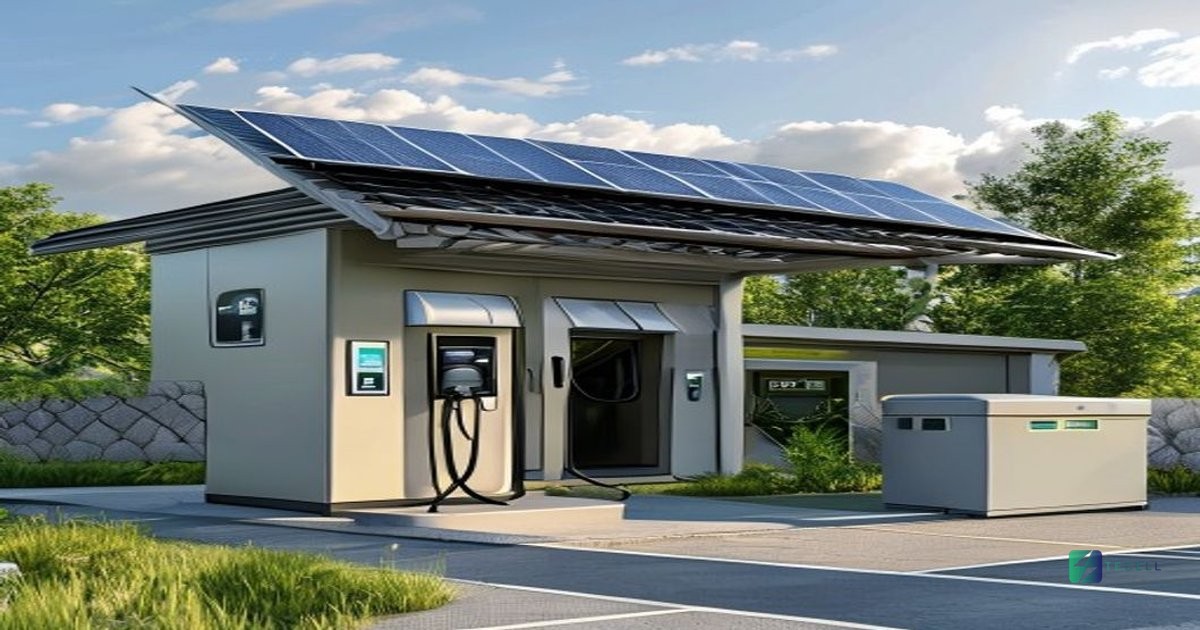
Why Renewable Energy Integration Matters for EV Charging
Integrating renewable energy sources into EV charging infrastructure is more than a trend—it’s a strategic necessity. As the world shifts toward sustainable transportation, charging stations must align with broader environmental goals. This approach not only reduces carbon footprints but also enhances energy resilience and operational efficiency. The focus on renewable energy integration in EV charging systems is becoming a key differentiator for operators aiming to meet evolving regulatory standards and customer expectations.
Operators who embrace this shift are positioning themselves ahead of the curve. They’re not just providing charging services—they’re contributing to a cleaner energy ecosystem. This integration also opens opportunities for dynamic power sourcing, where charging stations can draw from solar, wind, or other renewable sources based on real-time availability.
For example, a logistics company managing 40 electric vehicles might install solar panels at their depot to power charging operations. This setup reduces reliance on the grid and lowers operational costs. It also ensures that the energy used for charging is clean and sustainable.
The technical design of such systems requires careful planning. It involves balancing energy supply and demand, managing storage, and coordinating with smart grid systems. These elements are essential for a seamless and efficient renewable energy integration.
Technical Design for Dynamic Power Sourcing
Dynamic power sourcing allows charging infrastructure to adapt to real-time energy availability. This means that when solar panels produce excess energy, it can be directed to charge vehicles immediately. When energy is low, the system can draw from battery storage or the grid to maintain service.
Smart inverters and energy management systems are critical components in this setup. They monitor energy flow and adjust power distribution accordingly. These systems ensure that charging stations operate efficiently, even when renewable energy sources fluctuate.
For instance, a fleet operator might use a combination of solar panels and battery storage to power their charging stations. During peak sunlight hours, solar energy covers most of the charging demand. When the sun sets, stored energy takes over, ensuring continuous service without grid dependency.
This approach also supports time-of-use pricing. Charging stations can be programmed to prioritize renewable energy during low-cost periods, reducing overall costs for operators and users alike.
Smart Grid Coordination and Load Management
Smart grid coordination ensures that renewable energy integration doesn’t disrupt the broader power network. It involves communication between charging stations and utility providers to manage load effectively. This coordination helps prevent overloading and maintains grid stability.
Load management systems play a key role in this process. They can adjust charging rates based on grid conditions. If the grid is under stress, these systems can reduce power consumption temporarily. This prevents blackouts and supports grid reliability.
Consider a residential charging station that connects to a smart grid. During high-demand periods, the system might slow down charging to reduce strain on the local network. In return, the operator might receive incentives for participating in grid balancing programs.
These systems also support vehicle-to-grid (V2G) capabilities. EVs can feed energy back into the grid when needed, creating a two-way flow of electricity. This flexibility enhances the value of renewable energy integration.
Energy Storage Solutions for Renewable Integration
Energy storage is a cornerstone of renewable energy integration in EV charging. Batteries store excess energy generated during peak production times. This stored energy can then be used during low-production periods or high-demand times.
For large-scale deployments, such as commercial charging hubs, battery systems can be scaled to meet specific needs. These systems often include smart controls that optimize charging and discharging cycles. This ensures maximum efficiency and longevity of the battery assets.
A real-world example is a charging station at a shopping mall. Solar panels generate energy during the day, which is stored in batteries. The stored energy powers charging stations during evening hours when demand is high. This setup reduces reliance on the grid and supports the mall’s sustainability goals.
Storage solutions also provide backup power during outages. This ensures that charging services remain available even when the main grid is down. It adds a layer of resilience that’s increasingly important in modern infrastructure.
Regulatory and Policy Considerations
Regulatory frameworks are evolving to support renewable energy integration in EV charging. These policies often incentivize clean energy use and penalize carbon-intensive operations. Operators who comply with these regulations can benefit from tax credits, subsidies, or preferential grid access.
For example, some regions offer net metering programs that allow charging stations to sell excess energy back to the grid. This creates a revenue stream for operators while promoting renewable energy use.
Policy changes also affect how charging stations interact with smart grids. Operators must stay informed about evolving standards and requirements. This includes understanding how to report energy usage and participate in demand response programs.
Staying ahead of regulatory shifts is crucial for long-term success. It ensures that infrastructure investments remain compliant and valuable over time.
Benefits of Renewable Energy Integration for Charging Operators
Operators who integrate renewable energy into their charging infrastructure gain several advantages. These include reduced operational costs, improved sustainability credentials, and enhanced customer appeal. Charging stations powered by clean energy attract environmentally conscious users.
Additionally, renewable integration can lead to energy independence. Stations that rely less on the grid are more resilient to power outages and price fluctuations. This stability is especially valuable for fleet operators and commercial facilities.
From a business perspective, renewable energy systems can also qualify for green financing options. These include low-interest loans or grants aimed at promoting sustainable infrastructure. Such funding can offset initial investment costs and improve return on investment.
Finally, renewable integration supports corporate sustainability goals. Companies that adopt clean energy practices often see improved brand reputation and stakeholder trust.
Challenges and Solutions in Implementation
Despite its benefits, integrating renewable energy into EV charging infrastructure presents challenges. Initial setup costs can be high, and technical complexity may require specialized expertise. Operators must also navigate regulatory compliance and grid interconnection issues.
One common challenge is the variability of renewable energy sources. Solar and wind power depend on weather conditions, which can affect energy availability. This requires robust energy storage and management systems to maintain consistent service.
Another issue is the lack of standardized protocols for renewable integration. Different systems may not communicate effectively, leading to inefficiencies. Operators can address this by choosing compatible technologies and working with vendors who support open standards.
Training and support are also essential. Staff must understand how to manage renewable systems and troubleshoot issues. This investment in human capital ensures smooth operations and long-term success.
Future Trends in Renewable EV Charging
The future of renewable energy integration in EV charging is promising. Advancements in battery technology, smart grid systems, and AI-driven energy management are expected to improve efficiency and reduce costs. These innovations will make renewable integration more accessible and scalable.
Emerging technologies like vehicle-to-grid (V2G) and microgrids are also shaping the landscape. These systems allow for more dynamic and decentralized energy use. They support greater integration of renewable sources and enhance grid stability.
As more regions adopt renewable energy targets, charging infrastructure will need to evolve accordingly. Operators who invest early in renewable integration will be better positioned to meet future demands and regulatory requirements.
Ultimately, the shift toward renewable energy in EV charging is not just about technology—it’s about building a sustainable future. It’s a commitment to cleaner transportation and energy use that benefits everyone.
Frequently Asked Questions
- How does renewable energy integration work in EV charging? Renewable energy integration involves using solar, wind, or other clean sources to power charging stations. Energy storage systems manage fluctuations in supply, ensuring consistent charging availability.
- What are the main benefits of integrating renewable energy into EV charging? Benefits include lower operational costs, reduced carbon emissions, energy independence, and improved brand reputation. It also supports regulatory compliance and sustainability goals.
- What challenges do operators face when integrating renewable energy? Challenges include high upfront costs, technical complexity, and regulatory compliance. Variability in renewable energy sources also requires robust storage and management systems.
- Can renewable energy integration reduce charging costs? Yes, renewable energy can significantly reduce charging costs, especially when combined with energy storage and smart management systems. It also provides protection against grid price volatility.
- How does smart grid coordination support renewable integration? Smart grid coordination allows charging stations to communicate with utility providers. This helps manage load, maintain grid stability, and optimize energy use during peak and off-peak times.
Related Reading
For more on related topics, see: Chargepoint Alliance – EV Charging Interoperability.
Further reading: India’s EV Charging Infrastructure: Opportunities and Challenges | Tecell CMS Blog
📣 Join our Telegram channel for EV charging technology insights and product updates.
Also find us on: LinkedIn · X · Bluesky · Mastodon · DEV.to.