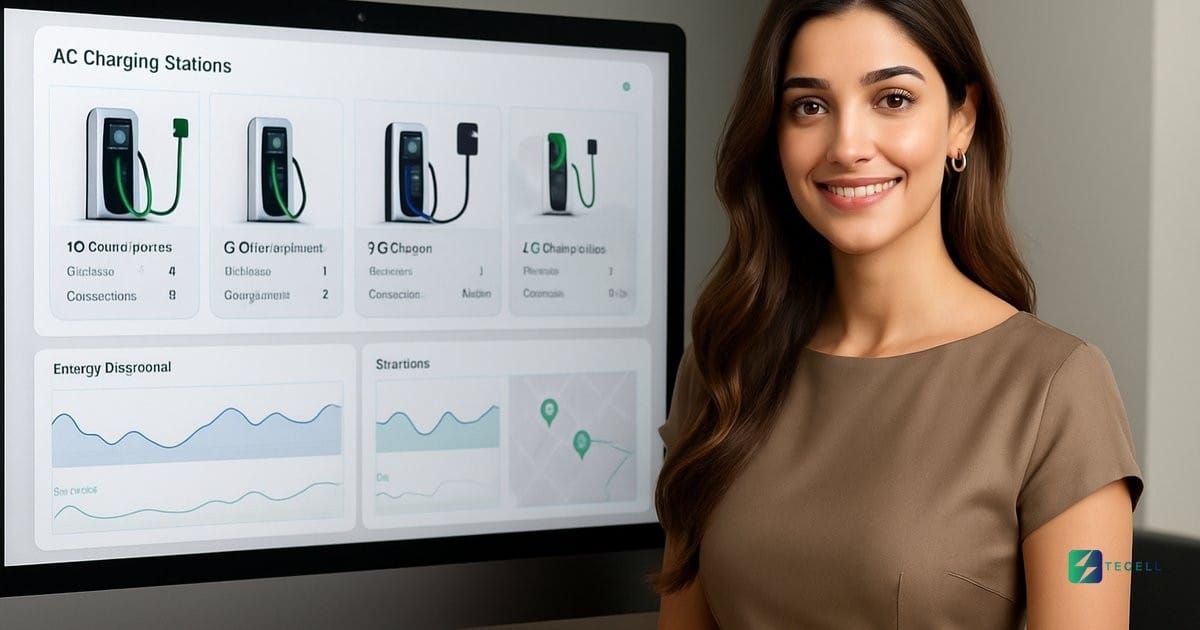
Charging cabinets manage power distribution to multiple vehicles through intelligent load balancing and dynamic power allocation. They monitor the total power draw from all connected vehicles and adjust individual charger outputs to stay within safe electrical limits. This ensures no single vehicle monopolizes the available power while maintaining optimal charging speeds for all users.
How Power Distribution Works in Practice
In real-world deployments, charging cabinets use a central control unit to track power consumption across all connected chargers. When multiple vehicles connect simultaneously, the system evaluates each vehicle’s charging needs and available capacity. It then dynamically redistributes power among chargers to prevent overloading the electrical circuit.
For example, if a cabinet has 100 kW of total power and five vehicles connect, it might allocate 20 kW to each. If one vehicle requires more power, the system reduces output to others to maintain safe operation. This process happens in real-time, ensuring consistent performance.
Advanced cabinets also consider factors like vehicle battery state, charging protocol, and grid constraints. These systems prevent power spikes that could trip circuit breakers or damage equipment.
What This Means for Fleet Operators
Fleet managers benefit significantly from smart power distribution because it maximizes efficiency across their charging infrastructure. When vehicles charge simultaneously, the system ensures that no single station becomes a bottleneck. This allows for faster turnaround times and better scheduling.
For instance, a delivery company with 20 electric trucks using a shared charging cabinet can rely on consistent power delivery. Even if several trucks connect at once, the cabinet maintains stable performance without requiring additional electrical upgrades.
This capability also supports dynamic pricing models, where operators can charge based on demand or time of day. The cabinet’s ability to manage load helps maintain profitability while ensuring reliable service.
Related Reading
For more on related topics, see: Chargepoint Alliance – EV Charging Interoperability.
Further reading: India’s EV Charging Infrastructure: Opportunities and Challenges | Tecell CMS Blog
📣 Join our Telegram channel for EV charging technology insights and product updates.
Also find us on: LinkedIn · X · Bluesky · Mastodon · DEV.to.