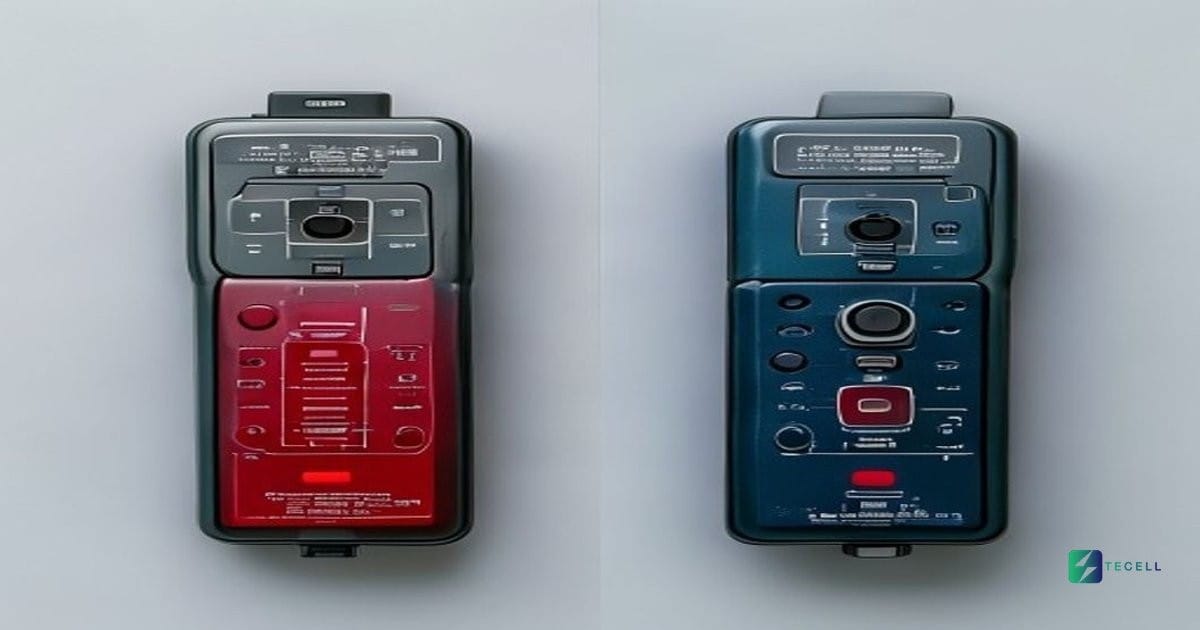
Saha-Edge enables real-time cross-protocol power scheduling between CCS2 and NACS connectors within the same charging station while maintaining ISO 15118 Plug & Charge compliance and session continuity without cloud dependency. The platform achieves this through embedded edge computing that dynamically manages power distribution and communication protocols at the local level.
How Saha-Edge manages protocol differences
Saha-Edge uses a modular edge computing architecture that isolates protocol handling at the hardware level. It supports both CCS2 and NACS communication standards simultaneously by running dedicated protocol stacks in parallel. The system maintains session continuity by preserving connection state information across protocol transitions.
This approach allows a single charging station to serve vehicles with different connector types without requiring external coordination. The edge platform ensures that power delivery adapts instantly to the specific requirements of each vehicle, regardless of its charging standard.
For example, when a CCS2 vehicle and a NACS vehicle connect simultaneously, Saha-Edge allocates appropriate power levels to each without interrupting either session. This capability is especially valuable in commercial or fleet environments where mixed-protocol charging is common.
Benefits for charging network operators
Network operators benefit from reduced infrastructure complexity and improved operational efficiency. Saha-Edge eliminates the need for separate charging stations for different connector types, lowering capital expenditure and simplifying maintenance.
The platform’s offline capability ensures consistent performance even during network outages. This resilience is critical for public charging infrastructure where connectivity issues can disrupt service.
Operators can also leverage real-time scheduling for load balancing and energy optimization. The system’s ability to manage multiple protocols locally supports more flexible deployment strategies, including installations in remote or low-connectivity areas.
Related Reading
For more on related topics, see: Cross-Protocol Gateway Architecture for Hybrid Charging Networks.
Further reading: CMS-Based Energy Management for EV Charging: OCPP Smart Charging in India | Tecell CMS Blog
📣 Join our Telegram channel for EV charging technology insights and product updates.
Also find us on: LinkedIn · X · Bluesky · Mastodon · DEV.to.