
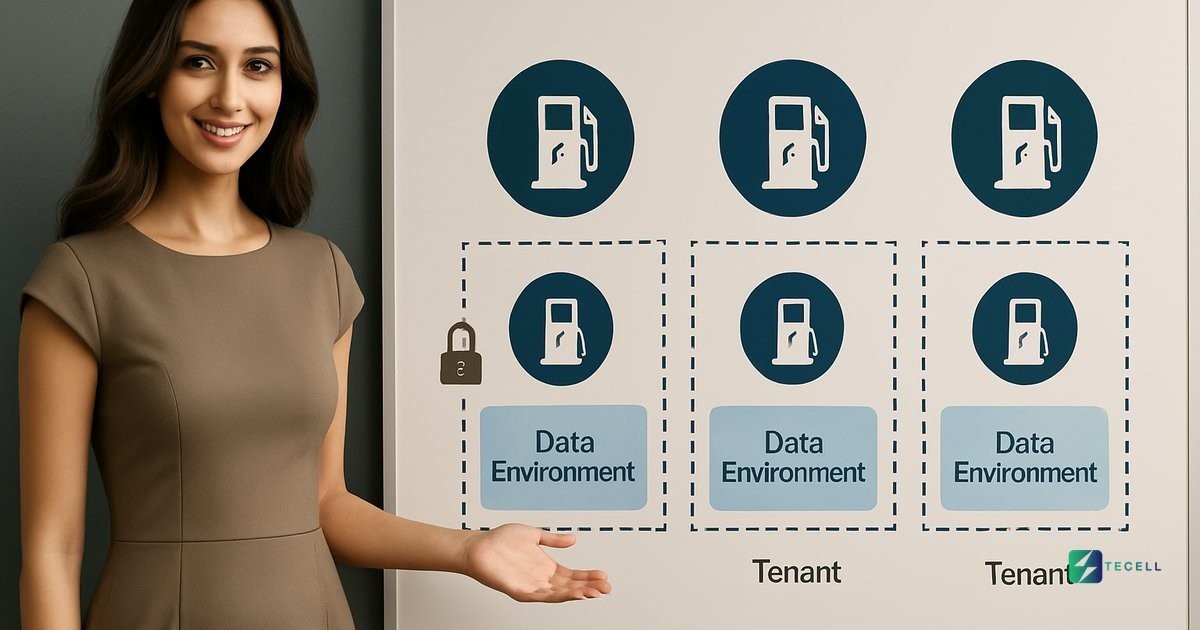
Understanding Real-Time Cross-Protocol Dynamic Occupancy Analytics
Real-time cross-protocol dynamic occupancy analytics is a powerful capability that allows charging networks to monitor and predict usage patterns across multiple charging stations. This technology is especially valuable in AC fast charging environments where a variety of protocols and devices interact. The ability to analyze occupancy in real time without relying on cloud connectivity is a significant advancement in edge computing for EV infrastructure.
For a logistics company managing 40 vehicles, this means better planning of charging schedules and reduced wait times. Instead of relying on manual checks or delayed reporting, the system can instantly detect which chargers are in use and predict when they will become available. This level of insight is made possible through localized sensor fusion and predictive modeling.
At its core, this analytics approach combines data from multiple sources—such as OCPP 2.0.1, ISO 15118, and local sensors—to build a comprehensive view of network activity. It enables operators to make informed decisions quickly, even in environments with limited or intermittent internet access.
How Saha-Edge Powers Localized Sensor Fusion
Saha-Edge, Tecell’s edge computing platform, plays a central role in enabling localized sensor fusion. It processes data directly at the charging station, reducing latency and eliminating dependency on cloud connectivity. This is particularly important in remote or high-density locations where network reliability may be an issue.
By integrating with various charging protocols, including OCPP 2.0.1 and ISO 15118, Saha-Edge collects real-time information about vehicle status, charging progress, and occupancy. This data is then combined with local environmental sensors, such as occupancy detectors or RFID readers, to create a more accurate picture of usage.
For example, a fleet operator with 200 charging points across multiple sites can rely on Saha-Edge to maintain consistent analytics even during network outages. The platform ensures that critical insights are not lost, and operations continue smoothly.
Integrating Predictive Modeling with OCPP 2.0.1
Predictive modeling is a key component of real-time analytics, especially when dealing with dynamic occupancy. Saha-Edge uses machine learning algorithms to forecast when chargers will become available based on historical usage patterns and current load.
OCPP 2.0.1, the latest version of the Open Charge Point Protocol, supports enhanced communication capabilities that allow for more detailed data exchange. This includes real-time updates on charging sessions, vehicle status, and energy consumption. When combined with Saha-Edge’s edge processing, it creates a robust foundation for predictive analytics.
For instance, a commercial charging network might see a surge in demand during lunch hours. With predictive modeling, the system can anticipate this and proactively adjust power distribution or notify users of expected wait times. This improves user experience and operational efficiency.
ChargeSphere’s Role in Roaming and Interoperability
ChargeSphere, Tecell’s open roaming and interoperability platform, complements Saha-Edge by ensuring seamless integration across different charging networks. It allows for consistent data flow and analytics, even when vehicles are charging at stations outside the primary network.
When a vehicle connects to a charger that supports ISO 15118, ChargeSphere facilitates secure communication between the vehicle and the charging station. This enables accurate tracking of charging sessions and real-time updates on occupancy, which are essential for dynamic analytics.
For a utility company managing a large network of public chargers, this interoperability is crucial. It ensures that data from all connected stations is aggregated and analyzed consistently, regardless of the charging protocol or network provider.
Offline Operation and Energy Optimization
One of the standout features of Saha-Edge is its ability to function offline. In situations where internet connectivity is unreliable or unavailable, the platform continues to process data and deliver insights. This resilience is essential for maintaining service quality in challenging environments.
Offline operation also supports energy optimization. By analyzing local conditions and usage patterns, Saha-Edge can adjust charging power dynamically to reduce strain on the grid or optimize energy consumption. This is particularly useful in areas with fluctuating power availability.
For a residential charging network, this means that even during a power outage, the system can still provide accurate occupancy data and manage charging sessions based on local conditions. This ensures that users are not left in the dark and that the network remains functional.
Use Case: A Logistics Company’s Charging Network
A logistics company managing 40 electric vehicles faces the challenge of optimizing charging schedules across multiple depots. With Saha-Edge and ChargeSphere, the company can monitor real-time occupancy and predict when chargers will be free. This allows for better coordination of vehicle charging and reduces downtime.
By leveraging OCPP 2.0.1 and ISO 15118 compliance, the system ensures that all charging sessions are accurately tracked and analyzed. Even if one depot experiences a network issue, the local analytics continue to function, maintaining operational continuity.
The predictive models built into Saha-Edge help the company anticipate peak usage times and adjust charging strategies accordingly. This proactive approach leads to improved efficiency and reduced operational costs.
Conclusion: The Future of Smart Charging with Localized Intelligence
Real-time cross-protocol dynamic occupancy analytics powered by Saha-Edge represents a significant step forward in smart charging infrastructure. By combining localized processing, predictive modeling, and interoperability, it enables charging networks to operate more efficiently and reliably.
For operators, this means better control over their charging infrastructure, improved user experience, and the ability to scale operations without sacrificing performance. As EV adoption continues to grow, technologies like Saha-Edge will be essential for managing the increasing complexity of charging networks.
The integration of edge computing with advanced analytics is not just a technical advancement—it’s a strategic move toward smarter, more responsive EV infrastructure. It empowers operators to make data-driven decisions in real time, even in the most challenging environments.
Frequently Asked Questions
- What is real-time cross-protocol dynamic occupancy analytics? It’s a method of monitoring and predicting charging station usage by combining data from multiple protocols and sensors in real time, without relying on cloud connectivity.
- How does Saha-Edge support offline operations? Saha-Edge processes data locally at the charging station, ensuring that analytics and decision-making continue even when internet access is unavailable.
- What role does ChargeSphere play in this system? ChargeSphere enables interoperability and seamless data exchange across different charging networks, supporting consistent analytics and user experience.
- Why is OCPP 2.0.1 important for this technology? OCPP 2.0.1 supports enhanced communication capabilities that allow for more detailed and timely data exchange, which is essential for real-time analytics.
- Can this system be used in residential charging networks? Yes, the system is designed to work in various environments, including residential networks, where reliability and local processing are key.
Related Reading
For more on related topics, see: Saha-Edge Offline Charging Decisions.
Further reading: EV Charge Management Software Global | Europe, UK, US | Tecell CMS
📣 Join our Telegram channel for EV charging technology insights and product updates.
Also find us on: LinkedIn · X · Bluesky · Mastodon · DEV.to.