Understanding the Challenge of Multi-Charger Network Diagnostics
When managing a network of electric vehicle chargers, operators face a complex challenge: how to maintain system reliability while minimizing downtime. Traditional approaches often rely on centralized cloud-based monitoring, which can introduce latency and single points of failure. UnityCharge’s CMS architecture addresses this by enabling decentralized site-level fault diagnostics, allowing for immediate response to issues without requiring cloud connectivity.
For example, a logistics company managing 40 vehicles across a fleet charging station may experience intermittent communication failures. With a centralized system, these issues might go unnoticed until a cloud-based alert triggers, potentially leading to extended downtime. UnityCharge’s approach ensures that local diagnostics can identify and respond to such issues in real time.
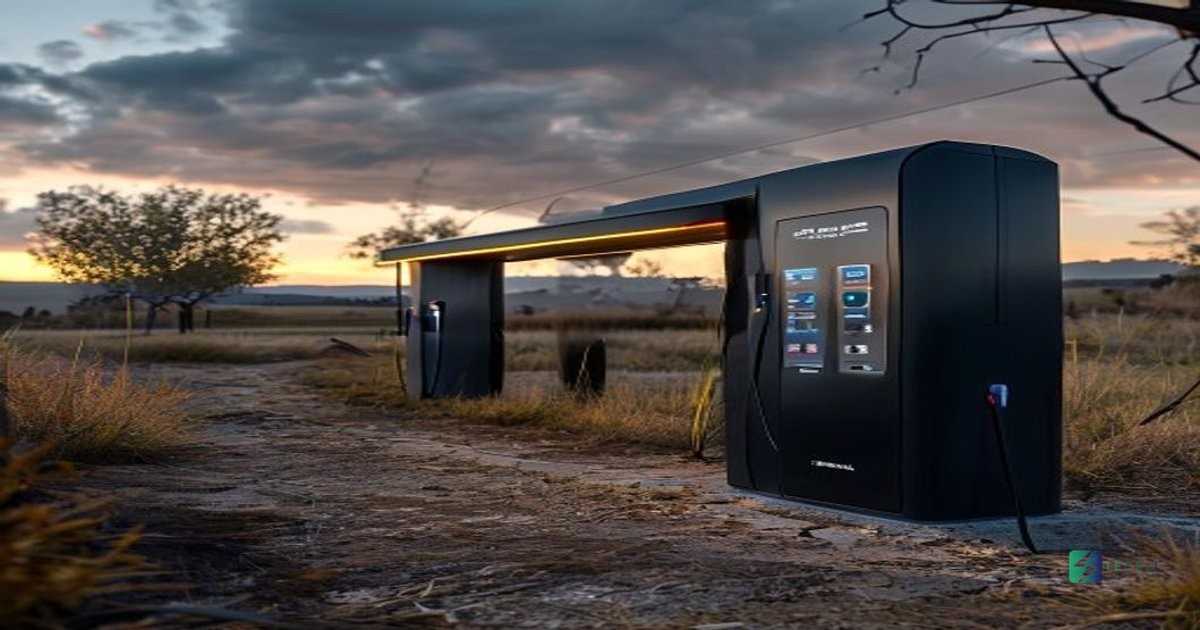
This method is particularly valuable in remote or low-connectivity environments where network reliability is a concern. It also reduces the load on central servers and improves overall system resilience.
The key to this capability lies in the integration of OCPP 2.0.1 and Saha-Edge’s edge computing platform, which together enable localized event correlation and automated incident response.
How UnityCharge’s CMS Architecture Supports Localized Event Correlation
UnityCharge’s CMS is designed to process and correlate events at the site level, rather than relying on a central server for all diagnostic functions. This means that when a fault occurs, the system can immediately analyze related events and determine the root cause without waiting for data to be transmitted to a remote server.
For instance, if a charger reports a communication error, the CMS can cross-reference this with recent power fluctuations, temperature readings, or other local events to determine whether the issue is isolated or part of a broader pattern. This localized analysis is critical for rapid response and accurate troubleshooting.
This approach also allows for more granular control over individual chargers within a network. Instead of treating all devices as a single unit, each site can be monitored and managed independently, improving operational efficiency.
The CMS leverages the capabilities of Saha-Edge to perform these analyses locally, ensuring that even in the absence of cloud connectivity, the system remains functional and responsive.
OCPP 2.0.1 Integration and Its Role in Decentralized Diagnostics
OCPP 2.0.1, the latest version of the Open Charge Point Protocol, plays a crucial role in enabling decentralized diagnostics. It introduces enhanced messaging capabilities and improved data handling that support real-time event correlation and automated responses.
With OCPP 2.0.1, UnityCharge’s CMS can receive detailed event logs directly from chargers, including timestamps, error codes, and contextual data. This rich information stream allows for more accurate diagnostics and faster resolution of issues.
For example, a charger might report a specific error code related to a communication timeout. In conjunction with OCPP 2.0.1, the CMS can correlate this with other events such as network latency or power instability, providing a clearer picture of the underlying problem.
This protocol also supports secure, encrypted communication between chargers and the CMS, ensuring that sensitive data remains protected while still enabling fast local processing.
Edge-AI-Driven Root Cause Analysis with Saha-Edge
Saha-Edge, Tecell’s edge computing platform, brings artificial intelligence directly to the charging site. This allows for intelligent root cause analysis that can identify patterns and anomalies in real time, even without cloud connectivity.
By running machine learning models locally, Saha-Edge can detect unusual behavior in charging operations and automatically initiate corrective actions. For example, if a charger consistently reports high temperatures during peak usage, the system can flag this as a potential issue and adjust power delivery to prevent overheating.
This AI-driven approach reduces the need for manual intervention and helps operators proactively manage their infrastructure. It also ensures that even in low-connectivity environments, the system can continue to operate efficiently and safely.
The integration of Saha-Edge with UnityCharge’s CMS creates a powerful combination that enhances both diagnostic capabilities and operational autonomy.
Real-World Application: A Fleet Operator’s Experience
A logistics company managing a network of 40 electric vehicles across multiple charging stations faced frequent communication outages that disrupted operations. Traditional monitoring systems were unable to provide timely insights into these issues, leading to extended downtime and reduced fleet productivity.
After implementing UnityCharge’s CMS with Saha-Edge integration, the company was able to detect and respond to faults within seconds, even during periods of poor network connectivity. Local diagnostics identified recurring issues with specific chargers, allowing for targeted maintenance and preventing further disruptions.
The system’s ability to correlate events across multiple chargers also revealed a pattern of power instability affecting several stations simultaneously. This insight led to a proactive upgrade of the local electrical infrastructure, improving overall network reliability.
This case demonstrates how decentralized diagnostics can transform the way fleet operators manage their charging infrastructure, offering both immediate benefits and long-term operational improvements.
Benefits of Decentralized Fault Diagnostics for Charge Point Operators
Decentralized fault diagnostics offer several key advantages for Charge Point Operators (CPOs). First, it significantly reduces the time required to identify and resolve issues, minimizing downtime and improving customer satisfaction.
Second, it enhances system resilience by removing reliance on cloud connectivity. In environments where network access is unreliable, local diagnostics ensure that operations continue smoothly.
Third, it provides more granular insights into individual charger performance, enabling operators to optimize their infrastructure and prevent potential failures before they occur.
Finally, it supports scalable deployment across large networks, as each site can operate independently while still contributing to a centralized view of overall performance.
Conclusion: The Future of Smart Charging Infrastructure
UnityCharge’s CMS architecture, combined with OCPP 2.0.1 and Saha-Edge’s edge computing capabilities, represents a significant advancement in how charging networks are managed and maintained. By enabling decentralized fault diagnostics, it empowers operators to respond quickly to issues, reduce downtime, and improve overall system reliability.
This approach is particularly valuable in today’s rapidly evolving EV charging landscape, where operators must balance increasing demand with the need for robust, resilient infrastructure. As more networks adopt these technologies, the benefits of localized diagnostics will become increasingly apparent.
For CPOs looking to future-proof their operations, investing in systems that support decentralized diagnostics is a strategic move that pays dividends in both efficiency and reliability.
The integration of AI, edge computing, and modern communication protocols ensures that charging networks can operate autonomously while still providing valuable insights to operators.
Frequently Asked Questions
- What is decentralized fault diagnostics in EV charging? Decentralized fault diagnostics refers to the ability of a charging network to detect, analyze, and respond to issues locally, without relying on cloud connectivity or centralized servers.
- How does UnityCharge’s CMS support decentralized diagnostics? UnityCharge’s CMS uses OCPP 2.0.1 and Saha-Edge integration to process events locally, enabling real-time correlation and automated responses to faults.
- What are the advantages of local diagnostics over cloud-based monitoring? Local diagnostics reduce latency, improve resilience, and allow for faster response times, especially in areas with unreliable network access.
- Can this system work without internet connectivity? Yes, the system is designed to function autonomously, using local processing capabilities to maintain operations even when cloud connectivity is unavailable.
- How does Saha-Edge contribute to root cause analysis? Saha-Edge runs AI models locally to identify patterns and anomalies, enabling intelligent diagnostics and automated responses to common issues.
Related Reading
For more on related topics, see: OCPP 2.0.1 Real-Time Fault Diagnostics for Charge Point Operators.
Further reading: EV Charging Software Features | Tecell CMS (UnityCharge) – OCPP, Billing, Mobile
📣 Join our Telegram channel for EV charging technology insights and product updates.
Also find us on: LinkedIn · X · Bluesky · Mastodon · DEV.to.