
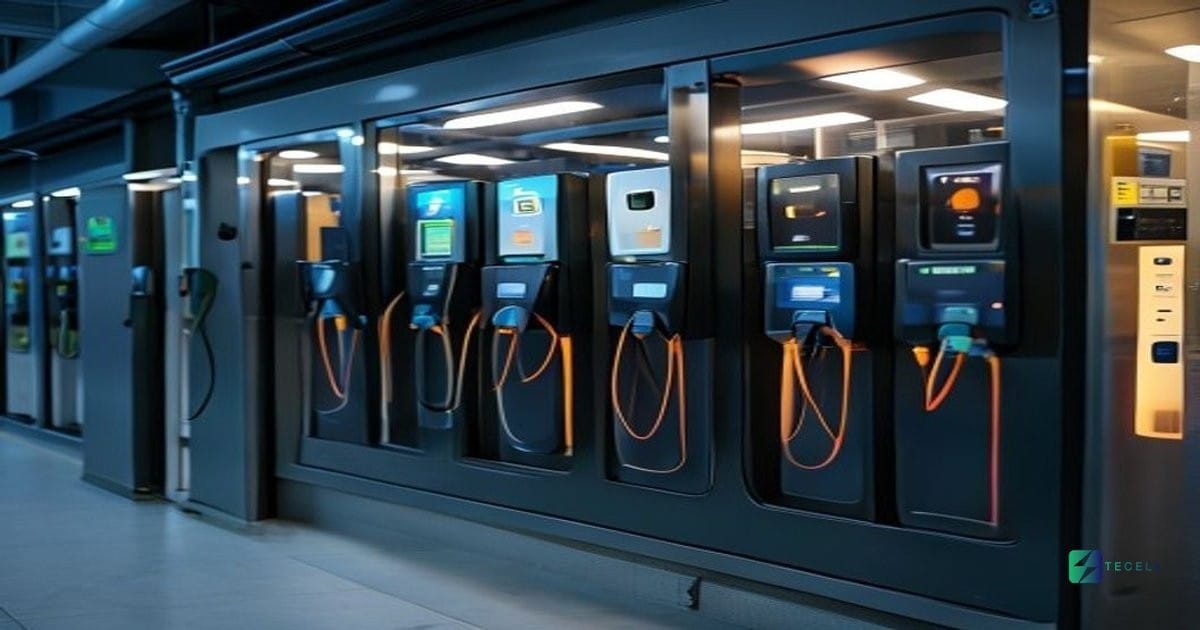
Understanding Adaptive Power Distribution in AC/DC Hybrid Charging Cabinets
Adaptive power distribution in AC/DC hybrid charging cabinets represents a critical evolution in EV charging infrastructure. This approach dynamically allocates power between AC and DC charging modes based on real-time conditions. The technology ensures optimal performance while maintaining system stability. It addresses the growing complexity of managing multiple charging demands simultaneously.
For fleet operators and commercial charging networks, this capability becomes essential. A logistics company managing 40 vehicles faces challenges when all units require fast charging at once. Adaptive power distribution allows the system to balance load efficiently, preventing overloads and ensuring consistent service. This technology transforms how charging cabinets operate under varying demand conditions.
The core principle behind adaptive power distribution lies in machine learning models. These models analyze usage patterns, battery states, and environmental factors. They predict optimal power allocation strategies in real time. The result is a more responsive and efficient charging environment.
How Machine Learning Models Enable Dynamic Load Allocation
Machine learning models play a pivotal role in enabling dynamic load allocation within hybrid charging cabinets. These systems process vast amounts of data from sensors and user inputs. They continuously refine their understanding of charging behaviors and preferences.
For instance, a charging station serving both residential and commercial users must adapt to different usage profiles. The model learns when peak residential usage occurs and adjusts accordingly. It also identifies commercial users who may need sustained high-power charging. This intelligent behavior improves overall system throughput and user satisfaction.
These models are trained on historical data and updated regularly. They incorporate feedback from actual charging sessions. This iterative process enhances accuracy and responsiveness over time. The system becomes more adept at predicting and managing power distribution needs.
Key Components of Adaptive Power Distribution Systems
Effective adaptive power distribution requires several key components working in harmony. First, robust hardware infrastructure supports both AC and DC charging capabilities. The cabinet must be designed to handle dynamic power switching without compromising safety or performance.
Second, software platforms manage the integration of various subsystems. These platforms coordinate between power electronics, communication modules, and user interfaces. They ensure seamless transitions between charging modes based on demand and capacity.
Third, data collection and analysis tools provide the foundation for machine learning models. These tools gather information about charging sessions, battery health, and environmental conditions. They feed this data into algorithms that drive decision-making processes.
Technical Implementation of Adaptive Power Distribution
Implementing adaptive power distribution involves careful engineering and software design. The system must respond quickly to changing conditions while maintaining reliability. It needs to balance immediate user needs with long-term operational efficiency.
One practical example involves a public charging facility with 20 hybrid cabinets. During morning rush hour, many vehicles arrive simultaneously. The system detects this surge and redistributes power to prioritize faster charging for vehicles with lower battery levels. This ensures that all users receive timely service without system overload.
The technical architecture typically includes a central control unit. This unit communicates with individual charging modules and manages overall power flow. It uses protocols like OCPP to interface with management systems. This ensures compatibility with existing infrastructure and allows for remote monitoring and control.
Benefits of Adaptive Power Distribution in Charging Infrastructure
Adaptive power distribution brings significant advantages to EV charging networks. It enhances system capacity utilization. Instead of fixed allocations, power is distributed based on actual needs. This leads to better resource management and reduced downtime.
For operators, this technology improves customer satisfaction. Users experience fewer delays and more predictable charging times. The system’s ability to handle multiple simultaneous requests efficiently is particularly valuable in high-demand environments.
Additionally, adaptive systems contribute to grid stability. By managing power draw more intelligently, they reduce strain on local electrical infrastructure. This is especially important in urban areas where electrical capacity may be limited.
Challenges in Deploying Adaptive Power Distribution
Deploying adaptive power distribution systems presents several challenges. Initial investment costs can be substantial. The integration of advanced software and hardware requires significant planning and resources.
Another challenge involves ensuring compatibility across different charging standards and protocols. Systems must work seamlessly with various EV models and charging interfaces. This complexity increases when dealing with international deployments.
Training and support are also critical. Staff need to understand how to manage and maintain these sophisticated systems. Ongoing updates and troubleshooting require dedicated expertise. Operators must be prepared for continuous learning and adaptation.
Real-World Applications and Case Studies
Real-world applications of adaptive power distribution demonstrate its practical value. A large commercial facility with 50 charging stations illustrates this clearly. During peak hours, the system dynamically adjusts power allocation. It prioritizes vehicles with lower battery levels and manages the overall load effectively.
This approach has proven particularly effective in fleet management scenarios. A logistics company operating 40 vehicles benefits from optimized charging schedules. The system ensures that vehicles are charged efficiently, reducing downtime and improving operational readiness.
Another example involves a university campus with multiple charging stations. The system adapts to student usage patterns, which vary throughout the day. Morning sessions see high demand, while evening usage is more spread out. The adaptive system responds to these fluctuations, ensuring consistent service availability.
Future Developments in Adaptive Power Distribution
Future developments in adaptive power distribution will likely focus on enhanced machine learning capabilities. These improvements will make systems even more responsive and accurate. Predictive analytics will play a larger role in anticipating demand and optimizing performance.
Integration with smart grid technologies is another area of growth. As electrical grids become more intelligent, charging systems will better coordinate with grid operators. This coordination will help balance supply and demand more effectively.
Additionally, advancements in hardware will support more efficient power conversion. New components may reduce energy losses and improve overall system performance. These developments will further enhance the value of adaptive power distribution in EV charging infrastructure.
Frequently Asked Questions
- What is adaptive power distribution in EV charging? Adaptive power distribution refers to the dynamic allocation of power between AC and DC charging modes based on real-time conditions and system needs.
- How does machine learning improve charging efficiency? Machine learning models analyze usage patterns and environmental data to predict optimal power allocation, enhancing system responsiveness and efficiency.
- What are the main benefits of using adaptive power distribution? Benefits include improved system capacity utilization, better user satisfaction, enhanced grid stability, and more efficient resource management.
- Can adaptive power distribution handle multiple charging requests? Yes, it is designed to manage multiple simultaneous charging requests by dynamically adjusting power distribution based on demand and capacity.
- What challenges are associated with implementing this technology? Challenges include high initial costs, compatibility issues with different standards, and the need for specialized training and ongoing support.
Related Reading
For more on related topics, see: EV Charging Solution | Cloud-Based EV Charging Management.
Further reading: How to Choose an EV Charging Management System (CSMS) in India | Tecell CMS Blog
📣 Join our Telegram channel for EV charging technology insights and product updates.
Also find us on: LinkedIn · X · Bluesky · Mastodon · DEV.to.