
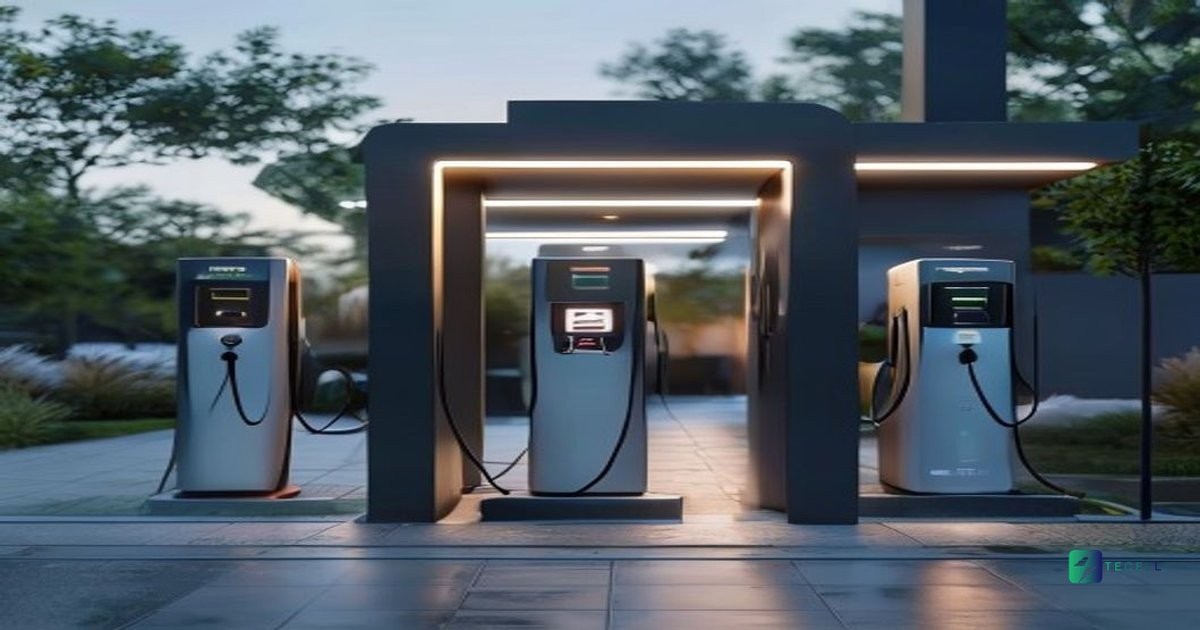
Yes, OCPP 2.0.1 supports enforcing different battery health monitoring thresholds for fast chargers versus Level 2 chargers within the same charging network. The protocol allows for granular control through its Charging Profile and Transaction related functionalities, enabling operators to define distinct behavior based on charger type and charging context.
How OCPP 2.0.1 Enables Different Thresholds
OCPP 2.0.1 introduces enhanced Charging Profiles that allow operators to set specific parameters for each charging station or group of stations. These profiles can include rules for battery health monitoring, which can be tailored to the capabilities and requirements of fast chargers versus Level 2 units. This flexibility supports dynamic adjustments based on real-time data and operational policies.
Operators can configure these settings via the Charge Management System (CMS) to ensure that fast chargers, which typically deliver higher power and may stress batteries more, are monitored with stricter thresholds than Level 2 chargers. This helps maintain battery longevity while optimizing charging performance.
The protocol’s support for transaction-level data exchange also allows for detailed logging and reporting of battery health metrics, enabling operators to track and analyze usage patterns across different charger types.
Practical Application for Charge Point Operators
For Charge Point Operators (CPOs), this capability is especially valuable when managing mixed networks. It allows them to apply different safety and performance standards depending on the charger type, aligning with the unique characteristics of each charging technology.
By leveraging OCPP 2.0.1’s Charging Profile features, CPOs can ensure that fast chargers are used in a way that minimizes potential battery degradation, while still providing the high-speed charging experience that users expect. This approach supports long-term fleet health and user satisfaction.
Additionally, this granular control helps operators comply with evolving battery care standards and regulatory requirements, particularly in commercial and fleet applications where battery longevity is critical.
Related Reading
For more on related topics, see: OCPP 2.0.1 Dynamic Power Adjustment During Session.
Further reading: EV Charging Energy Management | OCPP Smart Charging CMS | Tecell India
📣 Join our Telegram channel for EV charging technology insights and product updates.
Also find us on: LinkedIn · X · Bluesky · Mastodon · DEV.to.