
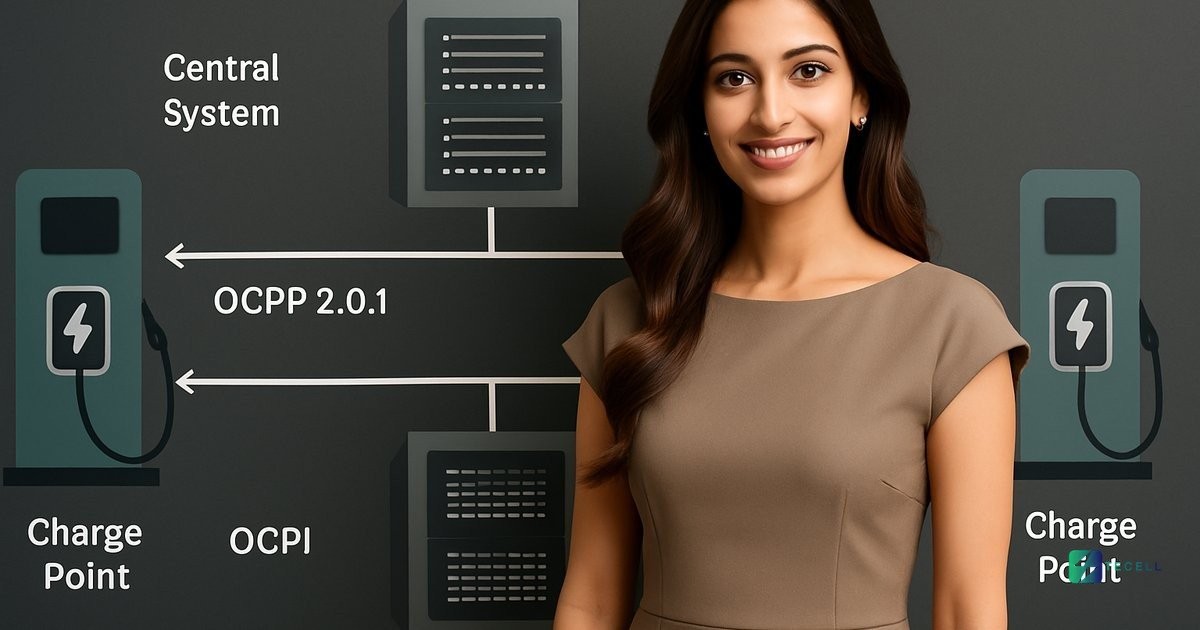
Yes, OCPP 2.0.1 supports real-time dynamic pricing strategies that can adjust based on grid congestion signals without requiring cloud connectivity. The protocol enables local charging stations to receive and act on pricing updates from a central system, even when offline, through pre-configured rules and local decision-making capabilities.
How OCPP 2.0.1 Enables Local Pricing Decisions
OCPP 2.0.1 introduces enhanced messaging capabilities that allow charging stations to process pricing data locally. This includes support for time-based tariffs, demand response signals, and grid congestion indicators. Stations can be programmed to automatically adjust pricing based on predefined rules, such as increasing rates during peak demand or reducing them when grid capacity is abundant.
These local adjustments are made possible through the protocol’s improved handling of Smart Charging profiles and its ability to store and execute pricing rules independently. This means that even in environments with limited or intermittent connectivity, charging operators can maintain responsive and adaptive pricing strategies.
For example, a fleet operator might configure their charging network to reduce pricing during times of high renewable energy generation, aligning with sustainability goals while optimizing costs for users.
Practical Applications for Charge Point Operators
Charge Point Operators (CPOs) benefit from OCPP 2.0.1’s dynamic pricing capabilities by enabling more granular control over revenue streams and grid impact. By integrating real-time data from utility providers or local energy management systems, CPOs can implement pricing that reflects actual grid conditions.
This approach helps balance load across the network and supports grid stability. For instance, during periods of high demand, a CPO might increase pricing to encourage off-peak charging, thereby reducing strain on the electrical infrastructure.
Additionally, the protocol allows for seamless integration with local energy storage systems or vehicle-to-grid (V2G) capabilities, further enhancing the flexibility of pricing strategies. This makes OCPP 2.0.1 a powerful tool for managing both user experience and operational efficiency.
Related Reading
For more on related topics, see: OCPP 2.0.1 Dynamic Power Adjustment During Session.
Further reading: EV Charging Software Features | Tecell CMS (UnityCharge) – OCPP, Billing, Mobile
📣 Join our Telegram channel for EV charging technology insights and product updates.
Also find us on: LinkedIn · X · Bluesky · Mastodon · DEV.to.