
Understanding Charging Cabinet Thermal Management Under High-Density Load Conditions
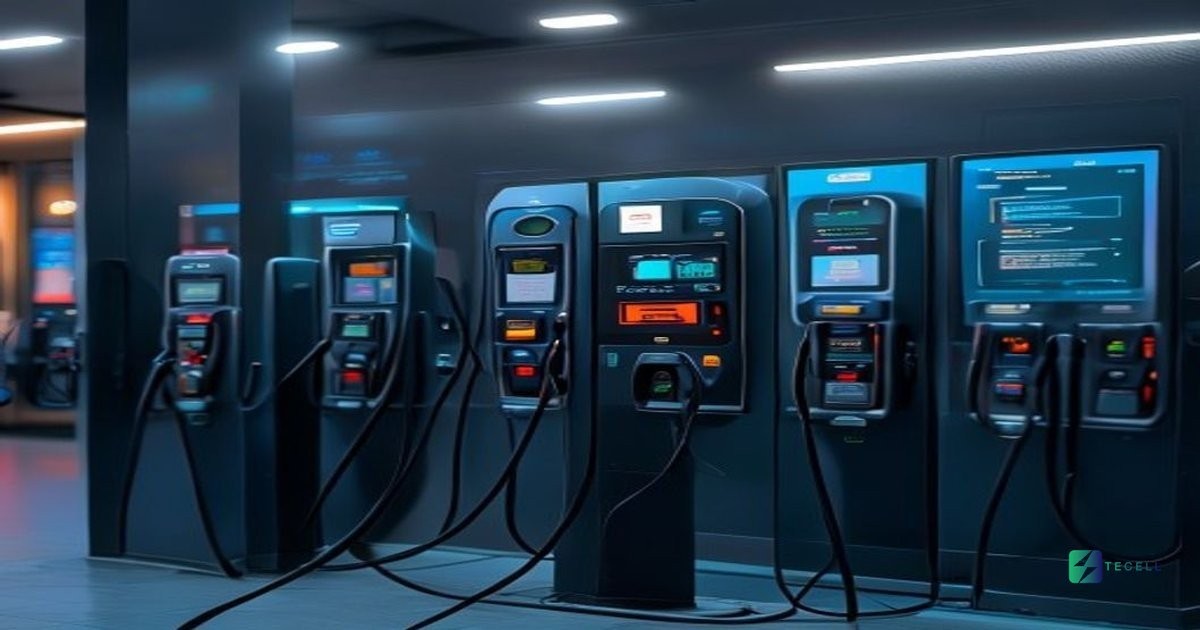
Charging cabinet thermal management under high-density load conditions is a critical aspect of EV infrastructure design. As electric vehicle adoption accelerates, the demand for robust, efficient charging solutions increases. This becomes especially important when multiple chargers operate simultaneously in a confined space. The challenge lies in maintaining optimal performance while preventing overheating that could lead to system failures or reduced lifespan.
For operators managing charging networks, understanding how heat dissipation works in high-density environments is essential. It affects everything from uptime to user experience. This article explores the core principles behind effective thermal management, including airflow optimization and predictive cooling algorithms.
Real-world scenarios like a logistics company managing 40 vehicles with a single charging cabinet highlight the importance of this topic. Without proper thermal controls, such systems risk overheating and operational downtime. The right approach ensures consistent performance even under peak load conditions.
Why Thermal Management Matters in EV Charging Cabinets
Thermal management in EV charging cabinets is not just about keeping components cool—it’s about ensuring long-term reliability and safety. High-density load conditions generate significant heat, which can cause performance degradation or even component failure if not addressed properly.
When multiple chargers operate at full capacity, heat builds up rapidly. If this heat isn’t managed effectively, it can lead to reduced charging speeds, system shutdowns, or damage to sensitive electronics. In extreme cases, it may pose safety risks to users and facility personnel.
Effective thermal management also plays a role in extending the lifespan of charging equipment. By preventing excessive heat buildup, operators can reduce maintenance needs and avoid costly replacements. This is particularly important for commercial installations where uptime is crucial.
For example, a fleet operator deploying a charging station with 10 high-power units must ensure that the cabinet can handle the cumulative heat output without compromising performance. Poor thermal design can result in frequent outages or degraded service quality.
Heat Dissipation Strategies in Charging Cabinets
Heat dissipation strategies form the foundation of any effective thermal management system. These methods aim to move heat away from critical components and into the surrounding environment. Natural convection, forced air, and liquid cooling are common approaches used in EV charging cabinets.
Natural convection relies on air movement caused by temperature differences. While simple, it’s often insufficient for high-density applications. Forced air systems use fans to actively circulate air, improving heat removal efficiency. Liquid cooling systems, though more complex, offer superior heat transfer capabilities.
Each strategy has trade-offs. Natural convection is low-maintenance but less effective. Forced air is widely used due to its balance of cost and performance. Liquid cooling is ideal for high-density scenarios but requires more infrastructure and maintenance.
Operators must consider their specific use case when choosing a dissipation method. A residential installation may only need natural convection, while a commercial hub might require forced air or even liquid cooling to maintain performance.
Airflow Optimization Techniques for High-Density Environments
Airflow optimization is a key component of thermal management in high-density charging cabinets. Proper airflow ensures that hot air is efficiently removed and replaced with cooler air. This process is especially critical when multiple units are clustered together.
Designers focus on creating pathways for air circulation that avoid dead zones where heat can accumulate. Strategic placement of fans, vents, and baffles helps direct airflow where it’s needed most. Some systems use variable-speed fans that adjust based on internal temperature.
Effective airflow also considers the impact of external conditions. Dust, humidity, and ambient temperature all influence how well a system performs. Filters and sealed enclosures help protect internal components from environmental factors.
For instance, a logistics company managing 40 vehicles in a single facility might install a charging cabinet with optimized airflow to prevent overheating during peak usage times. This ensures that all vehicles can charge efficiently without system failures.
Predictive Cooling Algorithms and Smart Controls
Predictive cooling algorithms represent a modern approach to thermal management. These systems use sensors and data analysis to anticipate heat buildup before it becomes problematic. They adjust cooling mechanisms proactively rather than reactively.
Smart controls can monitor real-time conditions and make adjustments to fan speeds, power distribution, or even temporarily reduce charging power to prevent overheating. This level of automation improves both efficiency and reliability.
These algorithms are particularly valuable in environments where usage patterns are predictable. For example, a commercial charging station that sees consistent traffic during business hours can benefit from pre-emptive cooling strategies.
By integrating predictive controls, operators can maintain performance while reducing energy consumption. This is especially important for facilities aiming to meet sustainability goals or reduce operational costs.
Design Considerations for High-Density Charging Cabinets
Designing charging cabinets for high-density load conditions requires careful attention to several factors. The physical layout, component spacing, and materials used all play a role in thermal performance.
Component spacing is crucial. Overcrowding increases heat buildup and reduces airflow effectiveness. Adequate spacing allows for better heat dissipation and easier maintenance. Thermal barriers or insulation can also help manage heat distribution.
Material selection impacts thermal conductivity and durability. Aluminum, for example, conducts heat well and is commonly used in heat sinks. Stainless steel offers durability but may not conduct heat as efficiently. Choosing the right materials ensures both performance and longevity.
For a facility managing 40 vehicles, the design must account for the cumulative heat output of all units. This includes planning for adequate ventilation, heat dissipation paths, and possibly redundant cooling systems.
Case Study: A Logistics Company’s Charging Cabinet Challenge
A logistics company managing 40 vehicles faced a recurring issue with their charging infrastructure. During peak hours, the charging cabinets would overheat, leading to reduced charging speeds and system shutdowns. This disrupted operations and frustrated drivers.
The root cause was inadequate thermal management in the high-density environment. The cabinets were not designed to handle the combined heat output of multiple units operating simultaneously. Initial solutions included adding external fans, but these were insufficient.
After implementing a new design with optimized airflow and predictive cooling algorithms, the company saw significant improvements. Charging speeds stabilized, and system uptime increased. The solution also reduced maintenance needs and improved overall reliability.
This case demonstrates how proper thermal management can transform a failing system into a robust one. It also highlights the importance of considering load density from the outset.
Best Practices for Maintaining Thermal Efficiency
Maintaining thermal efficiency in charging cabinets involves both design and operational practices. Regular maintenance ensures that cooling systems continue to function effectively. This includes cleaning filters, checking fan operation, and monitoring temperature sensors.
Operators should also consider environmental factors. High ambient temperatures, dust, and humidity can all impact cooling performance. Installing protective enclosures or climate control systems may be necessary in challenging environments.
Monitoring systems provide early warnings of potential issues. Alerts for rising temperatures or fan failures allow operators to take corrective action before problems escalate. This proactive approach is essential for maintaining uptime.
Training staff on proper handling and maintenance also contributes to long-term success. Understanding how to interpret thermal data and respond appropriately helps prevent failures and extends equipment life.
Future Trends in Charging Cabinet Thermal Management
As EV infrastructure continues to evolve, thermal management solutions are becoming more sophisticated. Emerging technologies like AI-driven controls and advanced materials are improving performance and efficiency.
AI-powered systems can learn usage patterns and optimize cooling strategies accordingly. They can also predict maintenance needs based on thermal data, reducing downtime and costs. These systems are particularly valuable in large-scale deployments.
Advanced materials such as graphene-based heat sinks offer better thermal conductivity than traditional options. These materials are beginning to appear in high-end charging solutions, providing improved performance and durability.
Looking ahead, we expect to see more integrated approaches that combine hardware and software innovations. These will make thermal management more adaptive and efficient, supporting the growing demand for reliable EV charging.
Conclusion: The Importance of Thermal Management in EV Infrastructure
Charging cabinet thermal management under high-density load conditions is a critical factor in the success of EV charging infrastructure. It affects performance, reliability, and longevity. As charging networks expand, operators must prioritize effective thermal solutions.
Whether through improved airflow, predictive algorithms, or advanced materials, the right approach ensures that systems can handle peak loads without compromising safety or efficiency. Real-world examples like a logistics company managing 40 vehicles show how proper design can solve complex challenges.
Investing in thermal management now helps avoid costly failures later. It also supports the broader goal of creating sustainable, scalable EV infrastructure. Operators who understand and implement these principles are better positioned to meet the demands of a growing electric vehicle market.
Related Reading
For more on related topics, see: Smart Charger vs Charging Cabinet: A Technical Breakdown.
Further reading: EV Charging Energy Management | OCPP Smart Charging CMS | Tecell India
📣 Join our Telegram channel for EV charging technology insights and product updates.
Also find us on: LinkedIn · X · Bluesky · Mastodon · DEV.to.