
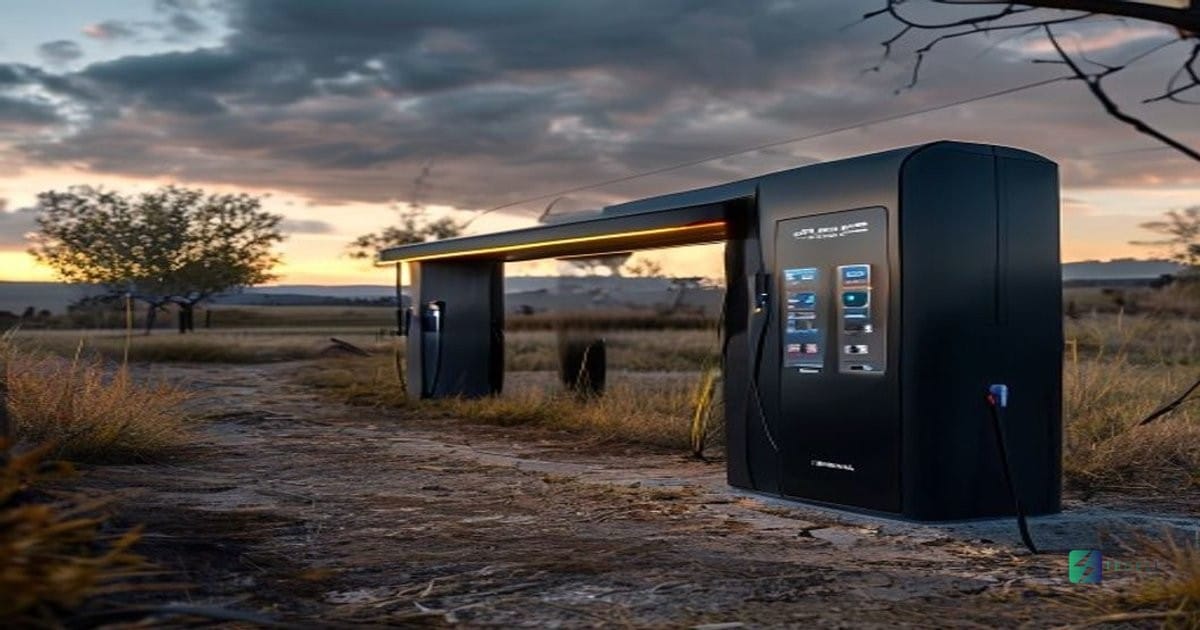
Why Charging Infrastructure Resilience Matters in Remote Locations
Charging infrastructure resilience through edge computing is becoming a critical factor for operators managing remote or off-grid locations. These environments often face unreliable power grids, limited connectivity, and unpredictable maintenance access. Without robust systems, even a small fault can lead to extended downtime, customer dissatisfaction, and lost revenue. Edge computing enables localized decision-making that keeps operations running smoothly, even when central systems are unreachable.
For example, a logistics company managing 40 electric vehicles in a rural area with intermittent internet access must ensure their charging stations can continue operating autonomously. If the central management system goes down, the charging infrastructure must still be able to balance load, detect faults, and respond to emergencies without human intervention.
This approach shifts the focus from centralized control to distributed intelligence. It allows charging infrastructure to make real-time decisions based on local conditions, reducing dependency on cloud-based systems and improving overall reliability.
Edge computing isn’t just about technology—it’s about building systems that can function independently when needed most. This is especially true for remote charging stations where connectivity is limited or unreliable.
How Edge Computing Enables Real-Time Load Balancing
Real-time load balancing is essential for maintaining stable power distribution across multiple charging points. In traditional setups, this task relies heavily on central servers that process data from all connected units. Edge computing changes this by enabling each charging station to make decisions locally.
When a charging station operates with edge computing capabilities, it can monitor its own power consumption, adjust charging rates, and even pause or slow down charging if local conditions suggest a risk of overload. This prevents cascading failures and ensures that all vehicles get fair access to power.
For instance, in a fleet charging setup, one vehicle might be drawing more power than others. The edge-enabled system can automatically reduce the charging rate for that vehicle to maintain balance across the entire station. This kind of dynamic response is impossible with systems that depend on periodic data updates from a central server.
This localized approach also reduces latency in decision-making. Instead of waiting for data to travel to a central server and back, the system responds instantly to changes in demand or supply.
Edge Computing for Fault Recovery in Charging Stations
Fault recovery in charging infrastructure is another area where edge computing shines. When a fault occurs—such as a power surge, hardware failure, or communication breakdown—the system must respond quickly to prevent damage and restore service.
With edge computing, fault detection and recovery can happen within seconds. The system identifies the issue locally, isolates the affected component, and initiates a recovery protocol without needing to wait for instructions from a remote server. This is particularly important in remote locations where manual intervention may not be feasible.
Consider a scenario where a charging station in a remote area experiences a sudden power fluctuation. An edge-enabled system can immediately shut down affected circuits, log the event, and notify operators via a secure message. It can also attempt to stabilize the system automatically, minimizing downtime and reducing the risk of equipment damage.
This kind of autonomous response is crucial for maintaining customer trust and ensuring consistent service delivery, especially in environments where physical access is difficult or costly.
Benefits of Localized Decision-Making Logic
Localized decision-making logic is a core benefit of edge computing in charging infrastructure. It allows each charging point to act independently based on its own data and predefined rules. This reduces the burden on central servers and improves system responsiveness.
For example, a charging station in a high-traffic urban area might use localized logic to prioritize charging for vehicles with low battery levels or those scheduled for early departure. This logic can be adjusted in real time without requiring updates to a central system.
Another advantage is that localized logic can be tailored to specific site conditions. A charging station in a desert environment might prioritize energy efficiency, while one in a cold climate might focus on thermal management. These site-specific rules are easier to implement and maintain when decision-making is decentralized.
This flexibility also supports scalability. As new charging points are added, they can be configured with similar logic without requiring a complete overhaul of the central system.
Implementing Edge Computing in Remote Charging Environments
Deploying edge computing in remote charging environments requires careful planning and integration with existing infrastructure. The key is to ensure that each charging point has sufficient processing power and memory to handle local computations.
Hardware selection plays a major role in this process. Charging stations must be equipped with edge devices that can process data quickly and reliably, even under harsh conditions. These devices should also be designed for low power consumption and long-term reliability.
Software architecture is equally important. The system must support real-time data processing, secure communication protocols, and the ability to sync with central systems when connectivity is restored. This ensures that local decisions are aligned with broader operational goals.
Training and support for operators are also critical. Staff need to understand how edge computing works and how to troubleshoot issues that arise from localized decision-making. This knowledge helps maintain system integrity and ensures smooth operations.
Case Study: Fleet Charging in Rural Areas
A logistics company managing 40 electric vehicles in a rural area faced frequent power outages and unreliable internet access. Their previous charging infrastructure was centralized and required constant connectivity to function properly. When outages occurred, the entire fleet was left stranded, leading to delays and customer dissatisfaction.
After upgrading to an edge-enabled charging system, the company saw significant improvements. Each charging station could now operate autonomously, balancing load and recovering from faults without human intervention. During a power outage, the system automatically adjusted charging rates and prioritized vehicles based on their remaining battery levels.
The result was a more resilient and efficient charging network. The company reported fewer delays, improved vehicle uptime, and reduced maintenance costs. The edge computing solution also allowed them to scale their operations more easily, as new charging points could be added without overburdening the central system.
This case demonstrates how charging infrastructure resilience through edge computing can transform operations in challenging environments.
Future Trends in Edge Computing for EV Charging
As EV adoption grows, so does the demand for smarter, more resilient charging infrastructure. Edge computing is expected to play an increasingly important role in this evolution. Future systems will likely incorporate machine learning algorithms to improve decision-making and predictive maintenance.
Integration with smart grid technologies will also become more common. Charging stations will not only respond to local conditions but also communicate with the broader energy network to optimize power usage and reduce strain on the grid.
Another trend is the development of modular edge devices that can be easily upgraded or replaced. This approach supports long-term adaptability and ensures that charging infrastructure remains current with technological advances.
Finally, enhanced cybersecurity measures will be essential. As more systems become autonomous, protecting them from cyber threats becomes critical. Edge computing platforms will need to include robust security features to safeguard both data and operations.
Frequently Asked Questions
- What is charging infrastructure resilience? Charging infrastructure resilience refers to the ability of charging systems to continue operating effectively despite disruptions such as power outages, network failures, or hardware malfunctions.
- How does edge computing improve charging infrastructure? Edge computing enables localized decision-making, allowing charging stations to respond quickly to changes in power demand or system faults without relying on central servers.
- Can edge computing work in remote locations? Yes, edge computing is particularly effective in remote locations where connectivity is limited or unreliable, as it allows systems to function independently.
- What are the benefits of localized decision-making? Localized decision-making reduces latency, improves system responsiveness, and allows for more tailored responses to site-specific conditions.
- What challenges come with implementing edge computing? Challenges include hardware selection, software integration, and ensuring proper training for operators to manage decentralized systems.
Related Reading
For more on related topics, see: EV Charging Solution | Cloud-Based EV Charging Management.
Further reading: UnityCharge Pricing – EV Charging Plans
📣 Join our Telegram channel for EV charging technology insights and product updates.
Also find us on: LinkedIn · X · Bluesky · Mastodon · DEV.to.