
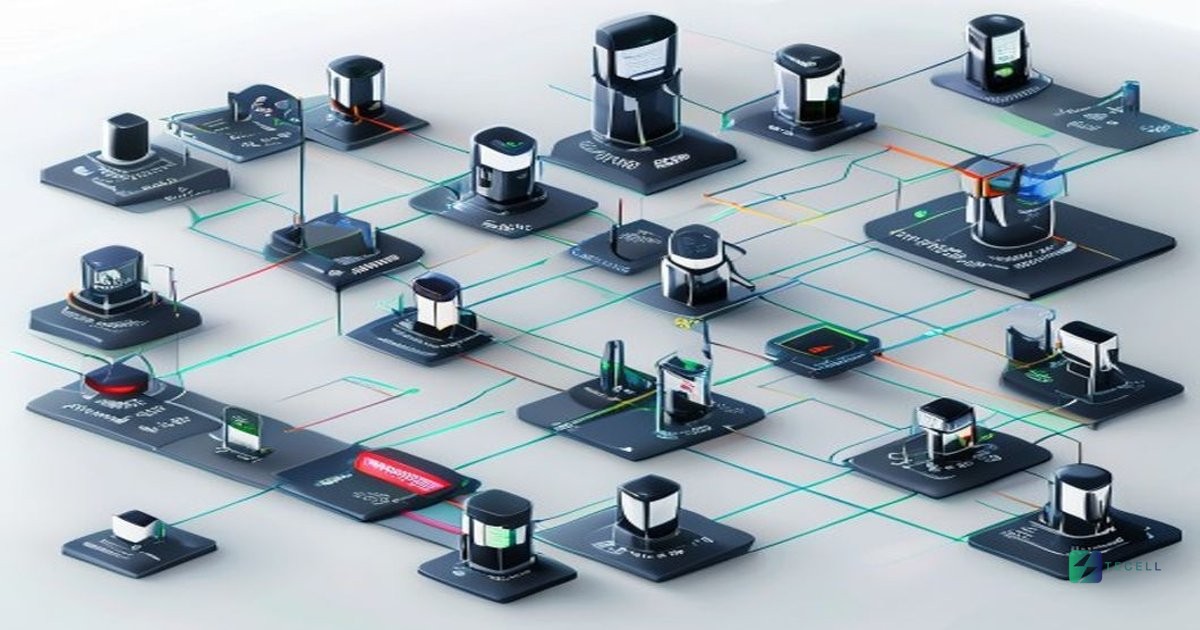
Understanding the Need for a Charging Protocol Abstraction Layer
When managing a multi-vendor fleet of electric vehicles, one of the most complex challenges is ensuring consistent communication between charging systems and fleet management platforms. Each charger may use a different protocol—OCPP, OCPI, or proprietary systems—making integration difficult. A charging protocol abstraction layer addresses this by creating a unified interface that hides the complexity of underlying protocols from the user.
This approach allows fleet operators to manage all chargers through a single system, regardless of their communication standards. It simplifies operations, reduces errors, and improves scalability. The key is to design an abstraction layer that supports OCPP, OCPI, and proprietary systems without sacrificing performance or functionality.
For example, a logistics company managing 40 vehicles with a mix of chargers from different manufacturers faces significant operational overhead. Without a unified interface, each charger requires separate configuration and monitoring, increasing the chance of miscommunication and inefficiency.
The goal of this abstraction layer is to provide a seamless experience for fleet managers, enabling them to focus on operations rather than protocol compatibility issues.
What Is a Charging Protocol Abstraction Layer?
A charging protocol abstraction layer is a software component that acts as an intermediary between fleet management systems and charging infrastructure. It translates commands and data between different communication protocols, such as OCPP and OCPI, and proprietary systems.
This layer ensures that regardless of the protocol used by individual chargers, the fleet management system can interact with them uniformly. It decouples the application logic from the specific protocol implementations, making the system more maintainable and extensible.
By standardizing communication, the abstraction layer reduces the complexity of managing diverse charging hardware. It allows fleet operators to scale their operations without needing to reconfigure systems for each new charger or vendor.
It also enables better data handling and reporting, since all information flows through a consistent interface. This is especially important when dealing with real-time updates, status changes, and transaction logs.
Why Support OCPP, OCPI, and Proprietary Systems?
OCPP (Open Charge Point Protocol) and OCPI (Open Charge Point Interface) are widely adopted standards for communication between charging stations and back-end systems. They provide a common framework for managing charging sessions, payments, and status updates.
However, many vendors still use proprietary protocols that offer unique features or optimizations. Supporting these systems ensures that fleet operators can leverage existing infrastructure without being locked into a single vendor.
For instance, a company might have chargers from three different vendors, each using a different communication method. An abstraction layer allows them to manage all these systems through one platform, reducing operational complexity.
By supporting multiple protocols, the abstraction layer becomes a bridge between legacy systems and modern fleet management tools. This flexibility is essential for companies that are transitioning or expanding their charging infrastructure.
Designing the Abstraction Layer Architecture
The architecture of a charging protocol abstraction layer must be modular and scalable. It typically includes a core engine that handles protocol translation, a configuration module for defining supported systems, and a data processing layer for handling incoming and outgoing messages.
The core engine is responsible for interpreting commands from the fleet management system and converting them into the appropriate format for each charger. It also processes responses from chargers and translates them back into a standard format for the management system.
Each supported protocol is implemented as a plugin or module. This design allows for easy addition of new protocols without disrupting existing functionality. It also makes it simpler to update or replace individual components.
For example, when a fleet manager initiates a charging session, the abstraction layer receives the request and forwards it to the correct charger using its native protocol. The response is then translated and returned to the management system in a consistent format.
Key Features of a Unified Charging Interface
A well-designed abstraction layer provides a consistent interface for all charging operations. This includes managing charging sessions, monitoring real-time status, handling payments, and generating reports.
It should support both real-time and batch operations. Real-time features allow for immediate feedback and control, while batch operations are useful for periodic tasks like data synchronization or firmware updates.
Security is another critical aspect. The abstraction layer must ensure that all communications are encrypted and authenticated. It should also implement access controls to prevent unauthorized access to charging systems.
Additionally, the interface should be extensible. As new protocols or features emerge, the abstraction layer should be able to accommodate them with minimal changes to the core system.
Benefits for Fleet Operators
Implementing a charging protocol abstraction layer brings several benefits to fleet operators. It reduces the administrative burden by centralizing management of all charging systems. Operators no longer need to learn multiple interfaces or manage separate tools for each vendor.
It also improves operational efficiency. With a unified view of all charging infrastructure, fleet managers can quickly identify issues, allocate resources, and optimize charging schedules. This leads to better utilization of charging assets and reduced downtime.
Cost savings are another advantage. By streamlining operations and reducing manual intervention, the abstraction layer helps lower operational costs. It also minimizes the risk of errors that could lead to additional expenses or compliance issues.
Finally, it supports scalability. As a fleet grows, adding new chargers becomes easier because they can be integrated through the same abstraction layer, without requiring major system overhauls.
Real-World Implementation Example
Consider a logistics company with a fleet of 40 electric delivery vehicles. The company has chargers from three different vendors, each using a different communication protocol. Without a unified interface, managing these systems would require multiple tools and significant manual effort.
With a charging protocol abstraction layer, the company can manage all chargers through a single dashboard. The system automatically translates commands and data between protocols, ensuring that all operations are consistent and efficient.
This setup allows the company to monitor charging status in real time, schedule charging sessions, and track energy usage across all vehicles. It also simplifies reporting and compliance, since all data flows through a standardized interface.
The result is a more streamlined and cost-effective approach to fleet charging management, with reduced operational overhead and improved visibility into charging performance.
Challenges and Considerations
Developing a charging protocol abstraction layer is not without challenges. One major issue is ensuring compatibility across different protocol versions and implementations. Vendors may implement protocols differently, leading to inconsistencies.
Performance is another concern. The abstraction layer must handle communication efficiently to avoid delays in charging operations. It should also be resilient to failures in individual chargers or communication channels.
Security is paramount. The layer must protect sensitive data and ensure that only authorized users can access or control charging systems. This includes implementing secure communication channels and robust authentication mechanisms.
Lastly, maintaining the abstraction layer requires ongoing effort. As new protocols emerge or existing ones evolve, the system must be updated to remain compatible and effective.
Future Trends in Charging Protocol Management
As the EV charging landscape continues to evolve, so will the need for flexible and scalable protocol abstraction layers. Emerging trends include support for new charging standards, integration with smart grid technologies, and enhanced AI-driven optimization.
AI and machine learning are increasingly being used to predict charging demand, optimize energy usage, and improve system performance. These technologies can be integrated into the abstraction layer to provide more intelligent and automated management.
Interoperability is also becoming more important. As more vendors adopt open standards, the abstraction layer will play a key role in connecting diverse systems and ensuring seamless communication.
Looking ahead, the abstraction layer will likely become even more sophisticated, supporting not just communication protocols but also advanced features like dynamic pricing, load balancing, and predictive maintenance.
FAQ
- What is a charging protocol abstraction layer? A charging protocol abstraction layer is a software component that translates communication between different charging protocols, such as OCPP, OCPI, and proprietary systems, allowing fleet managers to interact with all chargers through a single interface.
- Why is it important for fleet operators? It simplifies management of multi-vendor charging infrastructure, reduces operational complexity, and improves efficiency by providing a unified view of all charging systems.
- How does it support OCPP and OCPI? The layer translates commands and data between these standards, ensuring that fleet management systems can communicate with chargers regardless of their native protocol.
- What are the main benefits for EV fleets? Benefits include reduced administrative burden, improved operational efficiency, cost savings, and easier scalability as fleets grow.
- What challenges should be considered? Key challenges include ensuring compatibility across protocol versions, maintaining performance, securing communications, and keeping the system up-to-date with evolving standards.
Related Reading
For more on related topics, see: Chargepoint Alliance – EV Charging Interoperability.
Further reading: EV Charge Management Software Global | Europe, UK, US | Tecell CMS
📣 Join our Telegram channel for EV charging technology insights and product updates.
Also find us on: LinkedIn · X · Bluesky · Mastodon · DEV.to.