
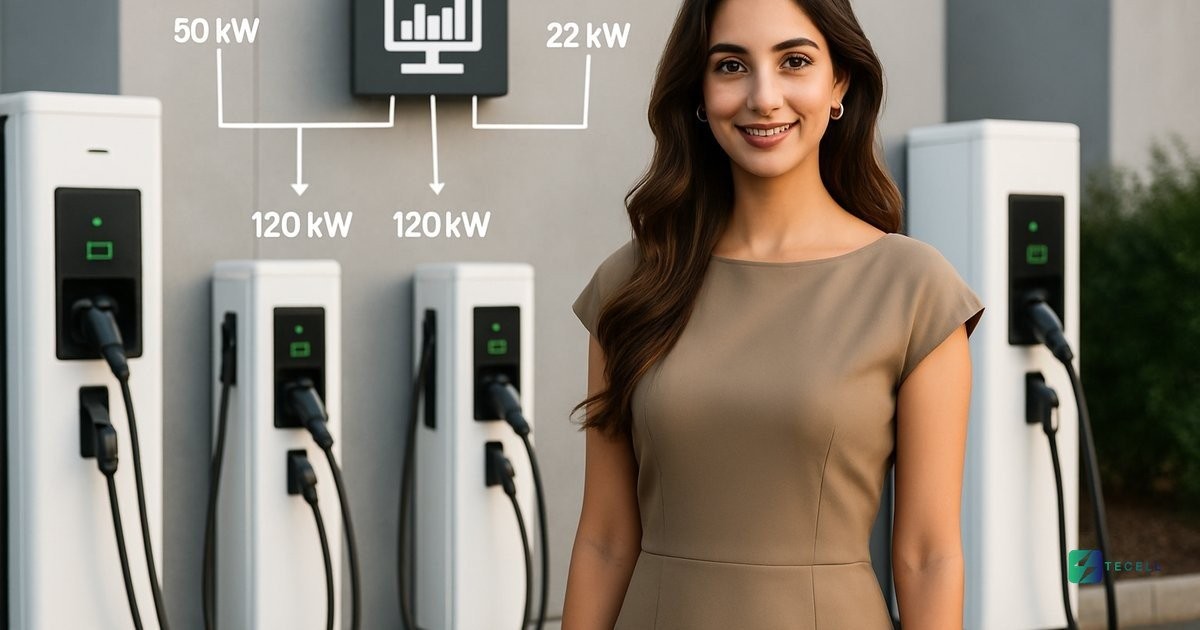
Understanding Dynamic Load Balancing in Multi-Node Charging Cabinets
Dynamic load balancing in multi-node charging cabinets is a critical technology for managing power distribution across multiple charging points. This approach ensures that the total power drawn from the grid remains within safe limits, even as individual charging stations operate at varying capacities. The technique becomes especially important in environments where multiple electric vehicles (EVs) are charging simultaneously, such as commercial facilities or fleet operations.
For operators, this system prevents overloading of electrical infrastructure and maintains consistent performance across all nodes. It also supports better integration with renewable energy sources and smart grid technologies. In practice, it means that a facility can support more vehicles without requiring expensive upgrades to their electrical systems.
Here’s the thing: without proper load balancing, a single high-power DC charger could consume most of the available power, leaving other AC chargers unable to function effectively. This leads to inefficient use of infrastructure and frustrated users. Dynamic load balancing addresses this by intelligently redistributing power among nodes based on real-time demand.
How Dynamic Load Balancing Works in AC and DC Hybrid Systems
AC and DC charging systems have different power characteristics, which makes balancing them more complex. AC chargers typically operate at lower power levels and are often used for overnight charging, while DC chargers provide fast charging and can draw significant power in short timeframes.
In hybrid systems, the challenge is to ensure that both types of chargers work together efficiently. Dynamic load balancing algorithms monitor the current draw from each node and adjust power allocation accordingly. This allows for optimal use of available capacity, regardless of whether a node is AC or DC.
For example, if a DC node is actively charging a vehicle, the system might reduce power to nearby AC nodes to prevent exceeding the total capacity. This redistribution happens in real time, ensuring that no single node monopolizes the available power.
Technical Implementation of Power Redistribution Algorithms
The core of dynamic load balancing lies in the algorithms that manage power redistribution. These algorithms must be responsive, accurate, and scalable to handle varying numbers of charging nodes and fluctuating demand.
At a high level, the system evaluates the total power consumption across all nodes and compares it to the maximum allowable limit. If the limit is approached, the algorithm redistributes power by reducing the output of some nodes while increasing it for others.
These algorithms often use feedback loops to continuously adjust power distribution. They consider factors like the state of charge of vehicles, charging speed, and expected duration of charging sessions. This ensures that the system not only avoids overloading but also maintains a smooth user experience.
Key Components of Load Balancing Systems
Effective load balancing requires several key components working in sync. First is the central control unit, which monitors all nodes and makes decisions about power allocation. Second is the communication protocol that allows nodes to report their status and receive instructions.
Third is the power management interface, which physically adjusts the output of each node. Finally, there’s the user interface, which provides visibility into the system’s performance and allows operators to make manual adjustments if needed.
Each component must be reliable and fast enough to respond to changes in real time. Delays in any part of the system can lead to inefficiencies or even safety issues.
Real-World Application: A Logistics Company Managing 40 Vehicles
A logistics company managing 40 electric delivery vehicles faces a unique challenge in charging infrastructure. With a mix of AC and DC chargers, the company needs to ensure that all vehicles can charge efficiently without overloading the electrical system.
By implementing dynamic load balancing, the company can support simultaneous charging of multiple vehicles, even when some are using high-power DC chargers. The system automatically adjusts power distribution to maintain safe operation and avoid bottlenecks.
This setup allows the company to reduce downtime and improve fleet utilization. It also supports scalability, as new charging nodes can be added without requiring major infrastructure changes. The result is a more resilient and efficient charging network.
Benefits of Dynamic Load Balancing for EV Charging Infrastructure
Dynamic load balancing offers several tangible benefits for EV charging infrastructure. It improves the reliability of charging networks by preventing overloads and ensuring consistent power delivery. This is especially important in commercial or public settings where uptime is critical.
It also enhances user satisfaction by reducing wait times and ensuring that charging sessions proceed smoothly. Users don’t have to worry about their vehicle being unable to charge due to system limitations.
From an operational standpoint, it allows for better integration with renewable energy sources. When solar or wind power is available, the system can prioritize using that energy, further reducing costs and environmental impact.
Scalability and Future-Proofing
As EV adoption grows, charging infrastructure must scale accordingly. Dynamic load balancing makes this easier by allowing systems to grow without requiring expensive upgrades to electrical infrastructure.
It also supports future technologies like vehicle-to-grid (V2G) and smart charging, which require more sophisticated power management. These systems can adapt to new requirements without needing a complete overhaul of existing hardware.
That matters because it reduces the total cost of ownership for charging networks. Operators can invest in scalable solutions that will continue to perform well as technology evolves.
Challenges and Considerations in Implementation
Implementing dynamic load balancing isn’t without challenges. One major issue is the complexity of the algorithms involved. They must be robust enough to handle a wide range of scenarios while remaining efficient and fast.
Another challenge is ensuring compatibility with existing systems. Older charging cabinets may not support the necessary communication protocols or power management features. Upgrading these systems can be costly and time-consuming.
Finally, there’s the question of user experience. If the system is too aggressive in redistributing power, it might slow down charging sessions. Finding the right balance is key to maintaining both efficiency and satisfaction.
Best Practices for Deployment
To deploy dynamic load balancing effectively, operators should start with a clear understanding of their infrastructure’s capabilities. This includes knowing the maximum power capacity and identifying potential bottlenecks.
Testing is also crucial. Before full deployment, systems should be evaluated under various load conditions to ensure they perform as expected. This helps identify any issues early and allows for adjustments before real-world use.
Lastly, ongoing monitoring and maintenance are essential. As usage patterns change, the system must continue to adapt. Regular updates to the algorithms and hardware can help maintain optimal performance over time.
Conclusion: The Role of Dynamic Load Balancing in Modern EV Infrastructure
Dynamic load balancing in multi-node charging cabinets is a powerful tool for managing power efficiently in EV charging networks. It ensures that infrastructure can support more vehicles without compromising performance or safety.
By intelligently redistributing power among nodes, it enables better integration with renewable energy and supports scalable, future-proof systems. For operators, this means more reliable charging and improved user satisfaction.
As EV adoption continues to grow, the importance of such technologies will only increase. Those who invest in dynamic load balancing today are positioning themselves for long-term success in the evolving charging landscape.
Frequently Asked Questions
- What is dynamic load balancing in EV charging? Dynamic load balancing is a system that manages power distribution across multiple charging nodes in real time to prevent overloading and ensure efficient operation.
- How does it work in AC and DC hybrid systems? It uses algorithms to monitor and adjust power allocation between AC and DC nodes based on current demand and available capacity.
- Why is it important for fleet operators? It allows multiple vehicles to charge simultaneously without overloading the electrical system, improving efficiency and reducing downtime.
- What are the main benefits? Benefits include improved reliability, better user experience, and support for renewable energy integration.
- What challenges are involved in implementation? Challenges include algorithm complexity, compatibility with older systems, and balancing efficiency with user experience.
Related Reading
For more on related topics, see: Chargepoint Alliance – EV Charging Interoperability.
Further reading: India’s EV Charging Infrastructure: Opportunities and Challenges | Tecell CMS Blog
📣 Join our Telegram channel for EV charging technology insights and product updates.
Also find us on: LinkedIn · X · Bluesky · Mastodon · DEV.to.