
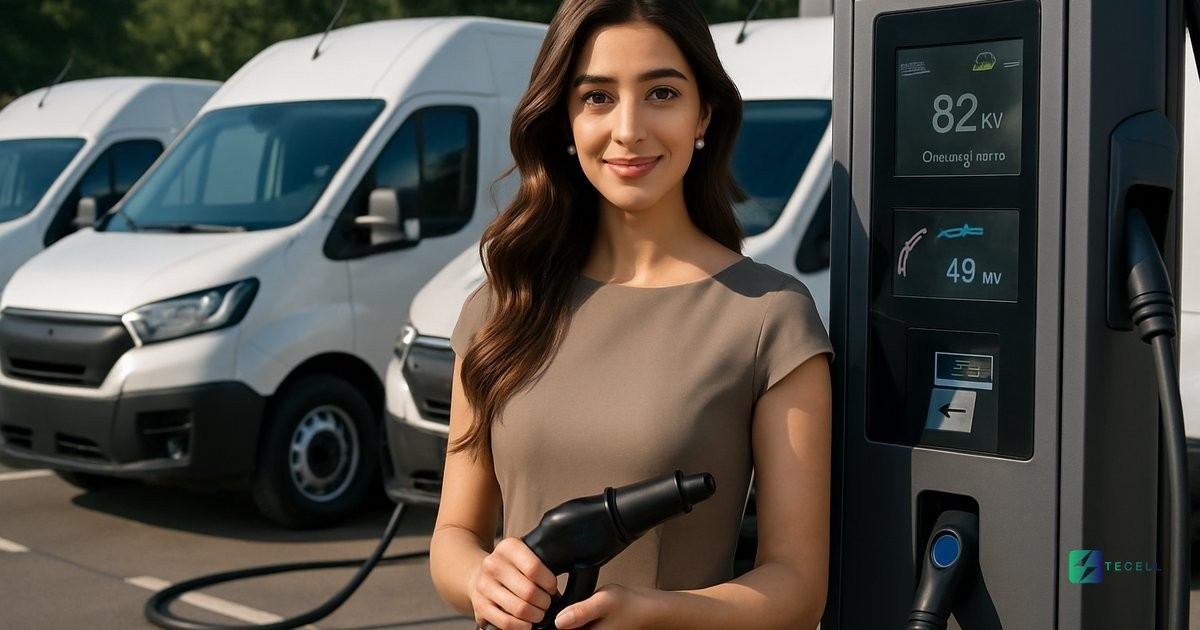
Understanding Energy Consumption Profiling for Fleet Charging
Energy consumption profiling for fleet charging operations is a critical practice that helps operators understand how their electric vehicle (EV) fleets use energy during charging. This process involves analyzing data from charging sessions to identify patterns in energy usage, vehicle behavior, and charging schedules. By leveraging advanced analytics, fleet managers can optimize charging strategies, reduce operational costs, and improve overall efficiency.
For companies managing multiple EVs, such as delivery fleets or logistics providers, understanding energy consumption is essential. It allows them to make informed decisions about when and how to charge vehicles, ensuring that energy is used effectively and economically. This approach also supports better planning for infrastructure needs and helps in aligning charging operations with grid capacity and demand.
Effective energy consumption profiling goes beyond simple tracking. It involves interpreting usage trends, identifying high-consumption periods, and predicting future energy needs. This data-driven strategy empowers fleet operators to take proactive steps in managing their charging infrastructure and reducing long-term costs.
Why Energy Consumption Profiling Matters for Fleet Charging
Energy consumption profiling plays a vital role in fleet charging operations by providing insights into how vehicles consume energy during charging. This information is crucial for optimizing charging schedules, reducing peak demand, and managing costs. When fleet managers understand their vehicles’ energy usage patterns, they can make smarter decisions about when to charge and how much energy to allocate.
For example, a logistics company managing 40 vehicles faces challenges in balancing charging demands with energy availability. By profiling energy consumption, they can identify which vehicles consume the most energy and when they typically charge. This allows them to schedule charging during off-peak hours, reducing electricity costs and avoiding strain on the grid.
Additionally, profiling helps in identifying inefficiencies or anomalies in charging behavior. If a vehicle consistently uses more energy than expected, it may indicate a mechanical issue or suboptimal driving behavior. Addressing these issues early can prevent costly repairs and improve fleet performance.
Key Components of Energy Consumption Profiling
Energy consumption profiling relies on several key components to provide accurate insights. These include real-time data collection from charging stations, historical usage patterns, and vehicle-specific metrics. The data collected must be comprehensive enough to support meaningful analysis and decision-making.
Real-time data is essential for monitoring current charging sessions and identifying immediate issues. Historical data, on the other hand, allows fleet managers to spot trends over time. Vehicle-specific metrics, such as battery capacity, charging speed, and driving behavior, provide context for interpreting energy usage.
Advanced analytics tools process this data to generate actionable insights. These tools can detect patterns in charging behavior, predict future energy needs, and recommend optimal charging strategies. The integration of these components creates a robust system for managing fleet energy consumption.
How Advanced Analytics Identify High-Usage Patterns
Advanced analytics play a central role in identifying high-usage patterns within fleet charging operations. These tools analyze large datasets to uncover trends that might not be immediately obvious. By processing data from multiple charging sessions, analytics can reveal which vehicles or time periods consume the most energy.
For instance, a fleet manager might notice that certain vehicles consistently charge at higher rates during specific hours. This could be due to factors like battery degradation, inefficient charging strategies, or external conditions such as temperature. Advanced analytics can help isolate these variables and suggest corrective actions.
Machine learning algorithms are particularly effective in detecting anomalies and predicting future behavior. They can identify when a vehicle’s energy consumption deviates from the norm, signaling potential issues or opportunities for optimization. This proactive approach helps fleet operators stay ahead of problems and maintain efficient operations.
Optimizing Charging Scheduling for Cost Efficiency
Optimizing charging scheduling is a key benefit of energy consumption profiling. By understanding when and how much energy vehicles consume, fleet managers can schedule charging during periods of lower electricity rates. This strategy significantly reduces operational costs and improves budget predictability.
For example, a delivery company with a large fleet can shift charging to nighttime hours when electricity demand is typically lower. This not only saves money but also helps balance grid load and supports sustainable energy practices. The ability to automate these schedules based on energy consumption data makes the process more efficient and scalable.
Smart scheduling also considers vehicle availability and operational needs. Charging can be timed to ensure vehicles are ready for service while minimizing energy costs. This balance is crucial for maintaining fleet productivity without compromising financial performance.
Implementing Energy Consumption Profiling in Practice
Implementing energy consumption profiling requires a structured approach that integrates data collection, analysis, and action. Fleet operators must first ensure their charging infrastructure supports data logging and communication. This includes using compatible chargers and software platforms that can capture and transmit relevant information.
Once data is collected, it must be analyzed using tools that can process and interpret the information. This step often involves collaboration between IT teams and fleet managers to ensure the data is used effectively. The insights gained should inform operational decisions and be regularly reviewed to adapt to changing conditions.
Training staff on how to interpret and act on profiling data is also important. When team members understand the value of energy consumption insights, they are more likely to use them to improve operations. This cultural shift supports long-term success in fleet charging management.
Benefits of Energy Consumption Profiling for Fleet Operators
Energy consumption profiling offers several benefits for fleet operators, including cost savings, improved efficiency, and better planning. By identifying high-usage patterns, operators can reduce energy expenses and avoid unnecessary strain on their infrastructure. This leads to more predictable operational costs and better financial outcomes.
Additionally, profiling supports proactive maintenance by highlighting vehicles with unusual energy consumption. Early detection of issues can prevent costly breakdowns and extend vehicle lifespans. It also enables operators to make informed decisions about fleet expansion or upgrades.
The insights gained from profiling can also improve customer satisfaction. When vehicles are consistently charged and ready for service, it enhances reliability and performance. This is especially important for businesses that depend on timely deliveries or services.
Challenges and Considerations in Energy Profiling
While energy consumption profiling offers many advantages, it also presents challenges that fleet operators must address. One major challenge is data quality and consistency. Inaccurate or incomplete data can lead to misleading insights and poor decision-making. Ensuring that all charging stations are properly configured and that data is collected reliably is essential.
Another consideration is the complexity of integrating different systems. Fleet operators often use multiple platforms for charging, monitoring, and management. Aligning these systems to provide a unified view of energy consumption can be technically demanding. However, the benefits of doing so outweigh the challenges.
Privacy and security are also important factors. As more data is collected and analyzed, protecting sensitive information becomes critical. Fleet operators must implement robust security measures to safeguard their data and comply with relevant regulations.
Future Trends in Fleet Charging Analytics
The future of fleet charging analytics is likely to be shaped by advancements in artificial intelligence and machine learning. These technologies will enable more sophisticated analysis of energy consumption patterns, leading to even better optimization strategies. Predictive analytics will become more accurate, helping operators anticipate energy needs and adjust operations accordingly.
Integration with smart grid technologies will also play a role. As grids become more intelligent, fleet operators will be able to respond to real-time energy availability and pricing. This will further enhance cost efficiency and support sustainable energy practices.
Additionally, the growing adoption of vehicle-to-grid (V2G) capabilities will open new possibilities for energy management. Vehicles could potentially feed energy back into the grid during peak demand, creating new revenue streams for fleet operators.
Frequently Asked Questions
- What is energy consumption profiling for fleet charging? Energy consumption profiling involves analyzing data from charging sessions to understand how vehicles use energy. This helps fleet managers optimize charging schedules and reduce costs.
- How does advanced analytics help identify high-usage patterns? Advanced analytics process large datasets to detect trends and anomalies in charging behavior. This allows operators to pinpoint vehicles or periods with high energy consumption.
- Can energy profiling reduce operational costs? Yes, by identifying optimal charging times and reducing peak demand, energy profiling can significantly lower electricity costs for fleet operations.
- What are the main challenges in implementing energy profiling? Key challenges include ensuring data quality, integrating multiple systems, and maintaining security and privacy of collected information.
- What future developments are expected in fleet charging analytics? Future trends include more advanced AI, smart grid integration, and vehicle-to-grid capabilities that will further enhance energy management.
Related Reading
For more on related topics, see: Chargepoint Alliance – EV Charging Interoperability.
Further reading: The Future of EV Charging: Trends to Watch in 2025 | Tecell CMS Blog
📣 Join our Telegram channel for EV charging technology insights and product updates.
Also find us on: LinkedIn · X · Bluesky · Mastodon · DEV.to.