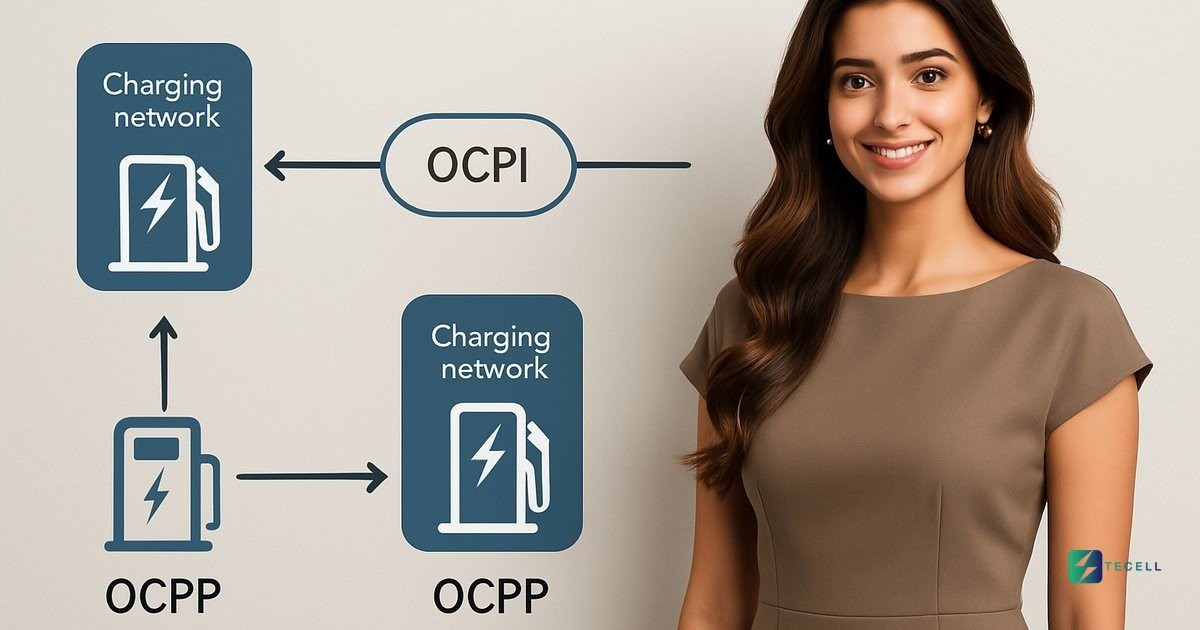
A Charging Management System (CMS) controls user access to different zones in a multi-tenant charging network by assigning roles and permissions through OCPP commands. It uses zone-based access policies to restrict which users can charge at specific locations, ensuring that each tenant’s charging infrastructure remains secure and segregated. The CMS enforces these rules via OCPP 1.6 and 2.0.1 protocols, allowing operators to define access levels based on user credentials, time windows, and payment methods.
How zone-based access works in practice
In a multi-tenant environment, each charging zone can be assigned to a specific operator or fleet. The CMS manages these zones by creating unique identifiers for each one. When a user attempts to start a session, the CMS checks the zone’s access policy and verifies the user’s credentials against the defined permissions. This process ensures that users only gain access to zones they are authorized to use, even if they are using the same charging station.
For example, a commercial building might have separate zones for employees, visitors, and contractors. The CMS would assign different access levels to each group, ensuring that only employees can use the employee zone, and visitors are restricted to the visitor zone. This segregation is enforced through OCPP commands that communicate access control decisions to the charging point.
What this means for fleet and enterprise operators
Fleet operators benefit from zone-based access by being able to control which drivers can charge at specific locations. This is especially useful when managing a large number of vehicles across multiple sites. The CMS allows operators to define access rules based on vehicle type, driver identity, or even time-based restrictions. For instance, a fleet might allow only certain drivers to charge at a particular site during business hours.
Enterprise operators can use this feature to manage internal charging networks more effectively. By assigning zones to departments or teams, they can ensure that charging resources are used appropriately. The CMS also supports integration with existing identity management systems, allowing for seamless authentication and access control across the entire charging infrastructure.
Related Reading
For more on related topics, see our previous post: OCPP Session Resilience Patterns in EV Charging.
Further reading: Tecell CMS – EV Roaming Hub & OCPI Platform | India & Global
📣 Join our Telegram channel for EV charging technology insights and product updates.
Also find us on: LinkedIn · X · Bluesky · Mastodon · DEV.to.