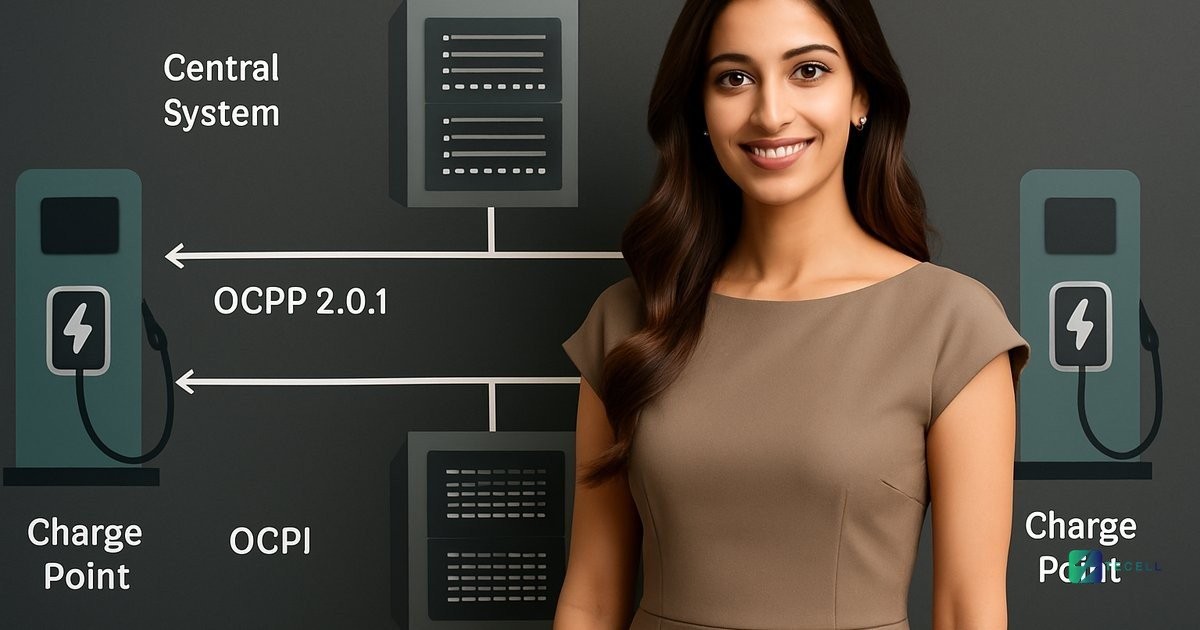
A Charge Management System (CMS) handles firmware updates for hybrid fleets by supporting both OCPP 1.6J and 2.0.1 protocols through separate update mechanisms. It uses OCPP 1.6J’s UpdateFirmware request for older chargers and GetInstalledCertificateIds or UpdateFirmware with RequestData for newer ones. The CMS ensures compatibility by managing protocol-specific update schedules and tracking progress across the entire fleet.
How protocol differences affect update workflows
OCPP 1.6J and 2.0.1 differ in how they handle firmware update requests. OCPP 1.6J uses a simpler approach with a single UpdateFirmware message, while 2.0.1 introduces more granular control through GetInstalledCertificateIds and RequestData. This means a CMS must be able to interpret and respond to both message formats correctly. For example, a charger using 2.0.1 may require a certificate check before accepting an update, whereas 1.6J does not.
These differences also impact how updates are scheduled and tracked. A CMS must maintain separate queues or workflows for each protocol version. If a fleet includes both types of chargers, the system needs to ensure that updates are applied in the correct sequence and that any failures in one protocol don’t block the other. This requires careful configuration and monitoring.
Practical implications for fleet operators
Fleet operators benefit from a CMS that supports both protocols because it allows them to manage older and newer chargers without needing separate systems. This unified approach reduces operational overhead and ensures consistent firmware management. For example, a large commercial charging network might have legacy chargers using 1.6J alongside newer ones using 2.0.1. A CMS that handles both ensures all devices are kept up to date with minimal manual intervention.
Operators also gain better visibility into update status and device health. The CMS can provide real-time reports showing which chargers have been updated, which are pending, and which failed. This helps maintain compliance and avoids potential issues like outdated firmware that could affect performance or security.
Related Reading
For more on related topics, see: EV Charging CMS – Basic Plan | Tecell.
Further reading: Tecell CMS – EV Roaming Hub & OCPI Platform | India & Global
📣 Join our Telegram channel for EV charging technology insights and product updates.
Also find us on: LinkedIn · X · Bluesky · Mastodon · DEV.to.