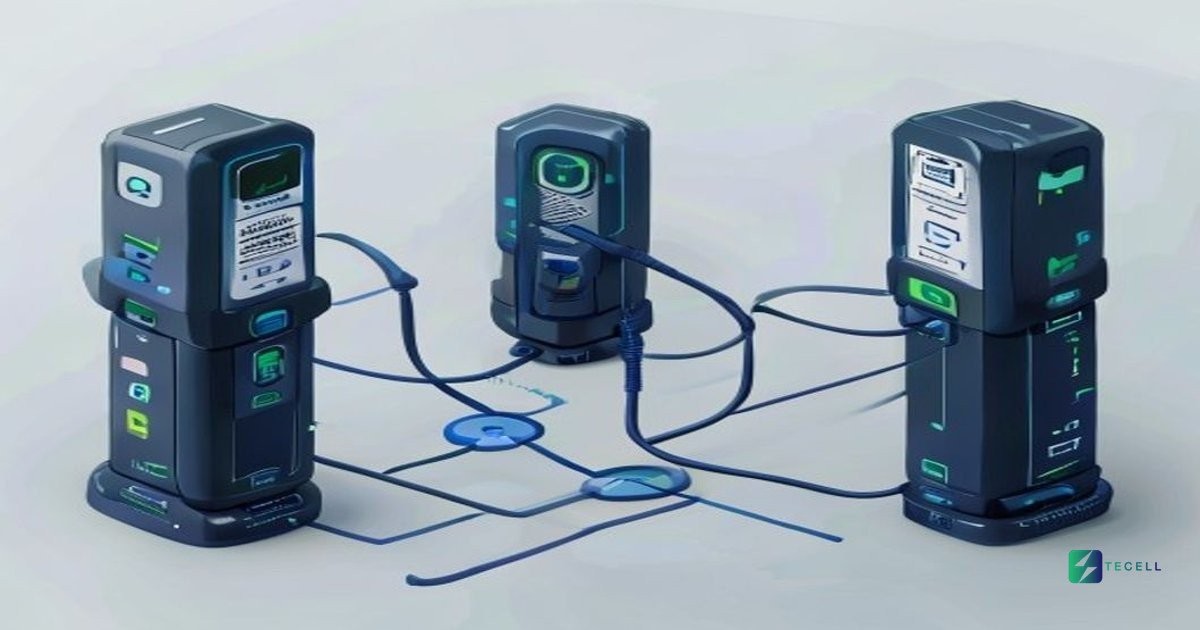
Charge Point Operators configure dynamic power scaling for DC fast chargers using OCPP 2.0.1 by setting the MaxChargingPower and MinChargingPower parameters in the SetChargingProfile request. These values are adjusted based on real-time grid voltage levels and load conditions, enabling the charger to adapt its output power without interrupting the charging session.
How Dynamic Power Scaling Works in Practice
In practice, the charger receives updated power limits through OCPP 2.0.1’s SetChargingProfile command. The system evaluates the current grid capacity and voltage stability, then adjusts the maximum power the charger can draw. This ensures that the charging process remains within safe operational boundaries while maximizing efficiency.
Operators can also define charging profiles with time-based constraints. For example, during peak hours, the system may reduce the maximum power to prevent overloading the local grid. This approach allows for intelligent load management and supports integration with smart grid technologies.
These adjustments happen automatically, often triggered by a central management system or utility provider. The charger communicates back its status using ChargingProfile and TransactionEvent messages, ensuring continuous visibility into the charging process.
What This Means for Charge Point Operators
For Charge Point Operators, dynamic power scaling improves grid stability and reduces the risk of power outages or equipment damage. It also allows operators to offer more flexible and responsive charging services, especially in areas with fluctuating energy availability.
This capability is particularly useful in commercial or fleet environments where multiple chargers are managed centrally. Operators can optimize charging schedules and power distribution across their network, ensuring that each station operates efficiently under varying conditions.
By leveraging OCPP 2.0.1’s advanced features, operators gain better control over their infrastructure, leading to improved uptime and customer satisfaction. It also supports compliance with grid codes and energy regulations that require adaptive power management.
Related Reading
For more on related topics, see: What is a Charge Point Operator (CPO)? | Tecell.
Further reading: EV Charging Software Features | Tecell CMS (UnityCharge) – OCPP, Billing, Mobile
📣 Join our Telegram channel for EV charging technology insights and product updates.
Also find us on: LinkedIn · X · Bluesky · Mastodon · DEV.to.