
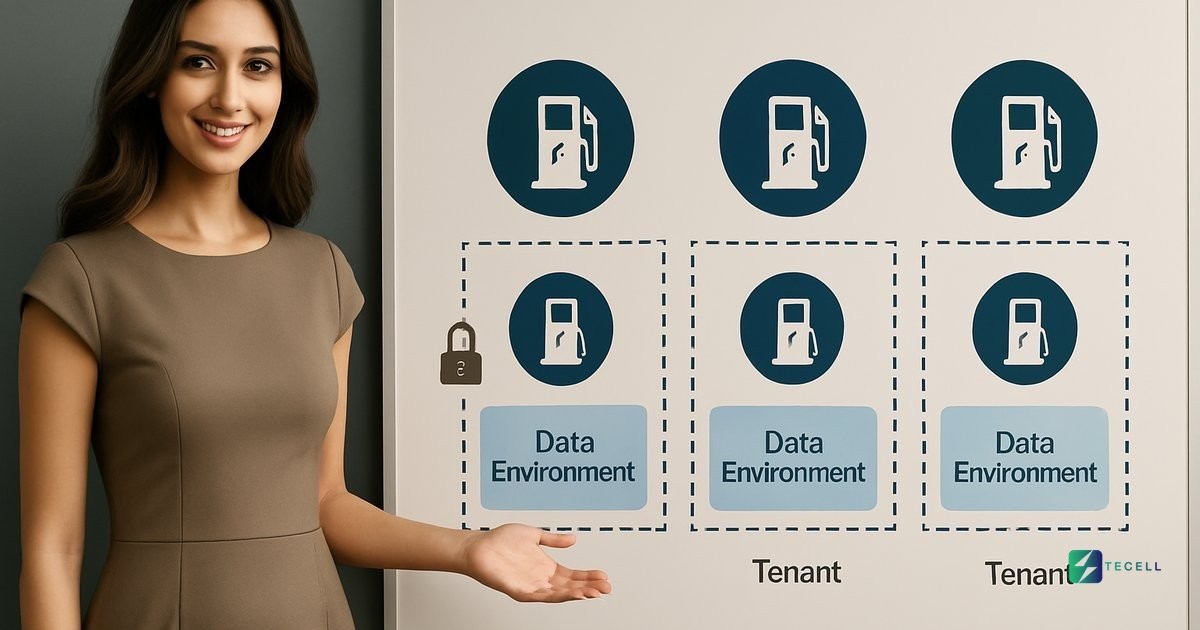
OCPP 2.0.1 supports secure offline communication for firmware updates without cloud dependency, maintaining ISO/IEC 15118 compliance through its enhanced security profile and local authentication mechanisms.
How Secure Offline Communication Works
OCPP 2.0.1 introduces a secure offline mode that allows chargers to perform firmware updates and maintain communication with central systems even when disconnected from the internet. This is achieved through local certificate storage and secure key exchange protocols. The system ensures that updates are cryptographically signed and verified before installation, preventing unauthorized modifications.
The protocol supports offline authentication using pre-configured credentials or local identity tokens. These tokens are generated and managed through secure channels, ensuring that only authorized devices can perform or receive updates. This capability is especially useful in remote or low-connectivity environments where constant cloud access is not feasible.
For ISO/IEC 15118 compliance, OCPP 2.0.1 ensures that secure communication channels are maintained during both online and offline operations. This includes preserving the integrity of EV communication protocols, such as those used in vehicle-to-grid (V2G) transactions, even when the charger is operating in a disconnected state.
Practical Implications for Charge Point Operators
For Charge Point Operators (CPOs), this feature enables more resilient and flexible charging network management. It reduces reliance on continuous internet connectivity, which is particularly beneficial in areas with unreliable network infrastructure. Operators can deploy chargers in remote locations and still ensure they remain up-to-date with the latest firmware and security patches.
The secure offline mode also supports proactive maintenance strategies. CPOs can schedule updates during low-usage periods, ensuring that chargers are always running the latest software versions. This helps in maintaining consistent performance and reducing downtime due to outdated firmware or security vulnerabilities.
Additionally, this capability supports compliance with regulatory requirements that mandate secure and auditable update processes. CPOs can demonstrate that their charging infrastructure meets security standards even when operating in offline conditions, which is critical for maintaining trust and regulatory approval.
Related Reading
For more on related topics, see: OCPP 2.0.1 Remote Diagnostics Offline.
Further reading: Tecell CMS – EV Roaming Hub & OCPI Platform | India & Global
📣 Join our Telegram channel for EV charging technology insights and product updates.
Also find us on: LinkedIn · X · Bluesky · Mastodon · DEV.to.