
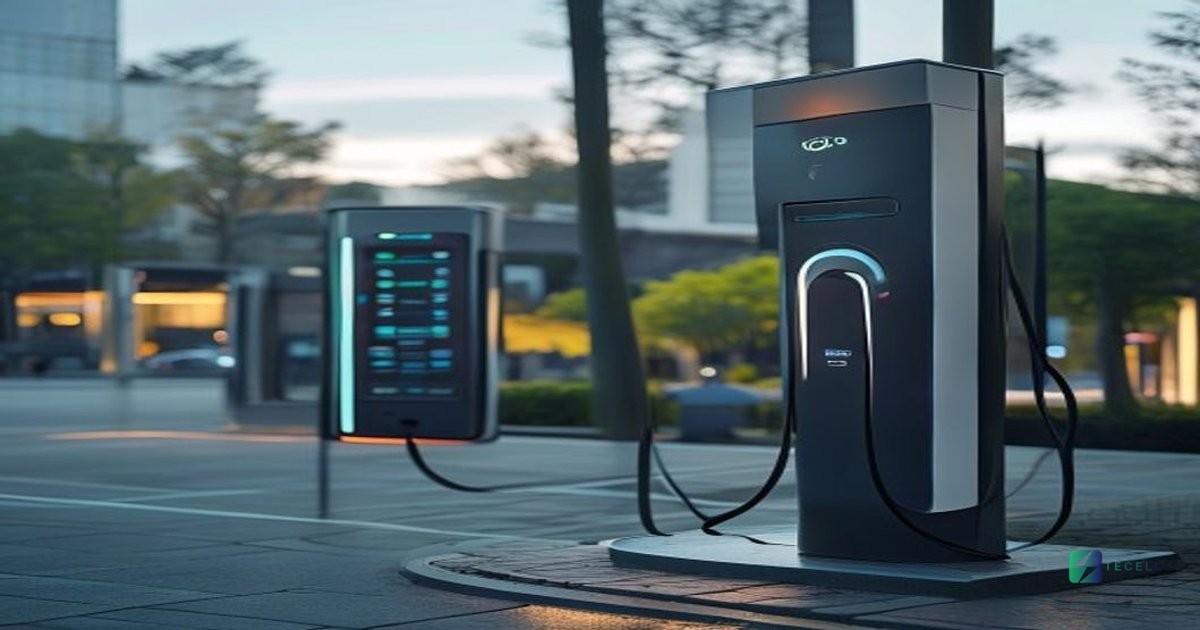
Understanding Real-Time Energy Consumption Modeling for Fleet Charging
Real-time energy consumption modeling for fleet charging is a critical component in modern electric vehicle infrastructure. It allows operators to predict and manage power demand, optimize grid interactions, and reduce operational costs. This approach becomes especially important when managing large-scale deployments like logistics companies or public transit systems.
By leveraging predictive algorithms and live data feeds, fleet charging systems can anticipate how much energy each vehicle will consume during charging sessions. This enables operators to balance loads across multiple chargers, avoid overloading local substations, and even participate in demand response programs.
For example, a logistics company managing 40 electric delivery vans faces the challenge of scheduling charging sessions without disrupting their operations or exceeding available power capacity. Real-time modeling helps them plan efficiently and maintain service reliability.
This technology bridges the gap between EV adoption and grid stability. It ensures that charging infrastructure scales with demand while minimizing strain on the electrical network.
Why Real-Time Energy Consumption Modeling Matters for Fleet Operators
When fleet operators deploy electric vehicles, they must account for variable charging needs. Real-time energy consumption modeling provides visibility into how much power each vehicle will draw during a session. This information is essential for load balancing and preventing grid overloads.
Without accurate forecasting, operators risk underestimating energy requirements. This can lead to incomplete charging cycles, vehicle downtime, and inefficient use of charging infrastructure. Conversely, overestimating can result in wasted capacity and unnecessary investment in power infrastructure.
By using real-time data, operators can dynamically adjust charging schedules based on current grid conditions. This flexibility is crucial for maintaining service levels while reducing operational costs.
For instance, a public transit authority managing a fleet of 100 electric buses must ensure that all vehicles are fully charged before their scheduled routes. Real-time modeling allows them to optimize charging times and avoid peak demand periods, which can significantly reduce electricity costs.
How Real-Time Modeling Works in Practice
Real-time energy consumption modeling relies on several key components working together. First, sensors and meters collect live data from charging stations. This includes voltage, current, and power consumption metrics.
Second, software platforms process this data using machine learning models. These models learn from historical charging patterns and environmental factors such as temperature or battery state of charge.
Third, the system generates predictions about future energy needs. These forecasts help operators make informed decisions about when and how to charge vehicles.
Finally, the system integrates with grid management tools. This allows operators to respond quickly to changes in supply or demand, ensuring that charging operations remain within safe limits.
Key Data Sources for Accurate Predictions
Accurate real-time energy consumption modeling depends on high-quality data inputs. Charging station hardware must provide precise measurements of power usage. Battery management systems also contribute valuable information about state of charge and degradation rates.
Environmental data plays a role too. Factors like ambient temperature, humidity, and even solar irradiance can affect charging efficiency. Incorporating these variables improves forecast accuracy.
Vehicle-specific data is equally important. Different EV models have varying charging profiles. Some vehicles charge faster at lower voltages, while others benefit from high-power DC charging. Understanding these differences helps refine predictions.
For example, a fleet of delivery vans with different battery capacities and charging capabilities requires tailored modeling approaches. Real-time systems must account for these variations to deliver reliable forecasts.
Benefits of Predictive Load Forecasting for Fleet Charging
Predictive load forecasting enhances operational efficiency by enabling proactive decision-making. Instead of reacting to power shortages or surpluses, operators can anticipate and prepare for changes in demand.
One major benefit is cost reduction. By avoiding peak electricity rates and optimizing charging timing, fleets can significantly lower their energy expenses. This is particularly valuable for large operators with substantial charging infrastructure.
Another advantage is improved reliability. Accurate forecasting helps prevent overloading of charging stations or grid components. This reduces the risk of outages and ensures consistent service availability.
Additionally, predictive models support better resource allocation. Operators can determine how many chargers to activate, how long each session should last, and when to schedule maintenance. This leads to more efficient use of infrastructure and personnel.
Grid Impact Mitigation Through Smart Charging
Smart charging strategies powered by real-time energy consumption modeling help mitigate grid impact. They allow fleets to shift charging loads to off-peak hours or during periods of low demand.
This approach reduces stress on the electrical grid and supports renewable energy integration. When charging occurs during times when solar or wind power is abundant, it aligns with clean energy availability.
Operators can also participate in demand response programs. These programs reward fleets for reducing energy consumption during high-demand periods. Real-time modeling makes it easier to comply with program requirements and earn incentives.
For example, a fleet operator might receive a signal from the grid to reduce charging activity during a heatwave. With predictive models in place, they can quickly adjust schedules to meet these requirements without disrupting operations.
Technical Implementation Challenges
Implementing real-time energy consumption modeling involves several technical challenges. One is ensuring data accuracy and consistency across multiple charging stations. Inconsistent readings can lead to flawed predictions.
Another challenge is integrating legacy systems with modern software platforms. Many existing charging infrastructures were not designed with real-time analytics in mind. Upgrading these systems requires careful planning and investment.
Security is also a concern. As more devices connect to the internet, the attack surface expands. Operators must implement robust cybersecurity measures to protect sensitive data and prevent unauthorized access.
Finally, scalability becomes an issue as fleets grow. The system must handle increasing numbers of vehicles and charging points without sacrificing performance or accuracy.
Overcoming Data Integration Hurdles
Data integration is often the most complex part of building a real-time energy consumption model. Different charging stations may use varying communication protocols or data formats.
Standardization efforts like OCPP (Open Charge Point Protocol) help streamline this process. However, not all systems support the latest versions or features. Operators must ensure compatibility between hardware and software components.
Cloud-based solutions offer a way to centralize data collection and processing. They provide scalable infrastructure and tools for managing large datasets. But they also introduce latency concerns that must be addressed.
For instance, a company deploying 50 new charging stations must ensure that all devices can communicate effectively with their central analytics platform. This requires careful configuration and ongoing monitoring.
Case Study: Fleet Charging Optimization in Action
A logistics company managing 40 electric delivery vans faced challenges with inconsistent charging schedules and high energy costs. They implemented a real-time energy consumption modeling system to address these issues.
The system monitored each vehicle’s charging behavior and predicted future energy needs. It also integrated with the company’s grid management tools to optimize timing and reduce peak demand.
Within six months, the company saw a 20% reduction in energy costs. They also improved vehicle availability by ensuring that all vans were charged efficiently and on schedule.
This case demonstrates how real-time modeling can transform fleet operations. It enables operators to make data-driven decisions that improve both efficiency and cost-effectiveness.
Measuring Success and ROI
Measuring the success of real-time energy consumption modeling requires tracking key performance indicators. These include energy cost savings, vehicle uptime, and grid impact metrics.
Operators should compare pre-implementation and post-implementation data to assess improvements. This includes analyzing charging session durations, power consumption patterns, and overall fleet performance.
Return on investment (ROI) can be calculated by comparing the cost of implementing the system against the savings achieved. For large fleets, the initial investment often pays off quickly through reduced energy bills and improved operational efficiency.
Long-term benefits include enhanced scalability and adaptability. As fleets grow or change, the system can be adjusted to meet new requirements without major overhauls.
Future Trends in Real-Time Energy Modeling
As EV adoption accelerates, real-time energy consumption modeling will become even more critical. Future developments include enhanced AI capabilities and improved integration with smart grid technologies.
Machine learning algorithms will continue to evolve, offering more accurate predictions and faster processing speeds. These advancements will enable real-time adjustments to charging schedules based on dynamic conditions.
Interoperability between different systems and platforms will also improve. This will allow operators to seamlessly connect with various charging networks and grid operators.
Additionally, regulatory frameworks may begin to require or incentivize real-time modeling for large-scale deployments. This could drive widespread adoption across the industry.
Preparing for Scalable Solutions
Operators should prepare for scalable solutions that can grow with their fleets. This means choosing platforms that support modular expansion and flexible configurations.
Cloud-based architectures offer the best scalability for real-time modeling. They allow operators to add new charging points or vehicles without significant infrastructure changes.
Training staff to use these systems effectively is also important. Operators need to understand how to interpret data and make informed decisions based on model outputs.
Finally, staying updated on industry standards and best practices ensures that systems remain current and effective. Regular reviews and updates help maintain performance and compliance.
Frequently Asked Questions
What is real-time energy consumption modeling for fleet charging?
Real-time energy consumption modeling for fleet charging uses live data and predictive algorithms to forecast how much power each vehicle will consume during charging sessions. This helps operators manage energy demand, optimize grid interactions, and reduce costs.
How does predictive load forecasting benefit fleet operators?
Predictive load forecasting allows fleet operators to anticipate energy needs and adjust charging schedules accordingly. This leads to cost savings, improved reliability, and better resource allocation.
What are the main challenges in implementing real-time modeling?
Main challenges include data accuracy, system integration, cybersecurity, and scalability. Ensuring compatibility between legacy hardware and modern software platforms is particularly difficult.
Can small fleets benefit from real-time energy modeling?
Yes, even small fleets can benefit from real-time energy modeling. While the initial investment may be higher relative to fleet size, the cost savings and operational improvements can still be significant.
How does real-time modeling support grid stability?
Real-time modeling helps reduce grid stress by shifting charging loads to off-peak hours and aligning with renewable energy availability. This supports grid stability and enables more efficient use of clean energy sources.
Related Reading
For more on related topics, see: Could AI Make EV Charging More Energy-Efficient? – Tecell.
Further reading: The Future of EV Charging: Trends to Watch in 2025 | Tecell CMS Blog
📣 Join our Telegram channel for EV charging technology insights and product updates.
Also find us on: LinkedIn · X · Bluesky · Mastodon · DEV.to.