
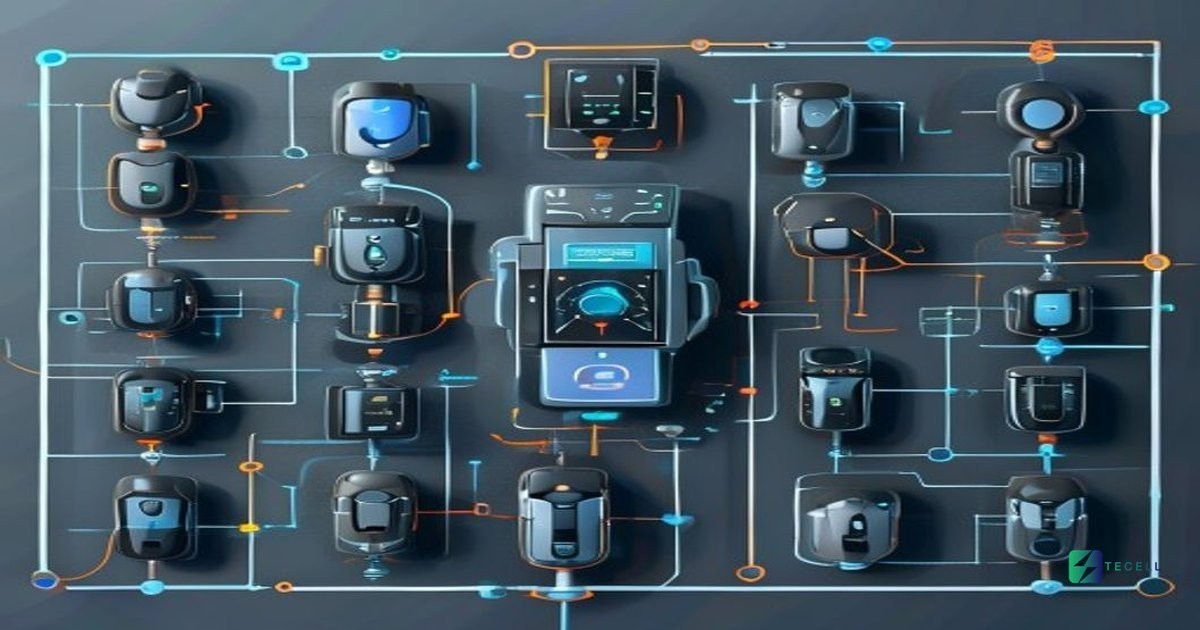
Understanding the Need for Scalable Charging Network Orchestration
As electric vehicle adoption accelerates, the complexity of managing charging infrastructure grows exponentially. A logistics company managing 40 vehicles faces a unique challenge: how to efficiently coordinate charging across multiple locations and networks without compromising uptime or service quality. This is where scalable charging network orchestration becomes essential. It ensures that charging operations remain smooth, predictable, and aligned with business goals.
ChargeSphere, combined with OCPP 2.0.1, provides a robust framework for this orchestration. It enables operators to manage diverse charging networks, support dynamic pricing, and maintain real-time session coordination—all within a multi-tenant environment. This approach is not just about managing more chargers; it’s about managing them intelligently.
By leveraging modern protocols and platforms, organizations can scale their charging infrastructure without sacrificing performance or control. The architecture supports both centralized and distributed operations, making it adaptable to various deployment models.
How ChargeSphere Enables Cross-Network Roaming
One of the most significant advantages of ChargeSphere is its ability to facilitate cross-network roaming. This capability allows users to charge at different networks seamlessly, using a single account or payment method. For fleet operators, this means reduced friction in operations and improved user experience.
ChargeSphere achieves this through its open roaming and interoperability platform. It connects charging networks, mobility service providers, and payment ecosystems, ensuring that users can access charging stations regardless of the network they belong to. This is particularly valuable in urban environments where multiple networks coexist.
The platform supports standard protocols like OCPI, which ensures that data exchange between networks is consistent and reliable. This interoperability is critical for building trust among users and operators alike.
Real-World Example: Fleet Charging Across Regions
A logistics company with vehicles operating across several states needs to ensure that drivers can charge anywhere along their routes. With ChargeSphere, the company can integrate with various regional networks, allowing drivers to use a single account for all charging sessions. This simplifies billing and reduces administrative overhead.
Dynamic Pricing Through OCPP 2.0.1 Integration
Dynamic pricing is a powerful tool for optimizing charging network utilization and revenue. OCPP 2.0.1 supports this by enabling real-time adjustments to pricing based on factors like demand, time of day, or energy costs. ChargeSphere leverages these capabilities to provide flexible pricing models.
For example, a commercial charging station might charge higher rates during peak hours to manage demand. Or, it might offer lower rates during off-peak times to encourage usage. These adjustments are made automatically, based on predefined rules or AI-driven insights.
This level of control is especially beneficial for utility companies or infrastructure providers who want to balance grid load while maximizing revenue. It also helps operators attract more users by offering competitive and adaptive pricing.
Real-Time Session Coordination in Multi-Tenant Environments
Multi-tenant environments present unique challenges for charging network orchestration. Each tenant may have different requirements, policies, or access levels. ChargeSphere addresses this by offering granular control over sessions and permissions.
For instance, a shopping mall might host multiple charging networks, each serving different groups of users. ChargeSphere ensures that each network operates independently while still sharing necessary data and resources. This separation of concerns allows for better management and accountability.
Session coordination is handled through real-time communication between the charging stations and the central system. This ensures that users are charged correctly, sessions are tracked accurately, and any issues are resolved quickly.
Technical Architecture of ChargeSphere and OCPP 2.0.1
The technical foundation of scalable charging network orchestration lies in the integration of ChargeSphere with OCPP 2.0.1. This combination provides a flexible, extensible architecture that supports a wide range of use cases.
OCPP 2.0.1 introduces several enhancements over previous versions, including improved messaging, better support for remote procedures, and more robust security features. These improvements are crucial for handling the complexity of modern charging networks.
ChargeSphere acts as the central hub, managing communication between charging stations, users, and other systems. It translates between different protocols and formats, ensuring that all components work together seamlessly. This abstraction layer simplifies the integration process for operators and developers alike.
Key Components of the Orchestration Layer
The orchestration layer consists of several key components: the central management system, the communication gateway, and the data processing engine. Each plays a role in ensuring that charging operations are efficient, secure, and scalable.
The central management system handles user authentication, session tracking, and billing. The communication gateway ensures that messages are transmitted reliably between devices and the central system. The data processing engine analyzes usage patterns and provides insights for optimization.
Together, these components form a cohesive system that can adapt to changing needs and scale as required. This modular design allows for easy updates and maintenance without disrupting operations.
Benefits of Using ChargeSphere with OCPP 2.0.1
Implementing ChargeSphere with OCPP 2.0.1 brings several tangible benefits to charging network operators. These include improved operational efficiency, enhanced user experience, and better integration with existing systems.
Operational efficiency is achieved through automation and real-time monitoring. Operators can track usage, identify issues, and respond quickly to problems. This proactive approach reduces downtime and improves service quality.
User experience is enhanced by providing seamless access to charging services. Whether a user is charging at a single station or across multiple networks, the process should be simple and intuitive. ChargeSphere supports this through its unified interface and consistent data handling.
Challenges and Solutions in Network Orchestration
Despite its advantages, implementing scalable charging network orchestration is not without challenges. One major challenge is ensuring compatibility across different hardware and software platforms. Another is maintaining security and privacy in a connected environment.
ChargeSphere addresses these challenges by supporting open standards and providing robust security features. It also offers tools for testing and validation, helping operators ensure that their systems work as expected.
Another challenge is managing the complexity of multi-tenant environments. ChargeSphere simplifies this by offering role-based access control and customizable dashboards. These features allow each tenant to manage their portion of the network independently.
Future Trends in Charging Network Orchestration
The future of charging network orchestration is likely to be shaped by advancements in AI, edge computing, and renewable energy integration. These trends will further enhance the capabilities of platforms like ChargeSphere.
AI can be used to predict demand, optimize pricing, and automate routine tasks. Edge computing brings processing power closer to the charging stations, reducing latency and improving responsiveness. Renewable energy integration ensures that charging is not only efficient but also sustainable.
As these technologies mature, the orchestration layer will become even more intelligent and adaptive. This will enable operators to offer more value to users while reducing operational costs.
Conclusion: Building the Future of EV Charging
Scalable charging network orchestration using ChargeSphere and OCPP 2.0.1 represents a significant step forward in managing electric vehicle infrastructure. It enables operators to handle complex, multi-tenant environments while supporting dynamic pricing and real-time coordination.
By focusing on interoperability, automation, and intelligent management, this approach helps build a more resilient and user-friendly charging ecosystem. Whether for fleet operators, commercial facilities, or utility companies, the benefits are clear and measurable.
As the EV landscape continues to evolve, platforms like ChargeSphere will play a crucial role in ensuring that charging infrastructure keeps pace with demand. The integration of modern protocols and intelligent systems is not just a technical necessity—it’s a strategic advantage.
Frequently Asked Questions
- What is scalable charging network orchestration? It refers to the ability to manage and coordinate charging infrastructure across multiple networks and locations efficiently, using technology that can grow with demand.
- How does ChargeSphere support cross-network roaming? It connects different charging networks and allows users to access stations from various providers through a single account or payment method.
- What role does OCPP 2.0.1 play in network orchestration? It provides the communication standards and features needed to manage charging sessions, pricing, and data exchange between devices and central systems.
- Can dynamic pricing be implemented with ChargeSphere? Yes, it supports real-time adjustments to pricing based on demand, time, or energy costs, helping optimize usage and revenue.
- What are the benefits of using ChargeSphere with OCPP 2.0.1? It offers improved operational efficiency, better user experience, and seamless integration with existing systems, all while supporting scalability and security.
Related Reading
For more on related topics, see: Scalable OCPP Gateway for Multi-Vendor Charging Hardware.
Further reading: ChargeSphere – EV Roaming Hub | Tecell
📣 Join our Telegram channel for EV charging technology insights and product updates.
Also find us on: LinkedIn · X · Bluesky · Mastodon · DEV.to.