
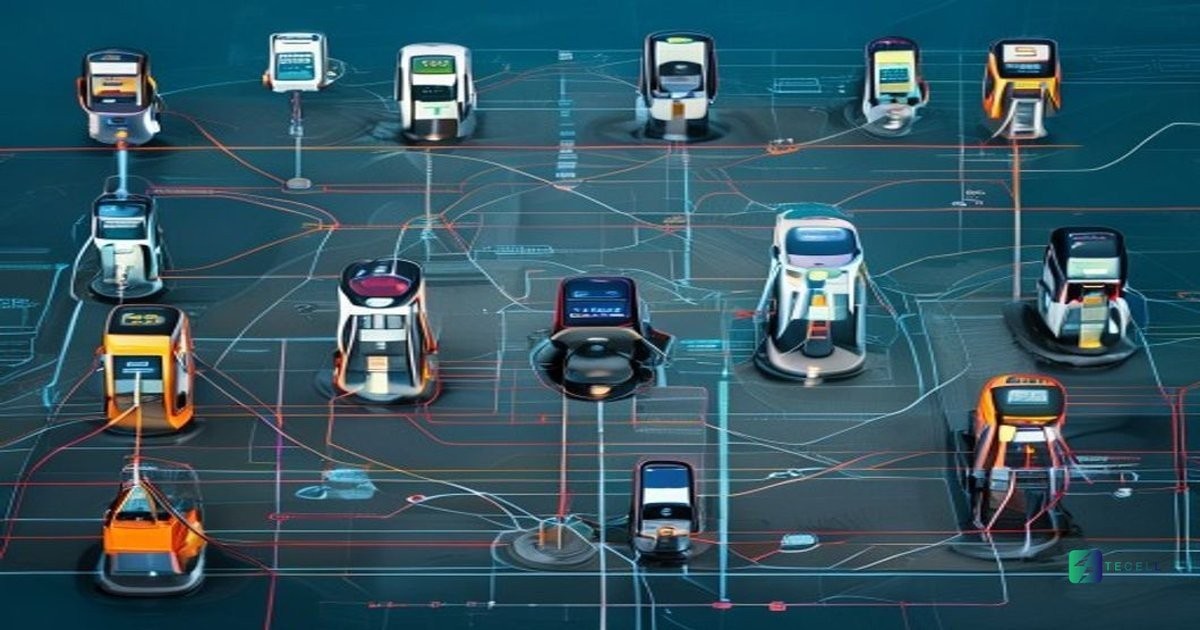
How UnityCharge Enables Multi-Tenant Charging Network Operations
UnityCharge’s CMS architecture is designed to support complex, multi-tenant charging network operations. This system allows operators to manage multiple charging networks under one platform while maintaining isolated billing and access control. The solution leverages OCPP 2.0.1 and integrates with ChargeSphere to provide seamless roaming capabilities. This approach is particularly valuable for fleet operators, property managers, and utility companies managing diverse charging infrastructures.
Understanding Multi-Tenant Charging Network Challenges
Managing multiple charging networks often involves handling separate billing systems, access permissions, and operational dashboards. Each tenant may have different requirements for user access, payment methods, and network policies. Without proper architecture, these operations can become fragmented and inefficient. UnityCharge addresses these challenges by offering a unified platform that maintains tenant isolation.
Key Features of UnityCharge’s Multi-Tenant Design
UnityCharge’s CMS supports distinct network environments for each tenant. This includes separate user directories, billing rules, and access control lists. Each tenant can configure their own policies while sharing the underlying infrastructure. The system ensures that data from one tenant does not interfere with another’s operations. This design is essential for large-scale deployments where multiple stakeholders are involved.
Isolated Billing and Access Control in UnityCharge
Isolated billing and access control are fundamental to multi-tenant operations. UnityCharge enables each tenant to define their own billing structures, including different pricing models, payment methods, and invoicing schedules. Access control is similarly customizable, allowing operators to set permissions based on user roles, vehicle types, or network zones. This granular control ensures that each tenant’s operational needs are met without compromising others.
How Billing Isolation Works
Billing isolation in UnityCharge is achieved through dedicated billing engines for each tenant. These engines process transactions independently, generating separate invoices and handling payment reconciliation. This approach prevents cross-contamination of financial data and ensures compliance with each tenant’s accounting practices. It also simplifies audit processes and reduces the risk of billing errors.
Access Control Mechanisms
Access control in UnityCharge is managed through role-based permissions and user groups. Each tenant can define who can access specific charging stations, set time-based restrictions, and enforce authentication requirements. This flexibility is crucial for managing diverse user bases, from individual consumers to corporate fleets. The system supports integration with existing identity management systems for enhanced security.
OCPP 2.0.1 Integration for Enhanced Functionality
UnityCharge’s integration with OCPP 2.0.1 provides advanced communication capabilities for charging networks. This protocol version supports enhanced data exchange, remote diagnostics, and smart charging features. It enables real-time monitoring of charging sessions, predictive maintenance alerts, and dynamic pricing adjustments. These capabilities are essential for maintaining efficient operations across multi-tenant environments.
Benefits of OCPP 2.0.1 in Multi-Tenant Networks
OCPP 2.0.1’s improved messaging protocols allow for more granular control over charging sessions. Operators can monitor energy consumption, adjust power levels, and respond to grid conditions in real time. This level of control is particularly valuable in multi-tenant setups where different users may have varying energy needs. The protocol also supports secure communication channels, enhancing overall network security.
Smart Charging and Load Management
Smart charging features in OCPP 2.0.1 enable dynamic load management across multiple charging points. UnityCharge uses this capability to balance energy demand and prevent overloading of network infrastructure. This is especially important in commercial and residential settings where multiple users may be charging simultaneously. The system can automatically adjust charging rates based on available capacity and user priorities.
ChargeSphere Integration for Roaming and Interoperability
ChargeSphere integration enhances UnityCharge’s multi-tenant capabilities by enabling roaming and interoperability. This platform connects different charging networks, allowing users to charge at any compatible station regardless of ownership. For multi-tenant networks, this means expanded access for users while maintaining operational control for each tenant. The integration supports various payment methods and authentication protocols.
Roaming Capabilities in Multi-Tenant Environments
Roaming through ChargeSphere allows users to access charging stations across different networks seamlessly. For multi-tenant operators, this creates opportunities for revenue sharing and expanded user bases. The system handles authentication, billing, and session management across network boundaries. This interoperability is essential for creating a unified charging experience for users.
Interoperability Standards and Compliance
ChargeSphere ensures compliance with industry standards such as OCPI and OCPP. This compatibility allows seamless integration with third-party systems and payment providers. For multi-tenant networks, this means reduced operational complexity and faster deployment of new charging stations. The platform also supports various payment ecosystems, making it easier for users to pay for charging sessions.
Operational Benefits for Charging Network Operators
Multi-tenant operations with UnityCharge offer significant operational advantages. Operators can manage diverse charging networks efficiently while maintaining clear separation between tenants. This approach reduces administrative overhead and improves scalability. The system also supports advanced analytics and reporting features that help operators optimize their networks.
Scalability and Flexibility
UnityCharge’s architecture supports rapid scaling of charging networks. Operators can add new tenants, charging stations, or services without disrupting existing operations. This flexibility is crucial for growing networks that need to adapt to changing market demands. The system also allows for customized configurations that meet specific tenant requirements.
Operational Efficiency and Cost Reduction
By centralizing management and maintaining tenant isolation, UnityCharge reduces operational costs. The platform minimizes the need for separate systems and manual interventions. This efficiency is particularly valuable for large networks with multiple stakeholders. The system also supports automated processes that reduce administrative burden and improve accuracy.
Real-World Application: Fleet Operator Scenario
A logistics company managing 40 vehicles faces challenges in coordinating charging for multiple depots and routes. Using UnityCharge’s multi-tenant architecture, the company can manage each depot as a separate tenant while maintaining centralized oversight. Billing is handled independently for each location, and access control ensures that drivers only access designated charging stations. The integration with ChargeSphere allows drivers to use any compatible station, expanding their charging options without compromising operational control.
Benefits for Fleet Operations
This setup enables the logistics company to track energy consumption, manage costs, and optimize charging schedules across all depots. The system provides detailed reporting on vehicle usage and charging patterns. Fleet managers can make informed decisions about charging infrastructure investments and route planning. The isolation of billing and access control ensures that each depot’s operations remain independent while contributing to overall network efficiency.
Future-Proofing Charging Network Operations
UnityCharge’s multi-tenant architecture is designed to evolve with changing industry needs. The system supports emerging technologies and standards, ensuring long-term viability. As charging networks become more complex, the ability to manage multiple tenants efficiently becomes increasingly important. The platform’s modular design allows for easy upgrades and feature additions.
Adapting to New Charging Standards
With ongoing developments in charging standards and protocols, UnityCharge’s architecture provides a foundation for future integration. The system’s support for OCPP 2.0.1 and ChargeSphere ensures compatibility with evolving industry requirements. This adaptability is crucial for operators who want to maintain competitive advantage in a rapidly changing market.
Support for Emerging Technologies
UnityCharge’s design accommodates new technologies such as vehicle-to-grid (V2G) capabilities and AI-driven optimization. These features can be integrated into multi-tenant networks without disrupting existing operations. The platform’s flexibility allows operators to experiment with new services and revenue models. This forward-looking approach helps prepare networks for future innovations in electric mobility.
Frequently Asked Questions
- How does UnityCharge support multiple charging networks under one system? UnityCharge’s multi-tenant architecture allows operators to manage separate charging networks within a single platform while maintaining data isolation and independent billing for each network.
- What are the benefits of using OCPP 2.0.1 with UnityCharge? OCPP 2.0.1 provides enhanced communication capabilities, including real-time monitoring, smart charging features, and improved security for multi-tenant charging operations.
- Can different tenants have separate billing systems in UnityCharge? Yes, each tenant can define their own billing rules, payment methods, and invoicing schedules while sharing the underlying infrastructure.
- How does ChargeSphere integration improve multi-tenant operations? ChargeSphere enables roaming capabilities and interoperability between different charging networks, allowing users to access stations across multiple operators while maintaining tenant-specific controls.
- What types of organizations benefit most from UnityCharge’s multi-tenant features? Fleet operators, property managers, utilities, and infrastructure providers managing diverse charging networks benefit from the isolation and operational efficiency that multi-tenant architecture provides.
Related Reading
For more on related topics, see: Multi-Tenant Charging Network Architecture for CPOs.
Further reading: EV Charging Software Features | Tecell CMS (UnityCharge) – OCPP, Billing, Mobile
📣 Join our Telegram channel for EV charging technology insights and product updates.
Also find us on: LinkedIn · X · Bluesky · Mastodon · DEV.to.